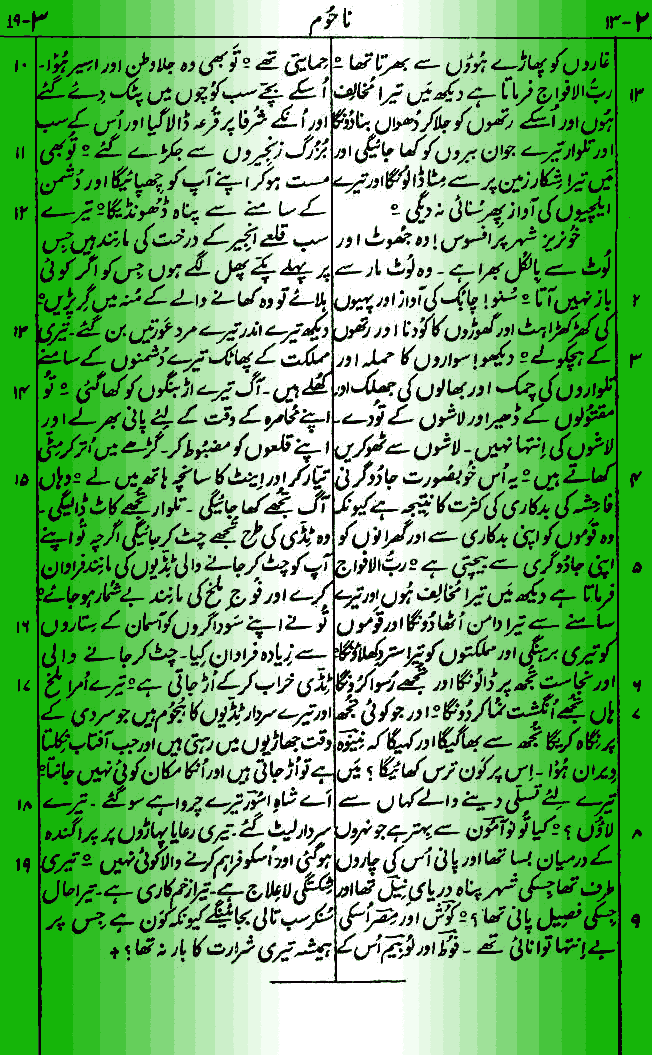
Nahum Chapter 3: Verse-by-Verse Commentary
Nahum 3:1
Verse: Woe to the bloody city! it is all full of lies and robbery; the prey departeth not
Detailed English Explanation
The Prophet Nahum begins this chapter with a severe declaration of judgment against Nineveh, the capital of the Assyrian Empire. Dubbed “the bloody city,” Nineveh was historically notorious for its extreme brutality, impaling victims, and decapitating enemies. God addresses the moral decay fueling this violence: the city is built on systemic lies, state-sanctioned deception, and unceasing plunder (“robbery”). The phrase “the prey departeth not” highlights that Nineveh never ceased its predatory behavior; it was a continuous machine of war and exploitation, showing no mercy to weaker nations. This verse establishes that God’s judgment is not arbitrary but a direct consequence of structural cruelty and injustice.
تفصیلی اردو وضاحت
خداوند کا نبی نہوم اس باب کا آغاز نینوہ (اسور کی سلطنت کا دارالحکومت) کے خلاف سخت ترین عدالت کے اعلان سے کرتا ہے۔ نینوہ کو “خونی شہر” کہا گیا ہے کیونکہ تاریخ میں اسوری اپنی بے پناہ بے رحمی، لوگوں کو زندہ مصلوب کرنے اور سر قلم کرنے کے لیے بدنام تھے۔ خدا ان کے گناہوں کی نشاندہی کرتا ہے: یہ شہر جھوٹ، دھوکہ دہی، اور ظلم و لوٹ مار پر قائم تھا۔ “شکار وہاں سے نہیں جاتا” کا مطلب یہ ہے کہ نینوہ نے کبھی بھی کمزور قوموں پر ظلم کرنا بند نہیں کیا، وہ مسلسل ایک شکاری کی طرح دوسری قوموں کو پامال کرتے رہے۔ یہ آیت واضح کرتی ہے کہ خدا کی عدالت بلاوجہ نہیں بلکہ انسانیت کے خلاف مسلسل ظلم کا نتیجہ ہے۔
Nahum 3:2
Verse: The noise of a whip and the noise of the rattling of the wheels and of the pransing horses and of the jumping chariots
Detailed English Explanation
Nahum uses vivid, cinematic language to describe the imminent invasion and destruction of Nineveh. Through auditory imagery, he brings the battlefield to life. The “noise of a whip” represents the urgency of the invading enemy charioteers driving their horses forward. The “rattling of the wheels” and “prancing horses” create an overwhelming sensory experience of a massive army advancing at high speed. God is showing the Assyrians that the same military terror they inflicted on others is now knocking on their own gates.
تفصیلی اردو وضاحت
نہوم نبی یہاں شاعرانہ اور ڈرامائی انداز میں نینوہ پر آنے والے دشمن کے حملے کا منظر پیش کرتے ہیں۔ وہ ایسی آوازوں کا ذکر کرتے ہیں جو جنگ کے میدان کو آنکھوں کے سامنے لے آتی ہیں۔ “کوڑے کی آواز” دشمن کے ان رتھ بانوں کی ہے جو اپنے گھوڑوں کو تیزی سے آگے بڑھا رہے ہیں۔ “پہیوں کی کھڑکھڑاہٹ” اور “کودتے ہوئے رتھ” ایک بہت بڑے لشکر کی آمد کو ظاہر کرتے ہیں۔ خدا اسوریوں کو دکھا رہا ہے کہ جس فوجی طاقت اور خوف کے ذریعے انہوں نے دنیا کو ڈرایا تھا، اب وہی خوف ان کے اپنے دروازوں پر کھڑا ہے۔
Nahum 3:3
Verse: The horseman lifteth up both the bright sword and the glittering spear: and there is a multitude of slain and a great number of carcases; and there is none end of their corpses; they stumble upon their corpses
Detailed English Explanation
This verse depicts the chaotic and bloody climax of the siege. The “bright sword” and “glittering spear” symbolize the flashing, unstoppable nature of the divine judgment executed through human armies (the Medes and Babylonians). The aftermath is catastrophic: a “multitude of slain” so immense that the dead bodies form physical obstacles. The invading soldiers and surviving citizens literally stumble over the piles of corpses. This highlights the complete turning of the tables for a city that once boasted of its invincibility.
تفصیلی اردو وضاحت
یہ آیت نینوہ کے محاصرے کے خونی اور ہولناک عروج کو ظاہر کرتی ہے۔ “چمکیلی تلوار” اور “براق برچھی” اس الٰہی عدالت کی علامت ہیں جو انسانی لشکروں (میڈیوں اور بابلیوں) کے ذریعے پوری ہو رہی تھی۔ اس جنگ کا نتیجہ ہولناک ہے: لاشوں کا ایک ایسا ہجوم ہے جس کا کوئی متبادل یا انتہا نہیں ہے۔ لاشیں اس کثرت سے پڑی ہیں کہ چلنے والے ان سے ٹھوکریں کھا رہے ہیں۔ یہ اس شہر کی عبرتناک حالت کو ظاہر کرتا ہے جو کبھی اپنی ناقابلِ تسخیر طاقت پر غرور کرتا تھا۔
Nahum 3:4
Verse: Because of the multitude of the whoredoms of the wellfavoured harlot the mistress of witchcrafts that selleth nations through her whoredoms and families through her witchcrafts
Detailed English Explanation
Here, God reveals the spiritual and political reasons behind Nineveh’s downfall. The city is personified as a “wellfavoured harlot” and “mistress of witchcrafts.” In biblical prophetic language, “whoredom” or prostitution often denotes political treachery, idolatry, and corrupt alliances. Nineveh seduced foreign nations with promises of protection and trade, only to entrap, enslave, and “sell” them. Her “witchcrafts” refer to her deceptive diplomacy and spiritual manipulation, destroying whole nations and families for imperial gain.
تفصیلی اردو وضاحت
یہاں خدا نینوہ کی تباہی کی روحانی اور سیاسی وجوہات کو بے نقاب کرتا ہے۔ شہر کو ایک “خوبصورت طوائف” اور “جادوگری کی مالکن” سے تشبیہ دی گئی ہے۔ بائبل کی نبوتوں میں زنا کاری یا طوائف کا لفظ اکثر سیاسی دھوکہ دہی، بت پرستی اور فاسد معاہدوں کے لیے استعمال ہوتا ہے۔ نینوہ نے دوسری قوموں کو تحفظ اور تجارت کے جھوٹے خواب دکھا کر اپنے جال میں پھنسایا اور پھر انہیں غلام بنا لیا۔ اس کی “جادوگری” سے مراد اس کی مکارانہ سفارت کاری اور شیطانی چالیں تھیں جس سے اس نے خاندانوں اور قوموں کو برباد کیا۔
Nahum 3:5
Verse: Behold I am against thee saith the LORD of hosts; and I will discover thy skirts upon thy face and I will shew the nations thy nakedness and the kingdoms thy shame
Detailed English Explanation
The terrifying phrase “Behold, I am against thee, saith the LORD of hosts” signals the ultimate doom of any empire. No nation can survive when the Almighty becomes its adversary. God declares a poetic and public justice: because Nineveh acted like a seductive, manipulative harlot, she would suffer the ancient punishment of a disgraced prostitute. Lifting the skirts over the face represents public exposure and humiliation. God will strip away Nineveh’s glamorous imperial facade, revealing her inherent weakness, cruelty, and shame to the very kingdoms she once oppressed.
تفصیلی اردو وضاحت
“دیکھ میں تیرے خلاف ہوں، رب الافواج فرماتا ہے”۔ یہ وہ ہولناک ترین جملہ ہے جو کسی قوم کی حتمی تباہی کا ضامن ہے۔ جب قادرِ مطلق خدا کسی کے خلاف ہو جائے تو کوئی سلطنت قائم نہیں رہ سکتی۔ خدا یہاں فرماتا ہے کہ چونکہ نینوہ نے ایک مکار طوائف کی طرح کام کیا، اس لیے اسے سرِعام ذلیل کیا جائے گا۔ “دامن کو منہ تک اٹھانے” کا مطلب عبرتناک رسوائی ہے۔ خدا نینوہ کے شاہی جاہ و جلال کو چھین کر اسے دنیا کے سامنے برہنہ اور رسوا کر دے گا تاکہ تمام سلطنتیں اس کی حقیقت دیکھ لیں۔
Nahum 3:6
Verse: And I will cast abominable filth upon thee and make thee vile and will set thee as a gazingstock
Detailed English Explanation
God continues to describe the degradation of Nineveh. Throwing “abominable filth” signifies stripping the empire of all dignity, treating it like garbage. To be made “vile” means to be rendered loathsome and worthless in the eyes of the world. Finally, making her a “gazingstock” implies that Nineveh’s ruin would serve as a public spectacle, an object lesson, and a warning to all other nations about the consequences of pride, cruelty, and godlessness.
تفصیلی اردو وضاحت
خدا نینوہ کی مزید ذلت کا منظر بیان کرتا ہے۔ “گندگی یا نجاست ڈالنے” سے مراد سلطنت کی تمام عزت و وقار کو ختم کر کے اسے کچرے کی مانند بنا دینا ہے۔ اسے “حقیر” بنانے کا مطلب یہ ہے کہ دنیا کی نظروں میں اس کی کوئی وقعت نہیں رہے گی۔ آخر میں اسے “تماشا” بنانے کا مطلب یہ ہے کہ نینوہ کی تباہی ایک عبرت کا نشان بن جائے گی تاکہ دنیا کی تمام قومیں دیکھ سکیں کہ غرور، ظلم اور خدا بیزاری کا انجام کیا ہوتا ہے۔
Nahum 3:7
Verse: And it shall come to pass that all they that look upon thee shall flee from thee and say Nineveh is laid waste: who will bemoan her? whence shall I seek comforters for thee?
Detailed English Explanation
The destruction of Nineveh will be so total and terrifying that anyone who looks at its ruins will flee in horror, fearing they might be caught in the residual judgment. Nahum asks rhetorical questions: “Who will bemoan her? whence shall I seek comforters for thee?” This emphasizes that Nineveh had caused so much pain throughout the Ancient Near East that no one would mourn her passing. Instead of sympathy, her demise would bring immense relief to the world; there would be a complete absence of comforters because she comforted no one in her days of power.
تفصیلی اردو وضاحت
نینوہ کی تباہی اس قدر ہولناک ہوگی کہ جو کوئی بھی اس کے کھنڈرات کو دیکھے گا، وہ خوف کے مارے بھاگ جائے گا تاکہ وہ بھی اس عذاب کی لپیٹ میں نہ آ جائے۔ نہوم نبی سوال کرتے ہیں: “کون اس پر نوحہ کرے گا؟ میں تیرے لیے تسلی دینے والے کہاں سے لاؤں؟” یہ اس بات کی طرف اشارہ ہے کہ نینوہ نے دنیا کو اتنے دکھ دیے تھے کہ اس کی موت پر آنسو بہانے والا کوئی نہ ہوگا۔ دنیا ہمدردی کے بجائے سکون کا سانس لے گی، کیونکہ نینوہ نے اپنے عروج کے دنوں میں کبھی کسی پر رحم نہیں کیا تھا۔
Nahum 3:8
Verse: Art thou better than populous No that was situate among the rivers that had the waters round about it whose rampart was the sea and her wall was from the sea
Detailed English Explanation
Nahum challenges Nineveh’s pride by comparing her to “populous No” (historically known as No-Amon or Thebes, the great capital of Upper Egypt). Thebes was considered geographically invincible, situated securely along the Nile River (“the rivers”), surrounded by water channels that acted as natural moats and defensive ramparts. Despite these formidable natural and human defenses, Thebes fell to the Assyrians themselves in 663 BC. Nahum argues: If Thebes, with all its natural water barriers, could not escape destruction, why does Nineveh think she is immune to God’s judgment?
تفصیلی اردو وضاحت
نہوم نبی نینوہ کے غرور کو توڑنے کے لیے اس کا موازنہ مصر کے عظیم شہر “نو” (جیسے تھیبس یا نوامون بھی کہا جاتا ہے) سے کرتے ہیں۔ نو ایک ناقابلِ تسخیر شہر سمجھا جاتا تھا کیونکہ وہ دریائے نیل (“دریاؤں”) کے کنارے آباد تھا اور پانی اس کی قدرتی فصیل اور خندق کا کام کرتا تھا۔ لیکن اس کے باوجود، خود اسوریوں نے 663 قبل از مسیح میں اسے تباہ کیا تھا۔ نہوم دلیل دیتے ہیں کہ اگر پانیوں کی حفاظت میں گھرا ہوا اتنا بڑا شہر تباہ ہو سکتا ہے، تو نینوہ یہ کیوں سوچتا ہے کہ وہ خدا کی عدالت سے بچ جائے گا؟
Nahum 3:9
Verse: Ethiopia and Egypt were her strength and it was infinite; Put and Lubim were thy helpers
Detailed English Explanation
This verse lists the immense military alliances that backed Thebes (No-Amon). She had the backing of Ethiopia (Cush) and Egypt, providing what seemed like “infinite” manpower and resources. Furthermore, regional powers like Put (modern Libya/Somalia region) and Lubim (Libyans) served as her auxiliary forces and helpers. This reinforces the historical reality that geopolitical strength, massive armies, and powerful international treaties are utterly useless when the judgment of God falls upon a nation.
تفصیلی اردو وضاحت
اس آیت میں ان عظیم فوجی اتحادیوں کا ذکر ہے جو مصر کے شہر “نو” کی پشت پناہی کر رہے تھے۔ حبشہ (کوش) اور مصر اس کی طاقت تھے، اور ان کے پاس لاشمار وسائل تھے۔ مزید برآں، فُوط اور لوبیم (لیبیا کے علاقے) ان کے مددگار لشکر تھے۔ یہ آیت اس تاریخی حقیقت کو واضح کرتی ہے کہ جب خدا کی عدالت نازل ہوتی ہے، تو بڑے سے بڑے فوجی اتحاد، مادی وسائل اور عالمی طاقتیں سب دھرے کے دھرے رہ جاتے ہیں۔
Nahum 3:10
Verse: Yet was she carried away she went into captivity: her young children also were dashed in pieces at the top of all the streets: and they cast lots for her honourable men and all her great men were bound in chains
Detailed English Explanation
Despite her infinite strength and global allies, Thebes fell. Nahum recounts the grim historical details: her population went into captivity, her innocent children were brutally “dashed in pieces” at street corners (a common ancient wartime atrocity), and her elite nobles were divided as war booty via the casting of lots, bound in heavy iron chains. Nahum uses this vivid historical precedent to tell Nineveh that her future exactly mirrors the horrific fate she once inflicted on Thebes.
تفصیلی اردو وضاحت
اپنے تمام تر وسائل اور اتحادیوں کے باوجود، شہر “نو” تباہ ہو گیا۔ نہوم تاریخ کے تلخ حقائق یاد دلاتے ہیں کہ وہاں کے لوگ غلام بنا لیے گئے، معصوم بچوں کو گلیوں کے مہروں پر پٹخ کر مار دیا گیا، اور وہاں کے معززین اور امیروں کو غلام بنانے کے لیے قرعہ ڈالا گیا اور وہ زنجیروں میں جکڑے گئے۔ نہوم نینوہ کو خبردار کر رہے ہیں کہ جو ہولناک انجام تم نے دوسروں کا کیا تھا، اب وہی انجام تمہارا ہونے والا ہے۔
Nahum 3:11
Verse: Thou also shalt be drunken: thou shalt be hid thou also shalt seek strength because of the enemy
Detailed English Explanation
Turning back to Nineveh, the prophecy declares, “Thou also shalt be drunken.” This is not literal alcohol but the symbolic “cup of the Lord’s wrath” (a frequent biblical motif). Nineveh will stagger under the weight of divine judgment, becoming paralyzed with fear and confusion. “Thou shalt be hid” means the city will collapse into obscurity and ruin, completely overwhelmed. In their panic, the fierce Assyrian warriors will desperately seek refuge and “strength because of the enemy,” but they will find none.
تفصیلی اردو وضاحت
دوبارہ نینوہ کی طرف متوجہ ہو کر نبوت فرماتی ہے: “تو بھی متوالی ہوگی۔” یہ کوئی دنیاوی شراب نہیں بلکہ خدا کے غضب کا پیالہ ہے جس کا ذکر بائبل میں اکثر ملتا ہے۔ نینوہ خدا کی عدالت کے بوجھ تلے لڑکھڑائے گی اور خوف و ہراس سے مفلوج ہو جائے گی۔ “تو چھپ جائے گی” کا مطلب یہ ہے کہ یہ عظیم شہر مٹ جائے گا اور کھنڈرات میں تبدیل ہو جائے گا۔ اپنے خوف میں، اسور کے جنگجو دشمن کے خوف سے پناہ اور طاقت تلاش کریں گے، لیکن انہیں کہیں پناہ نہیں ملے گی۔
Nahum 3:12
Verse: All thy strong holds shall be like fig trees with the firstripe figs: if they be shaken they shall even fall into the mouth of the eater
Detailed English Explanation
Nahum uses a brilliant agricultural metaphor to describe the vulnerability of Nineveh’s fortresses. Firstripe figs are heavy, loose, and drop easily from the branches at the slightest breeze. Similarly, the supposedly impenetrable fortresses and strongholds of Assyria will offer zero resistance to the invading army. At the first shake of the geopolitical storm, these defenses will collapse effortlessly right “into the mouth of the eater” (the invading forces), showing how futile human fortifications are against divine decree.
تفصیلی اردو وضاحت
نہوم نبی یہاں نینوہ کے قلعوں کی کمزوری کو ظاہر کرنے کے لیے انجیر کے درخت کی ایک خوبصورت تشبیہ استعمال کرتے ہیں۔ پہلی پکی ہوئی انجیریں اتنی نرم اور بھاری ہوتی ہیں کہ ہلکی سی ہوا سے بھی نیچے گر جاتی ہیں۔ اسی طرح، اسور کے وہ قلعے جن پر انہیں بڑا ناز تھا، دشمن کے سامنے ذرا بھی مزاحمت نہیں کر پائیں گے۔ جنگ کے پہلے ہی جھٹکے میں یہ قلعے آسانی سے دشمن (کھانے والے) کے منہ میں جا گریں گے، جو یہ ظاہر کرتا ہے کہ خدا کے حکم کے سامنے انسانی قلعے بے کار ہیں۔
Nahum 3:13
Verse: Behold thy people in the midst of thee are women: the gates of thy land shall be set wide open unto thine enemies: the fire shall devour thy bars
Detailed English Explanation
The phrase “thy people… are women” is an ancient idiom denoting that the fearsome, brutal warriors of Assyria will lose their courage and become paralyzed with fear, unable to fight back. The geographical borders and city gates—which were heavily reinforced with iron and bronze bars—will fail completely. They will be thrown wide open to the invaders, and fire will consume the defensive bars, leaving the empire entirely defenseless.
تفصیلی اردو وضاحت
“دیکھ تیرے لوگ عورتوں کی مانند ہو گئے”۔ یہ اس دور کا ایک محاورہ ہے جس کا مطلب یہ ہے کہ اسور کے وہ جنگجو جو کبھی دنیا کے لیے خوف کی علامت تھے، اب خوفزدہ ہو کر اپنی ہمت ہار بیٹھیں گے اور مقابلہ کرنے کے قابل نہیں رہیں گے۔ ان کے ملک کے سرحدیں اور شہر کے دروازے، جنہیں لوہے اور پیتل کے بڑے بڑے ٹنڈوں (Bars) سے بند کیا جاتا تھا، ناکام ہو جائیں گے۔ وہ دشمن کے لیے کھل جائیں گے اور آگ ان کی تمام دفاعی رکاوٹوں کو جھلس کر راکھ کر دے گی۔
Nahum 3:14
Verse: Draw thee waters for the siege fortify thy strong holds: go into clay and tread the morter make strong the brickkiln
Detailed English Explanation
In a tone of bitter irony and sarcasm, God challenges Nineveh to prepare for the inevitable siege. He tells them to store up water, reinforce their walls, mix clay, tread mortar, and bake bricks to repair their defenses. No matter how much physical preparation they make, and no matter how thick they build their brick walls, it is entirely useless. Human effort cannot avert a judgment decreed by God.
تفصیلی اردو وضاحت
خدا طنزیہ انداز میں نینوہ کو چیلنج کرتا ہے کہ وہ آنے والے محاصرے کی تیاری کرے۔ وہ کہتا ہے کہ اپنے لیے پانی بھر لو، اپنے قلعوں کو مضبوط کرو، گارا تیار کرو اور اینٹیں پکا کر دیواروں کی مرمت کرو۔ یہ اس بات کا اظہار ہے کہ تم چاہے جتنی مرضی مادی تیاری کر لو اور اپنی دیواروں کو جتنا مرضی موٹا بنا لو، خدا کے مقرر کردہ عذاب کے سامنے تمہاری یہ تمام کوششیں بالکل بے سود ثابت ہوں گی۔
Nahum 3:15
Verse: There shall the fire devour thee; the sword shall cut thee off it shall eat thee up like the cankerworm: make thyself many as the cankerworm make thyself many as the locusts
Detailed English Explanation
Despite all brickmaking and fortifications mentioned in the previous verse, “there” (in the very midst of their preparations) fire and sword will destroy them. The destruction will be like a “cankerworm” (a destructive type of locust) that strips fields completely bare. God tells Assyria to multiply their numbers like swarms of locusts—referring to recruiting massive numbers of mercenary soldiers. However, an army of locusts cannot fight a judgment that uses locust-like sweeping destruction against them.
تفصیلی اردو وضاحت
پچھلی آیت میں بتائی گئی تمام تر تیاریوں اور قلعہ بندیوں کے باوجود، اسی جگہ پر آگ اور تلوار انہیں ختم کر دے گی۔ یہ تباہی “ٹڈی” کی مانند ہوگی جو فصلوں کو چاٹ جاتی ہے اور کچھ نہیں چھوڑتی۔ خدا اسور کو کہتا ہے کہ تم اپنی فوج کی تعداد ٹڈیوں کی طرح بڑھا لو (یعنی جتنے مرضی سپاہی بھرتی کر لو)، لیکن جب خدا کی عدالت ٹڈی دل کی طرح صفایا کرنے آئے گی، تو تمہاری یہ کثیر تعداد بھی تمہیں بچا نہیں پائے گی۔
Nahum 3:16
Verse: Thou hast multiplied thy merchants above the stars of heaven: the cankerworm spoileth and flieth away
Detailed English Explanation
Nineveh was a major commercial hub, rich from global trade networks, boasting merchants “multiplied… above the stars of heaven.” But economic wealth offers no stability against moral corruption and divine anger. Nahum notes that just as locusts strip a land bare and then suddenly fly away, Nineveh’s vast wealth and commercial opportunists will vanish overnight when the crisis hits. The merchants who profited off the empire will abandon her instantly to save themselves.
تفصیلی اردو وضاحت
نینوہ تجارت کا ایک بہت بڑا مرکز تھا، جس کے تاجر آسمان کے ستاروں سے بھی زیادہ تھے۔ لیکن معاشی خوشحالی، اخلاقی گراوٹ اور خدا کے غضب کے سامنے کوئی تحفظ فراہم نہیں کر سکتی۔ نہوم فرماتے ہیں کہ جس طرح ٹڈی فصل کو لوٹ کر اچانک اڑ جاتی ہے، اسی طرح بحران آتے ہی نینوہ کی یہ تمام دولت اور مطلب پرست تاجر راتوں رات غائب ہو جائیں گے۔ وہ تاجر جنہوں نے اس سلطنت سے فائدہ اٹھایا، مصیبت کے وقت اسے چھوڑ کر بھاگ جائیں گے۔
Nahum 3:17
Verse: Thy crowned are as the locusts and thy captains as the great grasshoppers which camp in the hedges in the cold day but when the sun ariseth they flee away and their place is not known where they are
Detailed English Explanation
This verse delivers a brilliant critique of Nineveh’s leadership. Her elite elites (“crowned”) and military commanders (“captains”) are compared to cold-bound grasshoppers. On a cold day, grasshoppers cluster sluggishly on hedges, appearing formidable and static. But the moment the sun rises and heat returns, they scatter instantly, leaving no trace behind. Similarly, the Assyrian leaders and elite guards look powerful in times of peace, but the moment the burning heat of war and divine judgment arrives, they will flee in cowardice, abandoning the citizens.
تفصیلی اردو وضاحت
اس آیت میں نینوہ کی قیادت کا بہترین نفسیاتی نقشہ کھینچا گیا ہے۔ ان کے شاہی عہدیداروں اور جرنیلوں کو سردی کے دن کی ٹڈیوں سے تشبیہ دی گئی ہے۔ ٹھنڈے دن میں ٹڈیاں سست ہو کر جھاڑیوں پر جم جاتی ہیں اور لگتا ہے کہ بڑی تعداد میں موجود ہیں۔ لیکن جیسے ہی سورج نکلتا ہے اور گرمی بڑھتی ہے، وہ سب اڑ جاتی ہیں اور ان کا پتہ بھی نہیں چلتا۔ اسی طرح اسور کے یہ بڑے بڑے دعوے کرنے والے لیڈر امن کے زمانے میں تو شیر بنتے ہیں، لیکن جیسے ہی جنگ کی تپش آئے گی، یہ سب اپنی جانیں بچا کر بھاگ جائیں گے۔
Nahum 3:18
Verse: Thy shepherds slumber O king of Assyria: thy nobles shall dwell in the dust: thy people is scattered upon the mountains and no man gathereth them
Detailed English Explanation
Nahum addresses the King of Assyria directly, announcing the complete collapse of his administration. “Shepherds” is a common ancient metaphor for political and military leaders. Their “slumbering” and “dwelling in the dust” means they are dead or completely incapacitated. With the leadership wiped out, the common citizens (“thy people”) are scattered helplessly across the rugged mountains like sheep without a shepherd. There is no administration, no king, and no leader left to gather, organize, or save them.
تفصیلی اردو وضاحت
نہوم نبی یہاں اسور کے بادشاہ کو براہِ راست مخاطب کرتے ہوئے اس کے پورے حکومتی نظام کے خاتمے کا اعلان کرتے ہیں۔ “چرواہے” بائبل میں سیاسی اور فوجی رہنماؤں کے لیے ایک استعارہ ہے۔ ان کا “سونا” یا “خاک میں مل جانا” اس بات کی علامت ہے کہ وہ سب موت کی نیند سو چکے ہیں۔ جب قیادت ہی ختم ہو گئی، تو عام عوام (“تیرے لوگ”) پہاڑوں پر اس طرح تتر بتر ہو گئے جیسے بنا چرواہے کے بھیڑیں۔ اب کوئی نہیں بچا جو انہیں دوبارہ اکٹھا کرے یا سنبھالے۔
Nahum 3:19
Verse: There is no healing of thy bruise; thy wound is grievous: all that hear the bruit of thee shall clap the hands over thee: for upon whom hath not thy wickedness passed continually
Detailed English Explanation
The book of Nahum concludes with an absolute and irreversible verdict: Nineveh’s terminal wound cannot be healed. Unlike other nations that experienced seasons of judgment followed by restoration, the Assyrian Empire was slated for absolute obliteration. The verse ends with a striking question that highlights the global consensus on Assyria’s cruelty. The word “bruit” means news or rumor. Everyone who hears the news of Nineveh’s fall will “clap their hands”—not in applause for her, but in celebration of her demise. Her systematic wickedness had tormented the entire known world for centuries (“upon whom hath not thy wickedness passed continually?”), making her destruction a cause for universal joy.
تفصیلی اردو وضاحت
نہوم کی کتاب کا اختتام ایک حتمی اور اٹل فیصلے پر ہوتا ہے: نینوہ کا زخم ایسا ہے جس کا کوئی علاج نہیں، یعنی یہ سلطنت اب کبھی دوبارہ قائم نہیں ہو سکے گی۔ دنیا کی دیگر قوموں پر عذاب کے بعد بحالی کا دور بھی آیا، لیکن اسور کا نام و نشان ہمیشہ کے لیے مٹایا جا رہا تھا۔ آخر میں نبی ایک ایسا سوال کرتے ہیں جو اسور کے ظلم پر مہر لگا دیتا ہے۔ “افواہ یا خبر” سننے والے تمام لوگ نینوہ کی تباہی پر “تالیاں بجائیں گے”۔ یہ تالیاں خوشی کی تالیاں ہیں کیونکہ نینوہ کے مسلسل اور بے پناہ ظلم سے دنیا کا کوئی ملک محفوظ نہیں رہا تھا۔ اس ظالم سلطنت کا خاتمہ پوری انسانیت کے لیے ایک جشن کا باعث بن گیا۔