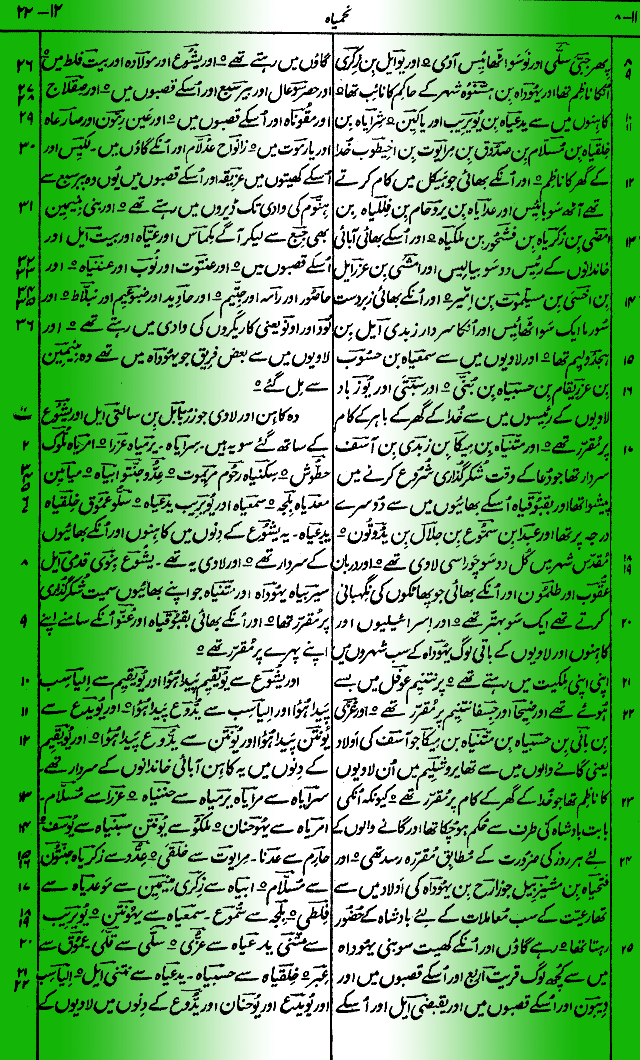
Nehemiah Chapter 11
Verse 8
-
Verse Text: And after him Gabbai Sallai nine hundred twenty and eight
-
English Explanation: Following the immediate leaders of the tribe of Benjamin, Gabbai and Sallai are named as prominent figures. Together with their kinsmen, they totaled 928 men established within the reconstructed city walls of Jerusalem, providing a significant civil defense and administrative backbone.
-
Urdu Explanation: بِنیامِین کے قبِیلے کے دِیگر رہنماؤں کے بعد گبّائی اور سلّائی کے نام آتے ہیں۔ اُن کے خاندان کے اَفراد کو مِلا کر کُل 928 مَرد یروشلِیم کے نو آباد عِلاقے میں مُقِیم تھے جو شہر کے اِنتظام اور دِفاع کے لیے اہم تھے۔
Verse 9
-
Verse Text: And Joel the son of Zichri was their overseer and Judah the son of Senuah was second over the city
-
English Explanation: This verse establishes the administrative hierarchy over the Benjamite settlers. Joel, son of Zichri, acted as the chief supervisor or military captain, while Judah, son of Senuah, served as the second-in-command (deputy governor) over civic management in Jerusalem.
-
Urdu Explanation: یہاں بِنیامِین کے قبِیلے کے اِنتظامی ڈھانچے کو واضِح کِیا گیا ہے۔ زِکری کا بَیٹا یُوایل اُن کا نِگراں اَعلیٰ تھا اور سنُوعہ کا بَیٹا یہُوداہ شہر کے اِنتظام میں دوسرے مَرتبے پر فائِز یعنی نائب ناظم تھا۔
Verse 10
-
Verse Text: Of the priests Jedaiah the son of Joiarib Jachin
-
English Explanation: The text shifts attention toward ecclesiastical administration. It lists the priestly lineage essential for restoring Temple operations, starting with Jedaiah, his relation to Joiarib, and Jachin, who belonged to leading priestly courses.
-
Urdu Explanation: اب دھِیان کاہنوں (مقدس خادمین) کی طرف مُنتقِل ہوتا ہے۔ ہَیکل کی عِبادت کی بحالی کے لیے کاہنوں کے خاندانوں کا ذِکر ہے جِس میں یہدَعیاہ جو کہ یاعَرِیب کا بَیٹا تھا اور یاکِین شامِل ہیں۔
Verse 11
-
Verse Text: Seraiah the son of Hilkiah the son of Meshullam the son of Zadok the son of Meraioth the son of Ahitub was the ruler of the house of God
-
English Explanation: Seraiah is designated as the chief official or high official (“ruler”) over the House of God. His extensive lineage traces back to Zadok and Hilkiah, proving his legitimate Levitical authority to manage temple provisions and enforce administrative laws.
-
Urdu Explanation: سَراِیاہ کو خُدا کے گھر (ہَیکل) کا مُنتظِمِ اَعلیٰ یا حاکِم مُقرّر کِیا گیا تھا۔ اُس کا شجرۂ نسب حِلقِیاہ، مَسُلّام، صادوق، مَرایوت اور اخِیطُوب سے ہوتا ہوا گُزرتا ہے جو ہَیکل کے اِنتظامات سَنبھالنے کے لیے اُس کے شرعی اِختیار کو ثابِت کرتا ہے۔
Verse 12
-
Verse Text: And their brethren that did the work of the house were eight hundred twenty and two and Adaiah the son of Jeroham the son of Pelaliah the son of Amzi the son of Zechariah the son of Pashur the son of Malchiah
-
English Explanation: This refers to 822 priests who carried out daily sacrificial and operational duties within the Temple. Adaiah, from a notable ancestral lineage, is highlighted as one of the chief figures leading these active daily ministers.
-
Urdu Explanation: اِس عائت میں 822 کاہنوں کا ذِکر ہے جو ہَیکل کے روزمرہ کے مذہبی اور عِبادتی فرائض انجام دیتے تھے۔ عَدایاہ (جِس کا شجرہ یَروحام، پَللیاہ، امصی، زَکَرِیاہ، فَسحُور اور مَلکِیاہ سے ہے) اِن سرگرم خادِموں میں نمایاں رہنما تھا۔
Verse 13
-
Verse Text: And his brethren chief of the fathers two hundred forty and two and Amashai the son of Azareel the son of Ahasai the son of Meshillemoth the son of Immer
-
English Explanation: Along with Adaiah, other patriarchal leaders numbered 242 men. Amashai, a descendant of Immer, is specifically registered here as a primary elder helping stabilize family successions inside Jerusalem.
-
Urdu Explanation: عَدایاہ کے ساتھ ساتھ دِیگر خاندانی سَربراہوں کی تعداد 242 تھی، جِن میں عَمَسَسای اہم تھا جو اِمّیر کی نسل سے تھا۔ یہ لوگ یروشلِیم کے اندر خاندانی نِظام اور اِنتظام کو برقرار رکھنے کے ذِمّہ دار تھے۔
Verse 14
-
Verse Text: And their brethren mighty men of valour an hundred twenty and eight and their overseer was Zabdiel the son of one of the great men
-
English Explanation: This verse identifies 128 elite priestly warriors (“mighty men of valour”) capable of defending the holy precincts during times of military crisis. Their commander was Zabdiel, who belonged to an influential aristocratic family.
-
Urdu Explanation: یہاں 128 جِسمانی اور رُوحانی طور پر مَزبُوط کاہن مَردوں (صاحِبِ زوراوں) کا ذِکر ہے جو ہَیکل اور شہر کی حِفاظت کی صلاحیت رکھتے تھے۔ اُن کا نِگراں زَبْدِیایل تھا جو ایک عِزّت دار اور عِظیم خاندان سے تعلُّق رکھتا تھا۔
Verse 15
-
Verse Text: Also of the Levites Shemaiah the son of Hashub the son of Azrikam the son of Hashabiah the son of Bunni
-
Explanation: The register shifts from priests to the Levites, who assisted the priests in temple operations. Shemaiah, a descendant of Bunni, is recorded as a principal representative of this order settling in Jerusalem.
-
Urdu Explanation: اب فِہرِست کاہنوں سے لاویوں کی طرف مُنتقِل ہوتی ہے جو ہَیکل کی عِبادت میں مددگار تھے۔ شَمعِیاہ (بِن حَسُّوب بِن عزرِیقائم بِن حَشَبِیاہ بِن بُنّی) کو یروشلِیم میں آباد ہونے والے لاویوں کے ایک اہم نُمائندے کے طور پر درج کِیا گیا ہے۔
Verse 16
-
Verse Text: And Shabbethai and Jozabad of the chief of the Levites had the oversight of the outward business of the house of God
-
English Explanation: Shabbethai and Jozabad were assigned to the “outward business” of the temple. This involved external administration, managing temple revenue, sourcing supplies, and coordinating logistics outside the immediate temple court.
-
Urdu Explanation: شَبّتائی اور یُوزآباد کو خُدا کے گھر کے “باہر کے کاموں” کی نِگرانی سونپی گئی تھی۔ اِس بیرونی اِنتظام میں ہَیکل کے مالی معاملات، رسد کا اِنتظام، اور صَنعتی کام شامِل تھے جو ہَیکل کی عمارت سے باہر ہوتے تھے۔
Verse 17
-
Verse Text: And Mattaniah the son of Micha the son of Zabdi the son of Asaph was the principal to begin the thanksgiving in prayer and Bakbukiah the second among his brethren and Abda the son of Shammua the son of Galal the son of Jeduthun
-
English Explanation: Mattaniah, a descendant of Asaph, was appointed to lead liturgical worship and choirs during thanksgiving prayers. Bakbukiah served as his primary deputy, and Abda, a descendant of Jeduthun, assisted in conducting temple music.
-
Urdu Explanation: مَتّنِیاہ (جو آسَف کی نسل سے تھا) کو عِبادت اور دُعا کے وقت شُکرگُزاری کی اِمامت یا قِیادت کے لیے مُقرّر کِیا گیا تھا؛ بَقبُقِیاہ اُس کا نائب تھا اور عبدَا (جو دُوتُون کی نسل سے تھا) ہَیکل کی موصِیقی اور تسبِیح خَوانی کا نِگراں تھا۔
Verse 18
-
Verse Text: All the Levites in the holy city were two hundred fourscore and four
-
English Explanation: The cumulative count of all Levites living inside the walls of the holy city of Jerusalem was 284. This relatively small number reflects the great need Nehemiah faced to populate and safeguard the city.
-
Urdu Explanation: مُقدّس شہر یروشلِیم کی دِیواروں کے اندر آباد ہونے والے تَمام لاویوں کی کُل تعداد 284 تھی۔ یہ تعداد ظاہِر کرتی ہے کہ شہر کی آبادی بڑھانے اور ہَیکل کی خدمت کے لیے کتنے لوگوں کی ضرورت تھی۔
Verse 19
-
Verse Text: Moreover the porters Akkub Talmon and their brethren that kept the gates were an hundred seventy and two
-
English Explanation: Gatekeepers (porters) led by Akkub and Talmon numbered 172. Their vital responsibility was protecting the entries and exits of the temple and city walls against pagan infiltration and ensuring structural security.
-
Urdu Explanation: دربانوں یا چوکِیداروں کی تعداد 172 تھی جِن کی قِیادت عَقُّوب اور طَلمون کر رہے تھے۔ اِن کا بنیادی کام ہَیکل اور شہر پناہ کے دروازوں کی حِفاظت کرنا تھا تاکہ کوئی غَیر مُقدّس شَخص یا دُشمن داخل نہ ہو سکے۔
Verse 20
-
Verse Text: And the residue of Israel of the priests and the Levites were in all the cities of Judah every one in his inheritance
-
English Explanation: While a select portion settled in Jerusalem, the remaining population of ordinary Israelites, priests, and Levites lived throughout the suburban towns of Judah, tending to their ancestral land inheritances.
-
Urdu Explanation: جبکہ ایک خاص حِصّہ یروشلِیم میں آباد ہوا، اسرائیل کے باقی ماندہ عام لوگ، کاہن اور لاوی یہُوداہ کے دِیگر تمام شہروں اور قصبات میں اپنی اپنی مَوروثی زِمینوں اور جائیدادوں پر رہتے تھے۔
Verse 21
-
Verse Text: But the Nethinims dwelt in Ophel and Ziha and Gispa were over the Nethinims
-
English Explanation: The Nethinim, who served as temple assistants performing manual labor, lived on the hill of Ophel, located close to the temple grounds. Ziha and Gispa were designated as their direct managers.
-
Urdu Explanation: نَتِینم (ہَیکل کے خادِم جو دَستی کام کاج کرتے تھے) عوفل کی پہاڑی پر رہتے تھے جو ہَیکل کے قِریب واقع تھی۔ ضِیحا اور گِسفا کو اُن کا نِگراں مُقرّر کِیا گیا تھا۔
Verse 22
-
Verse Text: The overseer also of the Levites at Jerusalem was Uzzi the son of Bani the son of Hashabiah the son of Mattaniah the son of Micha Of the sons of Asaph the singers were over the business of the house of God
-
English Explanation: Uzzi was selected as the regional overseer of all Levites stationed in Jerusalem. Notably, the descendants of Asaph, who functioned as temple singers, managed the practical daily functions and liturgies of the Temple.
-
Urdu Explanation: عُزّی (بِن بانی بِن حَشَبِیاہ بِن مَتّنِیاہ بِن مِیکا) کو یروشلِیم میں رہنے والے تمام لاویوں کا نِگراںِ اَعلیٰ بنایا گیا تھا۔ آسَف کی نسل سے تَعَلُّق رکھنے والے گانے والے (قوّال/ثناخواں) خُدا کے گھر کے عِبادتی اُمُور کے ذِمّہ دار تھے۔
Verse 23
-
Verse Text: For it was the king’s commandment concerning them that a certain portion should be for the singers due for every day
-
English Explanation: The Persian King Artaxerxes issued a royal decree securing a fixed daily allowance and financial portion for the temple singers, protecting their livelihood so they could focus entirely on worship music.
-
Urdu Explanation: فارس کے بادشاہ (ارتخشستا) کا یہ شاہی حُکم تھا کہ گانے والوں (ثناخواں) کے لیے روزانہ کا وظِیفہ یا خوراک کا حِصّہ مُقرّر کِیا جائے تاکہ وہ مالی فِکر سے آزاد ہو کر عِبادت کے اُمُور سَنبھال سکیں۔
Verse 24
-
Verse Text: And Pethahiah the son of Meshezabeel of the children of Zerah the son of Judah was at the king’s hand in all matters concerning the people
-
English Explanation: Pethahiah served as the Persian king’s direct representative or royal advisor for Jewish affairs (“at the king’s hand”). He acted as a mediator between the Persian crown and civil interests in Judah.
-
Urdu Explanation: فَتَحِیاہ (جو یہُوداہ کے بَیٹے زارَح کی نسل سے تھا) لوگوں کے تمام اُمُور کے سلسلے میں بادشاہ کا خاص کارِندہ یا مُشِیرِ اَعلیٰ تھا، جو فارسی حکومت اور یہودی عوام کے درمیان رابِطے کا کام کرتا تھا۔
Verse 25
-
Verse Text: And for the villages with their fields some of the children of Judah dwelt at Kirjath-arba and in the villages thereof and at Dibon and in the villages thereof and at Jekabzeel and in the villages thereof
-
English Explanation: This passage shifts to the geographical distribution of Judah’s tribe outside Jerusalem. Families reoccupied historic rural areas, including Kirjath-arba (Hebron), Dibon, and Jekabzeel, along with their surrounding agricultural farmlands.
-
Urdu Explanation: اِس حِصّے میں یروشلِیم سے باہر یہُوداہ کے قبِیلے کی آبادکاری کا ذِکر ہے۔ لوگ اپنے قدیم دیہاتوں اور کھیتوں میں آباد ہوئے جیسے قِریَتِ اربع (حَبرُون)، دِیبون، اور یکَبصِایل اور اُن کے گِردونواح کے دیہات۔
Verse 26
-
Verse Text: And at Jeshua and at Moladah and at Beth-phelet
-
English Explanation: The resettlement list continues, noting that Jewish families established themselves in southern territories like Jeshua, Moladah, and Beth-phelet, expanding their territorial presence.
-
Urdu Explanation: آبادکاری کی یہ فِہرِست جاری ہے، جِس میں بتایا گیا ہے کہ یہودی خاندان یَشُوع، مُولادہ، اور بَیتِ فَلَط کے عِلاقوں میں بھی آباد ہوئے۔
Verse 27
-
Verse Text: And at Hazar-shual and at Beer-sheba and in the villages thereof
-
Explanation: Judean families returned to Hazar-shual and Beer-sheba. Beer-sheba holds vast historical importance as the traditional southern boundary mark of ancient Israel.
-
Urdu Explanation: یہُوداہ کے لوگ حَصرُسُوعال اور بَیرسبَع اور اِس کے دیہات میں آباد ہوئے۔ بَیرسبَع قدیم اِسرائیل کی جنوبی سَرحد کے طور پر تاریخی اہمیت رکھتا ہے۔
Verse 28
-
Verse Text: And at Ziklag and at Mekonah and in the villages thereof
-
English Explanation: Families reclaimed Ziklag (famous as King David’s ancient refuge) and Mekonah, settling down along with their rural satellite villages to restore farming and agricultural production.
-
Urdu Explanation: لوگوں نے صِقلاگ (جو بادشاہ داؤد کی قدیم پناہ گاہ کے طور پر مَشہُور ہے) اور مَکُونہ اور اُن کے دیہاتوں میں دوبارہ اپنی بَستیاں قائم کِیں۔
Verse 29
-
Verse Text: And at En-rimmon and at Zareah and at Jarmuth
-
English Explanation: Settlement expanded further north and west into the lowlands, including the towns of En-rimmon, Zareah, and Jarmuth, which allowed for stable agricultural redevelopment.
-
Urdu Explanation: آبادی مَزِید آگے بڑھی اور لوگوں نے عَین رِمّون، صُرعہ، اور یرمُوت کے عِلاقوں پر دوبارہ قبضہ کِیا اور وہاں مَعاشی زِندگی بحال کِئی۔
Verse 30
-
Verse Text: Zanoah Adullam and in their villages at Lachish and the fields thereof at Azekah and in the villages thereof And they dwelt from Beer-sheba unto the valley of Hinnom
-
English Explanation: This outlines the full expansion of the tribe of Judah. They settled from Beer-sheba in the far south all the way to the Valley of Hinnom, just outside Jerusalem, asserting control over historic fortress cities like Lachish and Azekah.
-
Urdu Explanation: یہ یہُوداہ کے قبِیلے کی بَستیوں کی کُل حدود کو واضِح کرتا ہے۔ وہ جنوب میں بَیرسبَع سے لے کر یروشلِیم کے قِریب ہِنّوم کی وادی تک آباد تھے، جِس میں لاکِیس اور عَزِیقہ جیسے قلعہ بند شہر شامِل تھے۔
Verse 31
-
Verse Text: The children also of Benjamin from Geba dwelt at Michmash and Aija and Bethel and in their villages
-
English Explanation: This marks the regional log for the tribe of Benjamin. They populated the strategic northern approach to Jerusalem, establishing communities in Geba, Michmash, Aija, and Bethel.
-
Urdu Explanation: یہاں سے بِنیامِین کے قبِیلے کی آبادکاری کا ذِکر شُرُوع ہوتا ہے۔ انہوں نے یروشلِیم کے شِمالی حِصّوں کو آباد کِیا، جیسے جِبع، مِکماس، عَیّاہ اور بَیت ایل۔
Verse 32
-
Verse Text: And at Anathoth Nob Ananiah
-
English Explanation: Benjaminite families also lived in Anathoth (the historic home city of the prophet Jeremiah), Nob (the historical city of priests), and Ananiah.
-
Urdu Explanation: بِنیامِین کے خاندان عناتَوت (یرمِیاہ نبی کا آبائی شہر)، نُوب (کاہنوں کا قدیم شہر)، اور عَنَنِیاہ میں بھی آباد ہوئے۔
Verse 33
-
Verse Text: Hazor Ramah Gittaim
-
English Explanation: The territorial expansion of Benjamin included the towns of Hazor, Ramah, and Gittaim, ensuring key defensive positions north of Judah.
-
Urdu Explanation: بِنیامِین کی سَرحدوں میں حاصُور، رامہ، اور جِتّائیم کے شہر بھی شامِل تھے، جو شِمال کی طرف سے حِفاظت کے لیے اہم تھے۔
Verse 34
-
Verse Text: Hadid Zeboim Neballat
-
English Explanation: Further cities populated by the Benjamites included Hadid, Zeboim, and Neballat, reclaiming locations abandoned during the Babylonian captivity.
-
Urdu Explanation: بِنیامِین کے لوگوں نے حدِید، صَبُوعِیم اور نَبَلّاط کے عِلاقوں کو بھی دوبارہ آباد کِیا جو بابل کی اَسِیری کے دوران ویران ہو گئے تھے۔
Verse 35
-
Verse Text: Lod and Ono the valley of craftsmen
-
English Explanation: Lod and Ono were inhabited, alongside the adjoining valley known historically as the valley of craftsmen (Ge-Haharashim), notable for its specialized local economy and metalworkers.
-
Urdu Explanation: لُد اور اونو کو بھی آباد کِیا گیا، اور اِس کے ساتھ مِستریوں یا کاریگروں کی وادی (وادیٔ صَنع کاراں) تھی جو اپنی مَقامی مَعیشت اور ہُنرمندوں کی وجہ سے مَشہُور تھی۔
Verse 36
-
Verse Text: And of the Levites were divisions in Judah and in Benjamin
-
English Explanation: To ensure spiritual education and scriptural leadership throughout the nation, divisions of Levites were strategically distributed among both the tribal lands of Judah and Benjamin.
-
Urdu Explanation: ساری قوم میں رُوحانی تعلِیم اور رہنمائی کو برقرار رکھنے کے لیے، لاویوں کے گروہوں کو یہُوداہ اور بِنیامِین دونوں کے عِلاقوں میں حِکمتِ عَملی کے ساتھ تَقسِیم کِیا گیا تھا۔
Nehemiah Chapter 12
Verse 1
-
Verse Text: Now these are the priests and the Levites that went up with Zerubbabel the son of Shealtiel and Jeshua Seraiah Jeremiah Ezra
-
English Explanation: Chapter 12 begins by documenting the historical generations of religious leaders. This verse lists the priests who returned from Babylon years earlier during the first historic migration wave led by Governor Zerubbabel and the High Priest Jeshua.
-
Urdu Explanation: باب 12 کا آغاز مذہبی رہنماؤں کی تاریخی نسلوں کے اِندراج سے ہوتا ہے۔ اِس عائت میں اُن کاہنوں کے نام ہیں جو برسوں پہلے بابل سے پہلی ہِجرت کے دوران زرُبّابل (حاکِم) اور یَشُوع (کاہنِ اَعظم) کے ساتھ واپس لوٹے تھے۔
Verse 2
-
Verse Text: Amariah Malluch Hattush
-
English Explanation: The lineage list continues, naming Amariah, Malluch, and Hattush as patriarchal heads of priestly families who helped lay the foundations of the second Temple.
-
Urdu Explanation: کاہنوں کی فِہرِست جاری ہے، جِس میں اَمَرِیاہ، ملُّوک اور حتُّوش کے نام شامِل ہیں جو ہَیکلِ ثانی کی بُنیاد رکھنے والے خاندانی سَربراہ تھے۔
Verse 3
-
Verse Text: Shechaniah Rehum Meremoth
-
English Explanation: This verse identifies Shechaniah, Rehum, and Meremoth as additional leaders of priestly divisions responsible for administering sanctuary duties in the early post-exilic community.
-
Urdu Explanation: اِس عائت میں سَعَنِیاہ، رَحُوم، اور مَرِیموت کی نِشاندِہی کی گئی ہے جو جلاوطنی کے بعد قائم ہونے والی برادری میں ہَیکل کے فرائض کے ذِمّہ دار تھے۔
Verse 4
-
Verse Text: Iddo Ginnetho Abijah
-
English Explanation: Iddo, Ginnetho, and Abijah are listed. Notably, Abijah is the head of the priestly course from which John the Baptist’s father, Zechariah, would eventually descend (Luke 1:5).
-
Urdu Explanation: عِدّو، جِنتو، اور ابِیاہ کے نام درج ہیں۔ یاد رہے کہ ابِیاہ اُس کاہن عِلاقے یا گَروہ کا سَربراہ تھا جِس کی نسل سے آگے چل کر یُوحنّا عِبادتی (Baptist) کے والِد زَکَرِیاہ پَیدا ہوئے (لُوقا 1:5)۔
Verse 5
-
Verse Text: Miamin Maadiah Bilgah
-
English Explanation: Continuous record of the priestly courses that returned with Zerubbabel, highlighting Miamin, Maadiah, and Bilgah as heads of their respective paternal houses.
-
Urdu Explanation: زرُبّابل کے ساتھ واپس آنے والے کاہنوں کے گروہوں کا مُستقِل ریکارڈ، جِس میں مِیامِین، مَعَدْیاہ اور بِلگاہ کو اُن کے آبائی خاندانوں کے سربراہوں کے طور پر دِکھایا گیا ہے۔
Verse 6
-
Verse Text: Shemaiah and Joiarib Jediah
-
English Explanation: Shemaiah, Joiarib, and Jediah are recorded. Joiarib’s course is historical and prominent, later producing the Maccabean leadership line during the Intertestamental period.
-
Urdu Explanation: شَمعِیاہ، یاعَرِیب اور یدَعیاہ کا ذِکر ہے۔ یاعَرِیب کا خاندان تاریخی طور پر نہایت اہم ہے، جِس کی نسل سے آگے چل کر مکابی دَور کے رہنما پَیدا ہوئے۔
Verse 7
-
Verse Text: Sallu Amok Hilkiah Jedaiah These were the chief of the priests and of their brethren in the days of Jeshua
-
English Explanation: This concludes the primary list of priests who returned in the initial exodus from Babylon, identifying Sallu, Amok, Hilkiah, and Jedaiah as the prominent priestly chiefs during the lifetime of Jeshua the High Priest.
-
Urdu Explanation: یہ اُن کاہنوں کی بنیادی فِہرِست کا اِختتام ہے جو بابل سے پہلی ہِجرت میں آئے تھے۔ سلُّو، عَمُوق، حِلقِیاہ اور یدَعیاہ یَشُوع کاہنِ اَعظم کے زمانے میں کاہنوں کے اَعلیٰ سَربراہ تھے۔
Verse 8
-
Verse Text: Moreover the Levites Jeshua Binnui Kadmiel Sherebiah Judah and Mattaniah which was over the thanksgiving he and his brethren
-
English Explanation: The record transitions to the historical Levites of Zerubbabel’s era. It names Jeshua, Binnui, Kadmiel, Sherebiah, Judah, and Mattaniah, noting that Mattaniah specifically directed the choirs and thanksgiving songs.
-
Urdu Explanation: اب ریکارڈ زرُبّابل کے دَور کے تاریخی لاویوں کی طرف جاتا ہے۔ یَشُوع، بِنُّوئی، قَدْمِیایل، شَربِیاہ، یہُوداہ اور مَتّنِیاہ کے نام شامِل ہیں؛ مَتّنِیاہ خاص طور پر شُکرگُزاری کے گِیتوں کی قِیادت کرتا تھا۔
Verse 9
-
Verse Text: Also Bakbukiah and Unni their brethren were over against them in the watches
-
English Explanation: Bakbukiah and Unni are identified as Levitical leaders who stood opposite their kinsmen to perform responsibilities in alternating shifts (“watches”) during liturgical service.
-
Urdu Explanation: بَقبُقِیاہ اور عُنّی کی پہچان لاوی رہنماؤں کے طور پر کی گئی ہے جو ہَیکل کی عِبادت اور چوکِیداری کے دوران باری باری (شِفٹ وائز) اپنے بھائیوں کے سامنے فرض انجام دیتے تھے۔
Verse 10
-
Verse Text: And Jeshua begat Joiakim Joiakim also begat Eliashib and Eliashib begat Joiada
-
English Explanation: This passage tracks the high priestly succession list over several generations, tracing from Jeshua (contemporary of Zerubbabel) to Joiakim, followed by Eliashib (Nehemiah’s contemporary), and then Joiada.
-
Urdu Explanation: یہ آیت کئی نسلوں پر مُحیط کاہنِ اَعظم کے خاندان کے شجرۂ نسب کو واضِح کرتی ہے: یَشُوع سے یُویاقِیم پَیدا ہوا، یُویاقِیم سے اِلیاسِب (نحمیاہ کا ہمعصر) اور اِلیاسِب سے یُویادَع پَیدا ہوا۔
Verse 11
-
Verse Text: And Joiada begat Jonathan and Jonathan begat Jaddua
-
English Explanation: The genealogy continues down to the final historical layers of the Old Testament record, noting Joiada fathered Jonathan, and Jonathan fathered Jaddua (who historical sources suggest was high priest around the rise of Alexander the Great).
-
Urdu Explanation: شجرۂ نسب کا عِلاقہ عِہدِ عتِیق (پرانے عِہدنامے) کے آخری تاریخی دَور تک پہنچتا ہے: یُویادَع سے یُوناتن اور یُوناتن سے یدُّوع پَیدا ہوا (تاریخی ذرائع کے مطابق یدُّوع سِکندرِ اَعظم کے دَور کا کاہنِ اَعظم تھا)۔
Verse 12
-
Verse Text: And in the days of Joiakim were priests the chief of the fathers of Seraiah Meraiah of Jeremiah Hananiah
-
English Explanation: The text profiles the next generation of priestly leaders serving under High Priest Joiakim. Meraiah represents the house of Seraiah, and Hananiah represents the family line of Jeremiah.
-
Urdu Explanation: یہاں کاہنِ اَعظم یُویاقِیم کے دَور میں خدمت کرنے والے اگلی نسل کے کاہنوں کا ذِکر ہے۔ سَراِیاہ کے خاندان سے مَرایاہ اور یرمِیاہ کے خاندان سے حَنَنِیاہ رہنما تھا۔
Verse 13
-
Verse Text: Of Ezra Meshullam of Amariah Jehohanan
-
English Explanation: Continuing the Joiakim-era register, Meshullam is listed as the leader of the priestly house of Ezra, and Jehohanan led the priestly line of Amariah.
-
Urdu Explanation: یُویاقِیم کے دَور کے ریکارڈ کو جاری رکھتے ہوئے، عِزرا کے خاندانی گَروہ کا سَربراہ مَسُلّام اور اَمَرِیاہ کے خاندان کا سَربراہ یہوحانان بتایا گیا ہے۔
Verse 14
-
Verse Text: Of Melicu Jonathan of Shebaniah Joseph
-
English Explanation: Jonathan is recorded as heading the priestly house of Melicu (referred to as Malluch in verse 2), while Joseph directed the family responsibilities of Shebaniah.
-
Urdu Explanation: مَلِیکو کے خاندان کا سربراہ یُوناتن درج ہے (جِس کا ذِکر آیت 2 میں ملُّوک کے نام سے ہے)، جبکہ شَبَنِیاہ کے خاندانی اُمُور کی ذِمّہ داری یُوسُف کے پاس تھی۔
Verse 15
-
Verse Text: Of Harim Adna of Meraioth Helkai
-
English Explanation: Adna is listed as the head representing the house of Harim, while Helkai led the priestly house of Meraioth during this transitional era.
-
Urdu Explanation: اِس دَور کے دوران حارِم کے خاندان کی نُمائندگی کے لیے عَدنا کا نام ہے اور مَرایوت کے کاہن خاندان کی قِیادت حِلقائی کر رہا تھا۔
Verse 16
-
Verse Text: Of Iddo Zechariah of Ginnethon Meshullam
-
English Explanation: Zechariah is recorded as the leader of the house of Iddo (this is Zechariah the prophet, author of the Book of Zechariah), while Meshullam headed the family course of Ginnethon.
-
Urdu Explanation: عِدّو کے خاندان کا رہنما زَکَرِیاہ درج ہے (یہ وہی زَکَرِیاہ نبی ہیں جو صَحِیفہ زَکَرِیاہ کے مُصنّف ہیں)، جبکہ مَسُلّام جِنتون کے خاندانی گَروہ کا سَربراہ تھا۔
Verse 17
-
Verse Text: Of Abijah Zichri of Miniamin of Moadiah Piltai
-
English Explanation: Zichri served as the patriarchal head of the house of Abijah, and Piltai led the combined or related priestly lines of Miniamin and Moadiah.
-
Urdu Explanation: زِکری نے ابِیاہ کے خاندان کے سَربراہ کے طور پر خِدمت کی، اور پِلطائی نے مِنیامِین اور مُوعَدْیاہ کے کاہن خاندانوں کی قِیادت سَنبھالی۔
Verse 18
-
Verse Text: Of Bilgah Shammua of Shemaiah Jehonathan
-
English Explanation: Shammua is recorded as the active ancestral head of the family of Bilgah, and Jehonathan served as leader over the house of Shemaiah.
-
Urdu Explanation: بِلگاہ کے خاندان کے سرگرم رہنما کے طور پر شَمُّوع کا نام درج ہے، اور یہوناتن نے شَمعِیاہ کے گھرانے کے سَربراہ کے طور پر خِدمت انجام دی۔
Verse 19
-
Verse Text: And of Joiarib Mattenai of Jedaiah Uzzi
-
English Explanation: Mattenai is listed as the chief official leading the house of Joiarib, while Uzzi directed the operations for the priestly line of Jedaiah.
-
Urdu Explanation: مَتّنانی کو یاعَرِیب کے خاندان کا سَربراہ بتایا گیا ہے، جبکہ عُزّی نے یدَعیاہ کے کاہن خاندان کے اِنتظامات کی قِیادت کی۔
Verse 20
-
Verse Text: Of Sallai Kallai of Amok Eber
-
English Explanation: Kallai is registered as heading the priestly family course of Sallai (referred to as Sallu in verse 7), while Eber led the house of Amok.
-
Urdu Explanation: کلّائی کو سلّائی کے خاندان کا سَربراہ درج کِیا گیا ہے (جِس کا ذِکر آیت 7 میں سلُّو کے نام سے ہے)، جبکہ عیبر عَمُوق کے خاندان کا نِگراں تھا۔
Verse 21
-
Verse Text: Of Hilkiah Hashabiah of Jedaiah Nethaneel
-
English Explanation: Hashabiah is recorded as leading the family house of Hilkiah, and Nethaneel served as the leader over the priestly house of Jedaiah during Joiakim’s high priesthood.
-
Urdu Explanation: حِلقِیاہ کے خاندان کی قِیادت حَشَبِیاہ کے پاس درج ہے، اور نتَنایل نے یُویاقِیم کی کِہانتِ اَعظم کے دَور میں یدَعیاہ کے کاہن خاندان کے رہنما کے طور پر خِدمت کی۔
Verse 22
-
Verse Text: The Levites in the days of Eliashib Joiada and Johanan and Jaddua were recorded chief of the fathers also the priests to the reign of Darius the Persian
-
English Explanation: This verse indicates that Levitical and priestly genealogical registries were continually maintained through successive high priests (Eliashib, Joiada, Johanan, Jaddua) up until the historical reign of Darius the Persian, validating the historical preservation of spiritual lineages.
-
Urdu Explanation: اِس آیت سے واضِح ہوتا ہے کہ لاویوں اور کاہنوں کے خاندانی شجروں کا ریکارڈ پَے در پَے کاہنِ اَعظم (اِلیاسِب، یُویادَع، یہوحانان، اور یدُّوع) کے دَور سے لے کر فارس کے بادشاہ دارا کے عہدِ حکومت تک باقاعدگی سے رکھا جاتا رہا تاکہ رُوحانی نسلوں کی تصدِیق قائم رہے۔