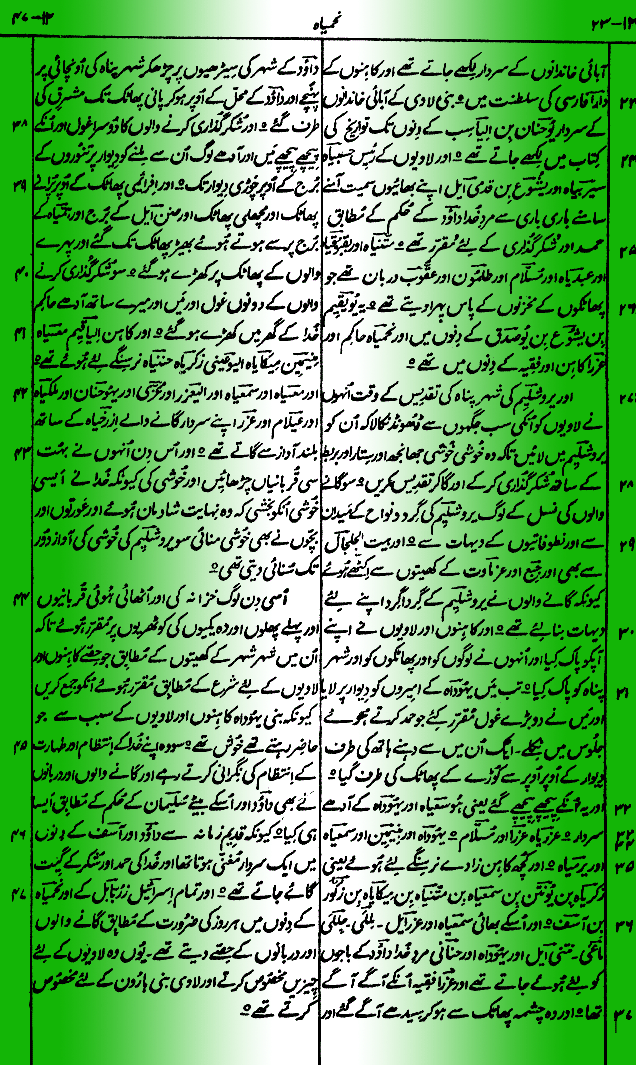
Verse-by-Verse Commentary & Explanation
Nehemiah 12:23
Verse: The sons of Levi the chief of the fathers were written in the book of the chronicles even until the days of Johanan the son of Eliashib
English Explanation
This verse emphasizes historical accountability and structural continuity. The names of the ancestral heads of the Levites were meticulously preserved in the official historical archives (“the book of the chronicles”) up to the generation of Johanan, the grandson of Eliashib the high priest. This meticulous record-keeping underscored the legitimacy of the priesthood, ensuring that only those with proven, sacred lineage managed the temple operations. It highlights that God values order, lineage, and the honoring of faithful ancestral roots.
Urdu Explanation
یہ آیت تاریخی جوابدہی اور تنظیمی تسلسل پر زور دیتی ہے۔ لاویوں کے خاندانی سربراہوں کے نام سرکاری تاریخی ریکارڈ (“تواریخ کی کتاب”) میں سردار کاہن الیاسب کے پوتے یوحنان کے دور تک باقاعدہ درج کیے گئے تھے۔ یہ تفصیلی ریکارڈ کاہنوں کی قانونی حیثیت کو یقینی بنانے کے لیے ضروری تھا تاکہ صرف وہی لوگ ہیکل کے مقدس فرائض سرانجام دیں جن کا سلسلہ نسب درست ہو۔ یہ اس بات کو ظاہر کرتا ہے کہ خدا ترتیب، نسل اور اپنے وفادار خادموں کی یادگار کو کتنی اہمیت دیتا ہے۔
Nehemiah 12:24
Verse: And the chief of the Levites Hashabiah Sherebiah and Jeshua the son of Kadmiel with their brethren over against them to praise and to give thanks according to the commandment of David the man of God ward over against ward
English Explanation
Nehemiah highlights the organization of choral groups and worship responses. Leaders like Hashabiah, Sherebiah, and Jeshua led opposing choirs (“ward over against ward”) to practice antiphonal worship—where one group sings a line and the other responds. This pattern of worship was not randomized; it directly followed the historical mandate established by King David, “the man of God.” It shows that public worship should be structured, excellent, and deeply rooted in godly traditions.
Urdu Explanation
نحمیاہ یہاں عبادت گزاروں اور کورس (طائفوں) کی ترتیب کو واضح کرتا ہے۔ ہسبیاہ، سربیاہ، اور یشوع بن قدمیال جیسے رہنماؤں نے آمنے سامنے کھڑے ہو کر باری باری گانے والے گروہوں کی قیادت کی تاکہ جوابی گائیکی (Antiphonal Worship) کا نظام قائم کیا جا سکے۔ عبادت کا یہ طریقہ کار کوئی حادثاتی نہیں تھا، بلکہ یہ براہِ راست خدا کے مردِ خدا، داؤد بادشاہ کے حکم کے مطابق تھا۔ یہ ظاہر کرتا ہے کہ عوامی عبادت کو منظم، پروقار اور الٰہی روایات کے مطابق ہونا چاہیے۔
Nehemiah 12:25
Verse: Mattaniah and Bakbukiah Obadiah Meshullam Talmon Akkub were porters keeping the ward at the thresholds of the gates
English Explanation
This verse shifts focus to the security and practical operations of the temple. Men like Mattaniah, Bakbukiah, and others served as gatekeepers (porters). Their job was not merely to open doors but to guard the thresholds, ensuring that nothing spiritually unclean or physically threatening entered the sacred spaces. In biblical stewardship, practical duties like security and maintenance are viewed as holy assignments equal in importance to singing or preaching.
Urdu Explanation
یہ آیت ہیکل کی سیکورٹی اور عملی انتظامات کی طرف توجہ مبذول کراتی ہے۔ متنیاہ، بقبقیاہ اور دیگر اشخاص دربانوں کے طور پر خدمت سرانجام دے رہے تھے۔ ان کا کام صرف دروازے کھولنا نہیں تھا بلکہ ڈیوڑھیوں کی حفاظت کرنا تھا تاکہ کوئی بھی ناپاک چیز یا بیرونی خطرہ ہیکل کے مقدس احاطے میں داخل نہ ہو سکے۔ بائبل کے نقطہ نظر سے، سیکورٹی اور دیکھ بھال جیسے عملی فرائض بھی اتنے ہی مقدس اور اہم ہیں جتنا کہ گانا گانا یا وعظ کرنا۔
Nehemiah 12:26
Verse: These were in the days of Joiakim the son of Jeshua the son of Jozadak and in the days of Nehemiah the governor and of Ezra the priest the scribe
English Explanation
This verse provides a historical anchor for the listed individuals. It connects the generations by showing that these ministers served during a critical intersection of history: the high priesthood of Joiakim and the joint civil-spiritual leadership of Nehemiah the governor and Ezra the scribe. This demonstrates the powerful outcome when effective civic management (Nehemiah) and sound scriptural teaching (Ezra) work hand in hand to establish a community.
Urdu Explanation
یہ آیت مذکورہ بالا افراد کے وقت اور دور کا ایک تاریخی تعین کرتی ہے۔ یہ ظاہر کرتی ہے کہ ان خادموں نے تاریخ کے ایک انتہائی اہم موڑ پر خدمات سرانجام دیں: یعنی یویاقیم کی سردار کہانت کے دور میں، اور نحمیاہ گورنر اور عزرا کاہن و فقیہ کی مشترکہ سیاسی و روحانی قیادت کے سائے میں۔ یہ اس بات کا ثبوت ہے کہ جب بہترین شہری انتظام (نحمیاہ) اور درست کلامی تعلیم (عزرا) مل کر کام کرتے ہیں تو ایک بہترین معاشرہ وجود میں آتا ہے۔
Nehemiah 12:27
Verse: And at the dedication of the wall of Jerusalem they sought the Levites out of all their places to bring them to Jerusalem to keep the dedication with gladness both with thanksgivings and with singing with cymbals psalteries and with harps
English Explanation
The physical completion of the wall culminates in a spiritual celebration. The leaders searched throughout the surrounding regions to gather all available Levites to Jerusalem. The dedication was characterized by immense joy, corporate thanksgiving, and professional musical instrumentation (cymbals, stringed psalteries, and harps). This reveals that completing a major project is not just a civic success; it is a spiritual milestone that deserves celebratory gratitude toward God.
Urdu Explanation
یروشلم کی دیوار کی مادی تکمیل ایک عظیم روحانی جشن پر منتج ہوتی ہے۔ رہنماؤں نے ارد گرد کے تمام علاقوں سے لاویوں کو تلاش کر کے یروشلم میں اکٹھا کیا۔ اس تقدیس کے دن کا خاصہ بے پناہ خوشی، اجتماعی شکرگزاری، اور موسیقی کے سازوں (جھانجھ، بربط اور ستاروں) کا بھرپور استعمال تھا۔ یہ اس بات کو ظاہر کرتا ہے کہ کسی بڑے منصوبے کی تکمیل محض ایک شہری کامیابی نہیں ہوتی، بلکہ یہ ایک روحانی سنگِ میل ہے جو خدا کے حضور شکرگزاری اور جشن کا تقاضا کرتا ہے۔
Nehemiah 12:28
Verse: And the sons of the singers gathered themselves together both out of the plain country round about Jerusalem and from the villages of Netophathi
English Explanation
To build an atmosphere of overwhelming praise, the vocalists and musicians were summoned from their suburban settlements. The “sons of the singers” converged on the capital from the plains surrounding Jerusalem and the specialized settlements of Netophathi. This highlights the unity and responsiveness of God’s people; when the call to worship was issued, they abandoned their private domains to prioritize the corporate glorification of God.
Urdu Explanation
خدا کی حمد و ثنا کا ایک عظیم ماحول پیدا کرنے کے لیے، گانے والوں اور موسیقاروں کو ان کی مضافاتی بستیوں سے بلایا گیا۔ گانے والوں کی اولادیں یروشلم کے ارد گرد کے میدانوں اور نطوفاتی کے دیہاتوں سے مرکز کی طرف جمع ہوئیں۔ یہ خدا کے لوگوں کے اتحاد اور ان کی فرمانبرداری کو ظاہر کرتا ہے؛ جب عبادت کی پکار آئی، تو انہوں نے خدا کی اجتماعی تمجید کو اولیت دینے کے لیے اپنی نجی مصروفیات کو چھوڑ دیا۔
Nehemiah 12:29
Verse: Also from the house of Gilgal and out of the fields of Geba and Azmaveth for the singers had builded them villages round about Jerusalem
English Explanation
This verse continues tracking the geographical origin of the worshipers, mentioning Gilgal, Geba, and Azmaveth. Because these singers lived in close proximity to Jerusalem in villages they built themselves, they were readily available for temple service. It shows the practical wisdom of setting up one’s lifestyle, location, and community in a way that supports and facilitates prompt service to God’s house.
Urdu Explanation
یہ آیت عبادت گزاروں کے جغرافیائی پس منظر کو جاری رکھتے ہوئے بیت الجلجال، جبع اور عزموت کے میدانوں کا ذکر کرتی ہے۔ چونکہ ان گانے والوں نے یروشلم کے ارد گرد اپنے لیے دیہات تعمیر کیے تھے، اس لیے وہ ہیکل کی خدمت کے لیے ہر وقت تیار اور قریب دستیاب تھے۔ یہ اس عملی دانشمندی کو ظاہر کرتا ہے کہ انسان کو اپنی طرزِ زندگی اور رہائش کو اس طرح ترتیب دینا چاہیے جو خدا کے گھر کی فوری خدمت میں مددگار ثابت ہو۔
Nehemiah 12:30
Verse: And the priests and the Levites purified themselves and purified the people and the gates and the wall
English Explanation
Before any celebration or processing could begin on the physical walls, ritual and spiritual purification was mandatory. The leaders (priests and Levites) first purified themselves, then the congregation, and finally the physical gates and walls. This underscores an eternal biblical principle: before dedicating public infrastructure or work to God, the hearts of the people performing the work must be cleansed and consecrated.
Urdu Explanation
دیواروں پر کسی بھی جشن یا جلوس کے آغاز سے پہلے، رسمی اور روحانی پاکیزگی لازمی تھی۔ رہنماؤں (کاہنوں اور لاویوں) نے پہلے اپنے آپ کو پاک کیا، پھر عوام کو، اور آخر میں مادی دروازوں اور دیوار کو پاک کیا۔ یہ ایک ابدی بائبل اصول پر زور دیتا ہے: اس سے پہلے کہ ہم کسی مادی کام یا عمارت کو خدا کے نام منسوب کریں، کام کرنے والوں کے دلوں کا پاک اور مخصوص ہونا ضروری ہے۔
Nehemiah 12:31
Verse: Then I brought up the princes of Judah upon the wall and appointed two great companies of them that gave thanks whereof one went on the right hand upon the wall toward the dung gate
English Explanation
Nehemiah orchestrates a massive, strategic procession. He brings the civil leaders (princes) up onto the top of the wide wall and divides the praise leaders into two massive thanksgiving choirs. The first company processed to the right side of the wall, marching toward the Dung Gate. Marching on the wall was a public demonstration of its strength, proving to their enemies that the rebuilt ruins were now solid, secure, and dedicated to the Lord.
Urdu Explanation
نحمیاہ یہاں ایک عظیم اور تزویراتی (Strategic) جلوس کا اہتمام کرتا ہے۔ وہ شہری رہنماؤں (امیروں) کو وسیع دیوار کے اوپر لاتا ہے اور شکرگزاری کرنے والوں کے دو بڑے طائفے مقرر کرتا ہے۔ پہلا گروہ دیوار کے دائیں جانب کوڑا پھاٹک کی طرف بڑھا۔ دیوار کے اوپر مارچ کرنا اس کی مضبوطی کا عوامی مظاہرہ تھا، جو دشمنوں پر ثابت کرتا تھا کہ تعمیر شدہ کھنڈرات اب مضبوط، محفوظ اور خدا کے لیے وقف ہو چکے ہیں۔
Nehemiah 12:32
Verse: And after them went Hoshaiah and half of the princes of Judah
English Explanation
This verse details the order of the first procession. Hoshaiah, a prominent leader, walked directly behind the first great choir, accompanied by half of the civil administrators of Judah. This represents total alignment between the religious worship leaders and the political/civil rulers, modeling a community where governance and devotion walk in perfect alignment under God’s sovereignty.
Urdu Explanation
یہ آیت پہلے جلوس کی ترتیب کی تفصیل بتاتی ہے۔ ہوشعیاہ، جو کہ ایک ممتاز رہنما تھا، پہلے بڑے طائفے کے ٹھیک پیچھے چلا اور اس کے ساتھ یہوداہ کے آدھے امیر (حکام) تھے۔ یہ مذہبی عبادتی رہنماؤں اور سیاسی و شہری حکام کے مابین کامل ہم آہنگی کو ظاہر کرتا ہے، جو ایک ایسے معاشرے کی عکاسی کرتا ہے جہاں حکومت اور عقیدت خدا کی حاکمیت کے تحت ایک ساتھ چلتے ہیں۔
Nehemiah 12:33
Verse: And Azariah Ezra and Meshullam
English Explanation
The text continues listing the specific names of the key priests, leaders, and influencers participating in this triumphant march. Men like Azariah, Ezra (not the scribe, but a priest of the same name), and Meshullam lent their presence to the procession, validating the community’s restoration and lending historical and spiritual weight to the celebration.
Urdu Explanation
متن میں ان اہم کاہنوں، رہنماؤں اور بااثر شخصیات کے مخصوص ناموں کی فہرست جاری رکھی گئی ہے جو اس فتح مند مارچ میں شریک تھے۔ عزریاہ، عزرا (یہ فقیہ عزرا نہیں بلکہ اسی نام کے ایک کاہن ہیں) اور مسلام نے جلوس میں اپنی موجودگی سے رونق بڑھائی، جو کمیونٹی کی بحالی کی تصدیق اور اس جشن کو تاریخی و روحانی وزن بخشنے کا سبب بنا۔
Nehemiah 12:34
Verse: Judah and Benjamin and Shemaiah and Jeremiah
English Explanation
Members from the key tribes of Judah and Benjamin, alongside prominent leaders Shemaiah and Jeremiah, joined this processional line. The mention of these core tribes reinforces the motif of covenant restoration. It shows that despite decades of exile, the core tribal identity and unity of God’s people remained intact and focused on praising God.
Urdu Explanation
یہوداہ اور بنیمین کے اہم قبیلوں کے ارکان، اور نامور رہنما سمعیاہ اور یرمیاہ اس جلوس کی لائن میں شامل ہوئے۔ ان بنیادی قبیلوں کا ذکر عہد کی بحالی کے نظریے کو تقویت دیتا ہے۔ یہ ظاہر کرتا ہے کہ کئی دہائیوں کی جلاوطنی کے باوجود، خدا کے لوگوں کی قبائلی شناخت اور اتحاد برقرار رہا اور ان کی توجہ خدا کی حمد و ثنا پر مرکوز رہی۔
Nehemiah 12:35
Verse: And certain of the priests’ sons with trumpets namely Zechariah the son of Jonathan the son of Shemaiah the son of Mattaniah the son of Michaiah the son of Zaccur the son of Asaph
English Explanation
A select group of priestly descendants carried trumpets to sound alarms and proclamations of joy. The text traces the lineage of Zechariah all the way back to Asaph, King David’s chief musician. This extensive genealogy validates Zechariah’s spiritual authority to sound the trumpet, establishing a direct legacy connection to the golden era of Israelite worship.
Urdu Explanation
کاہنوں کے بیٹوں کا ایک مخصوص گروہ خوشی کے اعلانات اور بگل بجانے کے لیے نرسنگے (ترپتیاں) لیے ہوئے تھا۔ متن میں زکریا کے نسب نامے کو پیچھے لے جاتے ہوئے آصف تک پہنچایا گیا ہے، جو داؤد بادشاہ کا خاص موسیقار تھا۔ یہ طویل شجرہ نسب زکریا کو نرسنگا بجانے کا روحانی حق اور اختیار دیتا ہے، اور اسرائیل کی عبادتی تاریخ کے سنہری دور کے ساتھ ایک براہِ راست تعلق قائم کرتا ہے۔
Nehemiah 12:36
Verse: And his brethren Shemaiah and Azarael Milalai Gilalai Maai Nethaneel and Judah Hanani with the musical instruments of David the man of God and Ezra the scribe before them
English Explanation
This verse identifies the remaining musicians in the first group who played instruments traditionally designed or authorized by King David. Critically, Ezra the scribe led this entire first contingent. Having Ezra—the nation’s foremost spiritual and biblical authority—leading the first group underscored that their joy was entirely grounded in the Word of God and scriptural obedience.
Urdu Explanation
یہ آیت پہلے گروپ کے باقی ماندہ موسیقاروں کی نشاندہی کرتی ہے جو ان سازوں کو بجا رہے تھے جو روایتی طور پر داؤد مردِ خدا کے تیار کردہ یا منظور شدہ تھے۔ اہم بات یہ ہے کہ عزرا فقیہ اس پورے پہلے گروہ کی قیادت کر رہے تھے۔ قوم کی سب سے بڑی روحانی اور کلامی اتھارٹی یعنی عزرا کا اس پہلے گروپ کی قیادت کرنا اس بات کا ثبوت تھا کہ ان کی خوشی کا پورا دارومدار خدا کے کلام اور شریعت کی اطاعت پر تھا۔
Nehemiah 12:37
Verse: And at the fountain gate which was over against them they went up by the stairs of the city of David at the going up of the wall above the house of David even unto the water gate eastward
English Explanation
The physical route of Ezra’s choir is described here. They marched past the Fountain Gate, ascended the historic stone stairs of the ancient City of David, moved past David’s former palace, and ended their segment of the wall near the Water Gate on the eastern side. This route deliberately reconnected the post-exilic community with their glorious historical landmarks, bridging their past with their present restoration.
Urdu Explanation
یہاں عزرا کے طائفے کے مادی راستے کی تفصیل دی گئی ہے۔ وہ چشمہ پھاٹک کے پاس سے گزرے، داؤد کے قدیم شہر کی تاریخی پتھریلی سیڑھیوں پر چڑھے، داؤد کے پرانے محل کے اوپر سے ہوتے ہوئے مشرق کی طرف پانی کے پھاٹک کے قریب دیوار کے آخری حصے تک پہنچے۔ یہ راستہ دانستہ طور پر جلاوطنی کے بعد واپس آنے والی برادری کو ان کے شاندار تاریخی مقامات سے جوڑتا ہے، تاکہ ان کے ماضی کو موجودہ بحالی سے ملایا جا سکے۔
Nehemiah 12:38
Verse: And the other company of them that gave thanks went over against them and I after them and the half of the people upon the wall from beyond the tower of the furnaces even unto the broad wall
Explanation (English)
While Ezra’s group went right, the second massive choir went left (“over against them”). Nehemiah himself followed this second group, along with the remaining half of the leaders and citizens. They marched past the Tower of the Furnaces all the way to the Broad Wall. By splitting up and circumventing the entire city perimeter, the two choirs symbolically enveloped Jerusalem in a continuous ring of praise and divine protection.
Explanation (Urdu)
جبکہ عزرا کا گروپ دائیں طرف گیا، شکرگزاری کرنے والوں کا دوسرا بڑا طائفہ بائیں طرف (ان کے مخالف سمت) روانہ ہوا۔ نحمیاہ خود اس دوسرے گروپ کے پیچھے ہولیا، اور اس کے ساتھ باقی آدھے رہنما اور شہری تھے۔ وہ تندوروں کے برج سے گزرتے ہوئے چوڑی دیوار تک پہنچے۔ دونوں طائفوں نے الگ ہو کر شہر کے پورے گھیرے کا چکر لگایا، جس سے علامتی طور پر یروشلم کو حمد و ثنا اور الٰہی حصار کے دائرے میں لے لیا گیا۔
Nehemiah 12:39
Verse: And from above the gate of Ephraim and above the old gate and above the fish gate and the tower of Hananeel and the tower of Meah even unto the sheep gate and they stood still in the prison gate
English Explanation
This verse maps the geography of the second choir’s march. They moved along the northern and northeastern sections of the wall, traversing major landmarks like the Ephraim Gate, Old Gate, Fish Gate, and prominent defensive towers (Hananeel and Meah) until they reached the Sheep Gate. They finally halted at the Guard/Prison Gate, which was near the temple precinct, preparing for the grand climax of the celebration.
Urdu Explanation
یہ آیت دوسرے طائفے کے مارچ کے جغرافیائی راستے کا نقشہ پیش کرتی ہے۔ وہ دیوار کے شمالی اور شمال مشرقی حصوں کے ساتھ بڑھے، اور افرائیم پھاٹک، پرانے پھاٹک، مچھلی پھاٹک، اور دفاعی برجوں (حنان ایل اور مئہ کے برج) جیسے اہم مقامات کو عبور کرتے ہوئے بھیڑ پھاٹک تک پہنچے۔ وہ آخر کار قید خانے کے پھاٹک (جو ہیکل کے احاطے کے قریب تھا) پر جا کر رک گئے، جہاں وہ جشن کے آخری بڑے مرحلے کے لیے تیار ہوئے۔
Nehemiah 12:40
Verse: So stood the two companies of them that gave thanks in the house of God and I and the half of the rulers with me
English Explanation
The two processional routes converged perfectly at their final destination: the temple courtyard (“the house of God”). Nehemiah and his contingent of leaders joined Ezra’s contingent. The entire leadership structure and population stood unified inside the temple precincts, demonstrating that the ultimate purpose of building physical walls is to protect and facilitate corporate worship in God’s presence.
Urdu Explanation
دونوں جلوس اپنے اپنے راستوں سے ہوتے ہوئے اپنی آخری منزل یعنی ہیکل کے صحن (“خدا کے گھر”) میں ایک جگہ جمع ہو گئے۔ نحمیاہ اور اس کے ساتھی رہنما عزرا کے گروہ کے ساتھ مل گئے۔ پوری قیادت اور عوام ہیکل کے احاطے کے اندر متحد ہو کر کھڑے تھے، جو اس بات کو ظاہر کرتا ہے کہ مادی دیواروں کی تعمیر کا اصل مقصد خدا کے حضور اجتماعی عبادت کا تحفظ اور اس کا انعقاد ہے۔
Nehemiah 12:41
Verse: And the priests Eliakim Maaseiah Miniamin Michaiah Elioenai Zechariah and Hananiah with trumpets
English Explanation
Nehemiah lists seven specific priests who held trumpets at the temple gathering. The trumpet blast in ancient Israel was a signal of victory, covenant remembrance, and divine presence. As these seven priests stood in the temple area blowing their trumpets, it declared to the surrounding nations that Israel’s God had successfully restored His city and people.
Urdu Explanation
نحمیاہ ان سات مخصوص کاہنوں کے نام بتاتا ہے جو ہیکل کے اجتماع میں نرسنگے تھامے ہوئے تھے۔ قدیم اسرائیل میں نرسنگے کی آواز فتح، عہد کی یاددہانی، اور الٰہی موجودگی کا سگنل ہوا کرتی تھی۔ جب یہ سات کاہن ہیکل کے علاقے میں نرسنگے بجا رہے تھے، تو یہ آس پاس کی قوموں کے لیے ایک اعلان تھا کہ اسرائیل کے خدا نے اپنے شہر اور لوگوں کو کامیابی سے بحال کر دیا ہے۔
Nehemiah 12:42
Verse: And Maaseiah and Shemaiah and Eleazar and Uzzi and Jehohanan and Malchijah and Elam and Ezer And the singers sang loud with Jezrahiah their overseer
English Explanation
This verse catalogs the primary vocal leaders who sang under the leadership of Jezrahiah, the musical director. The text notes that they sang “loud.” This was not timid or reserved worship; it was passionate, robust, and full of conviction. True gratitude cannot be hidden; it expresses itself with vibrant and energetic praise.
Urdu Explanation
یہ آیت ان اہم گلوکاروں کی فہرست پیش کرتی ہے جنہوں نے موسیقی کے ڈائریکٹر یزرخیاہ کی قیادت میں گایا۔ متن میں خاص طور پر ذکر ہے کہ انہوں نے “بلند آواز” سے گایا۔ یہ کوئی دھیمی یا جھجکتی ہوئی عبادت نہیں تھی؛ بلکہ یہ پرجوش، مضبوط اور یقین سے بھرپور تھی۔ سچی شکرگزاری کو چھپایا نہیں جا سکتا؛ یہ بلند اور پرجوش حمد و ثنا کے ذریعے ظاہر ہوتی ہے۔
Nehemiah 12:43
Verse: Also that day they offered great sacrifices and rejoiced for God had made them rejoice with great joy the wives also and the children rejoiced so that the joy of Jerusalem was heard even afar off
English Explanation
This is the theological climax of the chapter. The celebration included widespread animal sacrifices, signifying atonement and dedication. The joy was comprehensive, encompassing men, women, and children alike. Notably, the text states that God had caused them to rejoice. The volume of their praise was so immense that the sound resonated miles away from the city, serving as a testimony to the surrounding world.
Urdu Explanation
یہ اس باب کا سب سے اہم روحانی نقطہ ہے۔ اس جشن میں بڑے پیمانے پر قربانیاں دی گئیں، جو کہ کفارے اور مخصو صیت کی علامت تھیں۔ یہ خوشی ہمہ گیر تھی، جس میں مرد، خواتین اور بچے سب برابر کے شریک تھے۔ خاص بات یہ ہے کہ متن کہتا ہے کہ خدا نے انہیں عظیم خوشی بخشی تھی۔ ان کی حمد و ثنا کی گونج اتنی تیز تھی کہ اس کی آواز شہر سے میلوں دور تک سنی گئی، جو ارد گرد کی دنیا کے لیے ایک زندہ گواہی بن گئی۔
Nehemiah 12:44
Verse: And at that time were some appointed over the chambers for the treasures for the offerings for the firstfruits and for the tithes to gather into them out of the fields of the cities the portions of the law for the priests and Levites for Judah rejoiced for the priests and for the Levites that waited
English Explanation
Spiritual revival leads to practical, financial reformation. On that day of joy, officers were appointed to manage the storehouses for tithes, firstfruits, and offerings. The community gladly contributed what the Law required to support the priests and Levites because the people appreciated their spiritual service (“Judah rejoiced for the priests”). True worship always inspires people to joyfully fund God’s work and take care of His ministers.
Urdu Explanation
روحانی بیداری ہمیشہ عملی اور مالیاتی اصلاحات کی طرف لے جاتی ہے۔ خوشی کے اس دن، دہ یکیوں، پہلے پھلوں اور نذرانوں کے گوداموں کے انتظام کے لیے نگران مقرر کیے گئے۔ برادری نے خوشی کے ساتھ وہ حصے فراہم کیے جو شریعت کے مطابق کاہنوں اور لاویوں کے لیے واجب تھے، کیونکہ لوگ ان کی روحانی خدمات کی قدر کرتے تھے (“یہوداہ ان کاہنوں کے سبب سے خوش تھا”)۔ سچی عبادت ہمیشہ لوگوں کو اس بات کی ترغیب دیتی ہے کہ وہ خدا کے کام کے لیے خوشی سے مال دیں اور اس کے خادموں کا خیال رکھیں۔
Nehemiah 12:45
Verse: And both the singers and the porters kept the ward of their God and the ward of the purification according to the commandment of David and of Solomon his son
English Explanation
The singers and gatekeepers executed their duties flawlessly, maintaining both operational security and ritual purity. By doing so, they restored the classical liturgical standards established centuries earlier during the golden reigns of King David and King Solomon. This demonstrates that sustaining a revival requires everyday consistency, adherence to divine mandates, and maintaining spiritual boundaries.
Urdu Explanation
گانے والوں اور دربانوں نے اپنے فرائض کو نقص کے بغیر سرانجام دیا، اور ہیکل کے انتظام اور پاکیزگی کے معیار کو برقرار رکھا۔ ایسا کرنے سے، انہوں نے صدیوں پرانے عبادتی معیار کو دوبارہ زندہ کر دیا جو بادشاہ داؤد اور ان کے بیٹے سلیمان کے سنہری ادوار میں قائم کیا گیا تھا۔ یہ ظاہر کرتا ہے کہ بیداری (Revival) کو برقرار رکھنے کے لیے روزمرہ کی مستقل مزاجی، الٰہی احکام کی پیروی، اور روحانی حدود کا تحفظ ضروری ہے۔
Nehemiah 12:46
Verse: For in the days of David and Asaph of old there were chief of the singers and songs of praise and thanksgiving unto God
English Explanation
This verse looks backward to validate the current administration. It notes that centuries earlier, under David and Asaph, organized patterns of worship leadership and specific songs of praise and thanksgiving were established. Nehemiah is showing that their current reformation is not a radical innovation, but a faithful return to the ancient, God-approved patterns of worship excellence.
Urdu Explanation
یہ آیت موجودہ انتظام کی توثیق کرنے کے لیے ماضی پر نظر ڈالتی ہے۔ یہ بتاتی ہے کہ صدیوں پہلے، داؤد اور آصف کے دور میں، موسیقی کے رہنماؤں کے باقاعدہ گروہ اور خدا کی حمد و شکرگزاری کے خاص گیت مقرر کیے گئے تھے۔ نحمیاہ یہاں یہ دکھا رہا ہے کہ ان کی موجودہ اصلاحات کوئی نئی ایجاد نہیں ہیں، بلکہ یہ عبادت کے قدیم اور خدا کے پسندیدہ نمونوں کی طرف ایک وفادارانہ واپسی ہے۔
Nehemiah 12:47
Verse: And all Israel in the days of Zerubbabel and in the days of Nehemiah gave the portions of the singers and the porters every day his portion and they sanctified holy things unto the Levites and the Levites sanctified them unto the children of Aaron
English Explanation
The chapter concludes by linking the generation of Zerubbabel (who built the temple) with the generation of Nehemiah (who built the wall). All Israel systematically provided daily financial support for the singers and gatekeepers. The citizens set aside their holy portions for the Levites, who in turn gave a tenth (the tithe of tithes) to the priests, the descendants of Aaron. This establishes an idealized image of a healthy, unified, and obedient faith community where everyone does their part to sustain the ministry.
Urdu Explanation
یہ باب زربابل کی نسل (جس نے ہیکل تعمیر کیا تھا) اور نحمیاہ کی نسل (جس نے دیوار تعمیر کی) کے مابین ربط قائم کرتے ہوئے اختتام پذیر ہوتا ہے۔ تمام اسرائیلی باقاعدگی سے گانے والوں اور دربانوں کو ان کا روزمرہ کا مادی حصہ دیتے تھے۔ شہریوں نے لاویوں کے لیے اپنے مقدس حصے الگ کیے، اور لاویوں نے ان میں سے دسواں حصہ (دہ یکی کی دہ یکی) ہارون کی اولاد یعنی کاہنوں کو دیا۔ یہ ایک صحت مند، متحد اور فرمانبردار ایماندار برادری کی بہترین تصویر پیش کرتا ہے جہاں ہر شخص ہیکل کے نظام کو چلانے کے لیے اپنا اپنا حصہ ڈالتا ہے۔