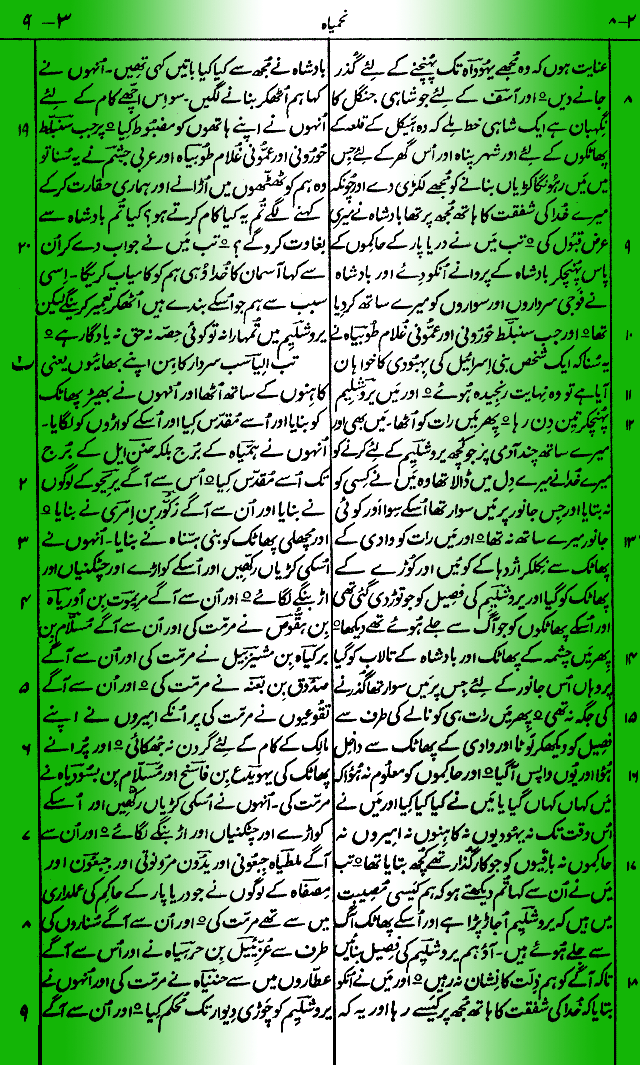
Nehemiah Chapter 2
Verse 12
Verse: And I arose in the night I and some few men with me neither told I any man what my God had put in my heart to do at Jerusalem neither was there any beast with me save the beast that I rode upon
English Explanation: Nehemiah begins his mission with absolute discretion and strategic silence. By inspecting the ruins under the cover of darkness with only a few trusted companions, he prevents premature rumors or opposition from local enemies. He acknowledges that his vision for Jerusalem was not a personal ambition but a divine calling placed directly into his heart by God. The minimal use of livestock ensures that his movement remains quiet and undetected.
Urdu Explanation (تفصیل): نحمیاہ اپنے مشن کا آغاز انتہائی رازداری اور حکمت عملی کے ساتھ کرتا ہے۔ وہ رات کے اندھیرے میں اپنے چند قابلِ اعتماد ساتھیوں کے ساتھ شہر کی دیواروں کا معائنہ کرتا ہے تاکہ دشمنوں کو وقت سے پہلے خبر نہ ہو اور کوئی مخالفت کھڑی نہ ہو۔ وہ واضح کرتا ہے کہ یروشلم کی بحالی کا یہ منصوبہ اس کی اپنی ذاتی خواہش نہیں تھی بلکہ خدا نے یہ بات اس کے دل میں ڈالی تھی۔ جانوروں کا کم سے کم استعمال اس لیے تھا تاکہ رات کے سناٹے میں کوئی آہٹ نہ ہو۔
Verse 13
Verse: And I went out by night by the gate of the valley even before the dragon well and to the dung port and viewed the walls of Jerusalem which were broken down and the gates thereof were consumed with fire
English Explanation: This verse outlines Nehemiah’s physical route of inspection. Exiting through the Valley Gate, he surveys the structural devastation of Jerusalem. The mention of specific landmarks like the Dragon Well (or Jackal’s Well) and the Dung Port provides historical geography. He witnesses firsthand the tragic reality: the protective walls are completely breached, and the gates are reduced to ashes, confirming the reports he received while in Persia.
Urdu Explanation (تفصیل): یہ آیت نحمیاہ کے معائنے کے زمینی راستے کی نشان دہی کرتی ہے۔ وہ وادی کے پھاٹک (Valley Gate) سے نکل کر تباہ شدہ دیواروں کا جائزہ لیتا ہے۔ اژدہا کے کنویں (Dragon Well) اور کوڑا پھینکنے کے پھاٹک (Dung Port) جیسے مقامات کا ذکر اس دور کے جغرافیے کو واضح کرتا ہے۔ نحمیاہ اپنی آنکھوں سے شہر کی افسوسناک حالت دیکھتا ہے کہ کس طرح حفاظتی دیواریں ٹوٹی پڑی ہیں اور پھاٹک آگ سے جھلس کر راکھ ہو چکے ہیں۔
Verse 14
Verse: Then I went on to the gate of the fountain and to the king’s pool but there was no place for the beast that was under me to pass
English Explanation: As Nehemiah continues his survey toward the Fountain Gate and the King’s Pool, the destruction becomes so severe that the pathway is completely blocked by massive heaps of rubble. The debris is so dense that his mount cannot navigate through it. This detail highlights the catastrophic level of ruin Jerusalem suffered under the Babylonian siege; it was not just damaged, but completely obliterated.
Urdu Explanation (تفصیل): نحمیاہ جب چشمے کے پھاٹک (Fountain Gate) اور بادشاہ کے حوض (King’s Pool) کی طرف بڑھتا ہے، تو تباہی اس قدر شدید ہوتی ہے کہ راستہ ملبے کے ڈھیر سے یکسر بند ملتا ہے۔ ملبے کی کثرت کی وجہ سے اس کا سواری کا جانور آگے نہیں بڑھ پاتا۔ یہ تفصیل یہ ظاہر کرتی ہے کہ بابل کی فوج نے کس بے دردی سے شہر کو مسمار کیا تھا کہ وہاں پیدل چلنا بھی محال تھا۔
Verse 15
Verse: Then went I up in the night by the brook and viewed the wall and turned back and entered by the gate of the valley and so returned
English Explanation: Forced to dismount or change path due to the debris, Nehemiah travels along the Kidron Valley brook to inspect the eastern walls. After completing this comprehensive loop of assessment, he retraces his steps and re-enters the city through the same Valley Gate where his journey began. This demonstrates his thoroughness; he did not rely on secondhand reports but assessed the entire situation personally.
Urdu Explanation (تفصیل): راستہ بند ہونے کی وجہ سے نحمیاہ نالے (وادیِ قدرون) کے ساتھ ساتھ آگے بڑھتا ہے اور مشرقی دیوار کا جائزہ لیتا ہے۔ پورے شہر کی دیواروں کا مکمل اور تفصیلی معائنہ کرنے کے بعد، وہ اسی راستے سے واپس مڑتا ہے اور وادی کے پھاٹک سے شہر میں دوبارہ داخل ہوتا ہے۔ اس سے نحمیاہ کی ذمہ داری کا پتہ چلتا ہے کہ اس نے کسی سنی سنائی بات پر یقین نہیں کیا بلکہ خود ہر چیز کا معائنہ کیا۔
Verse 16
Verse: And the rulers knew not whither I went or what I did neither had I as yet told it to the Jews nor to the priests nor to the nobles nor to the rulers nor to the rest that did the work
English Explanation: Nehemiah emphasizes that during this reconnaissance, no local officials, Jewish priests, nobles, or common workers knew what he was doing. Keeping his plans confidential protected the mission from early administrative interference, internal discouragement, or leaks to adversaries. Leadership often requires private preparation before public proclamation.
Urdu Explanation (تفصیل): نحمیاہ اصرار کرتا ہے کہ اس خفیہ معائنے کے دوران مقامی حاکموں، کاہنوں، شریفوں یا عام کام کرنے والوں میں سے کسی کو علم نہ تھا کہ وہ کہاں گیا تھا اور کیا کر رہا تھا۔ منصوبے کو پوشیدہ رکھنا اس لیے ضروری تھا تاکہ اندرونی مایوسی یا بیرونی دشمنوں کی سازشوں سے مشن کو بچایا جا سکے۔ ایک اچھے رہنما کو عوامی اعلان سے پہلے خاموشی سے تیاری کرنی ہوتی ہے۔
Verse 17
Verse: Then said I unto them Ye see the distress that we are in how Jerusalem lieth waste and the gates thereof are burned with fire come and let us build up the wall of Jerusalem that we be no more a reproach
English Explanation: With facts firmly in hand, Nehemiah calls a public assembly. He identifies completely with the people by using inclusive language (“the distress that we are in”). He points out the undeniable physical reality of their vulnerability and challenges them to rebuild. The primary motivation is spiritual and communal dignity: to remove the “reproach” or shame of living in a defenseless, ruined holy city.
Urdu Explanation (تفصیل): حقائق جمع کرنے کے بعد، نحمیاہ لوگوں کو اکٹھا کرتا ہے۔ وہ “ہم” کا لفظ استعمال کر کے خود کو قوم کی تکلیف میں شامل کرتا ہے اور کہتا ہے کہ “تم دیکھ رہے ہو کہ ہم کس مصیبت میں ہیں”۔ وہ انہیں تعمیرِ نو کی دعوت دیتا ہے۔ اس کا اصل مقصد صرف دیوار بنانا نہیں تھا بلکہ اس ملامت اور رسوائی کو دور کرنا تھا جو ایک تباہ شدہ اور بے یار و مددگار شہر میں رہنے کی وجہ سے ان پر لگی ہوئی تھی۔
Verse 18
Verse: Then I told them of the hand of my God which was good upon me as also the king’s words that he had spoken unto me And they said Let us rise up and build So they strengthened their hands for this good work
English Explanation: To motivate the people, Nehemiah shares two powerful testimonies: God’s providential favor over him and King Artaxerxes’ official political and material backing. This dual reassurance of spiritual backing and political authorization sparks immediate enthusiasm. Inspired by his leadership, the community unites and commits to the effort, shifting from passive despair to active readiness.
Urdu Explanation (تفصیل): لوگوں کے حوصلے بلند کرنے کے لیے نحمیاہ دو بڑی گواہیاں پیش کرتا ہے: پہلی یہ کہ خدا کا فضل اس پر رہا، اور دوسری یہ کہ فارس کے بادشاہ ارتخشستا نے اس کی کس طرح مدد کی اور اجازت دی۔ خدا کی تائید اور بادشاہ کی سیاسی حمایت کا سن کر لوگوں میں ایک نیا جوش پیدا ہوا اور انہوں نے یک زبان ہو کر کہا، “آؤ ہم اٹھیں اور تعمیر کریں” اور اس نیک کام کے لیے کمر کس لی۔
Verse 19
Verse: But when Sanballat the Horonite and Tobiah the servant the Ammonite and Geshem the Arabian heard it they laughed us to scorn and despised us and said What is this thing that ye do will ye rebel against the king
English Explanation: Opposition arises immediately when progress begins. Leaders of neighboring regions—Sanballat, Tobiah, and Geshem—try to halt the project using psychological warfare: mockery, contempt, and false accusations of political rebellion against Persia. This is a classic tactic designed to intimidate the builders and create fear of treason charges.
Urdu Explanation (تفصیل): جیسے ہی اچھے کام کا آغاز ہوتا ہے، مخالفت بھی سامنے آ جاتی ہے۔ اردگرد کے علاقوں کے سردار—سنبلط، طوبیاہ اور جشم—نحمیاہ اور اس کے ساتھیوں کا مذاق اڑاتے ہیں اور ان کی تحقیر کرتے ہیں۔ وہ ان پر مکارانہ الزام لگاتے ہیں کہ “کیا تم بادشاہ سے بغاوت کر رہے ہو؟” یہ نفسیاتی حربہ تھا تاکہ یہودی ڈر جائیں اور کام روک دیں۔
Verse 20
Verse: Then answered I them and said unto them The God of heaven he will prosper us therefore we his servants will arise and build but ye have no portion nor right nor memorial in Jerusalem
English Explanation: Nehemiah reacts with bold, uncompromising faith. He does not appeal to his royal letters or waste time arguing with critics. Instead, he declares that the sovereign “God of heaven” will grant success. He draws a sharp boundary, telling the adversaries that they have no legal, historical, or spiritual inheritance in Jerusalem, completely rejecting their interference.
Urdu Explanation (تفصیل): نحمیاہ اس کا جواب انتہائی دلیری اور ایمان کے ساتھ دیتا ہے۔ وہ بادشاہ کے خطوط کا سہارا لینے یا بحث میں وقت ضائع کرنے کے بجائے کہتا ہے کہ “آسمان کا خدا ہمیں کامیاب کرے گا”۔ وہ دشمنوں پر واضح کر دیتا ہے کہ یروشلم میں نہ تو ان کا کوئی حصہ ہے، نہ کوئی حق ہے اور نہ ہی کوئی یادگار، اور اس طرح وہ ان کی مداخلت کو یکسر مسترد کر دیتا ہے۔
Nehemiah Chapter 3
Verse 1
Verse: Then Eliashib the high priest rose up with his brethren the priests and they builded the sheep gate they sanctified it and set up the doors of it even unto the tower of Meah they sanctified it unto the tower of Hananeel
English Explanation: Chapter 3 details the organized rebuilding effort, highlighting a magnificent display of shared labor. Fittingly, leadership begins with the spiritual sector. Eliashib the High Priest and his fellow priests take the lead by rebuilding the Sheep Gate, located near the temple area where sacrificial animals were brought. By dedicating it to God, they establish that the entire construction project is a sacred act of worship.
Urdu Explanation (تفصیل): باب 3 میں تعمیرِ نو کے منظم کام کی تفصیل ہے جہاں پوری قوم مل کر حصہ لیتی ہے۔ اس کام کی شروعات روحانی قیادت سے ہوتی ہے۔ الیاسب سردارِ کاہن اور اس کے بھائی کاہن سب سے پہلے آگے بڑھتے ہیں اور “بھیڑ پھاٹک” (Sheep Gate) کی تعمیر کرتے ہیں، جہاں سے قربانی کے جانور لائے جاتے تھے۔ وہ اسے خدا کے لیے مخصوص (پاک) کرتے ہیں، جس سے یہ ظاہر ہوتا ہے کہ یہ تعمیراتی کام دراصل خدا کی عبادت کا حصہ تھا۔
Verse 2
Verse: And next unto him builded the men of Jericho And next to them builded Zaccur the son of Imri
English Explanation: This verse highlights community collaboration. The men of Jericho traveled from outside Jerusalem to help, proving that rebuilding the capital was a national priority, not just a local one. Alongside them, Zaccur, the son of Imri, took responsibility for his assigned section, illustrating how different families and regional groups worked side by side.
Urdu Explanation (تفصیل): یہ آیت برادری کے باہمی تعاون کو ظاہر کرتی ہے۔ اریحا کے مرد یروشلم سے باہر کے رہنے والے تھے لیکن وہ دارالحکومت کی دیوار بنانے آئے۔ یہ اس بات کا ثبوت ہے کہ یروشلم کی بحالی پورے ملک کا مشترکہ مقصد تھا۔ ان کے ساتھ ہی زکور بن امری نے اپنے حصے کی تعمیر کی، جو ظاہر کرتا ہے کہ مختلف خاندان کندھے سے کندھا ملا کر کام کر رہے تھے۔
Verse 3
Verse: But the fish gate did the sons of Hassenaah build who also laid the beams thereof and set up the doors thereof the locks thereof and the bars thereof
English Explanation: The sons of Hassenaah took charge of the Fish Gate, a vital commercial entry point where merchants sold fish from the Jordan River and Mediterranean Sea. Their work was thorough; they did not just stack stones, but completed the structural woodwork by laying heavy beams and installing functioning security systems (doors, locks, and bars) to protect the city.
Urdu Explanation (تفصیل): حسناہ کے بیٹوں نے “مچھلی پھاٹک” (Fish Gate) کی تعمیر کی، جو کہ ایک اہم تجارتی راستہ تھا جہاں بحیرہ روم اور دریائے اردن سے لائی گئی مچھلیاں بکتی تھیں۔ ان کا کام انتہائی مکمل تھا؛ انہوں نے نہ صرف دیوار کھڑی کی بلکہ شہتیر ڈالے اور شہر کی حفاظت کو یقینی بنانے کے لیے باقاعدہ کواڑ، تالے اور ہتھیاں (ڈنڈے) لگائے۔
Verse 4
Verse: And next unto them repaired Meremoth the son of Urijah the son of Koz And next unto them repaired Meshullam the son of Berechiah the son of Meshezabeel And next unto them repaired Zadok the son of Baana
English Explanation: The systematic assignment of labor continues counter-clockwise around the city. Three individuals and their families are credited here: Meremoth, Meshullam, and Zadok. This individual record-keeping highlights that in God’s eyes, every specific contribution and family effort matters in the grander scheme of restoration.
Urdu Explanation (تفصیل): یہاں ترتیب وار کام کی تقسیم کی تفصیل جاری ہے۔ تین افراد اور ان کے خاندانوں کا خصوصی ذکر کیا گیا ہے: مریموت، مصلام، اور صادوق۔ ناموں کا یہ اندراج ظاہر کرتا ہے کہ خدا کی نظر میں ہر ایک فرد کی محنت اور اس کا خاندانی تعاون اہمیت رکھتا ہے اور اسے فراموش نہیں کیا جاتا۔
Verse 5
Verse: And next unto them the Tekoites repaired but their nobles put not their necks to the work of their Lord
English Explanation: While the ordinary citizens of Tekoa worked diligently, Nehemiah records a sharp contrast regarding their wealthy aristocrats: the nobles refused to humble themselves or do any physical labor for the Lord. This verse serves as a historical reminder that social status does not equal spiritual maturity; true honor is found in humble service.
Urdu Explanation (تفصیل): جبکہ تقوع کے عام لوگ نہایت محنت سے کام کر رہے تھے، نحمیاہ وہاں کے امیروں اور شریفوں کے بارے میں ایک تلخ حقیقت لکھتا ہے کہ انہوں نے اپنے خداوند کے کام کے لیے اپنی گردنیں نہ جھکائیں۔ یہ آیت یاد دلاتی ہے کہ دنیاوی رتبہ روحانی پختگی کی ضمانت نہیں ہوتا؛ اصل عزت خدا کی عاجزی سے خدمت کرنے میں ہے۔
Verse 6
Verse: Moreover the old gate repaired Jehoiada the son of Paseah and Meshullam the son of Besodeiah they laid the beams thereof and set up the doors thereof and the locks thereof and the bars thereof
English Explanation: Jehoiada and Meshullam take responsibility for restoring the Old Gate (likely an essential northern gateway linking old sections of the city). Just like the builders of the Fish Gate, they complete the task comprehensively with heavy timber framing and secure locking mechanisms, ensuring that this vulnerable entrance is fully fortified.
Urdu Explanation (تفصیل): یہوایدع اور مصلام نے مل کر “پرانے پھاٹک” (Old Gate) کو درست کیا، جو کہ شہر کے شمالی حصے کو جوڑنے والا ایک اہم راستہ تھا۔ مچھلی پھاٹک کے کاریگروں کی طرح، انہوں نے بھی اس کام کو مکمل مہارت کے ساتھ سرانجام دیا—شہتیر چڑھائے اور کواڑ، تالے اور ہتھیاں لگا کر اس اہم داخلہ راستے کو محفوظ کیا۔
Verse 7
Verse: And next unto them repaired Melatiah the Gibeonite and Jadon the Meronothite the men of Gibeon and of Mizpah unto the throne of the governor on this side the river
English Explanation: Melatiah and Jadon, alongside citizens from Gibeon and Mizpah, work on the next section. These individuals came from regions outside Jerusalem’s immediate administrative borders, yet they labored up to the official residence (“the throne”) of the Persian-appointed governor of the Trans-Euphrates province, showing amazing unity across regional lines.
Urdu Explanation (تفصیل): ملطیاہ جبعونی اور یادون میروناتی نے جبعون اور مصفاہ کے لوگوں کے ساتھ مل کر اگلے حصے کی مرمت کی۔ یہ لوگ یروشلم کی انتظامی حدود سے باہر کے علاقوں سے آئے تھے، لیکن انہوں نے دریائے فرات کے مغربی علاقے کے گورنر کی سرکاری رہائش گاہ (مسند) تک دیوار کی مرمت کی، جو ان کے وسیع تر قومی اتحاد کو ظاہر کرتا ہے۔
Verse 8
Verse: Next unto him repaired Uzziel the son of Harhaiah of the goldsmiths Next unto him also repaired Hananiah the son of one of the apothecaries and they fortified Jerusalem unto the broad wall
English Explanation: This verse highlights that the building crew was not composed of professional construction workers. Uzziel was a goldsmith (an artisan accustomed to fine work) and Hananiah was a perfumer/apothecary. Despite lacking heavy construction backgrounds, they willingly applied their hands to manual labor, successfully reinforcing Jerusalem up to the strategic “Broad Wall.”
Urdu Explanation (تفصیل): یہ آیت ظاہر کرتی ہے کہ تعمیر کرنے والے پیشہ ور مزدور یا معمار نہیں تھے۔ عزی ایل سنار تھا (جو باریک کام کا عادی ہوتا ہے) اور حنانیاہ عطر بنانے والا تھا۔ تعمیراتی شعبے کا تجربہ نہ ہونے کے باوجود، انہوں نے خوشی سے سخت جسمانی محنت کی اور یروشلم کو “چوڑی دیوار” (Broad Wall) تک مضبوطی سے تیار کیا۔
Verse 9
Verse: And next unto them repaired Rephaiah the son of Hur the ruler of the half part of Jerusalem
English Explanation: Rephaiah, a high-ranking political figure who ruled half of the district of Jerusalem, works right alongside artisans and commoners. His participation shows that the project completely bypassed social hierarchy. High-ranking leaders stood shoulder-to-shoulder with perfumers and smiths, united under one vision to restore the community.
Urdu Explanation (تفصیل): رفایا بن حور، جو یروشلم کے آدھے حصے کا حاکم (اعلیٰ عہدیدار) تھا، سناروں اور عطاروں کے ساتھ مل کر کام کرتا ہے۔ اس کی شمولیت یہ ثابت کرتی ہے کہ اس عظیم مقصد میں تمام طبقاتی فرق مٹ چکے تھے۔ بڑے بڑے حکمران عام کاریگروں کے ساتھ کندھے سے کندھا ملا کر کھڑے تھے کیونکہ ان سب کا نصب العین ایک ہی تھا۔