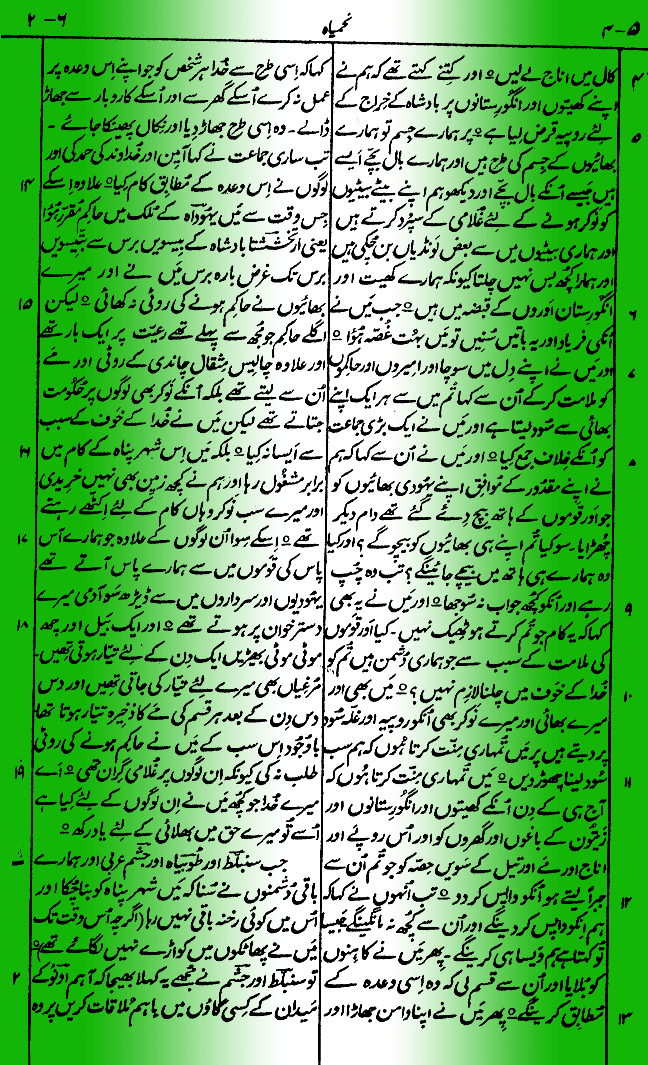
Verse-by-Verse Commentary & Explanation
Nehemiah 5:4
Verse: There were also that said We have borrowed money for the king’s tribute and that upon our lands and vineyards
-
English Explanation: The economic crisis in Jerusalem was worsening. The people faced a double financial burden: a severe famine and heavy taxation (“the king’s tribute”) imposed by the Persian Empire. To pay these taxes, the poorer Jews were forced to mortgage their ancestral lands and vineyards, trapping them in deep debt to their wealthy countrymen.
-
Urdu Explanation (تفصیل): یروشلم میں معاشی بحران شدت اختیار کر رہا تھا۔ لوگوں پر دوہرا مالی بوجھ تھا: ایک تو قحط سالی اور دوسرا شاہی ٹیکس جو سلطنتِ فارس کی طرف سے عائد تھا۔ ٹیکس ادا کرنے کے لیے، غریب یہودی اپنی آبائی زمینیں اور انگور کے باغ گروی رکھنے پر مجبور ہو گئے، جس کے نتیجے میں وہ اپنے ہی امیر بھائیوں کے قرضوں کے جال میں پھنس گئے۔
Nehemiah 5:5
Verse: Yet now our flesh is as the flesh of our brethren our children as their children and lo we bring into bondage our sons and our daughters to be servants and some of our daughters are brought unto bondage already neither is it in our power to redeem them for other men have our lands and vineyards
-
English Explanation: This verse highlights a heartbreaking social injustice. The poor argue that biologically and spiritually, they are equal to their wealthy rulers (“our flesh is as the flesh of our brethren”). Yet, due to poverty, they were forced to sell their children into slavery to survive. They were completely helpless because their income-generating assets (lands and vineyards) were already seized by creditors.
-
Urdu Explanation (تفصیل): یہ آیت ایک سنگین سماجی ناانصافی کو ظاہر کرتی ہے۔ غریبوں کا موقف تھا کہ وہ اپنے امیر بھائیوں کی طرح ہی انسان اور خدا کی امت ہیں لیکن غربت کے باعث وہ اپنے بچوں کو غلامی میں دینے پر مجبور تھے۔ وہ بالکل بے بس تھے کیونکہ ان کی آمدنی کا واحد ذریعہ (ان کی زمینیں اور باغات) پہلے ہی قرض خواہوں کے قبضے میں جا چکے تھے۔
Nehemiah 5:6
Verse: And I was very angry when I heard their cry and these words
-
English Explanation: Nehemiah’s anger was a righteous, holy anger. He was not upset by the external threat of enemies, but by the internal exploitation taking place among God’s people. True leadership cares deeply about justice and the suffering of the vulnerable.
-
Urdu Explanation (تفصیل): نحمیاہ کا غصہ ایک جائز اور پاکیزہ غصہ تھا۔ وہ دشمنوں کے بیرونی خطرے پر نہیں، بلکہ خدا کے لوگوں کے درمیان جاری اندرونی استحصال پر شدید غصے میں آئے۔ ایک سچے رہنما کو انصاف اور کمزوروں کی تکلیف کا شدید احساس ہوتا ہے۔
Nehemiah 5:7
Verse: Then I consulted with myself and I rebuked the nobles and the rulers and said unto them Ye exact usury every one of his brother And I set a great assembly against them
-
English Explanation: Before acting, Nehemiah controlled his emotions (“consulted with myself”) to plan a wise course of action. He then directly confronted the wealthy elite for charging interest (usury) to their fellow Jews, which was strictly forbidden by Mosaic Law. To create accountability, he called a public trial or assembly.
-
Urdu Explanation (تفصیل): کوئی بھی قدم اٹھانے سے پہلے، نحمیاہ نے اپنے جذبات پر قابو پایا اور سوچ بچار کی۔ پھر اس نے امیروں اور حاکموں کو اپنے ہی بھائیوں سے سود لینے پر سختی سے ٹوکا، جو کہ شریعتِ موسوی کے سخت خلاف تھا۔ جوابدہی کو یقینی بنانے کے لیے، اس نے ان کے خلاف ایک بڑا مجمع یا عوامی عدالت قائم کی۔
Nehemiah 5:8
Verse: And I said unto them We after our ability have redeemed our brethren the Jews which were sold unto the heathen and will ye even sell your brethren or shall they be sold unto us Then held they their peace and found nothing to answer
-
English Explanation: Nehemiah points out the hypocrisy of the rich. While Nehemiah and others spent their own resources to buy back Jewish slaves from Gentile nations, these wealthy Jews were selling their own brothers back into bondage for profit. The rulers were silenced because they had no moral defense.
-
Urdu Explanation (تفصیل): نحمیاہ نے امیروں کی منافقت کو بے نقاب کیا۔ ایک طرف نحمیاہ اور دیگر لوگ اپنے وسائل استعمال کر کے یہودی غلاموں کو غیر قوموں سے چھڑا رہے تھے، اور دوسری طرف یہ امیر یہودی اپنے ہی بھائیوں کو منافع کے لیے دوبارہ غلام بنا رہے تھے۔ یہ سن کر حاکم خاموش ہو گئے کیونکہ ان کے پاس کوئی جواب نہ تھا۔
Nehemiah 5:9
Verse: Also I said It is not good that ye do ought ye not to walk in the fear of our God because of the reproach of the heathen our enemies
-
English Explanation: Nehemiah emphasizes that their actions are damaging their witness. By exploiting one another, they were bringing shame upon the name of God and giving their Gentile enemies a reason to mock them. He calls them back to the “fear of God.”
-
Urdu Explanation (تفصیل): نحمیاہ نے اس بات پر زور دیا کہ ان کے یہ کام ان کی گواہی کو خراب کر رہے ہیں۔ آپس میں ایک دوسرے کا استحصال کر کے، وہ خدا کے نام کی بدنامی کا باعث بن رہے تھے اور غیر قوموں (دشمنوں) کو طعنہ زنی کا موقع دے رہے تھے۔ اس نے انہیں خدا کے خوف کی طرف لوٹنے کی دعوت دی۔
Nehemiah 5:10
Verse: I likewise and my brethren and my servants might exact of them money and corn I pray you let us leave off this usury
-
English Explanation: Nehemiah leads by example. He admits that he and his immediate circle had the legal right to demand interest or collateral, but they willingly chose to forgive those debts. He pleads with the elites to stop the practice of lending money with interest immediately.
-
Urdu Explanation (تفصیل): نحمیاہ نے خود کو ایک مثال کے طور پر پیش کیا۔ اس نے تسلیم کیا کہ وہ اور اس کے ساتھی بھی قرض یا اناج کا تقاضا کر سکتے تھے، لیکن انہوں نے رضاکارانہ طور پر ایسا نہیں کیا۔ اس نے امراء سے التجا کی کہ وہ سود خوری کا یہ سلسلہ فوراً بند کر دیں۔
Nehemiah 5:11
Verse: Restore I pray you to them even this day their lands their vineyards their oliveyards and their houses also the hundredth part of the money and of the corn the wine and the oil that ye exact of them
-
English Explanation: True repentance requires restitution. Nehemiah demands immediate action: the wealthy must return all seized lands, homes, and vineyards today, and refund the interest (the “hundredth part,” roughly a 1% monthly interest rate) they had unjustly taken.
-
Urdu Explanation (تفصیل): سچی توبہ ہمیشہ تلافی کا تقاضا کرتی ہے۔ نحمیاہ نے فوری کارروائی کا مطالبہ کیا کہ امیر لوگ آج ہی غریبوں کی زمینیں، گھر اور باغ واپس کریں، اور جو سود (سواں حصہ) انہوں نے ناحق وصول کیا تھا، وہ بھی لوٹا دیں۔
Nehemiah 5:12
Verse: Then said they We will restore them and will require nothing of them so will we do as thou sayest Then I called the priests and took an oath of them that they should do according to this promise
-
English Explanation: The nobles agreed to Nehemiah’s terms. However, knowing human weakness, Nehemiah did not just rely on verbal promises. He called the priests and made the rulers take a formal, binding oath before God to ensure compliance.
-
Urdu Explanation (تفصیل): امراء نحمیاہ کی بات ماننے پر راضی ہو گئے۔ لیکن انسانی کمزوری کو جانتے ہوئے، نحمیاہ نے صرف زبانی وعدے پر بھروسہ نہیں کیا۔ اس نے کاہنوں کو بلایا اور حاکموں سے خدا کے حضور ایک باقاعدہ قسم لی تاکہ وہ اپنے وعدے سے مکر نہ سکیں۔
Nehemiah 5:13
Verse: Also I shook my lap and said So God shake out every man from his house and from his labour that performeth not this promise even thus be he shaken out and emptied And all the congregation said Amen and praised the LORD And the people did according to this promise
-
English Explanation: Nehemiah used a dramatic symbolic gesture—shaking out the folds of his garment—to illustrate the curse of God upon anyone who broke this covenant. They would lose everything they owned. The people agreed (“Amen”) and successfully followed through with their promise.
-
Urdu Explanation (تفصیل): نحمیاہ نے ایک علامتی عمل کیا—اپنے دامن کو جھٹک کر دکھایا—تاکہ وہ یہ ظاہر کر سکے کہ جو کوئی بھی اس عہد کو توڑے گا، خدا اسے اسی طرح اس کے گھر اور کمائی سے جھٹک کر خالی کر دے گا۔ تمام جماعت نے “آمین” کہا اور اس وعدے پر عمل کیا۔
Nehemiah 5:14
Verse: Moreover from the time that I was appointed to be their governor in the land of Judah from the twentieth year even unto the two and thirtieth year of Artaxerxes the king that is twelve years I and my brethren have not eaten the bread of the governor
-
English Explanation: For twelve years as governor, Nehemiah refused to accept the official financial allowances (“the bread of the governor”) provided to rulers. He chose to live off his own means so as not to add to the financial strain of the struggling citizens.
-
Urdu Explanation (تفصیل): بطور گورنر بارہ سال کے عرصے کے دوران، نحمیاہ نے وہ سرکاری مالی الاؤنس اور کھانا قبول کرنے سے انکار کر دیا جو ایک حاکم کا حق ہوتا ہے۔ اس نے اپنے ذاتی وسائل پر گزارا کیا تاکہ غریب عوام پر مزید مالی بوجھ نہ پڑے۔
Nehemiah 5:15
Verse: But the former governors that had been before me were chargeable unto the people and had taken of them bread and wine beside forty shekels of silver yea even their servants bare rule over the people but so did not I because of the fear of God
-
English Explanation: Previous governors had exploited the citizens, demanding money, food, and wine, while allowing their servants to oppress the people. Nehemiah acted differently. His primary motivation for this financial sacrifice and upright behavior was his deep “fear of God.”
-
Urdu Explanation (تفصیل): پچھلے گورنروں نے عوام کا استحصال کیا تھا، ان سے چاندی، کھانا اور مے مانگتے تھے، اور ان کے ملازمین بھی لوگوں پر ظلم کرتے تھے۔ لیکن نحمیاہ کا طرزِ عمل مختلف تھا۔ اس مالی قربانی اور دیانت داری کی اصل وجہ اس کا “خدا کا خوف” تھا۔
Nehemiah 5:16
Verse: Yea also I continued in the work of this wall neither bought we any land and all my servants were gathered thither unto the work
-
English Explanation: Instead of using his high political position to buy up cheap foreclosed land from poor citizens for personal enrichment, Nehemiah focused strictly on rebuilding the wall. He and his personal staff worked alongside the common people.
-
Urdu Explanation (تفصیل): اپنے اعلیٰ سیاسی عہدے کا فائدہ اٹھا کر غریبوں کی مجبوری کی زمینیں سستے داموں خریدنے کے بجائے، نحمیاہ کی پوری توجہ دیوار کی تعمیر پر رہی۔ اس نے اور اس کے ملازمین نے عام لوگوں کے ساتھ مل کر کام کیا۔
Nehemiah 5:17
Verse: Moreover there were at my table an hundred and fifty of the Jews and rulers beside those that came unto us from among the heathen that are about us
-
English Explanation: Nehemiah practiced incredible hospitality. He personally fed 150 local Jewish leaders and workers daily at his own table, along with international visitors and diplomats, all without using government funds.
-
Urdu Explanation (تفصیل): نحمیاہ نے زبردست فیاضی اور مہمان نوازی کا مظاہرہ کیا۔ اس نے سرکاری فنڈز استعمال کیے بغیر روزانہ اپنے دسترخوان پر 150 مقامی یہودی رہنماؤں اور مزدوروں کے ساتھ ساتھ ارد گرد کی غیر قوموں سے آنے والے مہمانوں کو کھانا کھلایا۔
Nehemiah 5:18
Verse: Now that which was prepared for me daily was one ox and six choice sheep also fowls were prepared for me and once in ten days store of all sorts of wine yet for all this required not I the bread of the governor because the bondage was heavy upon this people
-
English Explanation: The daily food requirement for his household was immense (an ox, six sheep, poultry, and wine). Despite these massive hosting expenses, Nehemiah never claimed his tax-funded governor’s allowance because he knew the economic slavery and labor burden on the people was already too heavy.
-
Urdu Explanation (تفصیل): اس کے گھرانے اور مہمانوں کے لیے روزانہ بڑی مقدار میں کھانا تیار ہوتا تھا (ایک بیل، چھ چیدہ بھیڑیں، پرندے اور مے)۔ ان تمام اخراجات کے باوجود، نحمیاہ نے کبھی بھی گورنر کے سرکاری الاؤنس کا مطالبہ نہیں کیا کیونکہ وہ جانتا تھا کہ لوگ پہلے ہی سخت مشقت اور معاشی بوجھ تلے دبے ہوئے ہیں۔
Nehemiah 5:19
Verse: Think upon me my God for good according to all that I have done for this people
-
English Explanation: Nehemiah concludes chapter 5 with a personal prayer. He did not seek recognition, wealth, or applause from men. His only desire was that God would look favorably upon his selfless service and reward him according to his motives.
-
Urdu Explanation (تفصیل): نحمیاہ نے باب 5 کا اختتام ایک ذاتی دعا سے کیا۔ اس نے انسانوں سے تعریف، دولت یا شہرت کی تمنا نہیں کی۔ اس کی واحد خواہش یہ تھی کہ خدا اس کی بے لوث خدمت کو قبول فرمائے اور اسے جزائے خیر دے۔
Nehemiah 6:1
Verse: Now it came to pass when Sanballat and Tobiah and Geshem the Arabian and the rest of our enemies heard that I had builded the wall and that there was no breach left therein though at that time I had not set up the doors upon the gates
-
English Explanation: As the narrative shifts to Chapter 6, the external enemies realize that physical intimidation has failed. The wall of Jerusalem is structurally complete with no gaps left, though the wooden doors were not yet hung in the stone gateways. Realizing time is running out, the enemies change their tactics from open warfare to subtle deception.
-
Urdu Explanation (تفصیل): جب باب 6 کا آغاز ہوتا ہے، بیرونی دشمنوں کو معلوم ہو جاتا ہے کہ ان کی دھمکیاں ناکام ہو چکی ہیں۔ یروشلم کی دیوار مکمل ہو چکی تھی اور اس میں کوئی رخنہ باقی نہیں بچا تھا، اگرچہ ابھی پھاٹکوں کے کواڑ (دروازے) نہیں لگائے گئے تھے۔ یہ دیکھ کر کہ وقت ہاتھ سے نکل رہا ہے، دشمنوں نے اپنی حکمتِ عملی کھلی جنگ سے بدل کر دھوکہ دہی کی طرف موڑ دی۔
Nehemiah 6:2
Verse: That Sanballat and Geshem sent unto me saying Come let us meet together in some one of the villages in the plain of Ono But they thought to do me mischief
-
English Explanation: Sanballat and Geshem try to lure Nehemiah away from Jerusalem to a neutral zone (“the plain of Ono”) under the pretense of a peaceful diplomatic conference. Nehemiah’s spiritual discernment allows him to see through their friendly invitation, recognizing it as an assassination or kidnapping plot to stall the work.
-
Urdu Explanation (تفصیل): سنبلط اور جشم نے نحمیاہ کو ایک پرامن مذاکرات کے بہانے یروشلم سے دور ایک غیر جانبدار علاقے (“اونو کے میدان”) میں ملنے کی دعوت دی۔ نحمیاہ نے اپنی روحانی بصیرت سے ان کی اس دوستانہ دعوت کے پیچھے چھپی سازش کو بھانپ لیا کہ وہ اسے نقصان پہنچانا (قتل یا اغوا کرنا) چاہتے تھے تاکہ کام رک جائے۔