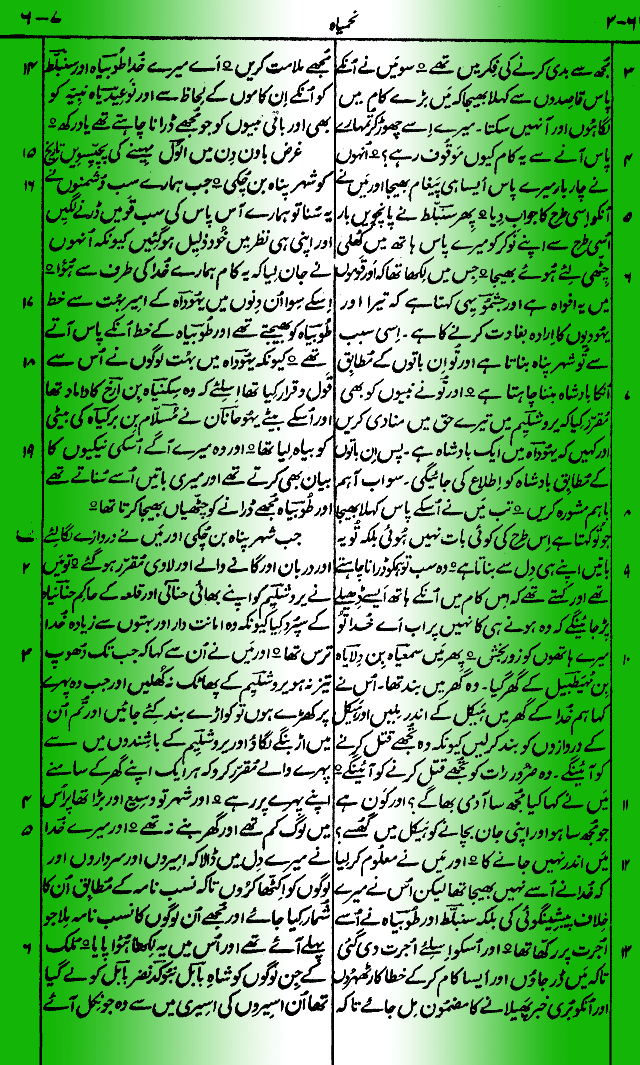
Nehemiah 6:3
Verse: And I sent messengers unto them saying I am doing a great work so that I cannot come down why should the work cease whilst I leave it and come down to you
English Explanation: Nehemiah recognizes that his enemies, Sanballat and Geshem, are trying to distract him and halt the reconstruction of Jerusalem’s wall. His response is a masterclass in focus and prioritization. By calling the rebuilding “a great work,” he elevates the physical task to a divine mandate. He refuses to compromise his safety or pause God’s assignment just to engage in meaningless diplomatic talks designed to entrap him.
Urdu Explanation (اُردو وضاحت): نحمیاہ نے پہچان لیا کہ اُس کے دُشمن (سنبلط اور جشم) اُسے اپنے مخصُوص کام سے ہٹانا اور دیوار کی تعمیر کو روکنا چاہتے ہیں۔ اُس کا جواب دانشمندی اور توجہ کی ایک بہترین مثال ہے۔ کام کو “بڑا کام” کہہ کر وہ واضح کرتا ہے کہ یہ عام کام نہیں بلکہ خدا کا دیا ہوا ایک اہم فریضہ ہے۔ وہ اپنے تحفظ پر سمجھوتہ کرنے یا دُشمنوں کی چالوں میں آ کر خدا کے کام کو روکنے سے صاف انکار کر دیتا ہے۔
Nehemiah 6:4
Verse: Yet they sent unto me four times after this sort and I answered them after the same manner
English Explanation: Persistence is a tool used not only by the righteous but also by adversaries. Four times the enemies try to lure Nehemiah away with the same deceptive invitation. Nehemiah exhibits unwavering consistency. He does not change his stance, enter into debates, or lose his patience. His steady focus highlights that consistency in doing right defeats persistent temptation and distraction.
Urdu Explanation (اُردو وضاحت): مستقِل مزاجی صرف اچھے لوگ ہی نہیں بلکہ دُشمن بھی استعمال کرتے ہیں۔ دُشمنوں نے چار بار نحمیاہ کو اُسی دھوکے باز دعوت نامے کے ذریعے پھنسانے کی کوشش کی۔ لیکن نحمیاہ نے غیر متزلزل عزم کا مظاہرہ کیا۔ اُس نے اپنا مؤقف تبدیل نہیں کیا اور نہ ہی بحث میں وقت ضائع کیا۔ اُس کا یہ رویہ سکھاتا ہے کہ خدا کے کام میں مستقل مزاجی دُشمن کی مسلسل چالوں کو ناکام بنا دیتی ہے۔
Nehemiah 6:5
Verse: Then sent Sanballat his servant unto me in like manner the fifth time with an open letter in his hand
English Explanation: On the fifth attempt, Sanballat escalates the psychological pressure by sending an “open letter.” In antiquity, official letters were normally rolled and sealed for privacy. An open letter meant anyone could read it along the way. This was a deliberate tactic to spread rumors, cause panic among the builders, and damage Nehemiah’s reputation publicly.
Urdu Explanation (اُردو وضاحت): پانچویں مرتبہ سنبلط نے نفسیاتی دباؤ بڑھانے کے لیے ایک “خُلا خط” اپنے خادم کے ہاتھ بھیجا۔ قدیم زمانے میں سرکاری خطوط کو لپیٹ کر مہر بند کیا جاتا تھا۔ خُلے خط کا مطلب یہ تھا کہ راستے میں ہر کوئی اسے پڑھ سکتا تھا۔ یہ نحمیاہ کے خلاف افواہیں پھیلانے، کام کرنے والوں میں خوف پیدا کرنے اور عوامی سطح پر اُس کی ساکھ کو نقصان پہنچانے کی ایک دانستہ چال تھی۔
Nehemiah 6:6
Verse: Wherein was written It is reported among the heathen and Gashmu saith it that thou and the Jews think to rebel for which cause thou buildest the wall that thou mayest be their king according to these words
English Explanation: The open letter contained false accusations of treason. It alleged that Nehemiah was building the wall to launch a rebellion against the Persian king and crown himself ruler. By citing “Gashmu” (Geshem) as a source, the enemies tried to fabricate consensus around a lie. This form of character assassination aimed to make Nehemiah abandon the work out of fear of imperial retaliation.
Urdu Explanation (اُردو وضاحت): اِس خُلے خط میں غداری کے جھوٹے الزامات عائد کیے گئے تھے۔ اِس میں دعویٰ کیا گیا تھا کہ نحمیاہ فارسی بادشاہ کے خلاف بغاوت کرنے اور خود کو بادشاہ بنانے کے لیے دیوار تعمیر کر رہا ہے۔ “جشمو” (جشم) کا نام بطور گواہ استعمال کر کے دُشمن جھوٹ کو سچ ثابت کرنا چاہتے تھے تاکہ نحمیاہ شاہی غضب کے خوف سے کام چھوڑ کر بھاگ جائے۔
Nehemiah 6:7
Verse: And thou hast also appointed prophets to preach of thee at Jerusalem saying There is a king in Judah and now shall it be reported to the king according to these words Come now therefore and let us take counsel together
English Explanation: The enemies add blackmail to their strategy, accusing Nehemiah of hiring prophets to manipulate political messaging. They threaten to send this fabricated report to King Artaxerxes unless Nehemiah agrees to meet with them. They try to disguise their trap as a friendly “counsel” to resolve a crisis, using fear as leverage.
Urdu Explanation (اُردو وضاحت): دُشمنوں نے اب بلیک میلنگ کا سہارا لیا اور الزام لگایا کہ نحمیاہ نے اپنے حق میں نبوتیں کرنے کے لیے نبی مقرر کیے ہیں۔ انہوں نے دھمکی دی کہ اگر نحمیاہ ان سے ملاقات نہیں کرے گا تو وہ یہ جھوٹی رپورٹ بادشاہ ارتخشستا تک پہنچا دیں گے۔ وہ خوف کو ہتھیار بنا کر اپنے جال کو ایک دوستانہ مشورے کا روپ دے رہے تھے۔
Nehemiah 6:8
Verse: Then I sent unto him saying There are no such things done as thou sayest but thou feignest them out of thine own heart
English Explanation: Nehemiah’s response is direct, bold, and succinct. He does not over-explain, panic, or negotiate. He flatly denies the charges, calling them what they are: complete fabrications born from the malicious imaginations of his enemies. He shows that the best answer to slander is a straightforward denial backed by a clear conscience.
Urdu Explanation (اُردو وضاحت): نحمیاہ کا جواب بالکل سیدھا، دلیرانہ اور جامع تھا۔ وہ نہ تو گھبرایا اور نہ ہی صفائیاں پیش کرنے لگا۔ اُس نے صاف انکار کرتے ہوئے کہا کہ یہ تمام باتیں من گھڑت ہیں اور دُشمن کے اپنے دل کی پیداواِڑ ہیں۔ یہ آیت سکھاتی ہے کہ جھوٹے الزامات کا بہترین جواب پاک ضمیر کے ساتھ صاف اور واضح انکار ہے۔
Nehemiah 6:9
Verse: For they all made us afraid saying Their hands shall be weakened from the work that it be not done Now therefore O God strengthen my hands
English Explanation: Nehemiah unmasks the true objective behind his enemies’ intimidation tactics: to weaken the resolve of the workers and stop the project. Instead of internalizing the fear, Nehemiah channels his vulnerability into an urgent, brief prayer: “O God, strengthen my hands.” He counters psychological warfare with immediate spiritual dependence.
Urdu Explanation (اُردو وضاحت): نحمیاہ دُشمنوں کی اِس خوفناک چال کے اصل مقصد کو بے نقاب کرتا ہے کہ وہ کارینِ دیوار کے حوصلے پست کر کے کام روکنا چاہتے تھے۔ خوف کا شکار ہونے کے بجائے نحمیاہ نے فوری طور پر دعا کا سہارا لیا: “اے خدا، میرے ہاتھوں کو مضبوط کر۔” اُس نے دُشمن کے نفسیاتی حملے کا جواب خدا پر توکل کر کے دیا۔
Nehemiah 6:10
Verse: Afterward I came unto the house of Shemaiah the son of Delaiah the son of Mehetabeel who was shut up and he said Let us meet together in the house of God within the temple and let us shut the doors of the temple for they will come to slay thee yea in the night will they come to slay thee
English Explanation: The conspiracy deepens as Nehemiah faces betrayal from within his own community. Shemaiah, a prophet claiming divine insight, isolates himself and falsely warns Nehemiah of an imminent assassination attempt. He urges Nehemiah to hide in the holy temple, using a facade of spiritual protection to manipulate him into committing a grave violation of the Law.
Urdu Explanation (اُردو وضاحت): سازش اُس وقت مزید گہری ہو گئی جب نحمیاہ کو اپنے ہی لوگوں کی طرف سے دھوکے کا سامنا کرنا پڑا۔ شمعیاہ نامی ایک نبی نے خود کو بند کر رکھا تھا اور نحمیاہ کو جھوٹی وارننگ دی کہ رات کو اُسے قتل کرنے کی سازش کی گئی ہے۔ اُس نے نحمیاہ کو ہیکل کے اندر چھپنے کا مشورہ دیا تاکہ روحانی تحفظ کا بہانہ بنا کر اُسے شریعت کی خلاف ورزی کرنے پر مجبور کر سکے۔
Nehemiah 6:11
Verse: And I said Should such a man as I flee and who is there that being as I am would go into the temple to save his life I will not go in
English Explanation: Nehemiah’s integrity and self-awareness shine here. As a layman (not a priest), entering the inner temple sanctuary was strictly forbidden by God’s Law. Moreover, as the governor, running away to hide would look like cowardice and ruin the morale of the people. He flatly refuses, prioritizing God’s holiness and his leadership responsibility over personal survival.
Urdu Explanation (اُردو وضاحت): یہاں نحمیاہ کی دیانت داری اور فہم و فراست واضح نظر آتی ہے۔ چونکہ وہ کاہن نہیں تھا، اس لیے خدا کی شریعت کے مطابق اُس کا ہیکل کے پاک ترین حصے میں داخل ہونا گناہ تھا۔ اس کے علاوہ، ایک رہنما ہونے کے ناطے اُس کا چھپ جانا بزدلی کہلاتا جس سے لوگوں کے حوصلے پست ہو جاتے۔ اُس نے اپنی جان بچانے پر خدا کے احکام اور اپنی ذمہ داری کو ترجیح دی اور جانے سے انکار کر دیا۔
Nehemiah 6:12
Verse: And lo I perceived that God had not sent him but that he pronounced this prophecy against me for Tobiah and Sanballat had hired him
English Explanation: Nehemiah exercises spiritual discernment. He realizes that the prophecy contradicts God’s revealed laws, which is the ultimate proof that it did not originate from God. He discovers that Shemaiah was a mercenary prophet, bought and paid for by his sworn adversaries, Tobiah and Sanballat, to sabotage his leadership from within.
Urdu Explanation (اُردو وضاحت): نحمیاہ نے روحانی بصیرت کا استعمال کیا۔ وہ سمجھ گیا کہ یہ پیشگوئی خدا کے قوانین کے خلاف ہے، جو اس بات کا ثبوت تھی کہ یہ خدا کی طرف سے نہیں ہے۔ اُسے معلوم ہوا کہ شمعیاہ ایک بکاؤ نبی تھا جسے طوبیاہ اور سنبلط نے اِس مقصد کے لیے کرائے پر لیا تھا تاکہ وہ اندرونی طور پر نحمیاہ کی قیادت کو نقصان پہنچا سکے۔
Nehemiah 6:13
Verse: Therefore was he hired that I should be afraid and do so and sin and that they might have matter for an evil report that they might reproach me
English Explanation: Nehemiah exposes the underlying plot: the enemies wanted him to act out of fear, commit a sin by violating temple protocol, and ruin his unblemished reputation. If he had complied, his moral authority would have been shattered, giving his critics the ultimate ammunition to discredit his leadership permanently.
Urdu Explanation (اُردو وضاحت): نحمیاہ اِس گہری سازش کو بے نقاب کرتا ہے کہ دُشمن چاہتے تھے کہ وہ خوفزدہ ہو کر گناہ کرے اور ہیکل کی حرمت پامال کرے۔ اگر وہ ایسا کرتا تو اُس کا اخلاقی اثر و رسوخ ختم ہو جاتا اور دُشمنوں کو اُس کی قیادت کو ہمیشہ کے لیے بدنام کرنے کا ایک سنہری موقع مل جاتا۔
Nehemiah 6:14
Verse: My God think thou upon Tobiah and Sanballat according to these their works and on the prophetess Noadiah and the rest of the prophets that would have put me in fear
English Explanation: Instead of launching a personal vendetta or taking revenge into his own hands, Nehemiah commits his adversaries and treacherous internal prophets (like Noadiah) to God’s judgment. This imprecatory prayer shows his absolute reliance on God as the ultimate, righteous Judge who sees every hidden trap and malicious deed.
Urdu Explanation (اُردو وضاحت): ذاتی انتقام لینے یا قانون اپنے ہاتھ میں لینے کے بجائے، نحمیاہ نے اپنے دُشمنوں اور غدار انبیاء (جیسے نوعدیاہ) کا معاملہ خدا کی عدالت پر چھوڑ دیا۔ یہ دعا ظاہر کرتی ہے کہ وہ خدا کو حقیقی اور عادل جج مانتا تھا جو ہر پوشیدہ جال اور بری نیت کو دیکھتا ہے۔
Nehemiah 6:15
Verse: So the wall was finished in the twenty and fifth day of the month Elul in fifty and two days
English Explanation: Against overwhelming odds, internal treason, and external intimidation, the walls of Jerusalem are completed in an astonishing 52 days. The completion on the 25th of Elul stands as a historic monument to focused leadership, hard work, unity, and divine intervention.
Urdu Explanation (اُردو وضاحت): شدید مخالفت، اندرونی غداری اور بیرونی دھمکیوں کے باوجود یروشلم کی دیواروں کی تعمیر محض 52 دنوں میں مکمل ہو گئی۔ ایلول کے مہینے کی پچیسویں تاریخ کو اِس کام کا پورا ہونا مخلص قیادت، سخت محنت، اتحاد اور الٰہی مدد کا ایک تاریخی معجزہ تھا۔
Nehemiah 6:16
Verse: And it came to pass that when all our enemies heard thereof and all the heathen that were about us saw these things they were much cast down in their own eyes for they perceived that this work was wrought of our God
English Explanation: The completion of the wall completely shatters the morale of Israel’s enemies. Their arrogance turns to humiliation because they are forced to recognize an undeniable truth: the miraculous speed and success of the project were not humanly possible; it was clearly accomplished through the power of God.
Urdu Explanation (اُردو وضاحت): دیوار کی تعمیر مکمل ہونے سے اسرائیل کے دُشمنوں کے حوصلے پست ہو گئے۔ اُن کا تکبر ذلت میں بدل گیا کیونکہ وہ اِس ناقابلِ تردید سچائی کو تسلیم کرنے پر مجبور ہو گئے کہ اِس کام کی معجزانہ تکمیل انسانی بس میں نہ تھی بلکہ یہ واضح طور پر خدا کی قدرت سے ممکن ہوا۔
Nehemiah 6:17
Verse: Moreover in those days the nobles of Judah sent many letters unto Tobiah and the letters of Tobiah came unto them
English Explanation: Even after the physical triumph of building the wall, political and social issues persist. Nehemiah reveals that the wealthy nobles of Judah maintained an ongoing correspondence with Tobiah, a sworn enemy of Jerusalem. This highlights the painful reality of divided loyalties and compromised leadership within God’s people.
Urdu Explanation (اُردو وضاحت): دیوار کی تعمیر کی عظیم الشان کامیابی کے بعد بھی سیاسی اور سماجی مسائل برقرار رہے۔ نحمیاہ بتاتا ہے کہ یہوداہ کے امیر رئیسوں کے طوبیاہ (جو کہ ایک بڑا دُشمن تھا) کے ساتھ مسلسل خط و کتابت کے تعلقات تھے۔ یہ آیت خدا کے لوگوں کے درمیان دغابازی اور کمزور وفاداری کی تلخ حقیقت کو ظاہر کرتی ہے۔
Nehemiah 6:18
Verse: For there were many in Judah sworn unto him because he was the son in law of Shechaniah the son of Arah and his son Johanan had taken the daughter of Meshullam the son of Berechiah
Explanation: The underlying reason for this betrayal was strategic intermarriage. Tobiah had deeply embedded himself into Judean high society. These compromising family alliances caused many leaders to value their social and political ties with the enemy over their spiritual obligations to God and their nation.
Urdu Explanation (اُردو وضاحت): اِس غداری کی بنیادی وجہ خاندانی رشتے داریاں تھیں۔ طوبیاہ نے یہوداہ کے اعلیٰ طبقے میں شادیاں کر کے گہرے تعلقات قائم کر رکھے تھے۔ اِن خاندانی رشتوں کی وجہ سے بہت سے رہنما خدا اور اپنی قوم کے بجائے دُشمن کے ساتھ اپنے سماجی اور سیاسی تعلقات کو زیادہ اہمیت دیتے تھے۔
Nehemiah 6:19
Verse: Also they reported his good deeds before me and uttered my words to him And Tobiah sent letters to put me in fear
English Explanation: The compromised nobles acted as spies and double agents. They tried to whitewash Tobiah’s image by praising his actions to Nehemiah, while simultaneously leaking Nehemiah’s words back to Tobiah. Empowered by this intelligence, Tobiah continued his psychological warfare, sending threatening letters to intimidate the governor.
Urdu Explanation (اُردو وضاحت): یہ خودغرض رئیس دُشمن کے جاسوس بنے ہوئے تھے۔ وہ نحمیاہ کے سامنے طوبیاہ کے اچھے کاموں کی تعریف کر کے اُسے نیک ثابت کرنے کی کوشش کرتے تھے، اور دوسری طرف نحمیاہ کی باتیں طوبیاہ تک پہنچاتے تھے۔ اِس معلومات کا فائدہ اٹھا کر طوبیاہ نحمیاہ کو ڈرانے کے لیے مسلسل دھمکی آمیز خطوط بھیجتا رہا۔
Chapter 7
Nehemiah 7:1
Verse: Now it came to pass when the wall was built and I had set up the doors and the porters and the singers and the Levites were appointed
English Explanation: With the physical infrastructure completed, Nehemiah shifts his attention to spiritual and structural restoration. Appointing gatekeepers (porters) ensured the security of the city, while setting up the singers and Levites established the priority of corporate worship. A secure wall was useless without a well-ordered community focused on honoring God.
Urdu Explanation (اُردو وضاحت): جسمانی ڈھانچے کی تعمیر کے بعد اب نحمیاہ نے اپنی توجہ روحانی اور تنظیمی بحالی پر مرکوز کی۔ دربانوں (پورٹرز) کی تعیناتی سے شہر کی سیکیورٹی یقینی بنائی گئی، جبکہ گانے والوں اور لاویوں کے تقرر سے خدا کی عبادت کو اولیت دی گئی۔ ایک مضبوط دیوار کا کوئی فائدہ نہیں اگر معاشرے کی روحانی حالت درست نہ ہو۔
Nehemiah 7:2
Verse: That I gave my brother Hanani and Hananiah the ruler of the palace charge over Jerusalem for he was a faithful man and feared God above many
English Explanation: Nehemiah delegates leadership based on spiritual merit rather than nepotism or political convenience. He selects Hanani (who first brought news of Jerusalem’s ruin) and Hananiah because of their outstanding traits: absolute faithfulness and an exceptional, deep-rooted fear of God. True leadership requires character over charisma.
Urdu Explanation (اُردو وضاحت): نحمیاہ نے قیادت کی ذمہ داریاں سفارش یا سیاسی فائدے کے بجائے روحانی قابلیت کی بنیاد پر سونپیں۔ اُس نے اپنے بھائی حنانی اور قصر کے حاکم حنانیاہ کو منتخب کیا کیونکہ وہ انتہائی ایماندار اور خدا کا خوف رکھنے والے سچے انسان تھے۔ حقیقی قیادت کے لیے ظاہری چمک دمک سے زیادہ مضبوط کردار کی ضرورت ہوتی ہے۔
Nehemiah 7:3
Verse: And I said unto them Let not the gates of Jerusalem be opened until the sun be hot and while they stand by let them shut the doors and bar them and appoint watches of the inhabitants of Jerusalem every one in his watch and every one to be over against his house
English Explanation: Nehemiah implements rigorous, practical security measures. He orders that the city gates remain closed until late morning when the city is fully awake, minimizing the risk of a surprise dawn attack. He also mobilizes the citizens to guard their own neighborhoods, proving that security is a collective responsibility.
Urdu Explanation (اُردو وضاحت): نحمیاہ نے شہر کے تحفظ کے لیے سخت سیکیورٹی اقدامات لاگو کیے۔ اُس نے حکم دیا کہ یروشلم کے پھاٹک صبح دھوپ تیز ہونے تک نہ کھولے جائیں تاکہ صبح سویرے دُشمن کے اچانک حملے کے خطرے کو روکا جا سکے۔ اُس نے عام شہریوں کو اپنے اپنے گھروں کے سامنے پہرہ دینے پر مامور کیا، جو یہ سکھاتا ہے کہ تحفظ سب کی اجتماعی ذمہ داری ہے۔
Nehemiah 7:4
Verse: Now the city was large and great but the people were few therein and the houses were not builded
English Explanation: An architectural problem is highlighted here: Jerusalem had vast spatial capacity and newly secured walls, but its inner population was small, and much of the interior remained in ruins. A city cannot survive on walls alone; it requires a thriving population and internal development to truly flourish.
Urdu Explanation (اُردو وضاحت): یہاں ایک تعمیراتی اور آبادیاتی مسئلہ بیان کیا گیا ہے: یروشلم رقبے کے لحاظ سے بڑا اور وسیع تھا اور دیواریں بھی بن چکی تھیں، لیکن اس کے اندر رہنے والے لوگ بہت کم تھے اور مکانات ابھی تک کھنڈرات کا منظر پیش کر رہے تھے۔ ایک شہر صرف دیواروں سے نہیں بلکہ آباد لوگوں اور اندرونی ترقی سے زندہ رہتا ہے۔
Nehemiah 7:5
Verse: And my God put into mine heart to gather together the nobles and the rulers and the people that they might be reckoned by genealogy And I found a register of the genealogy of them which came up at the first and found written therein
English Explanation: Nehemiah attributes his administrative plans directly to divine inspiration: “my God put into mine heart.” To repopulate the city strategically and preserve covenant identity, he organizes a census based on genealogical lineages. He discovers the historical register of the first wave of returnees who came back under Zerubbabel.
Urdu Explanation (اُردو وضاحت): نحمیاہ اپنے انتظامی منصوبوں کا سہرا براہِ راست خدا کی ہدایت کے سر باندھتا ہے: “میرے خدا نے میرے دل میں یہ ڈالا۔” شہر کو دوبارہ آباد کرنے اور پاک نسل کی پہچان برقرار رکھنے کے لیے، اُس نے نسب ناموں کے حساب سے لوگوں کو جمع کیا۔ اِس عمل کے دوران اُسے ان لوگوں کا تاریخی ریکارڈ ملا جو سب سے پہلے زربابل کے ساتھ واپس آئے تھے۔
Nehemiah 7:6
Verse: These are the children of the province that went up out of the captivity of those that had been carried away whom Nebuchadnezzar the king of Babylon had carried away and came again to Jerusalem and to Judah every one unto his city
English Explanation: This verse serves as the historical link connecting Nehemiah’s generation to the original exiles liberated from Babylon. It honors the courage of those who left the comfort of Babylon to return to a ruined Jerusalem, re-establishing their ancestral claims and setting the stage for the physical and spiritual rebirth of the nation.
Urdu Explanation (اُردو وضاحت): یہ آیت نحمیاہ کے دور کے لوگوں کو اُن کے آباؤ اجداد سے جوڑتی ہے جو بابل کی اسارت سے آزاد ہو کر آئے تھے۔ یہ اُن لوگوں کی دلیری کو خراجِ تحسین پیش کرتی ہے جنہوں نے بابل کی آسائشوں کو چھوڑ کر تباہ حال یروشلم واپس آنے کو ترجیح دی تاکہ اپنی آبائی زمینوں کو دوبارہ آباد کر سکیں اور قوم کی روحانی بحالی کی بنیاد رکھیں۔