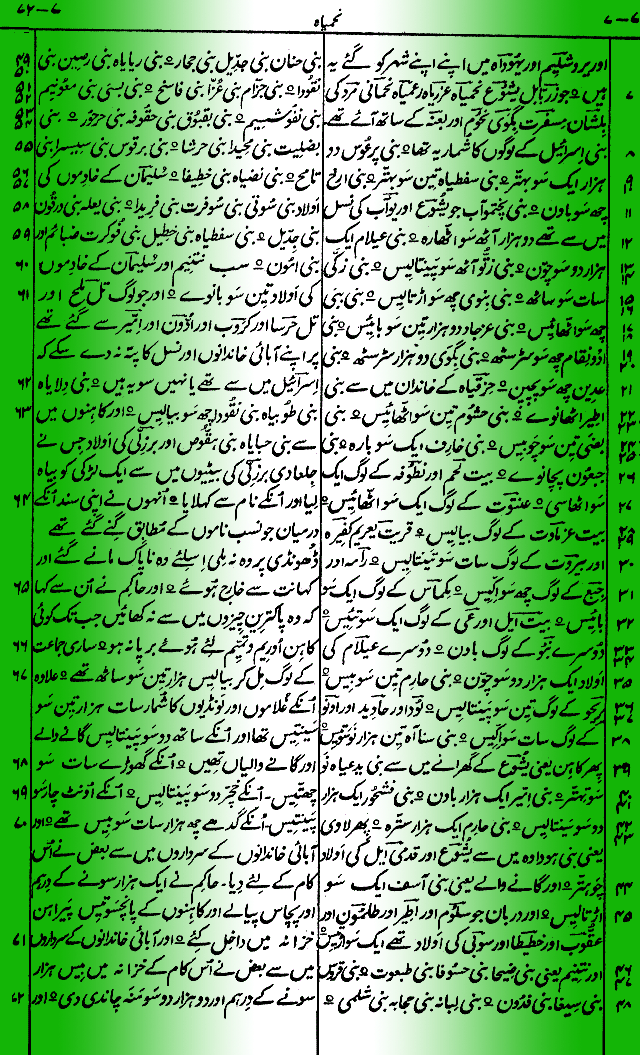
Nehemiah 7:7-72 Verse-by-Verse Commentary
Nehemiah 7:7
-
Verse: Who came with Zerubbabel Jeshua Nehemiah Azariah Raamiah Nahamani Mordecai Bilshan Mispereth Bigvai Nehum Baanah The number I say of the men of the people of Israel was this
-
English Explanation: This verse identifies the prominent leaders who led the Jewish exiles back from Babylon to Jerusalem. Figures like Zerubbabel (the governor) and Jeshua (the high priest) are foundational. This registry highlights the crucial organization of leadership needed to reconstruct the community and preserve national identity.
-
Urdu Explanation: یہ آیت ان اہم رہنماؤں کی شناخت کرتی ہے جو بابل کی اسارت سے یہودیوں کو واپس یروشلم لے کر آئے۔ زربابل (گورنر) اور یشوع (اعلیٰ کاہن) جیسی شخصیات بنیادی حیثیت رکھتی ہیں۔ یہ فہرست ظاہر کرتی ہے کہ کمیونٹی کی تعمیر نو اور قومی شناخت کے تحفظ کے لیے منظم قیادت کتنی ضروری تھی۔
Nehemiah 7:8
-
Verse: The children of Parosh two thousand an hundred seventy and two
-
English Explanation: The family of Parosh is listed first among the civilian clans, showcasing a substantial lineage of 2,172 individuals who committed to returning and rebuilding their ancestral homeland.
-
Urdu Explanation: شہری خاندانوں میں سب سے پہلے پرعوش کے خاندان کا ذکر ہے، جس میں 2,172 افراد شامل تھے۔ یہ ایک بڑا خاندان تھا جس نے اپنے آبائی وطن کی واپسی اور تعمیر نو کا عزم کیا۔
Nehemiah 7:9
-
Verse: The children of Shephatiah three hundred seventy and two
-
English Explanation: The descendants of Shephatiah numbered 372. Every single headcount matters here, as it validates the fulfillment of God’s promise to preserve the remnant of Israel.
-
Urdu Explanation: شفطیاہ کی اولاد کی تعداد 372 تھی۔ یہاں ہر ایک فرد کی گنتی اہمیت رکھتی ہے، کیونکہ یہ اسرائیل کے باقی ماندہ لوگوں کو محفوظ رکھنے کے خدا کے وعدے کی تصدیق کرتی ہے۔
Nehemiah 7:10
-
Verse: The children of Arah six hundred fifty and two
-
English Explanation: The lineage of Arah contributed 652 members to the congregation. This strict accounting ensured that land allocation in Israel could be managed properly based on family roots.
-
Urdu Explanation: آرح کی نسل نے جماعت میں 652 افراد کا حصہ ڈالا۔ اس سخت حساب کتاب کا مقصد یہ تھا کہ خاندانی جڑوں کی بنیاد پر اسرائیل میں زمینوں کی تقسیم کو درست طریقے سے سنبھالا جا سکے۔
Nehemiah 7:11
-
Verse: The children of Pahath-moab of the children of Jeshua and Joab two thousand and eight hundred and eighteen
-
English Explanation: This large family unit, associated with Pahath-moab and the lines of Jeshua and Joab, brought 2,818 people, making them one of the largest clans to return.
-
Urdu Explanation: یہ ایک بڑا خاندانی یونٹ تھا، جو פחת-مواب اور یشوع و یوآب کی نسل سے تھا، اور اس میں 2,818 افراد شامل تھے۔ یہ واپس آنے والے سب سے بڑے خاندانوں میں سے ایک تھا۔
Nehemiah 7:12
-
Verse: The children of Elam a thousand two hundred fifty and four
-
English Explanation: The family of Elam registered 1,254 individuals. Their inclusion demonstrates that family identity remained strong even after decades of exile in Babylon.
-
Urdu Explanation: عیلام کے خاندان نے 1,254 افراد کا اندراج کروایا۔ ان کی شمولیت ظاہر کرتی ہے کہ بابل میں دہائیوں کی اسارت کے بعد بھی خاندانی شناخت مضبوط رہی۔
Nehemiah 7:13
-
Verse: The children of Zattu eight hundred forty and five
-
English Explanation: The descendants of Zattu numbered 845. This detailed census acted as a formal civic and religious backbone for the newly resettled Judean society.
-
Urdu Explanation: زتو کی اولاد کی تعداد 845 تھی۔ یہ تفصیلی مدم شماری نئے آباد ہونے والے یہودیہ کے معاشرے کے لیے ایک باقاعدہ شہری اور مذہبی بنیاد بن گئی۔
Nehemiah 7:14
-
Verse: The children of Zaccai seven hundred and threescore
-
English Explanation: The children of Zaccai totaled 760 (“threescore” meaning sixty). Their lineage was verified to secure their legal standing in the community.
-
Urdu Explanation: زکئی کے بچوں کی کل تعداد 760 تھی (تھری سکور سے مراد ساٹھ ہے)۔ کمیونٹی میں ان کے قانونی مقام کو محفوظ بنانے کے لیے ان کے شجرہ نسب کی تصدیق کی گئی تھی۔
Nehemiah 7:15
-
Verse: The children of Binnui six hundred forty and eight
-
English Explanation: Binnui’s family contributed 648 people. In Ezra’s parallel list, this group is sometimes associated with the name Bani, reflecting minor spelling or transcription variations over time.
-
Urdu Explanation: بنوئی کے خاندان نے 648 افراد کا حصہ ڈالا۔ عزرا کی متوازی فہرست میں، اس گروپ کو بعض اوقات “بانی” کے نام سے جوڑا گیا ہے، جو وقت کے ساتھ ساتھ ہجے یا نقل کی معمولی تبدیلیوں کو ظاہر کرتا ہے۔
Nehemiah 7:16
-
Verse: The children of Bebai six hundred twenty and eight
-
English Explanation: The house of Bebai counted 628 members. Record keeping was vital to guarantee that pagan elements did not secretly integrate into the holy seed of Israel.
-
Urdu Explanation: بیبائی کے خاندان کے 628 ارکان شمار کیے گئے۔ یہ ریکارڈ رکھنا اس بات کو یقینی بنانے کے لیے بہت ضروری تھا کہ مشرکانہ عناصر خفیہ طور پر اسرائیل کی پاک نسل میں شامل نہ ہوں۔
Nehemiah 7:17
-
Verse: The children of Azgad two thousand three hundred twenty and two
-
English Explanation: Azgad’s descendants numbered an impressive 2,322, showing the significant growth and survival of certain Judean families while in captivity.
-
Urdu Explanation: عزجد کی اولاد کی تعداد 2,322 تھی، جو اس بات کو ظاہر کرتی ہے کہ اسارت کے دوران بعض یہودیہ کے خاندانوں نے کتنی نمایاں ترقی اور بقا حاصل کی۔
Nehemiah 7:18
-
Verse: The children of Adonikam six hundred threescore and seven
-
English Explanation: The children of Adonikam totaled 667. This family is recognized across multiple biblical lists for their consistent participation in the return eras.
-
Urdu Explanation: ادونیاہ کے بچوں کی کل تعداد 667 تھی۔ یہ خاندان واپسی کے مختلف ادوار میں اپنی مسلسل شرکت کی وجہ سے بائبل کی متعدد فہرستوں میں جانا جاتا ہے۔
Nehemiah 7:19
-
Verse: The children of Bigvai two thousand threescore and seven
-
English Explanation: Bigvai’s family line brought back 2,067 individuals. Such numbers indicate a deep-seated desire among large family structures to leave Babylon’s comfort for Jerusalem’s ruins.
-
Urdu Explanation: بگونی کے خاندانی سلسلے نے 2,067 افراد کو واپس لایا۔ اتنی بڑی تعداد ظاہر کرتی ہے کہ بڑے خاندانی ڈھانچوں میں بابل کے آرام کو چھوڑ کر یروشلم کے کھنڈرات میں واپس آنے کی گہری خواہش تھی۔
Nehemiah 7:20
-
Verse: The children of Adin six hundred fifty and five
-
English Explanation: The lineage of Adin counted 655 individuals who journeyed across the desert to help restore the worship of the true God.
-
Urdu Explanation: عدین کی نسل میں 655 افراد شمار کیے گئے جنہوں نے سچے خدا کی عبادت کی بحالی میں مدد کے لیے صحرا کا سفر طے کیا۔
Nehemiah 7:21
-
Verse: The children of Ater of Hezekiah ninety and eight
-
English Explanation: This group refers to 98 descendants of Ater, connected to the line of Hezekiah, preserving a distinct sub-lineage within the tribal records.
-
Urdu Explanation: یہ گروپ اتیع کے 98 پس ماندگان کا حوالہ دیتا ہے، جو حزقیاہ کے سلسلے سے جڑے ہوئے تھے، اور انہوں نے قبائلی ریکارڈ میں ایک الگ ذیلی نسل کو محفوظ رکھا۔
Nehemiah 7:22
-
Verse: The children of Hashum three hundred twenty and eight
-
English Explanation: Hashum’s descendants numbered 328. Recording these names validated their covenant responsibilities and property claims in the restored nation.
-
Urdu Explanation: حشوم کی اولاد کی تعداد 328 تھی۔ ان ناموں کو ریکارڈ کرنے سے بحال شدہ قوم میں ان کی عہدی ذمہ داریوں اور جائیداد کے دعووں کی تصدیق ہوتی تھی۔
Nehemiah 7:23
-
Verse: The children of Bezai three hundred twenty and four
-
English Explanation: The family of Bezai totaled 324 members who stepped forward to reclaim their ancestral heritage in Judah.
-
Urdu Explanation: بصی کے خاندان کے کل 324 ارکان تھے جنہوں نے یہوداہ میں اپنے آباؤ اجداد کی میراث پر دوبارہ دعویٰ کرنے کے لیے قدم بڑھایا۔
Nehemiah 7:24
-
Verse: The children of Hariph an hundred and twelve
-
English Explanation: Hariph’s household contributed 112 individuals to the reconstruction efforts of Jerusalem and its surrounding regions.
-
Urdu Explanation: حاریف کے گھرانے نے یروشلم اور اس کے ارد گرد کے علاقوں کی تعمیر نو کی کوششوں میں 112 افراد کا حصہ ڈالا۔
Nehemiah 7:25
-
Verse: The children of Gibeon ninety and five
-
English Explanation: Moving from family names to geographic origins, 95 individuals from the historical town of Gibeon are accounted for here.
-
Urdu Explanation: خاندانی ناموں سے جغرافیائی اصل کی طرف بڑھتے ہوئے، یہاں تاریخی شہر جبعون کے 95 افراد کا حساب دیا گیا ہے۔
Nehemiah 7:26
-
Verse: The men of Bethlehem and Netophah an hundred fourscore and eight
-
English Explanation: Combined, the towns of Bethlehem and Netophah sent 188 men back. This highlights the repopulation of specific cities near Jerusalem.
-
Urdu Explanation: بیت لحم اور نطوفہ کے شہروں نے مل کر 188 مردوں کو واپس بھیجا۔ یہ یروشلم کے قریب مخصوص شہروں کی دوبارہ آبادی کو نمایاں کرتا ہے۔
Nehemiah 7:27
-
Verse: The men of Anathoth an hundred twenty and eight
-
English Explanation: Anathoth, famously known as the home village of the prophet Jeremiah, saw 128 of its men return to revive the local community.
-
Urdu Explanation: عناتوت، جو یرمیاہ نبی کے آبائی گاؤں کے طور پر مشہور ہے، وہاں کے 128 مرد مقامی برادری کو بحال کرنے کے لیے واپس آئے۔
Nehemiah 7:28
-
Verse: The men of Beth-azmaveth forty and two
-
English Explanation: The small town of Beth-azmaveth was represented by 42 men, proving that even the smallest villages played a role in the restoration.
-
Urdu Explanation: بیت عزماوت کے چھوٹے سے شہر کی نمائندگی 42 مردوں نے کی، جس سے یہ ثابت ہوتا ہے کہ بحالی میں چھوٹے سے چھوٹے دیہاتوں نے بھی اپنا کردار ادا کیا۔
Nehemiah 7:29
-
Verse: The men of Kirjath-jearim Chephirah and Beeroth seven hundred forty and three
-
English Explanation: These three towns combined pooled 743 men. Regional grouping helped streamline the resettlement process into ancestral regions.
-
Urdu Explanation: ان تینوں شہروں نے مل کر 743 مرد فراہم کیے۔ علاقائی گروپ بندی نے آبائی علاقوں میں دوبارہ آبادکاری کے عمل کو آسان بنانے میں مدد کی۔
Nehemiah 7:30
-
Verse: The men of Ramah and Geba six hundred twenty and one
-
English Explanation: The historic areas of Ramah and Geba saw 621 citizens return, breathing life back into towns that held immense spiritual and military history.
-
Urdu Explanation: رامہ اور جبع کے تاریخی علاقوں میں 621 شہریوں کی واپسی ہوئی، جس نے ان شہروں میں دوبارہ زندگی پھونک دی جو زبردست روحانی اور فوجی تاریخ رکھتے تھے۔
Nehemiah 7:31
-
Verse: The men of Michmas an hundred and twenty and two
-
Explanation: Michmas sent 122 men back. This careful documentation tracks the literal physical repopulation of the tribal lands of Benjamin and Judah.
-
Urdu Explanation: مخماس نے 122 مرد واپس بھیجے۔ یہ محتاط دستاویزی دستاویزات بنیمین اور یہوداہ کی قبائلی زمینوں کی حقیقی جسمانی دوبارہ آبادی کو ظاہر کرتی ہیں۔
Nehemiah 7:32
-
Verse: The men of Bethel and Ai an hundred twenty and three
-
English Explanation: Bethel and Ai, deeply rooted in Israel’s early history from the days of Abraham and Joshua, had 123 men return to claim the soil.
-
Urdu Explanation: بیت ایل اور عی، جو ابراہام اور یشوع کے دنوں سے اسرائیل کی ابتدائی تاریخ میں گہری جڑیں رکھتے ہیں، وہاں کے 123 مرد زمین پر دعویٰ کرنے کے لیے واپس آئے۔
Nehemiah 7:33
-
Verse: The men of the other Nebo fifty and two
-
English Explanation: Distinct from the famous Mount Nebo, this specific town accounted for 52 returning men to ensure its identity wasn’t lost.
-
Urdu Explanation: مشہور کوہِ نبو سے الگ، اس مخصوص شہر سے 52 مردوں کی واپسی ہوئی تاکہ یہ یقینی بنایا جا سکے کہ اس کی شناخت گم نہ ہو۔
Nehemiah 7:34
-
Verse: The children of the other Elam a thousand two hundred fifty and four
-
English Explanation: To avoid confusion with the family mentioned in verse 12, this “other Elam” is specified, bringing exactly 1,254 members as well.
-
Urdu Explanation: آیت 12 میں مذکور خاندان کے ساتھ الجھن سے بچنے کے لیے، اس “دوسرے عیلام” کی وضاحت کی گئی ہے، جو بالکل 1,254 ارکان کو واپس لایا۔
Nehemiah 7:35
-
Verse: The children of Harim three hundred and twenty
-
English Explanation: The household of Harim registered 320 individuals, adding to the growing population base required to sustain local economic growth.
-
Urdu Explanation: حاریم کے گھرانے نے 320 افراد کا اندراج کیا، جس سے مقامی معاشی ترقی کو برقرار رکھنے کے لیے ضروری بڑھتی ہوئی آبادی میں اضافہ ہوا۔
Nehemiah 7:36
-
Verse: The children of Jericho three hundred forty and five
-
English Explanation: The famous oasis city of Jericho saw 345 of its historic descendants return to re-establish life near the Jordan river.
-
Urdu Explanation: یریحو کے مشہور شہر کے 345 تاریخی پس ماندگان دریائے اردن کے قریب دوبارہ زندگی قائم کرنے کے لیے واپس آئے۔
Nehemiah 7:37
-
Verse: The children of Lod Hadid and Ono seven hundred twenty and one
-
English Explanation: These three closely tied geographic settlements together registered 721 people to rebuild their community infrastructure.
-
Urdu Explanation: ان تینوں قریبی جغرافیائی بستیوں نے مل کر اپنے کمیونٹی کے ڈھانچے کو دوبارہ بنانے کے لیے 721 افراد کا اندراج کیا۔
Nehemiah 7:38
-
Verse: The children of Senaah three thousand nine hundred and thirty
-
English Explanation: The family of Senaah brought a massive group of 3,930 people, providing crucial labor for rebuilding the walls of Jerusalem.
-
Urdu Explanation: ثناہ کے خاندان نے 3,930 افراد کا ایک بہت بڑا گروپ لایا، جس نے یروشلم کی دیواروں کی تعمیر نو کے لیے اہم افرادی قوت فراہم کی۔
Nehemiah 7:39
-
Verse: The priests the children of Jedaiah of the house of Jeshua nine hundred seventy and three
-
English Explanation: Shifting to religious orders, the priestly house of Jedaiah (linked to the High Priest Jeshua) brought 973 members to secure altar sacrifices.
-
Urdu Explanation: مذہبی طبقوں کی طرف بڑھتے ہوئے، یدعیاہ کے کاہنوں کے گھرانے نے (جو اعلیٰ کاہن یشوع سے منسلک تھے) قربان گاہ کی قربانیوں کو محفوظ بنانے کے لیے 973 ارکان فراہم کیے۔
Nehemiah 7:40
-
Verse: The children of Immer a thousand fifty and two
-
English Explanation: The priestly family of Immer numbered 1,052. The high volume of priests returning guaranteed that proper temple worship routines could be fully functional.
-
Urdu Explanation: امر کے کاہن خاندان کی تعداد 1,052 تھی۔ کاہنوں کی اتنی بڑی تعداد میں واپسی نے اس بات کی ضمانت دی کہ ہیکل کی مناسب عبادت کے معمولات مکمل طور پر فعال ہو سکتے ہیں۔
Nehemiah 7:41
-
Verse: The children of Pashur a thousand two hundred forty and seven
-
English Explanation: Pashur’s priestly lineage contributed 1,247 individuals. Their direct participation was core to reinstating spiritual order in Judah.
-
Urdu Explanation: فشہور کے کاہن خاندان نے 1,247 افراد کا حصہ ڈالا۔ ان کی براہ راست شرکت یہوداہ میں روحانی نظام کو دوبارہ قائم کرنے کے لیے بنیادی حیثیت رکھتی تھی۔
Nehemiah 7:42
-
Verse: The children of Harim a thousand and seventeen
-
English Explanation: This priestly branch of Harim numbered 1,017, ensuring that sacred duties were distributed adequately across validated spiritual lines.
-
Urdu Explanation: حاریم کی اس کاہن شاخ کی تعداد 1,017 تھی، جس سے یہ یقینی بنایا گیا کہ مقدس فرائض کو تصدیق شدہ روحانی خطوط پر مناسب طریقے سے تقسیم کیا جائے۔
Nehemiah 7:43
-
Verse: The Levites the children of Jeshua of Kadmiel and of the children of Hodevah seventy and four
-
English Explanation: Interestingly, only 74 Levites from these families returned initially. This low number highlights Nehemiah’s challenge in recruiting assistance for temple upkeep.
-
Urdu Explanation: دلچسپ بات یہ ہے کہ ان خاندانوں میں سے صرف 74 لاوی شروع میں واپس آئے۔ یہ کم تعداد ہیکل کی دیکھ بھال کے لیے مدد حاصل کرنے میں نوحمیاہ کے چیلنج کو نمایاں کرتی ہے۔
Nehemiah 7:44
-
Verse: The singers the children of Asaph an hundred forty and eight
-
English Explanation: The singers from Asaph’s lineage numbered 148. They were crucial because worship through music was a central component of temple liturgy.
-
Urdu Explanation: آسف کی نسل کے گلوکاروں کی تعداد 148 تھی۔ وہ بہت اہم تھے کیونکہ موسیقی کے ذریعے عبادت ہیکل کی رسومات کا ایک مرکزی جزو تھی۔
Nehemiah 7:45
-
Verse: The porters the children of Shallum the children of Ater the children of Talmon the children of Akkub the children of Hatita the children of Shobai an hundred thirty and eight
-
English Explanation: Temple gatekeepers (porters) numbered 138 across six families. They guarded the sanctity of the temple gates against unauthorized entries.
-
Urdu Explanation: ہیکل کے دربانوں کی تعداد چھ خاندانوں میں 138 تھی۔ انہوں نے غیر مجاز داخلے کے خلاف ہیکل کے دروازوں کے تقدس کی حفاظت کی۔
Nehemiah 7:46
-
Verse: The Nethinims the children of Ziha the children of Hashupha the children of Tabbaoth
-
English Explanation: The Nethinim were temple servants, often tracing back to foreign captives dedicated to service. This verse begins their detailed list with Ziha, Hashupha, and Tabbaoth.
-
Urdu Explanation: نتینیم ہیکل کے خادم تھے، جن کا سلسلہ اکثر خدمت کے لیے وقف غیر ملکی قیدیوں سے ملتا ہے۔ یہ آیت ان کی تفصیلی فہرست کا آغاز صیحا، حسبوفا اور طباعوت سے کرتی ہے۔
Nehemiah 7:47
-
Verse: The children of Keros the children of Sia the children of Padon
-
English Explanation: Continuing the genealogy of the Nethinim temple servants, this verse lists the families of Keros, Sia, and Padon.
-
Urdu Explanation: نتینیم ہیکل کے خادموں کے شجرہ نسب کو جاری رکھتے ہوئے، یہ آیت کیروس، سیا اور فادون کے خاندانوں کی فہرست پیش کرتی ہے۔
Nehemiah 7:48
-
Verse: The children of Lebana the children of Hagaba the children of Shalmai
-
English Explanation: The registration moves forward with the descendants of Lebana, Hagaba, and Shalmai, affirming their lawful position as temple helpers.
-
Urdu Explanation: یہ اندراج لبانہ، ہجابا اور شلمئی کی اولاد کے ساتھ آگے بڑھتا ہے، جو ہیکل کے مددگاروں کے طور پر ان کے قانونی مقام کی تصدیق کرتا ہے۔
Nehemiah 7:49
-
Verse: The children of Hanan the children of Giddel the children of Gahar
-
English Explanation: The names of Hanan, Giddel, and Gahar are preserved here, ensuring that their dedicated tasks in the temple courtyard were honored.
-
Urdu Explanation: حانان، جدل اور جحر کے نام یہاں محفوظ ہیں، جس سے یہ یقینی بنایا گیا کہ ہیکل کے صحن میں ان کے مخصوص کاموں کا احترام کیا جائے۔
Nehemiah 7:50
-
Verse: The children of Reaiah the children of Rezin the children of Nekoda
-
English Explanation: The lineages of Reaiah, Rezin, and Nekoda are counted among those who performed necessary operational services for the priests.
-
Urdu Explanation: رآیاہ، رزین اور نقودا کی نسلوں کو ان لوگوں میں شمار کیا جاتا ہے جنہوں نے کاہنوں کے لیے ضروری آپریشنل خدمات انجام دیں۔
Nehemiah 7:51
-
Verse: The children of Gazzam the children of Uzza the children of Phaseah
-
English Explanation: This verse documents the families of Gazzam, Uzza, and Phaseah as verified parts of the serving class within the community.
-
Urdu Explanation: یہ آیت جزام، عزا اور فسیح کے خاندانوں کو کمیونٹی کے اندر خدمت کرنے والے طبقے کے تصدیق شدہ حصوں کے طور پر دستاویزی شکل دیتی ہے۔
Nehemiah 7:52
-
Verse: The children of Besai the children of Meunim the children of Nephishesim
-
English Explanation: The houses of Besai, Meunim, and Nephishesim are listed next, demonstrating how meticulous the administration was about maintaining temple roles.
-
Urdu Explanation: بیسائی، معونیم اور نفیشسیم کے گھرانوں کی فہرست آگے ہے، جو ظاہر کرتی ہے کہ ہیکل کے کرداروں کو برقرار رکھنے کے بارے میں انتظامیہ کتنی محتاط تھی۔
Nehemiah 7:53
-
Verse: The children of Bakbuk the children of Hakupha the children of Harhur
-
English Explanation: Bakbuk, Hakupha, and Harhur are cataloged here. Despite their secondary duties, their lineage was vital to temple functionality.
-
Urdu Explanation: بقبوق، حقوفا اور حرحور کو یہاں کیٹلاگ کیا گیا ہے۔ ان کے ثانوی فرائض کے باوجود، ہیکل کے کام کاج کے لیے ان کا شجرہ نسب بہت اہم تھا۔
Nehemiah 7:54
-
Verse: The children of Bazlith the children of Mehida the children of Harsha
-
English Explanation: The census progresses through the families of Bazlith, Mehida, and Harsha within the broader framework of temple assistants.
-
Urdu Explanation: یہ مردم شماری ہیکل کے مددگاروں کے وسیع تر فریم ورک کے اندر بصلوت، مہیدا اور حرشا کے خاندانوں کے ذریعے آگے بڑھتی ہے۔
Nehemiah 7:55
-
Verse: The children of Barkos the children of Sisera the children of Tamah
-
English Explanation: The children of Barkos, Sisera, and Tamah are documented next, reinforcing that even families with ancient foreign roots were integrated.
-
Urdu Explanation: برقوس، سیسرا اور تمح کے بچوں کو آگے دستاویزی شکل دی گئی ہے، جو اس بات کو تقویت دیتی ہے کہ قدیم غیر ملکی جڑوں والے خاندانوں کو بھی ضم کیا گیا تھا۔
Nehemiah 7:56
-
Verse: The children of Neziah the children of Hatipha
-
English Explanation: The Nethinim section concludes with the lineages of Neziah and Hatipha, preserving their names for posterity.
-
Urdu Explanation: نتینیم کا سیکشن نصیاہ اور حطیفا کی نسلوں کے ساتھ ختم ہوتا ہے، اور ان کے ناموں کو آنے والی نسلوں کے لیے محفوظ کرتا ہے۔
Nehemiah 7:57
-
Verse: The children of Solomon’s servants the children of Sotai the children of Sophereth the children of Perida
-
English Explanation: This introduces a distinct class: descendants of the royal servants of King Solomon. Families listed here include Sotai, Sophereth, and Perida.
-
Urdu Explanation: یہ ایک الگ طبقے کو متعارف کرواتا ہے: بادشاہ سلیمان کے شاہی خادموں کی اولاد۔ یہاں درج خاندانوں میں سوطائی، سوفرت اور فریدہ شامل ہیں۔
Nehemiah 7:58
-
Verse: The children of Jaala the children of Darkon the children of Giddel
-
English Explanation: Continuing Solomon’s servant lines, the census validates the presence of the families of Jaala, Darkon, and Giddel.
-
Urdu Explanation: سلیمان کے خادموں کے سلسلے کو جاری رکھتے ہوئے، مردم شماری یعلہ، درقون اور جدل کے خاندانوں کی موجودگی کی تصدیق کرتی ہے۔
Nehemiah 7:59
-
Verse: The children of Shephatiah the children of Hattil the children of Pochereth of Zebaim the children of Amon
-
English Explanation: The final specific lines of Solomon’s servants are listed: Shephatiah, Hattil, Pochereth of Zebaim, and Amon.
-
Urdu Explanation: سلیمان کے خادموں کے آخری مخصوص سلسلے درج ہیں: شفطیاہ، حطیل، فوخرت ضبائیم اور آمون۔
Nehemiah 7:60
-
Verse: All the Nethinims and the children of Solomon’s servants were three hundred ninety and two
-
English Explanation: The cumulative total of both the Nethinim and Solomon’s servants combined was 392, proving that these support structures survived exile together.
-
Urdu Explanation: نتینیم اور سلیمان کے خادموں دونوں کی کل ملا کر تعداد 392 تھی، جو یہ ثابت کرتی ہے کہ یہ معاون ڈھانچے اسارت میں ایک ساتھ زندہ رہے۔
Nehemiah 7:61
-
Verse: And these were they which went up also from Telmelah Telharesha Cherub Addon and Immer but they could not shew their father’s house nor their seed whether they were of Israel
-
English Explanation: This passage highlights a critical issue: people returning from places like Telmelah and Cherub who lacked genealogical papers to prove their Israelite heritage.
-
Urdu Explanation: یہ حوالہ ایک اہم مسئلہ کو اجاگر کرتا ہے: تلملح اور کروب جیسے مقامات سے واپس آنے والے لوگ جن کے پاس اپنی اسرائیلی وراثت کو ثابت کرنے کے لیے شجرہ نسب کے کاغذات نہیں تھے۔
Nehemiah 7:62
-
Verse: The children of Delaiah the children of Tobiah the children of Nekoda six hundred forty and two
-
English Explanation: The specific families of Delaiah, Tobiah, and Nekoda totaled 642 people, all facing the challenge of unverified family backgrounds.
-
Urdu Explanation: دلایاہ، طوبیاہ اور نقودا کے مخصوص خاندانوں میں کل 642 افراد شامل تھے، جنہیں خاندانی پس منظر کی تصدیق نہ ہونے کے چیلنج کا سامنا تھا۔
Nehemiah 7:63
-
Verse: And of the priests the children of Habaiah the children of Koz the children of Barzillai which took one of the daughters of Barzillai the Gileadite to wife and was called after their name
-
English Explanation: Priestly lines also had registration gaps, notably the lines of Habaiah, Koz, and Barzillai (who took his name from his maternal line).
-
Urdu Explanation: کاہنوں کے سلسلوں میں بھی اندراج کے خلا موجود تھے، خاص طور پر حبایاہ، کوص اور برزلی کے سلسلے (جس نے اپنا نام اپنے نانی کے سلسلے سے لیا تھا)۔
Nehemiah 7:64
-
Verse: These sought their register among those that were reckoned by genealogy but it was not found therefore were they as polluted put from the priesthood
-
English Explanation: Because their official genealogical documents could not be found, they were excluded from the priesthood as “polluted” to maintain strict ritual purity.
-
Urdu Explanation: چونکہ ان کی سرکاری شجرہ نسب کی دستاویزات نہیں مل سکیں، اس لیے انہیں سخت رسومات کی پاکیزگی کو برقرار رکھنے کے لیے “ناپاک” کے طور پر کہانت سے خارج کر دیا گیا تھا۔
Nehemiah 7:65
-
Verse: And the Tirshatha said unto them that they should not eat of the most holy things till there stood up a priest with Urim and Thummim
-
English Explanation: The “Tirshatha” (governor, referring to Nehemiah) barred them from eating sacred foods until a priest could consult the divine Urim and Thummim to discover the truth.
-
Urdu Explanation: “ترشاتا” (گورنر، جس سے مراد نوحمیاہ ہے) نے انہیں مقدس کھانا کھانے سے روک دیا جب تک کہ کوئی کاہن سچائی کا پتہ لگانے کے لیے الٰہی اوریم اور تمیم سے مشورہ نہ کر لے۔
Nehemiah 7:66
-
Verse: The whole congregation together was forty and two thousand three hundred and threescore
-
English Explanation: The total count for the core assembly of returning exiles is given as 42,360, serving as the foundational population of the post-exilic community.
-
Urdu Explanation: واپس آنے والے پناہ گزینوں کی بنیادی اسمبلی کی کل تعداد 42,360 بتائی گئی ہے، جو اسارت کے بعد کی کمیونٹی کی بنیادی آبادی کے طور پر کام کرتی ہے۔
Nehemiah 7:67
-
Verse: Beside their manservants and their maidservants of whom there were seven thousand three hundred thirty and seven and they had two hundred forty and five singing men and singing women
-
English Explanation: Beyond the core citizens, there were 7,337 servants and 245 professional singers who accompanied the assembly back to Jerusalem.
-
Urdu Explanation: بنیادی شہریوں کے علاوہ، 7,337 خادم اور 245 پیشہ ور گلوکار تھے جو اسمبلی کے ساتھ واپس یروشلم آئے تھے۔
Nehemiah 7:68
-
Verse: Their horses seven hundred thirty and six their mules two hundred forty and five
-
English Explanation: The inventory of livestock begins with 736 horses and 245 mules, highlighting the material and physical transport logistics of their journey.
-
Urdu Explanation: مویشیوں کی فہرست 736 گھوڑوں اور 245 خچروں سے شروع ہوتی ہے، جو ان کے سفر کے مادی اور جسمانی نقل و حمل کے انتظامات کو نمایاں کرتی ہے۔
Nehemiah 7:69
-
Verse: Their camels four hundred thirty and five six thousand seven hundred and twenty asses
-
English Explanation: The livestock tally concludes with 435 camels and 6,720 beasts of burden (asses), showing the practical capacity they had for hauling freight.
-
Urdu Explanation: مویشیوں کی گنتی 435 اونٹوں اور 6,720 گدھوں پر ختم ہوتی ہے، جو مال برداری کے لیے ان کی عملی صلاحیت کو ظاہر کرتی ہے۔
Nehemiah 7:70
-
Verse: And some of the chief of the fathers gave unto the work The Tirshatha gave to the treasure a thousand drams of gold fifty basons five hundred and thirty priests’ garments
-
English Explanation: Generosity fueled the reconstruction. Nehemiah (the Tirshatha) contributed significantly from his personal wealth, donating gold, basins, and 530 priestly robes.
-
Urdu Explanation: سخاوت نے تعمیر نو کو ہوا دی۔ نوحمیاہ (ترشاتا) نے اپنی ذاتی دولت سے اہم حصہ ڈالا، جس میں سونا، باسن اور 530 کاہنوں کے لباس عطیہ کیے۔
Nehemiah 7:71
-
Verse: And some of the chief of the fathers gave to the treasure of the work twenty thousand drams of gold and two thousand and two hundred pound of silver
-
English Explanation: Clan leaders followed the governor’s example, giving 20,000 drams of gold and 2,200 pounds of silver to ensure temple operations were well financed.
-
Urdu Explanation: خاندانی رہنماؤں نے گورنر کی مثال پر عمل کیا، اور ہیکل کے کاموں کے لیے مالی وسائل کو یقینی بنانے کے لیے 20,000 درہم سونا اور 2,200 پاؤنڈ چاندی دیے۔
Nehemiah 7:72
-
Verse: And that which the rest of the people gave was twenty thousand drams of gold and two thousand pound of silver and threescore and seven priests’ garments
-
English Explanation: The common people also united in giving 20,000 drams of gold, 2,000 pounds of silver, and 67 priestly garments, completing a community-wide investment in God’s house.
-
Urdu Explanation: عام لوگوں نے بھی متحد ہو کر 20,000 درہم سونا، 2,000 پاؤنڈ چاندی، اور 67 کاہنوں کے لباس دیے، جس سے خدا کے گھر میں پوری برادری کی سرمایہ کاری مکمل ہوئی۔