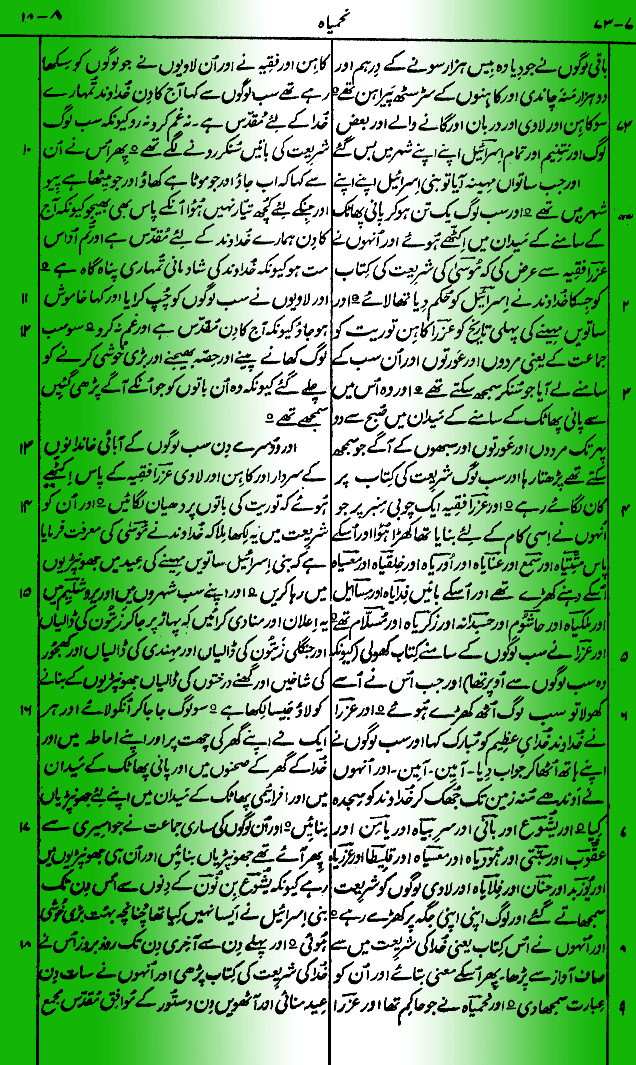
## Nehemiah 7:73
The Verse
So the priests and the Levites and the porters and the singers and some of the people and the Nethinims and all Israel dwelt in their cities and when the seventh month came the children of Israel were in their cities
Detailed Explanation (English)
This verse serves as a crucial bridge between the physical rebuilding of Jerusalem’s walls and the spiritual rebuilding of the people’s hearts. After meticulously registering the returning exiles, everyone settled into their ancestral towns. The mention of the “seventh month” (Tishrei) is highly significant in the Hebrew calendar. This month hosted the Feast of Trumpets, the Day of Atonement, and the Feast of Tabernacles. It indicates that despite the chaotic resettlement process, the people prioritized divine timing and unity, setting the stage for a massive holy gathering.
تفصیلی وضاحت (Urdu)
یہ آیت یروشلم کی دیواروں کی جسمانی تعمیر اور لوگوں کے دلوں کی روحانی تعمیر کے درمیان ایک اہم کڑی کا کام کرتی ہے۔ جلاوطنی سے واپس آنے والے لوگوں کی فہرست تیار کرنے کے بعد، تمام لوگ اپنے اپنے شہروں میں آباد ہو گئے۔ عبرانی تقویم (کیلنڈر) میں “ساتویں مہینے” (تشرئی) کا ذکر بہت اہمیت رکھتا ہے۔ اس مہینے میں نرسنگوں کی عید، کفارے کا دن، اور خیموں کی عید منائی جاتی تھی۔ یہ آیت ظاہر کرتی ہے کہ آباد کاری کی تمام تر مصروفیات کے باوجود، لوگوں نے خدا کے مقرر کردہ وقت اور باہمی اتحاد کو ترجیح دی، جس نے ایک بڑے روحانی اجتماع کے لیے راستہ ہموار کیا۔
## Nehemiah 8:1
The Verse
And all the people gathered themselves together as one man into the street that was before the water gate and they spake unto Ezra the scribe to bring the book of the law of Moses which the LORD had commanded to Israel
Detailed Explanation (English)
Unity is the central theme here; the phrase “as one man” underscores their collective hunger for God’s Word. The “water gate” represents cleansing and restoration. Notice that the initiative came from the people, not the leaders. They corporate-ly hungered for truth and requested Ezra—the priest and scribe who had arrived years earlier—to bring out the Torah (the Law of Moses). Physical security (the wall) was no longer enough; they recognized they needed spiritual anchoring.
تفصیلی وضاحت (Urdu)
یہاں اتحاد اس آیت کا مرکزی موضوع ہے؛ “ایک آدمی کی مانند” کا جملہ خدا کے کلام کے لیے ان کی اجتماعی بھوک اور پیاس کو ظاہر کرتا ہے۔ “پانی کے پھاٹک” کا علاقہ پاکیزگی اور بحالی کی علامت ہے۔ غور طلب بات یہ ہے کہ یہ پہل رہنماؤں کی طرف سے نہیں بلکہ خود عوام کی طرف سے ہوئی تھی۔ وہ سب مل کر سچائی کے پیاسے تھے اور انہوں نے عزرا فقیہ سے درخواست کی کہ وہ موسیٰ کی شریعت کی کتاب لے کر آئیں جس کا حکم خداوند نے اسرائیل کو دیا تھا۔ اب صرف جسمانی تحفظ (دیوار) کافی نہیں تھا، وہ سمجھ چکے تھے کہ انہیں روحانی بنیاد کی ضرورت ہے۔
## Nehemiah 8:2
The Verse
And Ezra the priest brought the law before the congregation both of men and women and all that could hear with understanding upon the first day of the seventh month
Detailed Explanation (English)
Ezra answers the call on the first day of the seventh month, which corresponds to Rosh Hashanah (The Feast of Trumpets). The text explicitly highlights that the congregation included “both men and women, and all that could hear with understanding” (including children old enough to comprehend). This demonstrates that God’s Word is inclusive and meant for the entire family unit, demanding conscious mental engagement and accountability from everyone capable of understanding.
تفصیلی وضاحت (Urdu)
عزرا نے ساتویں مہینے کے پہلے دن لوگوں کی پکار کا جواب دیا، یہ دن “روش ہاشنا” (نرسنگوں کی عید) کا دن تھا۔ متن میں واضح طور پر بتایا گیا ہے کہ اس مجمع میں “مرد اور عورتیں اور وہ سب جو سمجھ بوجھ کے ساتھ سن سکتے تھے” (بشمول وہ بچے جو سمجھنے کی عمر کو پہنچ چکے تھے) شامل تھے۔ یہ اس بات کو ثابت کرتا ہے کہ خدا کا کلام سب کے لیے ہے اور پورے خاندان کے لیے ہے۔ یہ ہر اس شخص سے ذہنی توجہ اور ذمہ داری کا تقاضا کرتا ہے جو سمجھنے کی صلاحیت رکھتا ہے۔
## Nehemiah 8:3
The Verse
And he read therein before the street that was before the water gate from the morning until midday before the men and the women and those that could understand and the ears of all the people were attentive unto the book of the law
Detailed Explanation (English)
For roughly five to six hours (“from the morning until midday”), Ezra read the Scriptures out loud. What is remarkable is not just the endurance of the reader, but the stamina and posture of the listeners. The phrase “the ears of all the people were attentive” underscores a profound respect for God’s truth. In an era without printing presses or personal Bibles, hearing the Word read publically was a rare, cherished spiritual lifeline.
تفصیلی وضاحت (Urdu)
تقریباً پانچ سے چھ گھنٹے تک (“صبح سے دوپہر تک”)، عزرا بلند آواز میں کلامِ مقدس کی تلاوت کرتے رہے۔ یہاں قابلِ تعریف بات صرف پڑھنے والے کی ہمت نہیں، بلکہ سننے والوں کا صبر اور ان کا رویہ بھی ہے۔ یہ جملہ کہ “سب لوگوں کے کان شریعت کی کتاب پر لگے تھے” خدا کی سچائی کے لیے ان کے گہرے احترام کو ظاہر کرتا ہے۔ اس دور میں جب چھاپہ خانے یا ذاتی بائبلیں موجود نہیں تھیں، عوامی سطح پر کلام کو سننا ایک نایاب اور انتہائی قیمتی روحانی موقع تھا۔
## Nehemiah 8:4
The Verse
And Ezra the scribe stood upon a pulpit of wood which they had made for the purpose and beside him stood Mattithiah and Shema and Anaiah and Urijah and Hilkiah and Maaseiah on his right hand and on his left hand Pedaiah and Mishael and Malchiah and Hashum and Hashbadana Zechariah and Meshullam
Detailed Explanation (English)
This verse contains the first historical mention of a “pulpit”—a raised wooden platform constructed specifically to elevate the reader so everyone could see and hear clearly. This elevated structure symbolized the supreme authority of God’s Word over the assembly. The thirteen men named standing on Ezra’s right and left hands were leaders and priests who stood in solidarity, showcasing leadership alignment and support for the public proclamation of Scripture.
تفصیلی وضاحت (Urdu)
اس آیت میں تاریخ میں پہلی بار ایک بلند “چبوترے” (پانی مبر یا منبر) کا ذکر ملتا ہے—لکڑی کا ایک اونچا پلیٹ فارم جو خاص طور پر اسی مقصد کے لیے بنایا گیا تھا تاکہ پڑھنے والا سب کو نظر آئے اور اس کی آواز صاف سنائی دے۔ یہ اونچا ڈھانچہ مجمع پر خدا کے کلام کی حاکمیت اور برتری کو ظاہر کرتا تھا۔ عزرا کے دائیں اور بائیں کھڑے تیرہ آدمی رہنما اور کاہن تھے جو یکجہتی کے ساتھ کھڑے تھے، جو کہ کلام کے عوامی اعلان کے لیے قیادت کے اتحاد اور تعاون کو ظاہر کرتا ہے۔
## Nehemiah 8:5
The Verse
And Ezra opened the book in the sight of all the people (for he was above all the people) and when he opened it all the people stood up
Detailed Explanation (English)
When Ezra unrolled the scroll, a powerful corporate reaction occurred: “all the people stood up.” This spontaneous action was not demanded by law but triggered by profound reverence. Standing up manifested their internal honor for God’s vocalized will. It challenges modern readers regarding their posture—both physical and spiritual—when engaging with sacred text.
تفصیلی وضاحت (Urdu)
جب عزرا نے طومار (کتاب) کو کھولا، تو لوگوں کی طرف سے ایک زبردست اجتماعی ردعمل سامنے آیا: “سب لوگ کھڑے ہو گئے”۔ یہ خودبخود ہونے والا عمل شریعت کے کسی حکم کے تحت نہیں تھا بلکہ خدا کے کلام کے لیے ان کے دلوں میں موجود گہرے احترام کا نتیجہ تھا۔ ان کا کھڑا ہونا خدا کی مرضی کے احترام کی ظاہری علامت تھا۔ یہ عمل آج کے پڑھنے والوں کو بھی دعوت دیتا ہے کہ وہ کلامِ مقدس کو پڑھتے وقت اپنے ظاہری اور باطنی رویوں کا جائزہ لیں۔
## Nehemiah 8:6
The Verse
And Ezra blessed the LORD the great God And all the people answered Amen Amen with lifting up their hands and they bowed their heads and worshipped the LORD with their faces to the ground
Detailed Explanation (English)
This is a rich description of corporate, multi-sensory worship. Ezra praises God, and the people respond verbally with “Amen, Amen” (meaning “let it be so, truly”). Their bodies match their hearts: hands are lifted up in surrender and expectancy, followed by total prostration with faces to the ground in humility. True exposure to God’s Word always leads directly to sincere worship.
تفصیلی وضاحت (Urdu)
یہ اجتماعی اور بھرپور عبادت کا ایک خوبصورت منظر ہے۔ عزرا خدا کی حمد و ثنا کرتے ہیں، اور لوگ زبانی طور پر “آمین، آمین” (یعنی ایسا ہی ہو، آمین) کہہ کر جواب دیتے ہیں۔ ان کے جسمانی اعضاء ان کے دلوں کی کیفیت کا ساتھ دے رہے تھے: ہاتھ سرکشی چھوڑ کر اور امید کے ساتھ اوپر اٹھائے گئے، اور پھر عاجزی کے ساتھ اپنے چہروں کو زمین پر ٹیک کر سجدہ کیا۔ خدا کے کلام کا سچا سامنا ہمیشہ سچی اور مخلصانہ عبادت کی طرف لے جاتا ہے۔
## Nehemiah 8:7
The Verse
Also Jeshua and Bani and Sherebiah Jamin Akkub Shabbethai Hodijah Maaseiah Kelita Azariah Jozabad Hanan Pelaiah and the Levites caused the people to understand the law and the people stood in their place
Detailed Explanation (English)
While Ezra read from the central platform, a network of Levites moved through the crowd or stood in designated sections to explain the text. Since the Jews had spent 70 years in Babylonian captivity, many spoke Imperial Aramaic rather than classical Hebrew. These Levites served as translators and teachers, bridging the language and contextual gap so that no one was left in ignorance.
تفصیلی وضاحت (Urdu)
جب عزرا مرکزی چبوترے سے تلاوت کر رہے تھے، تو لاویوں کا ایک نیٹ ورک مجمع کے درمیان موجود تھا یا مخصوص حصوں میں کھڑا تھا تاکہ متن کی وضاحت کر سکے۔ چونکہ یہودی 70 سال تک بابل کی اسیری میں رہے تھے، اس لیے ان میں سے بہت سے لوگ کلاسیکی عبرانی کے بجائے آرامی زبان بولتے تھے۔ ان لاویوں نے ترجمان اور اساتذہ کا کام کیا، زبان اور سیاق و سباق کے فرق کو ختم کیا تاکہ کوئی بھی شخص لاعلم نہ رہے۔
## Nehemiah 8:8
The Verse
So they read in the book in the law of God distinctly and gave the sense and caused them to understand the reading
Detailed Explanation (English)
This verse establishes the foundational methodology for all sound biblical teaching and preaching. To read “distinctly” means clearly and accurately. To “give the sense” means to explain the original meaning and context, translating it into practical application. Spiritual transformation does not happen simply by hearing words; it happens when the mind and heart fully grasp the meaning of truth.
تفصیلی وضاحت (Urdu)
یہ آیت درست اور سچی بائبل کی تعلیم و تبلیغ کے بنیادی طریقے کو وضع کرتی ہے۔ “صاف صاف” پڑھنے کا مطلب ہے واضح اور درست طریقے سے پڑھنا۔ “معنی بتائے” کا مطلب ہے اصل مفہوم اور سیاق و سباق کی وضاحت کرنا اور اسے عملی زندگی پر لاگو کرنا۔ روحانی تبدیلی صرف الفاظ سننے سے نہیں آتی، بلکہ یہ تب ہوتی ہے جب دماغ اور دل سچائی کے اصل مفہوم کو پوری طرح سمجھ لیتے ہیں۔
## Nehemiah 8:9
The Verse
And Nehemiah which is the Tirshatha and Ezra the priest the scribe and the Levites that taught the people said unto all the people This day is holy unto the LORD your God mourn not nor weep For all the people wept when they heard the words of the law
Detailed Explanation (English)
When the people finally understood God’s holy standards, they realized how deeply they and their forefathers had failed. This conviction resulted in widespread weeping and mourning. However, Nehemiah (the Tirshatha or Governor), Ezra, and the Levites intervened. While repentance is necessary, a holy day of celebration should not be swallowed up by grief. Conviction should lead to restoration, not hopeless condemnation.
تفصیلی وضاحت (Urdu)
جب لوگ بالآخر خدا کے پاک معیاروں کو سمجھ گئے، تو انہیں احساس ہوا کہ وہ اور ان کے آباؤ اجداد کس قدر گناہ گار اور ناکام رہے تھے۔ اس احساسِ گناہ نے سب کو رونے اور ماتم کرنے پر مجبور کر دیا۔ تاہم، نحمیاہ (ترشاتا یعنی گورنر)، عزرا اور لاویوں نے انہیں روکا۔ اگرچہ توبہ ضروری ہے، لیکن جشن کے ایک مقدس دن کو غم میں نہیں ڈوبنا چاہیے تھا۔ گناہ کا احساس بحالی کی طرف لے جانا چاہیے، نہ کہ مایوس کن ملامت کی طرف۔
## Nehemiah 8:10
The Verse
Then he said unto them Go your way eat the fat and drink the sweet and send portions unto them for whom nothing is prepared for this day is holy unto our Lord neither be ye sorry for the joy of the LORD is your strength
Detailed Explanation (English)
This contains one of the most famous declarations in Scripture: “The joy of the LORD is your strength.” Nehemiah instructs them to celebrate by eating choice foods, drinking sweet drinks, and practicing charity by sending portions to the poor (“those for whom nothing is prepared”). True biblical joy is not superficial happiness; it is a deep-seated confidence in God’s grace and sovereignty that provides supernatural strength to endure and rebuild.
تفصیلی وضاحت (Urdu)
اس آیت میں پاک کلام کا ایک مشہور ترین اعلان موجود ہے: “خداوند کا خوشی کرنا تمہاری محکم پناہ (طاقت) ہے”۔ نحمیاہ نے انہیں اچھے کھانے کھانے، میٹھی چیزیں پینے، اور غریبوں کو حصے بھیج کر خیرات کرنے کی ہدایت کی (“جن کے لیے کچھ تیار نہیں کیا گیا تھا”)۔ سچی بائبلی خوشی کوئی سطحی خوشی نہیں ہے، بلکہ یہ خدا کے فضل اور اس کی حاکمیت پر ایک گہرا بھروسہ ہے جو ہمیں مشکلات کا سامنا کرنے اور دوبارہ کھڑے ہونے کے لیے مافوق الفطرت طاقت فراہم کرتا ہے۔
## Nehemiah 8:11
The Verse
So the Levites stilled all the people saying Hold your peace for the day is holy neither be ye grieved
Detailed Explanation (English)
The Levites echoed Nehemiah’s leadership, moving through the weeping crowds to quiet their emotional distress. They reminded the congregation that the day was set apart (“holy”) for celebrating God’s goodness, not for self-absorbed mourning. There is a time to weep for sin, but when God declares a season of rejoicing and forgiveness, continuing to grieve is a misunderstanding of His grace.
تفصیلی وضاحت (Urdu)
لاویوں نے نحمیاہ کی قیادت کی تائید کی اور روتے ہوئے مجمع کے درمیان جا کر ان کے جذباتی دکھ کو پرسکون کیا۔ انہوں نے لوگوں کو یاد دلایا کہ یہ دن خدا کی بھلائی کا جشن منانے کے لیے مخصوص (“مقدس”) کیا گیا ہے، نہ کہ ماتم کے لیے۔ گناہ پر رونے کا ایک وقت ہوتا ہے، لیکن جب خدا خوشی اور معافی کے دور کا اعلان کرتا ہے، تو مسلسل غمگین رہنا اس کے فضل کو نہ سمجھنے کے برابر ہے۔
## Nehemiah 8:12
The Verse
And all the people went their way to eat and to drink and to send portions and to make great mirth because they had understood the words that were declared unto them
Detailed Explanation (English)
The obedience of the people is immediate and joyful. They transition from weeping to rejoicing. Notice the catalyst for their “great mirth”: it was “because they had understood the words.” True, lasting joy in the believer’s life is always a direct byproduct of understanding and applying God’s revealed truth.
تفصیلی وضاحت (Urdu)
لوگوں نے فوراً اور خوشی کے ساتھ اس حکم کی فرمانبرداری کی۔ وہ رونے دھونے سے نکل کر خوشی منانے لگے۔ ان کی اس “بڑی خوشی” کی وجہ پر غور کریں: یہ اس لیے تھی “کیونکہ وہ ان باتوں کو سمجھ گئے تھے” جو انہیں بتائی گئی تھیں۔ ایماندار کی زندگی میں سچی اور دیرپا خوشی ہمیشہ خدا کی ظاہر کردہ سچائی کو سمجھنے اور اس پر عمل کرنے کا براہِ راست نتیجہ ہوتی ہے۔
## Nehemiah 8:13
The Verse
And on the second day were gathered together the chief of the fathers of all the people the priests and the Levites unto Ezra the scribe even to understand the words of the law
Detailed Explanation (English)
Spiritual hunger is cumulative. Having tasted the sweetness of the Word on day one, the leaders (heads of families, priests, and Levites) returned on the second day for deeper study. True spiritual leaders recognize they must first understand the law deeply themselves before they can effectively guide and lead those under their care.
تفصیلی وضاحت (Urdu)
روحانی بھوک وقت کے ساتھ بڑھتی ہے۔ پہلے دن کلام کی مٹھاس کا ذائقہ چکھنے کے بعد، رہنما (خاندانوں کے سربراہ، کاہن اور لاوی) دوسرے دن مزید گہرے مطالعہ کے لیے عزرا فقیہ کے پاس جمع ہوئے۔ سچے روحانی رہنما اس بات کو تسلیم کرتے ہیں کہ اپنی زیرِ نگرانی لوگوں کی مؤثر رہنمائی کرنے سے پہلے انہیں خود شریعت کے الفاظ کو گہرائی سے سمجھنا ضروری ہے۔
## Nehemiah 8:14
The Verse
And they found written in the law which the LORD had commanded by Moses that the children of Israel should dwell in booths in the feast of the seventh month
Detailed Explanation (English)
As they studied Leviticus 23, they discovered a forgotten command: the commands concerning the Feast of Tabernacles (Sukkot). God had commanded Israel to live in temporary shelters (“booths”) for seven days to remember how God sustained their ancestors in the wilderness after extracting them from Egypt. Revival always uncovers neglected areas of obedience.
تفصیلی وضاحت (Urdu)
جب انہوں نے احبار 23 ابواب کا مطالعہ کیا، تو انہیں ایک فراموش شدہ حکم ملا: یعنی خیموں کی عید (Sukkot) کے احکام۔ خدا نے اسرائیل کو حکم دیا تھا کہ وہ سات دن تک عارضی پناہ گاہوں (“خیموں”) میں رہیں تاکہ یاد رکھیں کہ خدا نے مصر سے نکالنے کے بعد بیابان میں ان کے آباؤ اجداد کی کیسے پرورش کی تھی۔ روحانی بیداری ہمیشہ فرمانبرداری کے ان شعبوں کو بے نقاب کرتی ہے جنہیں نظر انداز کر دیا گیا ہو۔
## Nehemiah 8:15
The Verse
And that they should publish and proclaim in all their cities and in Jerusalem saying Go forth unto the mount and fetch olive branches and pine branches and myrtle branches and palm branches and branches of thick trees to make booths as it is written
Detailed Explanation (English)
The leaders instantly transformed their new knowledge into action. They sent out a proclamation across all towns telling people to gather natural materials—olive, pine, myrtle, and palm branches. This shows meticulous attention to the physical requirements of the commandment. True faith is always vindicated by prompt, external execution of biblical text.
تفصیلی وضاحت (Urdu)
رہنماؤں نے اپنے اس نئے علم کو فوری طور پر عمل میں بدل دیا۔ انہوں نے تمام شہروں میں منادی کروا دی کہ لوگ زیتون، صنوبر، مہندی اور کھجور کی ٹہنیاں جمع کریں۔ یہ حکم کی ظاہری اور عملی ضروریات پر گہری توجہ کو ظاہر کرتا ہے۔ سچا ایمان ہمیشہ بائبل کے متن پر فوری اور ظاہری عمل درآمد سے ثابت ہوتا ہے۔
## Nehemiah 8:16
The Verse
So the people went forth and brought them and made themselves booths every one upon the roof of his house and in their courts and in the courts of the house of God and in the street of the water gate and in the street of the gate of Ephraim
Detailed Explanation (English)
The response was universal. Everywhere you looked in Jerusalem—on flat rooftops, in private courtyards, in the temple courts, and in the public squares near the gates—leafy booths were erected. The visual transformation of the city served as a massive public testimony of their renewed submission to Yahweh’s covenant.
تفصیلی وضاحت (Urdu)
لوگوں کا ردعمل عالمگیر تھا یعنی ہر طرف ایک جیسا تھا۔ یروشلم میں جہاں بھی نظر جاتی—گھروں کی چھتوں پر، صحنوں میں، خدا کے گھر کے صحنوں میں، اور پھاٹکوں کے پاس عوامی چوکوں میں—پتوں والے خیمے کھڑے نظر آتے تھے۔ شہر کی اس ظاہری تبدیلی نے یہوواہ کے عہد کے ساتھ ان کی نئی وفاداری اور تابعداری کی ایک بہت بڑی عوامی گواہی کا کام کیا۔
## Nehemiah 8:17
The Verse
And all the congregation of them that were come again out of the captivity made booths and sat under the booths for since the days of Jeshua the son of Nun unto that day had not the children of Israel done so And there was very great gladness
Detailed Explanation (English)
The text notes that a celebration of this scale and heartfelt compliance had not occurred since the days of Joshua (Jeshua the son of Nun). While the feast had been observed in fragments before, the intensity, unity, and heart posture of the entire remnant community made this particular festival historic, resulting in “very great gladness.”
تفصیلی وضاحت (Urdu)
متن میں بتایا گیا ہے کہ اس پیمانے پر اور پورے دل سے اس عید کا جشن یشوع بن نون کے دنوں سے اب تک نہیں منایا گیا تھا۔ اگرچہ یہ عید پہلے بھی جزوی طور پر منائی جاتی رہی تھی، لیکن اس پورے بچے ہوئے مجمع کی شدت، اتحاد اور دل کی کیفیت نے اس خاص جشن کو تاریخی بنا دیا، جس کے نتیجے میں “بہت بڑی خوشی” پیدا ہوئی۔
## Nehemiah 8:18
The Verse
Also day by day from the first day unto the last day he read in the book of the law of God And they kept the feast seven days and on the eighth day was a solemn assembly according unto the manner
Detailed Explanation (English)
The chapter concludes by highlighting consistency. The community didn’t just get an emotional high on day one; Ezra read the law every single day of the seven-day feast. The celebration culminated on the eighth day with a “solemn assembly,” strictly following the patterns laid down in the Torah. Lasting revival is sustained not by fleeting emotional events, but by daily, systematic absorption of God’s Word.
تفصیلی وضاحت (Urdu)
یہ باب مستقل مزاجی پر ختم ہوتا ہے۔ مجمع نے صرف پہلے دن ہی جذباتی جوش نہیں دکھایا، بلکہ عزرا نے عید کے ساتوں دن ہر روز خدا کی شریعت کی کتاب پڑھ کر سنائی۔ یہ جشن آٹھویں دن تورات میں لکھے گئے طریقوں کے مطابق ایک “مقدس مجمع” کے ساتھ اختتام پذیر ہوا۔ پائیدار روحانی بیداری عارضی جذباتی واقعات سے نہیں بلکہ خدا کے کلام کو روزانہ اور باقاعدگی سے اپنی زندگیوں کا حصہ بنانے سے قائم رہتی ہے۔