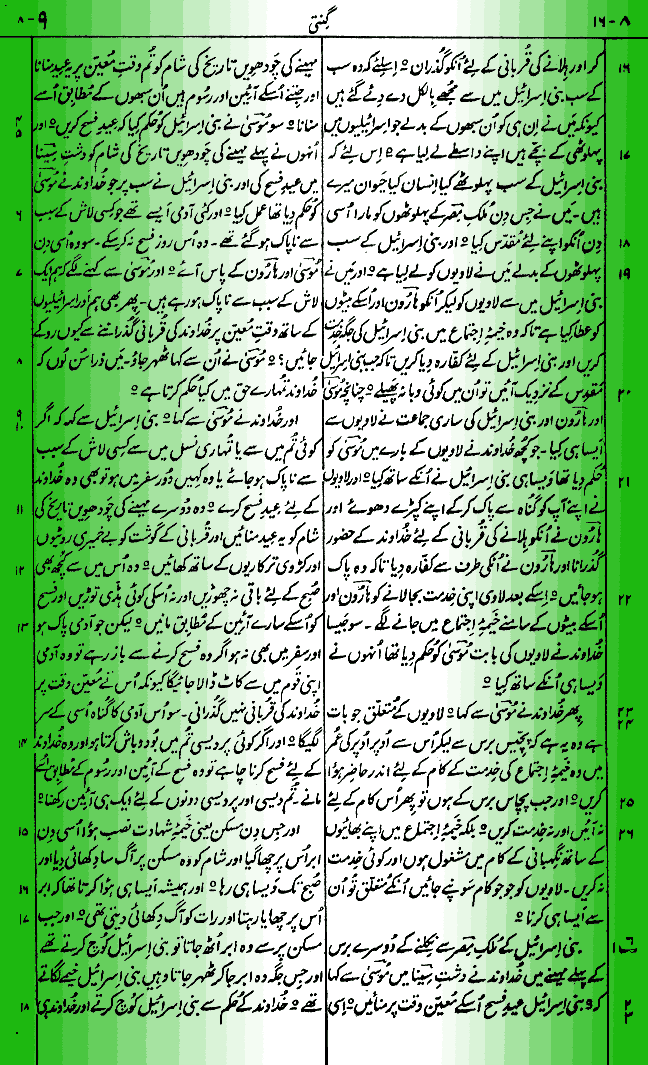
Numbers Chapter 8: The Levites’ Service
Verse 16
Verse: For they are wholly given unto me from among the children of Israel instead of such as open every womb even instead of the firstborn of all the children of Israel have I taken them unto me English Explanation: God clarifies that the Levites are a total substitution. Originally, the firstborn of every family belonged to God, but now the entire tribe of Levi is set apart specifically for His service. Urdu Explanation: خدا واضح فرماتا ہے کہ لاوی بنی اسرائیل کے درمیان سے مکمل طور پر اُس کے لیے وقف ہیں۔ ہر پہلوٹھے کے بدلے، خدا نے لاویوں کو اپنی خدمت کے لیے منتخب کر لیا ہے۔
Verse 17
Verse: For all the firstborn of the children of Israel are mine both man and beast on the day that I smote every firstborn in the land of Egypt I sanctified them for myself English Explanation: This references the Exodus. When God spared the Israelite firstborns while striking Egypt, He claimed ownership of them. They were “sanctified” or set apart by that act of mercy. Urdu Explanation: خدا یاد دلاتا ہے کہ مصر میں پہلوٹھوں کی ہلاکت کے وقت جب اُس نے بنی اسرائیل کے پہلوٹھوں کو بچایا، تو وہ سب (انسان اور حیوان) اُس کی ملکیت بن گئے۔
Verse 18
Verse: And I have taken the Levites for all the firstborn of the children of Israel English Explanation: To fulfill the requirement of the firstborn belonging to Him, God officially accepts the tribe of Levi as the substitute for the firstborn of all other tribes. Urdu Explanation: خدا نے تمام بنی اسرائیل کے پہلوٹھوں کے عوض لاویوں کو اپنی خدمت کے لیے قبول کر لیا ہے۔
Verse 19
Verse: And I have given the Levites as a gift to Aaron and to his sons from among the children of Israel to do the service of the children of Israel in the tabernacle of the congregation and to make an atonement for the children of Israel that there be no plague among the children of Israel when the children of Israel come nigh unto the sanctuary English Explanation: The Levites serve as a bridge. They assist the priests (Aaron’s family) and protect the people. By performing their duties correctly, they prevent divine wrath (plagues) from falling on the people who might otherwise approach the sanctuary irreverently. Urdu Explanation: لاوی ہارون اور اس کے بیٹوں کے لیے ایک تحفہ ہیں تاکہ وہ خیمہِ اجتماع میں خدمت کریں اور بنی اسرائیل کے لیے کفارہ دیں۔ ان کی خدمت کا مقصد یہ ہے کہ جب لوگ مقدس کے قریب آئیں تو ان پر کوئی وبا نازل نہ ہو۔
Verse 20
Verse: And Moses and Aaron and all the congregation of the children of Israel did to the Levites according unto all that the LORD commanded Moses concerning the Levites so did the children of Israel unto them English Explanation: This verse records the total obedience of the nation. Moses, the leadership, and the people all followed God’s instructions regarding the consecration of the Levites perfectly. Urdu Explanation: موسیٰ، ہارون اور پوری جماعت نے خدا کے حکم کے مطابق لاویوں کے بارے میں تمام احکامات پر مکمل عمل کیا۔
Verse 21
Verse: And the Levites were purified and they washed their clothes and Aaron offered them as an offering before the LORD and Aaron made an atonement for them to cleanse them English Explanation: Internal and external purity was required. They washed their clothes (external) and Aaron offered sacrifices (internal/spiritual purification) to prepare them for holy work. Urdu Explanation: لاویوں نے خود کو پاک کیا، اپنے کپڑے دھوئے، اور ہارون نے ان کے لیے کفارہ دے کر انہیں خداوند کے حضور بطور ہدیہ پیش کیا۔
Verse 22
Verse: And after that went the Levites in to do their service in the tabernacle of the congregation before Aaron and before his sons as the LORD had commanded Moses concerning the Levites so did they unto them English Explanation: Once purified, the Levites officially began their labor. They worked under the supervision of the priests, following the divine blueprint given to Moses. Urdu Explanation: پاکیزگی کے عمل کے بعد، لاوی ہارون اور اس کے بیٹوں کی نگرانی میں خیمہِ اجتماع میں اپنی خدمت انجام دینے لگے۔
Verse 23 & 24
Verse: And the LORD spake unto Moses saying This is it that belongeth unto the Levites from twenty and five years old and upward they shall go in to wait upon the service of the tabernacle of the congregation English Explanation: God sets the age requirements for service. At 25, a Levite entered an “apprenticeship” or active service phase to handle the heavy duties of the Tabernacle. Urdu Explanation: خدا نے لاویوں کے لیے عمر کی حد مقرر کی؛ پچیس سال اور اس سے زائد عمر کے مرد خیمہِ اجتماع کی خدمت کے لیے مامور کیے گئے۔
Verse 25
Verse: And from the age of fifty years they shall cease waiting upon the service thereof and shall serve no more English Explanation: At age 50, mandatory heavy labor ceased. This was a gracious provision for the physical toll of moving and maintaining the sanctuary. Urdu Explanation: پچاس سال کی عمر میں وہ بھاری خدمت سے سبکدوش ہو جاتے تھے تاکہ ان کی جسمانی صحت کا خیال رکھا جا سکے۔
Verse 26
Verse: But shall minister with their brethren in the tabernacle of the congregation to keep the charge and shall do no service Thus shalt thou do unto the Levites touching their charge English Explanation: Though retired from heavy lifting, the elders (50+) still helped by supervising, advising, and guarding the Tabernacle, staying involved in the community’s spiritual life. Urdu Explanation: پچاس سال کے بعد وہ اپنے بھائیوں کی مدد اور نگرانی کر سکتے تھے، لیکن ان پر کوئی سخت مشقت یا بھاری خدمت لازم نہیں تھی۔
Numbers Chapter 9: Passover and the Cloud
Verse 1 & 2
Verse: And the LORD spake unto Moses in the wilderness of Sinai in the first month of the second year after they were come out of the land of Egypt saying Let the children of Israel also keep the passover at his appointed season English Explanation: Exactly one year after the Exodus, God commands the first anniversary of the Passover. It is a reminder of their deliverance. Urdu Explanation: خروج کے دوسرے سال کے پہلے مہینے میں، خدا نے موسیٰ کو حکم دیا کہ بنی اسرائیل عیدِ فسح کو اس کے مقررہ وقت پر منائیں۔
Verse 3
Verse: In the fourteenth day of this month at even ye shall keep it in his appointed season according to all the rites of it and according to all the ceremonies thereof shall ye keep it English Explanation: Precision matters to God. He specifies the exact day (14th) and time (evening) and insists that all original rituals be strictly followed. Urdu Explanation: مہینے کے چودھویں دن شام کے وقت، تمام رسومات اور قوانین کے مطابق عیدِ فسح منانے کا حکم دیا گیا۔
Verse 4 & 5
Verse: And Moses spake unto the children of Israel that they should keep the passover And they kept the passover on the fourteenth day of the first month at even in the wilderness of Sinai according to all that the LORD commanded Moses so did the children of Israel English Explanation: The people obeyed Moses and celebrated the Passover in the Sinai desert, exactly as they had been instructed. Urdu Explanation: بنی اسرائیل نے موسیٰ کی ہدایت پر عمل کرتے ہوئے صحرائے سینا میں چودھویں تاریخ کو عیدِ فسح منائی۔
Verse 6 & 7
Verse: And there were certain men who were defiled by the dead body of a man that they could not keep the passover on that day and they came before Moses and before Aaron on that day And those men said unto him We are defiled by the dead body of a man wherefore are we kept back that we may not offer an offering of the LORD in his appointed season among the children of Israel English Explanation: A conflict arises: some men were “unclean” due to touching a dead body. They felt it was unfair to miss the central act of worship because of a ritual uncleanness they couldn’t avoid. Urdu Explanation: کچھ لوگ کسی میت کو چھونے کی وجہ سے ناپاک تھے اور فسح نہیں منا سکتے تھے۔ انہوں نے موسیٰ سے سوال کیا کہ انہیں اس برکت سے کیوں محروم رکھا جا رہا ہے۔
Verse 8
Verse: And Moses said unto them Stand still and I will hear what the LORD will command concerning you English Explanation: Moses demonstrates humble leadership. He doesn’t guess the answer; he asks the people to wait while he seeks direct counsel from God. Urdu Explanation: موسیٰ نے تحمل کا مظاہرہ کیا اور کہا کہ ٹھہرو تاکہ میں خدا سے اس بارے میں حکم دریافت کروں۔
Verse 9 & 10
Verse: And the LORD spake unto Moses saying Speak unto the children of Israel saying If any man of you or of your posterity shall be unclean by reason of a dead body or be in a journey afar off yet he shall keep the passover unto the LORD English Explanation: God provides a “Second Chance” law. If someone is unclean or traveling, they don’t lose the opportunity to worship; they just postpone it. Urdu Explanation: خدا نے رعایت دی کہ اگر کوئی ناپاک ہو یا دور کے سفر پر ہو، تو وہ بھی خداوند کے لیے عیدِ فسح منا سکتا ہے۔
Verse 11 & 12
Verse: The fourteenth day of the second month at even they shall keep it and eat it with unleavened bread and bitter herbs They shall leave none of it unto the morning nor break any bone of it according to all the ordinances of the passover they shall keep it English Explanation: This “Second Passover” happens exactly one month later. The rules remain the same: unleavened bread, bitter herbs, and no broken bones. Urdu Explanation: ایسے افراد دوسرے مہینے کی چودھویں تاریخ کو عید منائیں، اور فسح کے تمام قوانین (بے خمیری روٹی، کڑوی بوٹیاں) پر عمل کریں۔
Verse 13
Verse: But the man that is clean and is not in a journey and forbeareth to keep the passover even the same soul shall be cut off from among his people because he brought not the offering of the LORD in his appointed season that man shall bear his sin English Explanation: While God is merciful to the hindered, He is strict with the indifferent. If a person is able to keep the Passover but chooses not to, they are spiritually cut off from the community. Urdu Explanation: لیکن جو شخص پاک ہو اور سفر میں بھی نہ ہو، پھر بھی فسح نہ منائے، اسے قوم سے خارج کر دیا جائے گا کیونکہ اس نے خدا کے حکم کی نافرمانی کی۔
Verse 14
Verse: And if a stranger shall sojourn among you and will keep the passover unto the LORD according to the ordinance of the passover and according to the manner thereof so shall he do ye shall have one ordinance both for the stranger and for him that was born in the land English Explanation: Inclusivity in worship: Foreigners living among Israelites were welcome to participate, provided they followed the same divine regulations. Urdu Explanation: اگر کوئی پردیسی تمہارے درمیان رہتا ہو اور فسح منانا چاہے، تو اس کے لیے بھی وہی قانون ہوگا جو مقامی باشندے کے لیے ہے۔
Verse 15 & 16
Verse: And on the day that the tabernacle was reared up the cloud covered the tabernacle namely the tent of the testimony and at even there was upon the tabernacle as it were the appearance of fire until the morning So it was alway the cloud covered it by day and the appearance of fire by night English Explanation: God’s presence was visible. A cloud by day and fire by night rested on the Tabernacle, showing the people that God was literally living among them. Urdu Explanation: جس دن خیمہِ اجتماع کھڑا کیا گیا، بادل نے اسے ڈھانپ لیا۔ دن کو بادل اور رات کو آگ کی مانند ظہور خدا کی موجودگی کی علامت تھا۔
Verse 17
Verse: And when the cloud was taken up from the tabernacle then after that the children of Israel journeyed and in the place where the cloud abode there the children of Israel pitched their tents English Explanation: The cloud was their GPS. When it moved, they moved; when it stopped, they camped. They followed divine timing, not their own schedules. Urdu Explanation: جب بادل خیمہ سے اوپر اٹھتا تو بنی اسرائیل کوچ کرتے، اور جہاں بادل ٹھہر جاتا، وہیں وہ اپنے ڈیرے ڈال لیتے۔
Verse 18
Verse: At the commandment of the LORD the children of Israel journeyed and at the commandment of the LORD they pitched as long as the cloud abode upon the tabernacle they rested in their tents English Explanation: This verse emphasizes total dependence on God’s will. Their entire journey was dictated by the “Commandment of the Lord” expressed through the movement of the cloud. Urdu Explanation: بنی اسرائیل خداوند کے حکم سے کوچ کرتے اور اسی کے حکم سے خیمہ زن ہوتے۔ جب تک بادل خیمہ پر رہتا، وہ وہیں قیام کرتے۔