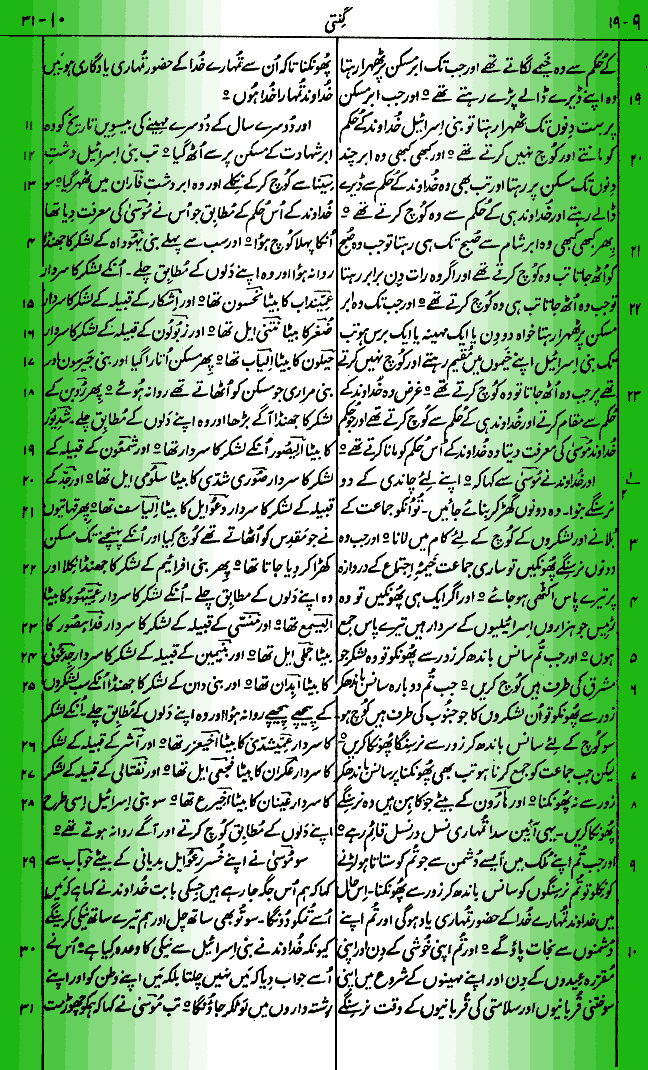
Part 1: Divine Guidance by the Cloud (Numbers 9:19–23)
Verse 19
Verse: And when the cloud tarried long upon the tabernacle many days then the children of Israel kept the charge of the LORD and journeyed not English Explanation: This verse emphasizes total submission to God’s timing. Regardless of how long the cloud stayed—weeks, months, or years—the Israelites remained stationary, honoring their commitment to follow God’s lead. Urdu Explanation: جب بادل خیمہ اجتماع پر زیادہ دنوں تک ٹھہرا رہتا تو بنی اسرائیل خُداوند کے حکم کی تعمیل کرتے اور وہاں سے کوچ نہ کرتے۔ یہ آیت خُدا کے وقت پر مکمل بھروسہ ظاہر کرتی ہے۔
Verse 20
Verse: And so it was when the cloud was a few days upon the tabernacle according to the commandment of the LORD they abode in their tents and according to the commandment of the LORD they journeyed English Explanation: Obedience was not based on convenience. Whether the stay was short or long, their movement was dictated solely by the Lord’s command, symbolized by the cloud’s movement. Urdu Explanation: کبھی بادل تھوڑے دن ٹھہرتا۔ وہ خُداوند کے حکم کے مطابق اپنے خیموں میں رہتے اور اُسی کے حکم کے مطابق سفر شروع کرتے۔ ان کا ہر قدم خُدا کی مرضی کے تابع تھا۔
Verse 21
Verse: And so it was when the cloud abode from even unto the morning and that the cloud was taken up in the morning then they journeyed whether it was by day or by night that the cloud was taken up they journeyed English Explanation: Divine guidance is constant. If the cloud moved at night, the people moved at night. It illustrates that God’s followers must be ready to move whenever He calls, regardless of the hour. Urdu Explanation: اگر بادل شام سے صبح تک رہتا اور صبح اٹھ جاتا تو وہ کوچ کر جاتے۔ چاہے دن ہو یا رات جب بادل اٹھتا تو وہ سفر کے لیے تیار ہو جاتے۔
Verse 22
Verse: Or whether it were two days or a month or a year that the cloud tarried upon the tabernacle remaining thereon the children of Israel abode in their tents and journeyed not but when it was taken up they journeyed English Explanation: This reinforces the concept of patience. The duration of their stay was irrelevant compared to the importance of remaining in God’s presence. Urdu Explanation: چاہے بادل دو دن ٹھہرتا یا ایک مہینہ یا ایک سال جب تک وہ خیمہ پر رہتا بنی اسرائیل وہیں رہتے۔ ان کا صبر اور اطاعت ان کی روحانی پختگی کی علامت تھی۔
Verse 23
Verse: At the commandment of the LORD they rested in the tents and at the commandment of the LORD they journeyed they kept the charge of the LORD at the commandment of the LORD by the hand of Moses English Explanation: The ultimate summary of their wilderness experience: absolute obedience to the Lord’s command as delivered through His chosen leader, Moses. Urdu Explanation: وہ خُداوند کے حکم سے پڑاؤ کرتے اور اُسی کے حکم سے کوچ کرتے۔ انہوں نے موسیٰ کے ذریعے دیے گئے خُداوند کے احکامات کی پوری طرح پاسداری کی۔
Part 2: The Two Silver Trumpets (Numbers 10:1–10)
Verse 1 & 2
Verse: And the LORD spake unto Moses saying Make thee two trumpets of silver of a whole piece shalt thou make them that thou mayest use them for the calling of the assembly and for the journeying of the camps English Explanation: God instructs the creation of silver trumpets. “Of a whole piece” signifies unity. These instruments were tools for communication, used to gather people and signal movement. Urdu Explanation: خُداوند نے موسیٰ سے کہا کہ چاندی کے دو نرسنگے (تُرہم) ایک ہی ٹکڑے سے بنا۔ یہ نرسنگے جماعت کو بلانے اور کوچ کا اشارہ دینے کے کام آتے تھے۔
Verse 3 & 4
Verse: And when they shall blow with them all the assembly shall assemble themselves to thee at the door of the tabernacle of the congregation And if they blow but with one trumpet then the princes which are heads of the thousands of Israel shall gather themselves unto thee English Explanation: Specific signals created order. Two trumpets meant everyone gathered; one trumpet meant only the leaders (princes) gathered. Urdu Explanation: جب دونوں نرسنگے بجائے جاتے تو پوری قوم جمع ہوتی۔ اگر صرف ایک بجایا جاتا تو صرف سردار اور رہنما موسیٰ کے پاس حاضر ہوتے۔
Verse 5 & 6
Verse: When ye blow an alarm then the camps that lie on the east parts shall go forward When ye blow an alarm the second time then the camps that lie on the south side shall take their journey they shall blow an alarm for their journeys English Explanation: A specific “alarm” (a broken, staccato sound) signaled the movement of specific camps in an organized military fashion. Urdu Explanation: جب خطرے یا کوچ کا خاص نرسنگا بجایا جاتا تو پہلے مشرقی جانب کے کیمپ روانہ ہوتے اور دوسری بار بجانے پر جنوبی جانب کے لوگ حرکت میں آتے۔
Verse 7 & 8
Verse: But when the congregation is to be gathered together ye shall blow but ye shall not sound an alarm And the sons of Aaron the priests shall blow with the trumpets and they shall be to you for an ordinance for ever throughout your generations English Explanation: A distinction is made between the “call” and the “alarm.” Only the priests (sons of Aaron) were authorized to blow them, establishing spiritual authority over communal actions. Urdu Explanation: جماعت کو اکٹھا کرنے کے لیے سادہ آواز نکالی جاتی نہ کہ خطرے کی آواز۔ یہ ذمہ داری ہارون کے بیٹوں (کاہنوں) کی تھی جو نسل در نسل ایک ابدی قانون رہا۔
Verse 9 & 10
Verse: And if ye go to war in your land against the enemy that oppresseth you then ye shall blow an alarm with the trumpets and ye shall be remembered before the LORD your God and ye shall be saved from your enemies Also in the day of your gladness and in your solemn days and in the beginnings of your months ye shall blow with the trumpets over your burnt offerings and over the sacrifices of your peace offerings that they may be to you for a memorial before your God I am the LORD your God English Explanation: Trumpets were used in war to cry out for divine intervention and in celebration to remember God’s provision. They served as a “memorial”—a reminder of the covenant. Urdu Explanation: جنگ کے وقت نرسنگا بجانا خُدا کو مدد کے لیے پکارنے کی علامت تھا۔ خوشی کے دنوں اور قربانیوں کے وقت بھی انہیں بجایا جاتا تاکہ وہ خُدا کے سامنے ایک یادگار کے طور پر رہیں۔
Part 3: The Order of Journey (Numbers 10:11–28)
Verse 11 – 13
Verse: And it came to pass on the twentieth day of the second month in the second year that the cloud was taken up from off the tabernacle of the testimony And the children of Israel took their journeys out of the wilderness of Sinai and the cloud rested in the wilderness of Paran And they first took their journey according to the commandment of the LORD by the hand of Moses English Explanation: This marks the historic moment Israel left Sinai after nearly a year. They moved in precise order as commanded by God through Moses. Urdu Explanation: دوسرے سال کے دوسرے مہینے کے بیسویں دن بادل اٹھا اور بنی اسرائیل نے سینا سے کوچ کیا۔ یہ ان کے سفر کا ایک اہم موڑ تھا جو خُداوند کے حکم سے شروع ہوا۔
Verse 14 – 16
Verse: In the first place went the standard of the camp of the children of Judah according to their armies… English Explanation: Judah led the procession. This reflects the tribe’s leadership role and the messianic lineage. Urdu Explanation: سب سے پہلے یہوداہ کا لشکر روانہ ہوا۔ یہ اس قبیلے کی قیادت اور اہمیت کو ظاہر کرتا ہے۔
Verse 17 – 21
Verse: And the tabernacle was taken down and the sons of Gershon and the sons of Merari set forward bearing the tabernacle… And the Kohathites set forward bearing the sanctuary… English Explanation: The Levites were strategically placed. The Gershonites and Merarites carried the structure so it could be set up before the Kohathites arrived with the sacred furniture (the sanctuary). Urdu Explanation: خیمہ اجتماع کو اٹھایا گیا اور لاویوں کے مختلف گروہوں نے اس کے مختلف حصوں کو سنبھالا تاکہ اگلی منزل پر پہنچ کر اسے وقت پر نصب کیا جا سکے۔
Verse 22 – 28
Verse: And the standard of the camp of the children of Ephraim set forward… And the standard of the camp of the children of Dan set forward which was the rereward of all the camps… Thus were the journeyings of the children of Israel according to their armies when they set forward English Explanation: The tribes of Ephraim and Dan followed, with Dan serving as the “rereward” (rear guard), ensuring no one was left behind. Urdu Explanation: افراہیم اور دان کے کیمپوں نے ان کی پیروی کی۔ دان کا لشکر سب سے پیچھے تھا تاکہ سب کی حفاظت یقینی بنائی جا سکے۔
Part 4: Moses and Hobab (Numbers 10:29–31)
Verse 29
Verse: And Moses said unto Hobab the son of Raguel the Midianite Moses’ father in law We are journeying unto the place of which the LORD said I will give it you come thou with us and we will do thee good for the LORD hath spoken good concerning Israel English Explanation: Moses invites his brother-in-law to join them, sharing the promise of God’s blessing. It shows Moses’ desire to share God’s goodness with others. Urdu Explanation: موسیٰ نے حوباب کو دعوت دی کہ وہ ان کے ساتھ چلے تاکہ وہ بھی ان برکات میں شامل ہو سکے جو خُدا نے اسرائیل کے لیے وعدہ کی تھیں۔
Verse 30 & 31
Verse: And he said unto him I will not go but I will depart to mine own land and to my kindred And he said Leave us not I pray thee forasmuch as thou knowest how we are to encamp in the wilderness and thou mayest be to us instead of eyes English Explanation: Hobab initially refuses, wanting to return home. Moses pleads with him to stay, noting that Hobab’s knowledge of the desert would be a valuable human asset (acting as “eyes”) alongside God’s divine guidance. Urdu Explanation: حوباب نے پہلے انکار کیا لیکن موسیٰ نے اس سے منت کی کہ وہ ان کا ساتھ نہ چھوڑے کیونکہ وہ صحرا کے راستوں سے واقف تھا اور ان کے لیے “آنکھوں” کا کام دے سکتا تھا۔