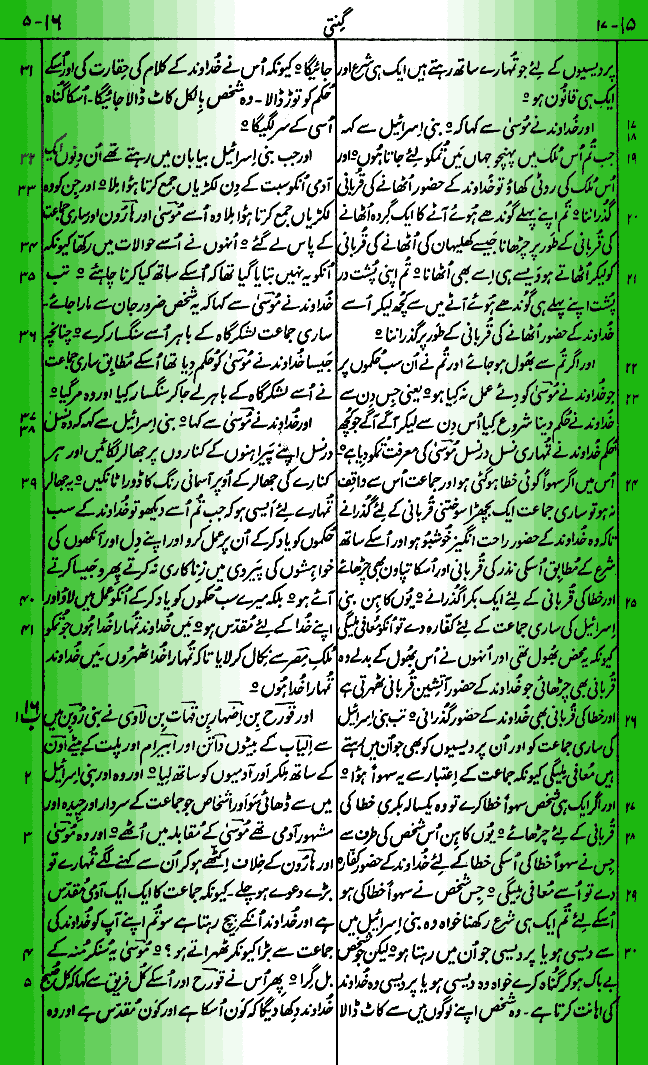
Scripture Verses & Explanations
Numbers 15:17–18
Verse: And the LORD spake unto Moses saying Speak unto the children of Israel and say unto them When ye come into the land whither I bring you
-
English: God reaffirms the promise of the Land of Canaan. Despite their past failures, He speaks of a future where they will occupy the promised land.
-
Urdu: خدا نے موسیٰ سے کلام کیا کہ بنی اسرائیل سے کہو جب تم اس سرزمین میں داخل ہو گے جہاں میں تمہیں لے جا رہا ہوں۔ یہ خدا کے وعدے کی وفائی کو ظاہر کرتا ہے۔
Numbers 15:19–21
Verse: Then it shall be that when ye eat of the bread of the land ye shall offer up an heave offering unto the LORD Ye shall offer up a cake of the first of your dough for an heave offering as ye do the heave offering of the threshingfloor so shall ye heave it Of the first of your dough ye shall give unto the LORD an heave offering in your generations
-
English: The “Heave Offering” of dough symbolizes gratitude. Before the people enjoy the harvest, they must acknowledge God as the provider of their daily bread.
-
Urdu: جب تم اس زمین کی روٹی کھاؤ تو خداوند کے لیے ہدیہ پیش کرو۔ اپنے گوندھے ہوئے آٹے کی پہلی روٹی نذرانے کے طور پر دو۔ یہ اس بات کی علامت ہے کہ تمام رزق خدا کی طرف سے ہے۔
Numbers 15:22–26
Verse: And if ye have erred and not observed all these commandments… Then it shall be if ought be committed by ignorance… all the congregation shall offer one young bullock… And the priest shall make an atonement… and it shall be forgiven them
-
English: These verses distinguish between unintentional mistakes and rebellion. If the community fails collectively through ignorance, a specific sacrifice restores their relationship with God.
-
Urdu: اگر تم سے نادانی میں کوئی خطا ہو جائے تو پوری جماعت کو ایک بچھڑے کی قربانی دینی ہوگی۔ کاہن ان کے لیے کفارہ دے گا اور انہیں معاف کر دیا جائے گا کیونکہ یہ گناہ نادانی میں ہوا تھا۔
Numbers 15:27–29
Verse: And if any soul sin through ignorance then he shall bring a she goat… Ye shall have one law for him that sinneth through ignorance both for him that is born among the children of Israel and for the stranger
-
English: Equality before the law is established here. Both native Israelites and foreigners living among them are held to the same standard regarding unintentional sins.
-
Urdu: اگر کوئی فرد اکیلے نادانی میں گناہ کرے تو وہ ایک بکری قربانی کے لیے لائے۔ دیسی اور پردیسی دونوں کے لیے ایک ہی قانون ہے کہ نادانی کے گناہ کا کفارہ کیسے ادا کیا جائے۔
Numbers 15:30–31
Verse: But the soul that doeth ought presumptuously… the same reproacheth the LORD and that soul shall be cut off from among his people Because he hath despised the word of the LORD… his iniquity shall be upon him
-
English: “Presumptuous” sin is defiant and intentional. There is no sacrifice listed for a “high-handed” rebellion against God’s Word; such a person is cut off from the community.
-
Urdu: لیکن جو شخص دیدہ و دانستہ یا تکبر سے گناہ کرتا ہے وہ خداوند کی توہین کرتا ہے۔ اسے قوم سے خارج کر دیا جائے گا کیونکہ اس نے خدا کے حکم کو حقیر جانا۔
Numbers 15:32–36
Verse: And while the children of Israel were in the wilderness they found a man that gathered sticks upon the sabbath day… And the LORD said unto Moses The man shall be surely put to death… and they stoned him with stones and he died
-
English: This historical account illustrates the penalty for breaking the Sabbath. It serves as a stern warning that God’s holy days must be respected as a sign of the covenant.
-
Urdu: سبت کے دن لکڑیاں چننے والے شخص کو سزا دی گئی۔ یہ واقعہ ظاہر کرتا ہے کہ خدا کے مقدس دن کی بے حرمتی معمولی بات نہیں تھی۔ اسے کیمپ سے باہر لے جا کر سنگسار کیا گیا۔
Numbers 15:37–41
Verse: And the LORD spake unto Moses saying… bid them that they make them fringes in the borders of their garments… that ye may look upon it and remember all the commandments of the LORD… I am the LORD your God
-
English: God commands the wearing of “Tzitzit” (fringes) with a blue thread. These serve as a visual “memory aid” to keep the people focused on God’s law instead of their own desires.
-
Urdu: خدا نے حکم دیا کہ اپنے ملبوسات کے کناروں پر جھالریں لگائیں۔ یہ اس لیے تھا کہ جب وہ انہیں دیکھیں تو خدا کے احکامات یاد آئیں اور وہ اپنی آنکھوں اور دل کی خواہشات کے پیچھے نہ بھٹکیں۔
Numbers 16:1–3
Verse: Now Korah… and Dathan and Abiram… took men And they rose up before Moses… two hundred and fifty princes… and said unto them Ye take too much upon you seeing all the congregation are holy
-
English: Korah leads a political and spiritual coup. He challenges the exclusive leadership of Moses and Aaron, claiming that everyone is equally holy and no hierarchy is needed.
-
Urdu: قورح، داتن اور ابیرام نے موسیٰ اور ہارون کے خلاف بغاوت کی۔ انہوں نے ڈھائی سو سرداروں کو ساتھ ملایا اور کہا کہ تم نے خود کو جماعت سے بلند کیوں کر رکھا ہے جبکہ سب لوگ مقدس ہیں۔
Numbers 16:4–5
Verse: And when Moses heard it he fell upon his face And he spake unto Korah… saying Even to morrow the LORD will shew who are his and who is holy
-
English: Moses responds with humility by falling on his face. He leaves the judgment to God, proposing a test for the following day to prove who is truly chosen by the Lord.
-
Urdu: جب موسیٰ نے یہ سنا تو وہ اوندھے منہ گر پڑے۔ انہوں نے قورح سے کہا کہ کل صبح خداوند خود ظاہر کر دے گا کہ کون اس کا ہے اور کون پاک ہے، اور وہ کسے اپنے قریب آنے کی اجازت دیتا ہے۔