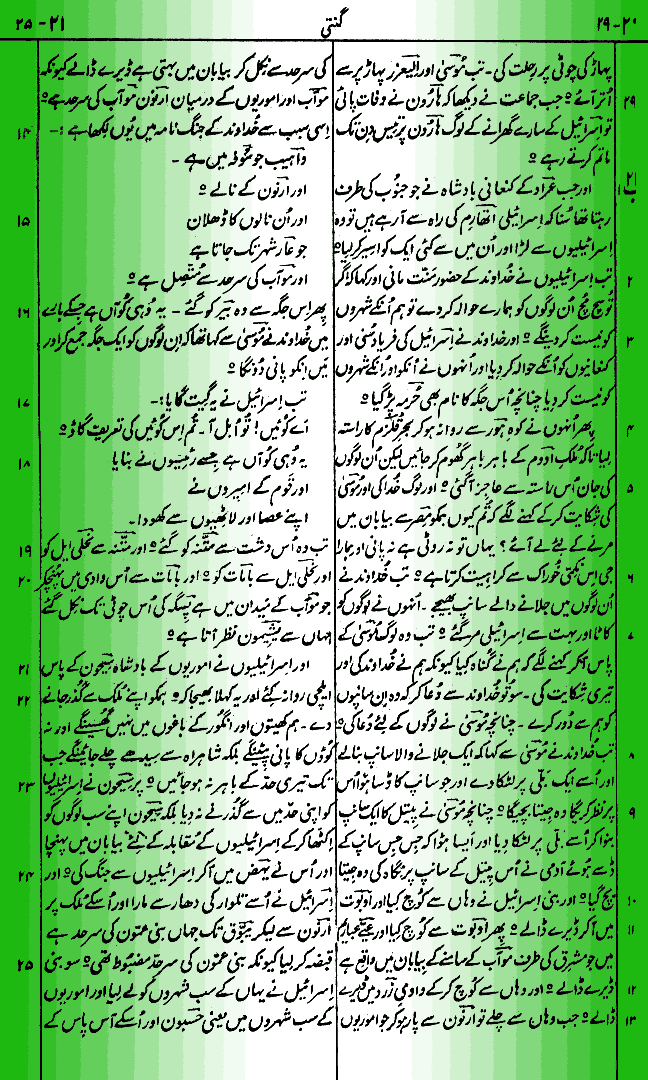
Numbers 20:29 — The Death of Aaron
Verse: And when all the congregation saw that Aaron was dead they mourned for Aaron thirty days even all the house of Israel
English Explanation: This verse marks the end of an era. Aaron, the first High Priest and brother of Moses, passes away on Mount Hor. The thirty-day mourning period reflects the immense respect and collective grief of the nation. It highlights that even the greatest leaders are mortal, transitioning the priesthood to the next generation (Eleazar).
Urdu Explanation: یہ آیت ایک عہد کے خاتمے کی نشاندہی کرتی ہے۔ ہارون جو پہلے سردار کاہن اور موسیٰ کے بھائی تھے، کوہِ ہور پر وفات پا گئے۔ تیس دن کا ماتم قوم کے گہرے دکھ اور احترام کو ظاہر کرتا ہے۔ یہ اس بات کی یاد دہانی ہے کہ عظیم ترین رہنما بھی فانی ہیں اور اب کہانت کی ذمہ داری اگلی نسل (الِیعزر) کو منتقل ہو رہی ہے۔
Numbers 21:1–3 — Victory at Hormah
Verses: 21 1 And when king Arad the Canaanite which dwelt in the south heard tell that Israel came by the way of the spies then he fought against Israel and took some of them prisoners 21 2 And Israel vowed a vow unto the LORD and said If thou wilt indeed deliver this people into my hand then I will utterly destroy their cities 21 3 And the LORD hearkened to the voice of Israel and delivered up the Canaanites and they utterly destroyed them and their cities and he called the name of the place Hormah
English Explanation: Israel faces its first military challenge from King Arad. Initially suffering a setback with prisoners taken, the Israelites turn to God with a vow of total devotion (Cherem). God grants them victory, and the place is named “Hormah,” meaning “destruction,” symbolizing the total elimination of idolatrous influence.
Urdu Explanation: بنی اسرائیل کو شاہِ عراد کی طرف سے پہلی فوجی چیلنج کا سامنا کرنا پڑا۔ شروع میں کچھ لوگ قیدی بن گئے، لیکن اسرائیل نے خدا سے منت مانی کہ اگر وہ فتح دے گا تو وہ ان کے شہروں کو نیست و نابود کر دیں گے۔ خدا نے ان کی دعا سنی اور انہیں فتح عطا کی، اس جگہ کا نام “حُرمہ” رکھا گیا جس کا مطلب ہے “تباہی”۔
Numbers 21:4–9 — The Bronze Serpent
Verses: 21 4 And they journeyed from mount Hor by the way of the Red sea to compass the land of Edom and the soul of the people was much discouraged because of the way 21 5 And the people spake against God and against Moses Wherefore have ye brought us up out of Egypt to die in the wilderness for there is no bread neither is there any water and our soul loatheth this light bread 21 6 And the LORD sent fiery serpents among the people and they bit the people and much people of Israel died 21 7 Therefore the people came to Moses and said We have sinned for we have spoken against the LORD and against thee pray unto the LORD that he take away the serpents from us And Moses prayed for the people 21 8 And the LORD said unto Moses Make thee a fiery serpent and set it upon a pole and it shall come to pass that every one that is bitten when he looketh upon it shall live 21 9 And Moses made a serpent of brass and put it upon a pole and it came to pass that if a serpent had bitten any man when he beheld the serpent of brass he lived
English Explanation: Facing a difficult detour, the people lose patience and complain about the Manna (“light bread”). God sends “fiery serpents” as judgment. When the people repent, God provides a unique remedy: a bronze serpent on a pole. Looking at it in faith brought healing. This is a significant “type” of Christ (John 3:14), showing that salvation comes through looking toward God’s provided means.
Urdu Explanation: مشکل راستے کی وجہ سے لوگ بے صبرے ہو گئے اور من (ہلکی غذا) کے خلاف شکایت کرنے لگے۔ خدا نے سزا کے طور پر زہریلے سانپ بھیجے۔ جب لوگوں نے توبہ کی، تو خدا نے ایک خاص حل بتایا: پیتل کا ایک سانپ بنا کر اسے ایک لٹھ پر لٹکایا جائے۔ جو کوئی اسے ایمان کے ساتھ دیکھتا وہ شفا پاتا۔ یہ یسوع مسیح کی طرف اشارہ ہے (یوحنا 3:14) کہ نجات خدا کے مہیا کردہ وسیلے پر نظر کرنے سے ملتی ہے۔
Numbers 21:10–20 — Journey to Moab
Verses: 21 10 And the children of Israel set forward and pitched in Oboth 21 11 And they journeyed from Oboth and pitched at Ije-abarim in the wilderness which is before Moab toward the sunrising 21 12 From thence they removed and pitched in the valley of Zared 21 13 From thence they removed and pitched on the other side of Arnon which is in the wilderness that cometh out of the coasts of the Amorites for Arnon is the border of Moab between Moab and the Amorites 21 14 Wherefore it is said in the book of the wars of the LORD What he did in the Red sea and in the brooks of Arnon 21 15 And at the stream of the brooks that goeth down to the dwelling of Ar and lieth upon the border of Moab 21 16 And from thence they went to Beer that is the well whereof the LORD spake unto Moses Gather the people together and I will give them water 21 17 Then Israel sang this song Spring up O well sing ye unto it 21 18 The princes digged the well the nobles of the people digged it by the direction of the lawgiver with their staves And from the wilderness they went to Mattanah 21 19 And from Mattanah to Nahaliel and from Nahaliel to Bamoth 21 20 And from Bamoth in the valley that is in the country of Moab to the top of Pisgah which looketh toward Jeshimon
English Explanation: These verses detail the itinerary of Israel as they move toward the Promised Land. A highlight is the stop at Beer (“Well”), where instead of complaining, the people sang a song of praise as water was provided. This transition shows a shift in the people’s attitude from grumbling to worship.
Urdu Explanation: یہ آیات بنی اسرائیل کے سفر کی تفصیلات بتاتی ہیں جب وہ موآب کی طرف بڑھ رہے تھے۔ بیئر (کنویں) کے مقام پر ایک اہم واقعہ ہوا جہاں لوگوں نے شکایت کرنے کے بجائے خدا کی حمد کا گیت گایا جب انہیں پانی ملا۔ یہ لوگوں کے رویے میں تبدیلی کو ظاہر کرتا ہے کہ وہ اب بڑبڑانے کے بجائے شکر گزاری کر رہے تھے۔
Numbers 21:21–25 — Defeat of Sihon the Amorite
Verses: 21 21 And Israel sent messengers unto Sihon king of the Amorites saying 21 22 Let me pass through thy land we will not turn into the fields or into the vineyards we will not drink of the waters of the well but we will go along by the king’s high way until we be past thy borders 21 23 And Sihon would not suffer Israel to pass through his border but Sihon gathered all his people together and went out against Israel into the wilderness and he came to Jahaz and fought against Israel 21 24 And Israel smote him with the edge of the sword and possessed his land from Arnon unto Jabbok even unto the children of Ammon for the border of the children of Ammon was strong 21 25 And Israel took all these cities and Israel dwelt in all the cities of the Amorites in Heshbon and in all the villages thereof
English Explanation: Israel requests peaceful passage through Amorite territory, promising not to touch resources. King Sihon refuses and attacks. Israel defeats him, seizing his land and cities like Heshbon. This victory was crucial as it gave Israel their first permanent territory east of the Jordan River.
Urdu Explanation: اسرائیل نے اموریوں کے بادشاہ سیحون سے پرامن گزرگاہ کی درخواست کی اور وعدہ کیا کہ وہ ان کے وسائل کو ہاتھ نہیں لگائیں گے۔ لیکن سیحون نے انکار کر دیا اور حملہ کر دیا۔ اسرائیل نے اسے شکست دی اور اس کے شہروں (حشبون وغیرہ) پر قبضہ کر لیا۔ یہ فتح بہت اہم تھی کیونکہ اس نے اسرائیل کو دریائے یردن کے مشرق میں پہلا مستقل علاقہ فراہم کیا۔