Verse-by-Verse Commentary and Explanation
Obadiah 1:1
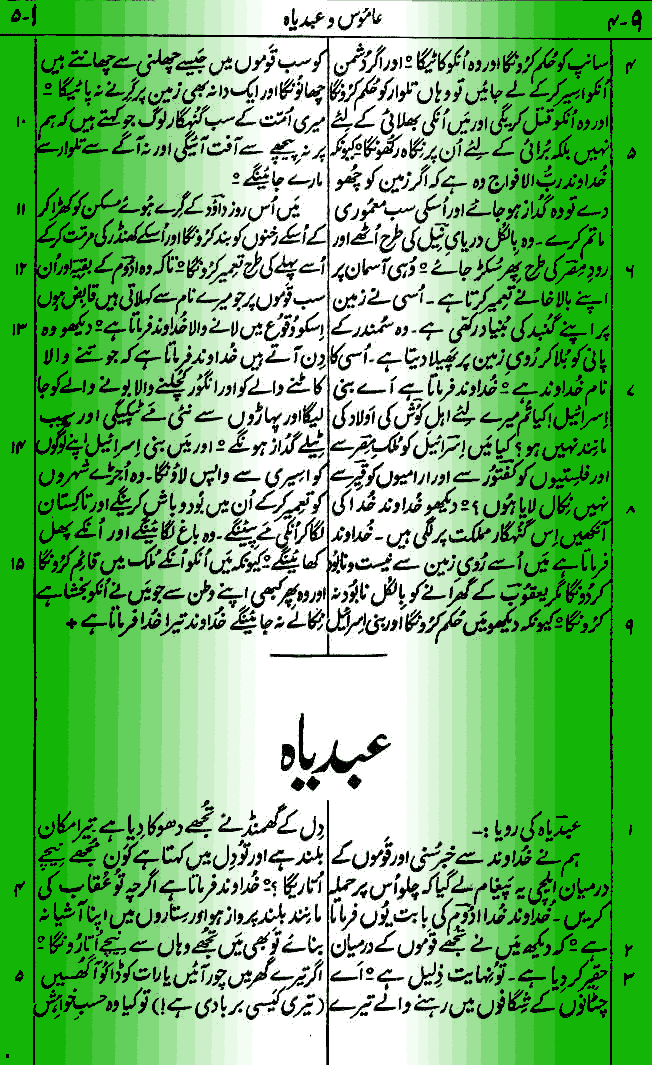
Verse: The vision of Obadiah Thus saith the Lord GOD concerning Edom We have heard a rumour from the LORD and an ambassador is sent among the heathen Arise ye and let us rise up against her in battle
Detailed English Explanation
-
Context & Source: The prophecy opens by establishing its divine authority. Obadiah does not claim these words as his own; they are a “vision” given directly by the Lord GOD (Yahweh).
-
The Target (Edom): The prophecy is directed entirely at Edom, a nation descended from Esau, the twin brother of Jacob (Israel). Despite their brotherhood, Edom harbored a deep, historical animological hatred toward Israel.
-
The Divine Mobilization: God is depicted as a sovereign commander. The “rumour” or report is a divine decree, and the “ambassador” is a spiritual or geopolitical messenger stirring up neighboring pagan nations (“the heathen”) to form a military coalition against Edom. God is orchestrating history to bring justice.
تفصیلی اردو وضاحت
-
سیاق و سباق اور ماخذ: اوبادیاہ کی کتاب کا آغاز خدا کے قادرِ مطلق ہونے کے دعوے سے ہوتا ہے۔ یہ اوبادیاہ کی اپنی سوچ نہیں بلکہ ایک “رویا” (الہام) ہے جو خداوند خدا کی طرف سے ملی ہے۔
-
ادوم پر انصاف: یہ پیشگوئی ادوم کے ملک کے خلاف ہے۔ ادوم کے لوگ عیسو کی نسل سے تھے، جو یعقوب (اسرائیل) کے بھائی تھے۔ بھائی ہونے کے باوجود، ادوم نے ہمیشہ اسرائیل سے دشمنی رکھی۔
-
خدائی حکم: یہاں خدا کو ایک عظیم بادشاہ کے طور پر دکھایا گیا ہے جو غیر قوموں (“دیگر قوموں”) میں ایک ایلچی (پیغام رساں) بھیجتا ہے۔ خدا خود قوموں کو ابھار رہا ہے کہ وہ اکٹھی ہوں اور ادوم کے خلاف جنگ کے لیے اٹھ کھڑی ہوں۔ یہ اس بات کا ثبوت ہے کہ تاریخ اور قوموں کا عروج و زوال خدا کے ہاتھ میں ہے۔
Obadiah 1:2
Verse: Behold I have made thee small among the heathen thou art greatly despised
Detailed English Explanation
-
The Shift in Status: Edom was a proud, economically secure nation due to its control over major trade routes. However, God speaks of their future humiliation in the past tense (“I have made thee small”) to show the absolute certainty of the decree.
-
Diminished and Despised: Though Edom thought highly of itself, God declares that they will be reduced to insignificance among the surrounding nations. Their allies will turn on them, and they will lose all geopolitical respect.
تفصیلی اردو وضاحت
-
حیثیت کی تبدیلی: ادوم اپنے تجارتی راستوں اور جغرافیائی پوزیشن کی وجہ سے خود کو بہت بڑا سمجھتا تھا۔ لیکن خدا فرماتا ہے کہ “میں نے تجھے چھوٹا بنا دیا ہے”۔ خدا کا یہ کہنا ماضی کے صیغے میں ہے، جو یہ ظاہر کرتا ہے کہ ادوم کی بربادی اتنی یقینی ہے جیسے وہ ہو چکی ہو۔
-
حقیر اور کمزور: جس ادوم پر لوگ رشک کرتے تھے، وہ اب دیگر قوموں کی نظر میں انتہائی حقیر اور ذلیل ہو جائے گا۔ ان کے اتحادی ہی ان سے منہ موڑ لیں گے۔
Obadiah 1:3
Verse: The pride of thine heart hath deceived thee thou that dwellest in the clefts of the rock whose habitation is high that saith in his heart Who shall bring me down to the ground
Detailed English Explanation
-
The Root Sin (Pride): God diagnoses the core spiritual disease of Edom: arrogance. Pride blinds people to reality, causing them to deceive themselves into believing they are invincible.
-
The False Security of Sela: Edom’s territory was located in a mountainous, rugged region (the famous rock-city of Petra). Living high up in the steep “clefts of the rock,” they felt militarily impregnable. They genuinely believed no army could scale the cliffs to conquer them.
-
The Arrogant Question: “Who shall bring me down?” is a direct challenge not just to human armies, but implicitly to God Himself.
تفصیلی اردو وضاحت
-
تکبر کا دھوکہ: خدا ادوم کے اصل گناہ کی نشاندہی کرتا ہے، اور وہ ہے “دل کا غرور”۔ غرور انسان کو اندھا کر دیتا ہے اور وہ خود کو دھوکے میں رکھنے لگتا ہے کہ اسے کبھی زوال نہیں آئے گا۔
-
پہاڑوں کی جھوٹی پناہ: ادوم کا علاقہ پہاڑی اور چٹانی تھا (جیسے پطرس کا شہر)۔ وہ چٹانوں کے شگافوں اور اونچے مقامات پر رہتے تھے، جس کی وجہ سے انہیں لگتا تھا کہ کوئی بھی فوج ان تک نہیں پہنچ سکتی۔
-
تکبرانہ سوال: ان کا دل کہتا تھا کہ “کون مجھے زمین پر گرا سکتا ہے؟” یہ جملہ نہ صرف انسانوں بلکہ بالواسطہ طور پر خدا کی قدرت کو بھی ایک چیلنج تھا۔
Obadiah 1:4
Verse: Though thou exalt thyself as the eagle and though thou set thy nest among the stars thence will I bring thee down saith the LORD
Detailed English Explanation
-
Hyperbole of Sovereignty: God answers Edom’s arrogant question using powerful poetic imagery. The eagle represents the highest-flying bird, a symbol of ultimate earthly ambition and safety. “Among the stars” elevates this metaphor to the absolute absolute limit of height.
-
God’s Unmatched Power: No matter how high human pride climbs, it can never escape divine justice. God delivers a definitive answer: “Thence will I bring thee down.” Absolute physical security means nothing when a nation faces spiritual and moral bankruptcy.
تفصیلی اردو وضاحت
-
خدا کا جواب: خدا ادوم کے تکبر کا جواب تشبیہات کے ذریعے دیتا ہے۔ “عقاب” دنیا کا بلند ترین اڑنے والا پرندہ ہے، اور “ستاروں کے درمیان گھونسلا بنانا” انسانی پہنچ سے باہر کی بلندی کو ظاہر کرتا ہے۔
-
خدا کی حاکمیت: ادوم چاہے جتنا بھی اونچا اڑ لے یا اپنے آپ کو محفوظ سمجھ لے، خدا کا فرمان ہے: “میں تجھے وہاں سے بھی نیچے گرا دوں گا”۔ یہ ظاہر کرتا ہے کہ جب خدا کسی کا انصاف کرنے پر آئے، تو دنیا کی کوئی اونچائی یا طاقت انسان کو بچا نہیں سکتی۔
Obadiah 1:5
Verse: If thieves came to thee if robbers by night how art thou cut off would they not have stolen till they had enough if the grapegatherers came to thee would they not leave some grapes
Detailed English Explanation
-
Total Devastation vs. Normal Theft: Obadiah uses two common metaphors to emphasize the absolute thoroughness of Edom’s upcoming destruction:
-
Thieves/Robbers: When thieves break in at night, they only take what is valuable or what they can carry, leaving the rest behind.
-
Grapegatherers: According to agricultural norms (and Biblical law), grape harvesters always leave behind “gleanings”—a few grapes on the vines for the poor.
-
-
The Contrast: God is warning Edom that their invaders will not act like normal thieves or harvesters. They will not leave anything behind. The parenthesis (how art thou cut off!) is an exclamation of shock at how utterly emptied, plundered, and ruined Edom will be.
تفصیلی اردو وضاحت
-
مکمل تباہی کی مثال: اوبادیاہ ادوم کی مکمل بربادی کو سمجھانے کے لیے روزمرہ کی دو مثالیں استعمال کرتا ہے:
-
چور اور ڈاکو: جب رات کو چور آتے ہیں، تو وہ صرف قیمتی چیزیں چراتے ہیں یا جتنا وہ اٹھا سکتے ہیں لے جاتے ہیں، باقی سب وہیں چھوڑ دیتے ہیں۔
-
انگور توڑنے والے: جب باغ سے انگور توڑے جاتے ہیں، تو کچھ نہ کچھ دانے یا گچھے شاخوں پر رہ جاتے ہیں (جیسا کہ غریبوں کے لیے چھوڑنے کا رواج تھا)۔
-
-
واضح فرق: لیکن ادوم کے معاملے میں ایسا نہیں ہوگا۔ ان پر حملہ کرنے والے دشمن چوروں یا عام کسانوں کی طرح نہیں ہوں گے بلکہ وہ ادوم کو پوری طرح لوٹ لیں گے اور کچھ بھی باقی نہیں چھوڑیں گے۔ یہ اس بات کی طرف اشارہ ہے کہ ادوم کی تباہی جزوی نہیں بلکہ مکمل اور حتمی ہوگی۔