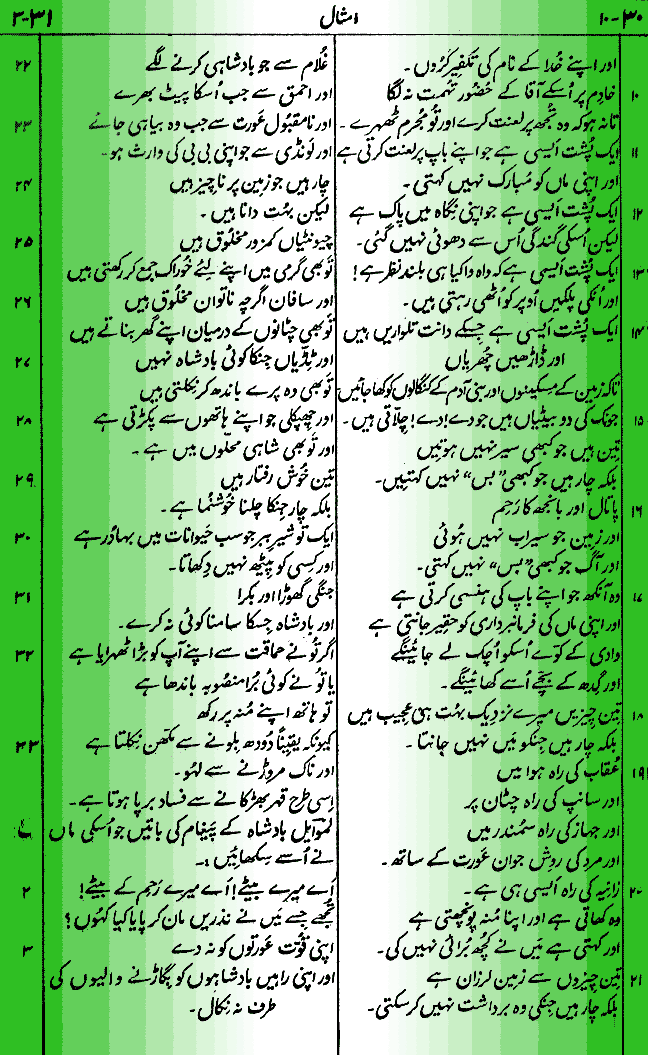
Verse-by-Verse Breakdown and Commentary
Proverbs 30:10
Verse: Accuse not a servant unto his master lest he curse thee and thou be found guilty
-
Detailed Explanation (English): This verse warns against malicious gossip, specifically meddling in the relationship between a servant and their master. Slandering a worker to their superior without a righteous cause can backfire. The servant may cry out to God or bring a curse upon you, and upon investigation, you will be found guilty of malice and bear the blame. It advocates for workplace fairness and warns against exploiting the vulnerable.
-
Detailed Explanation (Urdu): یہ آیت کسی ملازم یا خادم کی اس کے مالک کے سامنے چغلی کھانے یا بلاوجہ شکایت کرنے سے منع کرتی ہے۔ اگر آپ کسی کمزور پر جھوٹا الزام لگاتے ہیں تو وہ آپ کو بددعا دے سکتا ہے اور تفتیش کے بعد آپ خود گنہگار اور قصوروار ٹھہریں گے۔ یہ آیت ہمیں دوسروں کے معاملات میں دخل اندازی کرنے اور غریبوں کو نقصان پہنچانے سے روکتی ہے۔
Proverbs 30:11
Verse: There is a generation that curseth their father and doth not bless their mother
-
Detailed Explanation (English): The writer identifies a specific type of societal decay characterized by rebellion against parents. This generation completely rejects the fifth commandment. Instead of honoring, respecting, and blessing their parents, they treat them with disrespect and contempt, showing a breakdown of foundational family values.
-
Detailed Explanation (Urdu): اس آیت میں معاشرتی بگاڑ کی ایک ایسی نسل کا ذکر ہے جو اپنے والدین کی نافرمان اور باغی ہے۔ یہ لوگ اپنے باپ کو بددعا دیتے ہیں اور اپنی ماں کی عزت اور شکرگزاری نہیں کرتے۔ یہ خاندانی اقدار اور اخلاقیات کی گراوٹ کی نشاندہی کرتا ہے۔
Proverbs 30:12
Verse: There is a generation that are pure in their own eyes and yet is not washed from their filthiness
-
Detailed Explanation (English): This highlights the danger of self-righteousness and spiritual blindness. It describes people who believe they are morally perfect and upright, yet they are blind to their own sins and moral corruption. They refuse to seek spiritual cleansing because they cannot admit their own faults.
-
Detailed Explanation (Urdu): یہ آیت خود پسندی اور منافقت کو بے نقاب کرتی ہے۔ یہ ایک ایسی نسل کا ذکر کرتی ہے جو اپنی نظر میں تو پاک صاف ہے لیکن حقیقت میں وہ اپنے گناہوں اور ناپاکی کی گندگی سے نہیں دھلی۔ یہ روحانی اندھے پن اور تکبر کی علامت ہے۔
Proverbs 30:13
Verse: There is a generation O how lofty are their eyes and their eyelids are lifted up
-
Detailed Explanation (English): This verse addresses supreme pride and arrogance. “Lofty eyes” and “lifted up eyelids” are biblical metaphors for a haughty, superior attitude. This generation looks down on others with intense disdain, believing themselves to be superior to everyone around them.
-
Detailed Explanation (Urdu): یہاں مغرور اور گھمنڈی لوگوں کی حالت بیان کی گئی ہے۔ “اونچی آنکھیں” اور “ابرو اٹھانا” شدید تکبر کی علامتیں ہیں۔ یہ وہ لوگ ہیں جو دوسروں کو حقیر سمجھتے ہیں اور خود کو سب سے اعلیٰ اور برتر تصور کرتے ہیں۔
Proverbs 30:14
Verse: There is a generation whose teeth are as swords and their jaw teeth as knives to devour the poor from off the earth and the needy from among men
-
Detailed Explanation (English): This verse describes an aggressively cruel, exploitative generation. Using the vivid imagery of predators with swords and knives for teeth, it portrays powerful people who use their status, legal means, or systemic greed to crush and destroy the poor and marginalized for economic gain.
-
Detailed Explanation (Urdu): یہ آیت ظالم اور استحصالی لوگوں کی عکاسی کرتی ہے۔ ان کے دانتوں کو تلواروں اور چاقوؤں سے تشبیہ دی گئی ہے کیونکہ وہ اپنی طاقت اور لالچ کے ذریعے غریبوں اور محتاجوں کا استحصال کرتے ہیں اور انہیں مٹا دینے پر تلے ہوئے ہیں۔
Proverbs 30:15
Verse: The horseleach hath two daughters crying Give give There are three things that are never satisfied yea four things say not It is enough
-
Detailed Explanation (English): The “horseleach” (a bloodsucking worm) represents insatiable greed. Its “two daughters” represent the constant, demanding cry for more (“Give! Give!“). Agur uses this numerical proverb format to transition into a list of things in nature and human experience that never experience fulfillment.
-
Detailed Explanation (Urdu): “جونک” (خون چوسنے والا کیڑا) یہاں کبھی نہ ختم ہونے والی ہوس اور لالچ کی علامت ہے۔ اس کی دو بیٹیاں ہر وقت “دے دو، دے دو” کی پکار لگاتی ہیں۔ مصنف اس مثال کے ذریعے کائنات کی ان چیزوں کا ذکر شروع کرتا ہے جو کبھی مطمئن نہیں ہوتیں۔
Proverbs 30:16
Verse: The grave and the barren womb the earth that is not filled with water and the fire that saith not It is enough
-
Detailed Explanation (English): Following verse 15, this names the four insatiable things: 1) The grave (Sheol), which constantly claims lives; 2) The barren womb, which longs for a child; 3) Dry soil, which absorbs endless rain; and 4) A raging fire, which consumes all fuel in its path. It warns against letting human desire mimic these uncontrollable forces.
-
Detailed Explanation (Urdu): یہ وہ چار چیزیں ہیں جو کبھی نہیں کہتیں کہ “بس اب کافی ہے”: قبر (جو ہمیشہ مردوں کو سماتی ہے)، بانجھ رحم (جو اولاد کے لیے تڑپتا ہے)، خشک زمین (جو جتنا بھی پانی ہو جذب کر لیتی ہے)، اور آگ (جو ہر چیز کو جلا کر راکھ کر دیتی ہے مگر ختم نہیں ہوتی)۔
Proverbs 30:17
Verse: The eye that mocketh at his father and despiseth to obey his mother the ravens of the valley shall pick it out and the young eagles shall eat it
-
Detailed Explanation (English): This is a severe, poetic warning against disrespecting parents. The eye that looks at a parent with mockery and contempt will suffer a dishonorable death. Instead of receiving a proper burial, the corpse will be left out in the open for wild birds like ravens and eagles to scavenge.
-
Detailed Explanation (Urdu): والدین کی نافرمانی اور ان کا مذاق اڑانے والوں کے لیے یہ ایک سخت انتباہ ہے۔ جو آنکھ باپ کا مذاق اڑاتی ہے اور ماں کی فرمانبرداری کو حقیر سمجھتی ہے، اسے وادی کے کوے نوچ لیں گے اور عقاب کے بچے کھا جائیں گے۔ یہ عبرتناک اور ذلت آمیز موت کی علامت ہے۔
Proverbs 30:18
Verse: There be three things which are too wonderful for me yea four which I know not
-
Detailed Explanation (English): Agur expresses human humility before the mysteries of the world. He admits there are wonders in nature and human behavior that escape full rational explanations, leading to a state of awe and contemplation regarding creation.
-
Detailed Explanation (Urdu): مصنف انسانی عقل کی محدودیت کا اعتراف کرتے ہوئے کہتا ہے کہ کائنات میں کچھ ایسی حیرت انگیز چیزیں ہیں جو میری سمجھ سے بالاتر ہیں اور جن کی گہرائی تک پہنچنا انسان کے بس میں نہیں ہے۔
Proverbs 30:19
Verse: The way of an eagle in the air the way of a serpent upon a rock the way of a ship in the midst of the sea and the way of a man with a maid
-
Detailed Explanation (English): This verse lists the four mysteries from verse 18. An eagle in flight leaves no path; a snake moving across a hard rock leaves no footprints; a ship crossing the ocean leaves no permanent trail; and the mysterious, beautiful courtship between a man and a woman is hard to map out or fully trace.
-
Detailed Explanation (Urdu): وہ چار اسرار یہ ہیں: ہوا میں اڑتے ہوئے عقاب کا راستہ (جو کوئی نشان نہیں چھوڑتا)، چٹان پر رینگتے ہوئے سانپ کی چال، سمندر کے بیچ میں چلتے ہوئے جہاز کا راستہ، اور ایک مرد اور دوشیزہ کے درمیان محبت کا پوشیدہ اور گہرا رشتہ۔
Proverbs 30:20
Verse: Such is the way of an adulterous woman she eateth and wipeth her mouth and saith I have done no wickedness
-
Detailed Explanation (English): In contrast to the natural wonders listed before, this verse exposes the cynical ease of sin. An immoral, unfaithful person treats sexual sin as casually as wiping one’s mouth after a meal. They completely lack remorse or conscience, falsely claiming innocence because there are no visible “tracks” or immediate consequences of their sin.
-
Detailed Explanation (Urdu): یہ آیت گناہ کی بے حسی کو ظاہر کرتی ہے۔ بدکار عورت اپنے گناہ کو اتنا معمولی سمجھتی ہے جیسے کھانا کھا کر منہ صاف کر لینا اور پھر یہ دعویٰ کرنا کہ اس نے کوئی برائی نہیں کی۔ یہ ضمیر کی موت اور اخلاقی پستی کو ظاہر کرتا ہے۔
Proverbs 30:21
Verse: For three things the earth is disquieted and for four which it cannot bear
-
Detailed Explanation (English): This introduces situations that disrupt the natural, social, and moral order of the world. These events upset the stability of society and cause relational turmoil and chaos.
-
Detailed Explanation (Urdu): یہاں ان چیزوں کا تعارف ہے جن سے زمین لرز اٹھتی ہے اور معاشرے کا امن و سکون برباد ہو جاتا ہے۔ یہ ایسے حالات ہیں جنہیں دنیا برداشت نہیں کر پاتی کیونکہ یہ فطری نظم و ضبط کو الٹ دیتے ہیں۔
Proverbs 30:22
Verse: For a servant when he reigneth and a fool when he is filled with meat
-
Detailed Explanation (English): The first two social disruptions are described here. First, a slave who suddenly gains absolute royal power without the wisdom to rule often becomes a tyrant. Second, a fool who becomes wealthy and prosperous (“filled with meat”) becomes even more arrogant and destructive because his foolishness is funded by resource.
-
Detailed Explanation (Urdu): پہلی دو خرابیاں یہ ہیں: ایک غلام جب بادشاہ بن جائے (کیونکہ وہ حکمت کے بغیر ظلم کرے گا)، اور ایک احمق جب پیٹ بھر کر کھانا کھائے یا مالدار ہو جائے (کیونکہ دولت پا کر اس کی حماقت اور غرور مزید بڑھ جاتا ہے)۔
Proverbs 30:23
Verse: For an odious woman when she is married and an handmaid that is heir to her mistress
-
Detailed Explanation (English): The final two disruptions involve broken household dynamics. An unloved or bitter, spiteful woman who manages to get married often makes her household miserable. Similarly, a maidservant who displaces or inherits the position of her mistress creates domestic jealousy, resentment, and chaos.
-
Detailed Explanation (Urdu): اگلی دو باتیں یہ ہیں: ایک ناپسندیدہ یا بدمزاج عورت جب بیاہی جائے (وہ پورے گھر کا سکون غارت کر دیتی ہے)، اور ایک لونڈی جو اپنی مالکن کی جگہ لے لے یا اس کی وارث بن جائے (جس سے خاندانی حسد اور بدامنی پیدا ہوتی ہے)۔
Proverbs 30:24
Verse: There be four things which are little upon the earth but they are exceeding wise
-
Detailed Explanation (English): Agur shifts focus from arrogance and chaos to lessons in humility and divine wisdom found in God’s smallest creatures. Size does not dictate capability; instinctual, quiet wisdom can overcome physical weaknesses.
-
Detailed Explanation (Urdu): مصنف اب زمین کی چھوٹی اور بظاہر کمزور مخلوقات کی طرف توجہ مبذول کراتا ہے جو اپنی جبلت اور خدا داد حکمت میں بڑے بڑوں کو مات دے دیتی ہیں۔ عقل اور حکمت کے لیے جسمانی حجم ضروری نہیں ہوتا۔
Proverbs 30:25
Verse: The ants are a people not strong yet they prepare their meat in the summer
-
Detailed Explanation (English): The ant is the first example. Though physically fragile and easily crushed, they possess the practical wisdom of foresight. They do not waste time; they work diligently during the summer harvest to store food for the harsh winter ahead.
-
Detailed Explanation (Urdu): چیونٹیاں بظاہر ایک کمزور مخلوق ہیں جن کی کوئی طاقت نہیں، لیکن وہ مستقبل اندیشی کی حکمت رکھتی ہیں۔ وہ گرمیوں کے موسم میں محنت کر کے سردیوں کے لیے اپنی خوراک جمع کر لیتی ہیں۔ یہ آیت ہمیں وقت کی قدر اور منصوبہ بندی سکھاتی ہے۔
Proverbs 30:26
Verse: The conies are but a feeble folk yet make they their houses in the rocks
-
Detailed Explanation (English): “Conies” (rock hyraxes or small badger-like creatures) are defenseless prey animals. However, they demonstrate wisdom by knowing their limitations. Instead of fighting predators in the open, they build their homes deep inside the crevices of unshakeable rocks for safety.
-
Detailed Explanation (Urdu): بجلیو (یا چٹانی خرگوش) ایک انتہائی کمزور اور بے بس مخلوق ہے، لیکن وہ اپنی حفاظت کا طریقہ جانتے ہیں۔ وہ کھلے میدان میں رہنے کی بجائے مضبوط چٹانوں کے درمیان اپنے گھر بناتے ہیں تاکہ شکاریوں سے محفوظ رہ سکیں۔
Proverbs 30:27
Verse: The locusts have no king yet go they forth all of them by bands
-
Detailed Explanation (English): Locusts do not have a human ruler or centralized military leader to command them. Yet, they possess the wisdom of unity, coordination, and