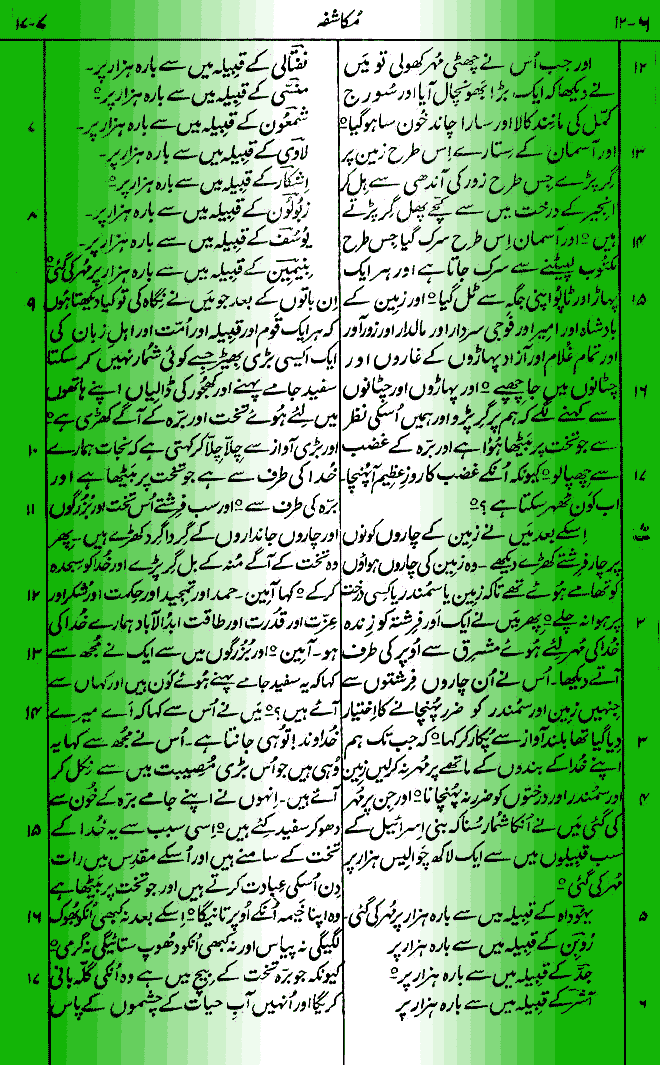
Verse-by-Verse Commentary & Explanation
Revelation 6:12
Verse (Punctuation Omitted):
And I beheld when he had opened the sixth seal and lo there was a great earthquake and the sun became black as sackcloth of hair and the moon became as blood
Detailed Explanation (English)
The opening of the Sixth Seal marks a dramatic transition from the human-driven crises of the first five seals to direct, cosmic intervention from God. This verse utilizes classic Old Testament apocalyptic imagery (reminiscent of Joel 2 and Isaiah 13) to describe a massive shaking of the creation. The “great earthquake” signifies the instability of the physical earth, while the blackening of the sun and the reddening of the moon represent a breakdown of the celestial order. It highlights that the upcoming judgment is not an ordinary geopolitical event but a divine disruption of the cosmos, signaling that the “Day of the Lord” is arriving.
Detailed Explanation (Urdu)
چھٹی مہر کا کھولا جانا دنیاوی اور انسانی آفات سے ہٹ کر براہِ راست الٰہی مداخلت کی علامت ہے۔ یہاں کائناتی تبدیلیوں کا ذکر ہے جیسے شدید زلزلہ، سورج کا کالا ہونا، اور چاند کا خون کی طرح سرخ ہو جانا۔ یہ تبدیلیاں پرانے عہد نامے کے انبیاء (جیسے یوایل اور یسعیاہ) کی پیشگوئیوں سے مشابہت رکھتی ہیں۔ یہ اس بات کا ثبوت ہے کہ خدا کی عدالت اب کائنات کے نظام کو ہلا کر رکھ دے گی اور انسان اپنے بنائے ہوئے مادی سہاکاروں پر بھروسہ نہیں کر سکے گا۔
Revelation 6:13
Verse (Punctuation Omitted):
And the stars of heaven fell unto the earth even as a fig tree casteth her untimely figs when she is shaken of a mighty wind
Detailed Explanation (English)
John uses a vivid agrarian metaphor to describe the cosmic chaos. The stars falling to the earth like “untimely figs” blown away by a violent wind indicates sudden, sweeping, and unavoidable judgment. In apocalyptic literature, stars often represent heavenly powers or political rulers, suggesting a complete collapse of global authorities, spiritual hierarchies, and human security systems under the weight of divine wrath.
Detailed Explanation (Urdu)
یوحنا یہاں ایک زبردست تمثیل استعمال کرتا ہے جہاں آسمان کے ستارے زمین پر ایسے گرتے ہیں جیسے تیز ہوا سے انجیر کے درخت کے کچے پھل گر جاتے ہیں۔ یہ اس بات کو ظاہر کرتا ہے کہ دنیا کا موجودہ نظام اور اس کی طاقتیں اتنی ہی ناپائیدار ہیں جو خدا کی قدرت کے سامنے ایک پل میں بکھر جائیں گی۔ یہ دنیاوی حکمرانوں اور نظاموں کے زوال کی بھی علامت ہے۔
Revelation 6:14
Verse (Punctuation Omitted):
And the heaven departed as a scroll when it is rolled together and every mountain and island were moved out of their places
Detailed Explanation (English)
The sky separating or rolling away like an ancient parchment scroll symbolizes the peeling back of the current physical dimension to reveal the spiritual reality behind it. Furthermore, geography itself is restructured; mountains and islands—symbols of permanent, unshakeable strength on Earth—are displaced. This emphasizes that nothing in the created order is permanent or secure when God steps forward in ultimate judgment.
Detailed Explanation (Urdu)
آسمان کا طومار (اسکرول) کی طرح لپٹ جانا یہ ظاہر کرتا ہے کہ مادی دنیا کا پردہ ہٹایا جا رہا ہے تاکہ خدا کے جلال اور عدالت کا سامنا کیا جا سکے۔ پہاڑوں اور جزیروں کا اپنی جگہوں سے ہل جانا اس بات کی علامت ہے کہ زمین پر جس چیز کو انسان سب سے زیادہ مضبوط اور مستقل سمجھتا ہے، وہ بھی خدا کی عدالت کے سامنے اپنی جگہ قائم نہیں رہ سکتی۔
Revelation 6:15
Verse (Punctuation Omitted):
And the kings of the earth and the great men and the rich men and the chief captains and the mighty men and every bondman and every free man hid themselves in the dens and in the rocks of the mountains
Detailed Explanation (English)
This verse outlines seven distinct classes of humanity, spanning from the top of the social hierarchy (kings, great men) to the absolute bottom (bondmen, free men). The message is clear: divine judgment is the ultimate equalizer. No amount of political power, military might, or financial wealth can buy immunity from God’s wrath. Everyone is reduced to absolute terror, fleeing to caves and rocks for refuge.
Detailed Explanation (Urdu)
یہاں انسانی معاشرے کے سات مختلف طبقوں کا ذکر کیا گیا ہے، بادشاہوں اور امیروں سے لے کر غلاموں اور آزاد لوگوں تک۔ یہ اس سچائی کو ظاہر کرتا ہے کہ خدا کی عدالت کے سامنے سب برابر ہیں۔ نہ تو کوئی اپنی دولت سے، نہ فوجی طاقت سے اور نہ ہی اپنے سیاسی اثر و رسوخ سے بچ سکتا ہے۔ سب کے سب خوف کے مارے پہاڑوں کے غاروں اور چٹانوں میں چھپنے پر مجبور ہو جاتے ہیں۔
Revelation 6:16
Verse (Punctuation Omitted):
And said to the mountains and rocks Fall on us and hide us from the face of him that sitteth on the throne and from the wrath of the Lamb
Detailed Explanation (English)
The fear gripping humanity is so agonizing that they prefer sudden death via collapsing mountains over facing the holy presence of God and the “wrath of the Lamb.” This phrase is deeply paradoxical; a lamb is traditionally a symbol of gentleness and sacrifice, but here it represents absolute, righteous, judicial fury. It shows the psychological weight of guilt when unrepentant humanity faces its Creator.
Detailed Explanation (Urdu)
انسانوں پر طاری خوف اس قدر شدید ہے کہ وہ زندہ رہنے کے بجائے پہاڑوں کے اپنے اوپر گرنے کی دعا کرتے ہیں تاکہ وہ تخت پر بیٹھنے والے (خدا) اور برّہ (یسوع مسیح) کے غضب سے چھپ سکیں۔ برّہ عام طور پر حلم اور قربانی کی علامت ہے، لیکن یہاں اس کا غضب الٰہی انصاف اور گناہ کے خلاف غصے کو ظاہر کرتا ہے، جس کا سامنا گنہگار انسان نہیں کر سکتا۔
Revelation 6:17
Verse (Punctuation Omitted):
For the great day of his wrath is come and who shall be able to stand
Detailed Explanation (English)
This rhetorical question closes Chapter 6 and frames the entire narrative of the seals. “Who shall be able to stand?” highlights human helplessness in the face of absolute holiness. The answer to this terrifying question is delivered in Chapter 7, which introduces those who are sealed and redeemed by God, proving that only through His grace can anyone survive this day.
Detailed Explanation (Urdu)
یہ ایک ایسا سوال ہے جو باب 6 کے اختتام پر پوری انسانیت کی بے بسی کو ظاہر کرتا ہے کہ “کون قائم رہ سکتا ہے؟” اس ہولناک سوال کا جواب دینے کے لیے ہی باب 7 سامنے آتا ہے، جہاں بتایا گیا ہے کہ صرف وہی لوگ قائم رہ سکتے ہیں جن پر خدا کے فضل اور اس کی مہر کا سایہ ہوگا۔
Revelation 7:1
Verse (Punctuation Omitted):
And after these things I saw four angels standing on the four corners of the earth holding the four winds of the earth that the wind should not blow on the earth nor on the sea nor on any tree
Detailed Explanation (English)
Chapter 7 acts as a dramatic interlude or pause between the sixth and seventh seals. The “four corners of the earth” represents universal, global coverage (north, south, east, west). The four angels holding back the destructive winds of judgment show God’s ultimate sovereignty; judgment does not happen erratically. God restrains the forces of destruction until His specific purpose of protection and identification is complete.
Detailed Explanation (Urdu)
باب 7 چھٹی اور ساتویں مہر کے درمیان ایک وقفہ ہے۔ زمین کے “چاروں کونوں” سے مراد پوری کائنات یا پوری دنیا ہے۔ چار فرشتے تباہی کی ہواؤں کو روکے ہوئے ہیں، جو یہ ظاہر کرتا ہے کہ خدا ہر آفت اور عدالت پر مکمل کنٹرول رکھتا ہے۔ وہ اپنے بندوں کو محفوظ کرنے تک تباہی کے فرشتوں کو روکے رکھتا ہے۔
Revelation 7:2
Verse (Punctuation Omitted):
And I saw another angel ascending from the east having the seal of the living God and he cried with a loud voice to the four angels to whom it was given to hurt the earth and the sea
Detailed Explanation (English)
An angel ascends from the east—the direction of the rising sun, symbolizing hope, light, and deliverance. This angel carries the “seal of the living God.” In ancient times, a seal denoted ownership, authenticity, security, and authority. The angel commands the destructive angels to pause their operations, showing a divine hierarchy and order during the end times.
Detailed Explanation (Urdu)
ایک اور فرشتہ مشرق سے نمودار ہوتا ہے، جو کہ امید اور نجات کی سمت ہے۔ اس کے پاس “زندہ خدا کی مہر” ہے۔ قدیم دور میں مہر ملکیت، حفاظت اور اختیار کی علامت ہوتی تھی۔ یہ فرشتہ تباہی مچانے والے فرشتوں کو رکنے کا حکم دیتا ہے، جو ظاہر کرتا ہے کہ خدا اپنے لوگوں کی حفاظت کو مقدم رکھتا ہے۔
Revelation 7:3
Verse (Punctuation Omitted):
Saying Hurt not the earth neither the sea nor the trees till we have sealed the servants of our God in their foreheads
Detailed Explanation (English)
The destruction is explicitly paused until the servants of God receive a mark on their foreheads. This recalls Ezekiel 9, where a mark protected the faithful from judgment in Jerusalem. The placement on the forehead represents public ownership and identity, showing that God knows those who are His and shields them spiritually from the ultimate spiritual destruction of the Tribulation.
Detailed Explanation (Urdu)
تباہی کو تب تک روک دیا جاتا ہے جب تک خدا کے خادموں کے ماتھوں پر مہر نہ لگا دی جائے۔ یہ عِزقیل کے صحیفے (باب 9) کی یاد دلاتا ہے جہاں وفاداروں کو بچانے کے لیے نشان لگایا گیا تھا۔ ماتھے پر مہر کا ہونا کھلم کھلا وفاداری، الٰہی ملکیت اور شیطانی قوتوں سے روحانی تحفظ کی علامت ہے۔
Revelation 7:4
Verse (Punctuation Omitted):
And I heard the number of them which were sealed and there were sealed an hundred and forty and four thousand of all the tribes of the children of Israel
Detailed Explanation (English)
John hears the specific number of those sealed: 144,000 from the tribes of Israel. The number is highly symbolic, consisting of , representing completion, symmetry, and a vast but perfectly ordered army or group. Theologians debate whether this represents literal ethnic Israel redeemed during the tribulation or a symbolic representation of the complete Church as the new Israel; either way, it reflects God’s meticulous keeping of His covenant promises.
Detailed Explanation (Urdu)
یوحنا مہر کیے جانے والوں کی تعداد سنتا ہے جو کہ ایک لاکھ چوالیس ہزار (144,000) ہے۔ یہ تعداد علامتی اور الٰہی کمال کو ظاہر کرتی ہے ()۔ یہ بنی اسرائیل کے قبائل سے تعلق رکھتے ہیں۔ مفسرین کے درمیان یہ بحث ہے کہ آیا یہ حقیقی بنی اسرائیل ہیں یا کلیسیا کی علامتی شکل، مگر یہ بات واضح ہے کہ خدا اپنے عہد کے مطابق اپنے چنے ہوئے لوگوں کی مکمل گنتی رکھتا ہے اور انہیں ضائع ہونے نہیں دیتا۔
Revelation 7:5
Verse (Punctuation Omitted):
Of the tribe of Juda were sealed twelve thousand Of the tribe of Reuben were sealed twelve thousand Of the tribe of Gad were sealed twelve thousand
Detailed Explanation (English)
The listing of the tribes begins with Judah rather than Reuben (the firstborn), reflecting Judah’s status as the royal tribe from which the Messiah, Jesus Christ, came. Each tribe receives an equal allocation of 12,000, underscoring equity, balance, and absolute order within God’s redemptive plan.
Detailed Explanation (Urdu)
قبائل کی فہرست میں یہوداہ کا نام سب سے پہلے آتا ہے، اگرچہ روبن پہلوٹھا تھا۔ اس کی وجہ یہ ہے کہ مسیح (یسوع) یہوداہ کے قبیلے سے آئے۔ ہر قبیلے سے بارہ ہزار (12,000) مہر کیے جاتے ہیں، جو خدا کے انصاف اور اس کے منصوبے کی برابری کو ظاہر کرتا ہے۔
Revelation 7:6
Verse (Punctuation Omitted):
Of the tribe of Aser were sealed twelve thousand Of the tribe of Nepthalim were sealed twelve thousand Of the tribe of Manasses were sealed twelve thousand
Detailed Explanation (English)
The inventory continues with Asher, Naphtali, and Manasseh. Notably, Manasseh (the son of Joseph) is listed individually, while Ephraim is subsumed under Joseph later. The systematic breakdown demonstrates that despite history dispersing the “lost tribes,” God traces and preserves their spiritual and physical lineages perfectly.
Detailed Explanation (Urdu)
اس آیت میں آشر، نفتالی اور منسی کے قبائل کا ذکر ہے۔ منسی (جیسوف کا بیٹا) کا الگ نام آنا ظاہر کرتا ہے کہ تاریخ کی نظر میں کھوئے ہوئے قبائل بھی خدا کی نظر میں محفوظ ہیں اور وہ ان کی نسل اور روحانی شناخت سے واقف ہے۔
Revelation 7:7
Verse (Punctuation Omitted):
Of the tribe of Simeon were sealed twelve thousand Of the tribe of Levi were sealed twelve thousand Of the tribe of Issachar were sealed twelve thousand
Detailed Explanation (English)
Simeon, Levi, and Issachar are listed here. Levi, who traditionally did not receive a land inheritance because they were priests, is counted among the tribes here, showcasing that in this end-times configuration, all are called into an equal standing of priestly service and protection under the Lamb.
Detailed Explanation (Urdu)
اس آیت میں شمعون، لاوی اور اشکار کا ذکر ہے۔ لاوی کا قبیلہ جو پرانے عہد نامے میں زمین کی وراثت سے باہر تھا کیونکہ وہ کاہن تھے، یہاں باقاعدہ شمار کیا گیا ہے، جو یہ ظاہر کرتا ہے کہ اب سب کو یکساں طور پر کاہنانہ خدمت اور تحفظ حاصل ہے۔
Revelation 7:8
Verse (Punctuation Omitted):
Of the tribe of Zabulon were sealed twelve thousand Of the tribe of Joseph were sealed twelve thousand Of the tribe of Benjamin were sealed twelve thousand
Detailed Explanation (English)
The listing concludes with Zebulun, Joseph, and Benjamin. Conspicuously absent from this entire list is the tribe of Dan (and Ephraim by name, though represented by Joseph). Historically, Dan was heavily associated with early idolatry in Israel (Judges 18). Despite omission, the total remains perfectly complete, framing the absolute preservation of God’s covenant core.
Detailed Explanation (Urdu)
یہ فہرست زبولون، یوسف اور بنیمین پر ختم ہوتی ہے۔ اس پوری فہرست میں دان کے قبیلے کا نام شامل نہیں ہے، جس کی تاریخی وجہ دان کا بت پرستی میں مبتلا ہونا مانی جاتی ہے۔ تاہم، کل تعداد پھر بھی مکمل رہتی ہے، جو خدا کے عہد کے پختہ ہونے کا ثبوت ہے۔
Revelation 7:9
Verse (Punctuation Omitted):
After this I beheld and lo a great multitude which no man could number of all nations and kindreds and people and tongues stood before the throne and before the Lamb clothed with white robes and palms in their hands
Detailed Explanation (English)
John’s vision shifts focus from a specific, numbered group heard (the 144,000 Israelite saints) to an infinite, multicultural group seen: the Great Multitude. This crowd represents the global success of the Gospel, featuring people from every language and nation. Their white robes represent pure righteousness given through Christ, and the palm branches signify victory, joy, and celebration (evoking the Feast of Tabernacles and Jesus’ Triumphal Entry).
Detailed Explanation (Urdu)
یہاں یوحنا کی نظر ایک بڑی اور بے شمار بھیڑ پر پڑتی ہے جو دنیا کی ہر قوم، قبیلے اور زبان سے ہے۔ یہ انجیل کی عالمگیر کامیابی کی علامت ہے۔ ان کے سفید لباس پاکیزگی اور راستبازی کو ظاہر کرتے ہیں، اور ہاتھوں میں کھجور کی ڈالیاں فتح، جشن اور شکرگزاری کی علامت ہیں، جیسے مسیح کے یروشلم میں داخلے کے وقت ہوا تھا۔
Revelation 7:10
Verse (Punctuation Omitted):
And cried with a loud voice saying Salvation to our God which sitteth upon the throne and unto the Lamb
Detailed Explanation (English)
The great multitude proclaims a unified declaration of praise. They attribute salvation entirely to God the Father on the throne and to the Lamb. This verse establishes that salvation is not earned through personal merit or human might but is a divine gift executed through the redemptive sacrifice of Jesus Christ.
Detailed Explanation (Urdu)
یہ بے شمار بھیڑ مل کر بلند آواز سے خدا کی حمد کرتی ہے اور نجات کا سہرا صرف تخت پر بیٹھے ہوئے خدا اور برّے (یسوع) کے سر باندھتی ہے۔ یہ اس بات کا اقرار ہے کہ نجات انسانی اعمال یا طاقت سے نہیں، بلکہ خالصتاً الٰہی فضل اور برّے کی قربانی سے حاصل ہوتی ہے۔
Revelation 7:11
Verse (Punctuation Omitted):
And all the angels stood round about the throne and about the elders and the four beasts and fell before the throne on their faces and worshipped God
Detailed Explanation (English)
The human chorus triggers a cosmic response. All the angelic hosts, along with the twenty-four elders and the four living creatures, unite in worship. Falling on their faces indicates absolute humility, reverence, and submission before the majesty of God, validating the praise offered by the redeemed human multitude.
Detailed Explanation (Urdu)
انسانوں کی اس حمد و ثنا کے جواب میں کائنات کی تمام آسمانی مخلوقات—فرشتے، چوبیس بزرگ اور چاروں جاندار—تخت کے گرد جمع ہو کر اوندھے منہ گرتے ہیں اور خدا کی پرستش کرتے ہیں۔ یہ الٰہی جلال کے سامنے مکمل عاجزی اور سجدہ تعظیمی کی عکاسی ہے۔
Revelation 7:12
Verse (Punctuation Omitted):
Saying Amen Blessing and glory and wisdom and thanksgiving and honour and power and might be unto our God for ever and ever Amen
Detailed Explanation (English)
The heavenly host responds with a sevenfold blessing (blessing, glory, wisdom, thanksgiving, honor, power, might). In biblical numerology, seven represents divine perfection and completeness. By framing their worship with an “Amen” at both the beginning and the end, they affirm that God is eternally worthy of all cosmic praise.
Detailed Explanation (Urdu)
فرشتے سات گنا حمد (برکت، جلال، حکمت، شکرگزاری، عزت، قدرت اور طاقت) کے ساتھ جواب دیتے ہیں۔ بائبل میں “سات” کا ہندسہ کاملیت کی علامت ہے۔ شروع اور آخر میں “آمین” کہنا اس بات پر مہر لگاتا ہے کہ خدا ہی ہمیشہ تک ان تمام تعریفوں کے لائق ہے۔
Revelation 7:13
Verse (Punctuation Omitted):
And one of the elders answered saying unto me What are these which are arrayed in white robes and whence came they
Detailed Explanation (English)
One of the twenty-four elders engages John with a rhetorical dialogue, drawing attention back to the identity of the multitude in white robes. This is a literary technique designed to emphasize the importance of the explanation that follows and to highlight the historical context of these redeemed souls.
Detailed Explanation (Urdu)
بزرگوں میں سے ایک بزرگ یوحنا سے سوال کرتا ہے کہ یہ سفید لباس پہنے ہوئے لوگ کون ہیں اور کہاں سے آئے ہیں؟ یہ سوال یوحنا کی توجہ اس بھیڑ کی اصل شناخت اور ان کی تاریخ کی طرف دلانے کے لیے پوچھا گیا ہے تاکہ اس کے بعد آنے والے جواب کی اہمیت واضح ہو سکے۔
Revelation 7:14
Verse (Punctuation Omitted):
And I said unto him Sir thou knowest And he said to me These are they which came out of great tribulation and have washed their robes and made them white in the blood of the Lamb
Detailed Explanation (English)
John responds deferentially, acknowledging the elder’s superior heavenly knowledge. The elder reveals that this multitude consists of those who survived or suffered through the “Great Tribulation.” Paradoxically, they made their robes white by washing them in the red blood of the Lamb. This striking imagery reinforces that cleansing from sin and ultimate spiritual victory come exclusively through the substitutionary, sacrificial death of Jesus.
Detailed Explanation (Urdu)
یوحنا عاجزی سے جواب دیتا ہے کہ “اے میرے آقا، تو ہی جانتا ہے۔” تب بزرگ انکشاف کرتا ہے کہ یہ وہ لوگ ہیں جو “بڑی مصیبت” (Great Tribulation) سے نکل کر آئے ہیں۔ انہوں نے اپنے لباس برّے کے خون سے دھو کر سفید کیے ہیں۔ یہ ایک خوبصورت تضاد ہے جہاں سرخ خون سے دھونے سے لباس سفید (پاک) ہو جاتا ہے، جو گناہوں سے پاکیزگی کے لیے یسوع کی قربانی کی اہمیت کو جتاتا ہے۔
Revelation 7:15
Verse (Punctuation Omitted):
Therefore are they before the throne of God and serve him day and night in his temple and he that sitteth on the throne shall dwell among them
Detailed Explanation (English)
Because they have been cleansed by the Lamb, they enjoy immediate access to the presence of God. Their eternity is spent in ceaseless devotion (“serve him day and night”), and God promises to “dwell among them” (tabernacle over them). This fulfills the ultimate goal of biblical redemption: uninterrupted, close communion between Creator and creation.
Detailed Explanation (Urdu)
برّے کے خون سے پاک ہونے کی وجہ سے انہیں خدا کے تخت تک براہِ راست رسائی حاصل ہے۔ اب وہ دن رات خدا کی ہیکل میں اس کی خدمت کرتے ہیں اور تخت پر بیٹھنے والا ان کے درمیان سکونت اختیار کرے گا۔ یہ انسان اور خدا کے درمیان اس ابدی رفاقت کی بحالی ہے جو گناہ کی وجہ سے ٹوٹ گئی تھی۔
Revelation 7:16
Verse (Punctuation Omitted):
They shall hunger no more neither thirst any more neither shall the sun light on them nor any heat
Detailed Explanation (English)
This verse outlines the reversal of earthly suffering. During the Tribulation, believers likely faced intense physical deprivation, starvation, and exposure due to persecution and atmospheric judgments. In eternity, all physical suffering is permanently abolished; they are fully insulated from hardship, deprivation, and distress.
Detailed Explanation (Urdu)
یہ آیت زمین پر جھیلی جانے والی تمام تکلیفوں کے خاتمے کا اعلان ہے۔ بڑی مصیبت کے دوران ان ایمانداروں نے بھوک، پیاس اور ظلم کی سختیاں جھیلی ہوں گی۔ لیکن اب، ابدیت میں، نہ انہیں بھوک لگے گی، نہ پیاس، اور نہ ہی دھوپ یا گرمی کی کوئی تپش انہیں ستا سکے گی کیونکہ وہ خدا کی پناہ میں ہیں۔
Revelation 7:17
Verse (Punctuation Omitted):
For the Lamb which is in the midst of the throne shall feed them and shall lead them unto living fountains of waters and God shall wipe away all tears from their eyes
Detailed Explanation (English)
The chapter concludes with a beautiful pastoral paradox: the Lamb acts as their Shepherd. He feeds them and guides them to “living fountains of waters”—the source of eternal life and spiritual vitality. Finally, God acts with parental tenderness, personally wiping away every tear from their eyes, signaling the absolute end of sorrow, grief, and pain.
Detailed Explanation (Urdu)
باب کا اختتام ایک خوبصورت اور دلنشین تصویر پر ہوتا ہے جہاں برّہ خود چرواہا بن کر ان کی گلہ بانی کرتا ہے۔ وہ انہیں زندگی کے چشموں کی طرف لے جاتا ہے اور خدا خود ان کی آنکھوں کے تمام آنسو پونچھ ڈالتا ہے۔ یہ اس بات کی ضمانت ہے کہ ابدیت میں دکھ، غم، اور درد کا نام و نشان بھی باقی نہیں رہے گا۔