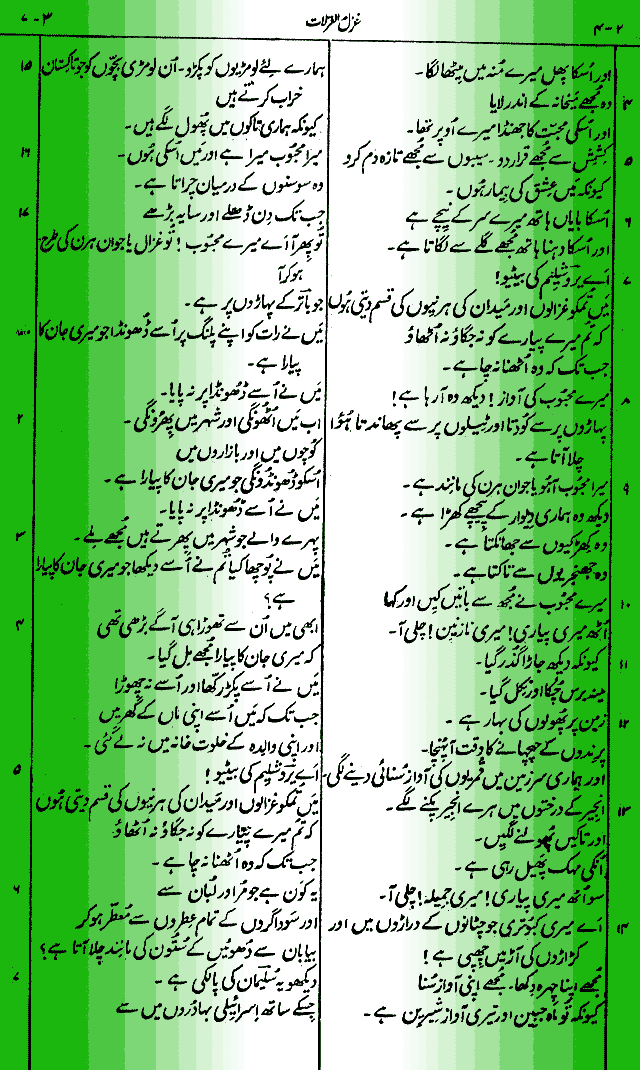
Song of Solomon — Chapter 2 (Verses 4–17)
Song 2:4
Verse: He brought me to the banqueting house and his banner over me was love
-
English Explanation (AdSense Optimized): This verse highlights the transition from private affection to public celebration. The “banqueting house” represents a place of spiritual abundance, community joy, and divine hospitality. In a spiritual sense, God brings the believer into a place of profound fellowship and spiritual nourishment. The “banner” signifies protection, identity, and public declaration. It shows that God’s primary identity and statement over His people is absolute, unconditional love.
-
Urdu Explanation (تفصیلی وضاحت): یہ آیت عوامی جشن اور روحانی کثرت کی علامت ہے۔ “ضیافت خانہ” (بنیاد) ایک ایسی جگہ کو ظاہر کرتا ہے جہاں خدا اپنے بندوں کو اپنی برکات اور رفاقت سے نوازتا ہے۔ “محبت کا علم (جھنڈا)” یہ ظاہر کرتا ہے کہ خدا کا اپنے لوگوں کے تحفظ، شناخت اور اعلان کا سب سے بڑا ذریعہ صرف اور صرف محبت ہے۔ وہ ہمیں دنیا کے سامنے اپنی محبت کے سائے تلے محفوظ رکھتا ہے۔
Song 2:5
Verse: Stay me with flagons comfort me with apples for I am sick of love
-
English Explanation: The bride expresses an overwhelming intensity of emotion, describing herself as “sick of love”—which in ancient literature means being completely overcome or fainting from deep affection and desire. She seeks restoration and strength through “flagons” (refreshing wine cakes) and “apples” (symbols of life and sweetness). Spiritually, it reflects a soul that is completely consumed by the longing for God’s presence, needing His divine comfort to sustain them.
-
Urdu Explanation: یہاں دلہن اپنی شدید محبت کے جذبات کا اظہار کر رہی ہے جہاں وہ کہتی ہے کہ وہ “محبت کی بیمار” ہے (یعنی محبت کی شدت سے نڈھال ہے)۔ وہ اپنے آپ کو سنبھالنے کے لیے پھلوں اور مٹھاس کی خواہش کرتی ہے۔ روحانی طور پر، یہ اس روح کی عکاسی کرتا ہے جو خدا کی محبت کی تڑپ میں اتنی ڈوب چکی ہے کہ اسے اب صرف خدا کے فضل اور تسلی کے سہارے کی ضرورت ہے۔
Song 2:6
Verse: His left hand is under my head and his right hand doth embrace me
-
English Explanation: This verse depicts absolute security, tenderness, and intimate protection. The placement of the hands shows complete support—the left hand cradles and lifts the head up, while the right hand wraps around in a protective embrace. Spiritually, it symbolizes how God supports His believers during times of weakness, holding them close and assuring them of His permanent presence and comfort.
-
Urdu Explanation: یہ آیت مکمل تحفظ، نرمی اور الٰہی پناہ کو ظاہر کرتی ہے۔ دولہے کا بایاں ہاتھ دلہن کے سر کے نیچے ہے (اسے سہارا دینے کے لیے) اور دایاں ہاتھ اسے گلے لگا رہا ہے۔ روحانی معنوں میں، یہ اس بات کی علامت ہے کہ جب مومن کمزور پڑتا ہے، تو خدا اسے اپنے رحم اور فضل کے بازوؤں میں تھام لیتا ہے اور گرنے نہیں دیتا۔
Song 2:7
Verse: I charge you O ye daughters of Jerusalem by the roes and by the hinds of the field that ye stir not up nor awake my love till he please
-
English Explanation: The bride issues a solemn warning to the onlookers (“daughters of Jerusalem”). Using gentle and easily startled animals like roes and hinds as witnesses, she warns against rushing or forcing love before its natural, rightful time. In a spiritual context, this emphasizes patience and reverence in our relationship with God. True spiritual intimacy cannot be manufactured or forced; it must grow naturally according to God’s perfect timing.
-
Urdu Explanation: دلہن یروشلم کی بیٹیوں کو ایک سنجیدہ تاکید کرتی ہے کہ وہ محبت کے اس پاکیزہ لمحے میں خلل نہ ڈالیں۔ وہ میدان کے غزالوں اور ہرنیوں کی قسم کھاتی ہے جو کہ نرمی کی علامت ہیں۔ روحانی طور پر، یہ آیت سکھاتی ہے کہ خدا کے ساتھ تعلق اور روحانی تجربات کو زبردستی یا جلد بازی میں حاصل نہیں کیا جا سکتا؛ ہمیں خدا کے وقت اور اس کی مرضی کا صبر سے انتظار کرنا چاہیے۔
Song 2:8
Verse: The voice of my beloved behold he cometh leaping upon the mountains skipping upon the hills
-
English Explanation: The tone shifts to excitement as the bride recognizes the distinct voice of her beloved from afar. He is described as full of energy and passion, overcoming massive geographical obstacles (“mountains” and “hills”) with ease to reach her. Spiritually, this represents Jesus Christ overcoming all barriers—sin, distance, and difficulties—to come and rescue or fellowship with His Church and believers.
-
Urdu Explanation: یہاں دلہن خوشی سے اپنے محبوب کی آواز کو پہچانتی ہے جو دور سے آ رہا ہے۔ وہ پہاڑوں اور ٹیلوں کو پھلانگتا ہوا آ رہا ہے، جو اس کی شدید محبت اور توانائی کو ظاہر کرتا ہے۔ روحانی طور پر، یہ مسیح کی آمد اور اس بات کی علامت ہے کہ خدا تمام رکاوٹوں، گناہوں اور فاصلوں کو پار کر کے اپنے بندوں کے پاس پہنچنے کی قدرت رکھتا ہے۔
Song 2:9
Verse: My beloved is like a roe or a young hart behold he standeth behind our wall he looketh forth at the windows shewing himself through the lattice
-
English Explanation: The beloved is compared to a swift, beautiful deer, full of vitality. However, there is still a temporary barrier (“our wall”). He stands just outside, looking through the windows and the lattice, desiring to be seen and invited in. This mirrors the spiritual reality of God seeking intimacy with us; He stands close by, peeking through the walls of our hearts, waiting for us to respond to His presence.
-
Urdu Explanation: محبوب کو ایک تیز رفتار اور خوبصورت ہرن سے تشبیہ دی گئی ہے۔ لیکن ابھی ایک دیوار حائل ہے، اور وہ کھڑکی اور جالی کے پیچھے سے جھانک رہا ہے۔ روحانی طور پر، یہ اس بات کو ظاہر کرتا ہے کہ خدا ہمارے بہت قریب کھڑا ہے، وہ ہماری زندگیوں میں جھانک رہا ہے اور اس انتظار میں ہے کہ ہم اپنے دل کے دروازے کھولیں تاکہ وہ ہم سے مکمل رفاقت رکھ سکے۔
Song 2:10
Verse: My beloved spake and said unto me Rise up my love my fair one and come away
-
English Explanation: The beloved calls out to the bride with affectionate titles (“my love,” “my fair one”). He invites her to leave her current state of isolation and join him. Spiritually, this is the universal call of God to every believer: an invitation to rise above complacency, fear, or worldly attachments, and walk closely in a renewed life with Him.
-
Urdu Explanation: محبوب اپنی دلہن کو پیار بھرے القابات (“میری محبت”، “میری خوبصورت”) سے پکارتا ہے اور اسے دعوت دیتا ہے کہ وہ اٹھے اور اس کے ساتھ چل پڑے۔ روحانی طور پر، یہ خدا کا ہر مومن کے لیے بلاوا ہے کہ وہ سستی، خوف اور دنیاوی بندھنوں سے اوپر اٹھے اور خدا کے ساتھ ایک نئے اور گہرے سفر پر روانہ ہو۔
Song 2:11
Verse: For lo the winter is past the rain is over and gone
-
English Explanation: The beloved provides the reason for the invitation: the cold, dark, and unproductive season of winter is officially over. The storms have passed. Spiritually, this symbolizes the end of spiritual darkness, trials, or judgment, and the dawning of a new season of grace, revival, and divine favor through redemption.
-
Urdu Explanation: محبوب بتاتا ہے کہ اب باہر آنے کا وقت کیوں ہے: کیونکہ سردی کا تاریک اور سخت موسم گزر چکا ہے اور بارشیں ختم ہو چکی ہیں۔ روحانی طور پر، یہ آزمائشوں، گناہ کی تاریکی اور الٰہی غضب کے خاتمے کی علامت ہے، اور خدا کے فضل اور نئی زندگی کے آغاز کو ظاہر کرتا ہے۔
Song 2:12
Verse: The flowers appear on the earth the time of the singing of birds is come and the voice of the turtle is heard in our land
-
English Explanation: This verse describes the beautiful arrival of spring—flowers blooming, birds singing, and the voice of the turtle-dove (a sign of peace and spring) echoing through the land. It represents restoration, beauty, and joy. Spiritually, it portrays the fruits of the Holy Spirit blooming in a believer’s life and the joy that accompanies a genuine spiritual revival.
-
Urdu Explanation: یہ آیت بہار کی خوبصورتی کو بیان کرتی ہے جہاں زمین پر پھول کھل رہے ہیں، پرندے گیت گا رہے ہیں اور فاختہ (جو امن اور بہار کی علامت ہے) کی آواز سنائی دے رہی ہے۔ روحانی طور پر، یہ زندگی میں روح القدس کے پھل ظاہر ہونے، امن و سلامتی کے لوٹ آنے اور ایمان میں نئی تازگی پانے کی علامت ہے۔
Song 2:13
Verse: The fig tree putteth forth her green figs and the vines with the tender grape give a good smell Arise my love my fair one and come away
-
English Explanation: Nature is now bearing early fruit: figs are growing, and grapevines are producing a sweet fragrance. It is a time of productivity and spiritual maturity. The beloved repeats his urgent, loving invitation to “Arise… and come away.” God desires that we do not miss the harvest season of grace and that we step into the active fruitfulness He has prepared for us.
-
Urdu Explanation: انجیر کے درخت پر پتے اور پھل آ رہے ہیں اور انگور کی بیلیں خوشبو پھیلا رہی ہیں، جو کہ پھلدار ہونے کی علامت ہے۔ محبوب دوبارہ اپنی محبت بھری دعوت دہراتا ہے کہ “اٹھ اور چلی آ”۔ خدا چاہتا ہے کہ ہم اس کے فضل کے اس موسم کو ضائع نہ کریں اور اس کی دی ہوئی برکات اور پھلدار زندگی میں قدم رکھیں۔
Song 2:14
Verse: O my dove that art in the clefts of the rock in the secret places of the stairs let me see thy countenance let me hear thy voice for sweet is thy voice and thy countenance is comely
-
English Explanation: The beloved calls the bride his “dove,” a symbol of purity and innocence. She is hiding in fear or modesty in the “clefts of the rock” (hidden, high places). He reassures her, asking to see her face and hear her voice because she is beautiful and sweet to him. Spiritually, Christ encourages believers who are hiding in fear or shame to come out openly into His presence, assuring them that they are precious and accepted in His sight.
-
Urdu Explanation: محبوب اپنی دلہن کو “فاختہ” کہتا ہے جو پاکیزگی کی علامت ہے۔ وہ خوف یا شرم کی وجہ سے چٹان کی دراڑوں اور چھپی ہوئی جگہوں پر چھپی ہوئی ہے۔ محبوب اسے تسلی دیتا ہے کہ وہ باہر آئے، اپنی آواز سنائے اور اپنا چہرہ دکھائے کیونکہ وہ اس کی نظر میں خوبصورت ہے۔ روحانی طور پر، خدا خوفزدہ اور مایوس انسانوں کو اپنے پاس بلاتا ہے اور یقین دلاتا ہے کہ وہ اس کے لیے قیمتی ہیں۔
Song 2:15
Verse: Take us the foxes the little foxes that spoil the vines for our vines have tender grapes
-
English Explanation: A warning is given to catch the “little foxes.” These small animals burrow under fences and eat the tender, young grapes, ruining the future harvest before it fully matures. Spiritually, this is a call to deal with “small” sins, compromises, negative thoughts, or hidden habits that quietly destroy spiritual growth, relationship intimacy, and personal character.
-
Urdu Explanation: یہاں ایک انتباہ ہے کہ “چھوٹی لومڑیوں” کو پکڑو جو انگور کے نئے اور نرم باغوں کو تباہ کر دیتی ہیں۔ روحانی طور پر، یہ آیت ہمیں خبردار کرتی ہے کہ ہم ان “چھوٹے گناہوں”، بری عادتوں یا سمجھوتوں کو اپنی زندگی سے نکالیں جو بظاہر معمولی نظر آتے ہیں لیکن ہمارے روحانی پھلوں اور خدا کے ساتھ ہمارے رشتے کو آہستہ آہستہ برباد کر دیتے ہیں۔
Song 2:16
Verse: My beloved is mine and I am his he feedeth among the lilies
-
English Explanation: This is one of the most famous declarations of mutual, exclusive ownership and covenant love in the Bible. The relationship is secure: they belong entirely to each other. He finds his satisfaction and rests (“feedeth”) among the pure, beautiful lilies. Spiritually, it reflects the ultimate assurance of salvation and intimacy between Christ and the believer, where Christ dwells contentedly within a pure and devoted heart.
-
Urdu Explanation: یہ پوری بائبل میں باہمی محبت اور عہد کا ایک خوبصورت ترین اقرار ہے۔ “میرا محبوب میرا ہے اور میں اپنے محبوب کی ہوں”۔ ان کا تعلق محفوظ اور پکا ہے۔ وہ سوسن (پاکیزہ پھولوں) کے درمیان چرتا ہے۔ روحانی طور پر، یہ مسیح اور مومن کے درمیان گہرے اور अटूट رشتے کو ظاہر کرتا ہے، جہاں خدا ایک پاک دل میں سکونت اختیار کرتا ہے۔
Song 2:17
Verse: Until the day break and the shadows flee away turn my beloved and be thou like a roe or a young hart upon the mountains of Bether
-
English Explanation: The bride looks forward to the morning when darkness completely disappears (“shadows flee away”). Until that perfect moment arrives, she asks her beloved to remain swift and free like a young deer upon the mountains of “Bether” (which means separation or division). Spiritually, this represents the Church waiting for the ultimate return of Christ (the final daybreak), asking Him to overcome all earthly separations and return swiftly.
-
Urdu Explanation: دلہن صبح کے طلوع ہونے اور اندھیرے (سایوں) کے غائب ہونے کا انتظار کر رہی ہے۔ وہ اپنے محبوب سے کہتی ہے کہ جب تک وہ وقت نہیں آتا، وہ جدائی کے پہاڑوں پر ایک تیز رفتار ہرن کی طرح پھرتا رہے۔ روحانی طور پر، یہ کلیسیا یا مومن کی طرف سے مسیح کی دوسری آمد (حتمی صبح) کا انتظار ہے، جہاں وہ التجا کرتی ہے کہ خدا تمام جدائیوں کو ختم کر کے جلدی واپس آئے۔
Song of Solomon — Chapter 3 (Verses 1–7)
Song 3:1
Verse: By night on my bed I sought him whom my soul loveth I sought him but I found him not
-
English Explanation: The bride experiences a period of separation and spiritual anxiety during the night. She searches for her beloved from her bed—symbolizing a state of passivity or inward longing—but does not find him. Spiritually, this describes the “dark night of the soul,” a time when a believer feels distant from God’s presence, leading to a deeper, urgent desire to actively seek Him out.
-
Urdu Explanation: دلہن رات کے وقت اپنے بستر پر اپنے محبوب کو تلاش کرتی ہے جس سے وہ دلی محبت کرتی ہے، لیکن وہ اسے نہیں پاتی۔ یہ جدائی اور بے چینی کا وقت ہے۔ روحانی طور پر، یہ اس دور کو ظاہر کرتا ہے جب انسان خدا کی حضوری کو محسوس نہیں کر پاتا اور اس کا دل خدا کو پانے کے لیے تڑپ اٹھتا ہے، جو اسے سستی چھوڑ کر خدا کی تلاش کرنے پر مجبور کرتا ہے۔
Song 3:2
Verse: I will rise now and go about the city in the streets and in the broad ways I will seek him whom my soul loveth I sought him but I found him not
-
English Explanation: Realizing that passive searching is not enough, the bride takes action. She rises in the middle of the night to wander through the dangerous, wide streets of the city to find her love. Yet, she still faces a trial of patience as he remains unfound. Spiritually, this represents a believer actively putting effort into prayer, worship, and seeking God outside their comfort zone, even when answers are not immediate.
-
Urdu Explanation: یہ دیکھ کر کہ بستر پر لیٹے رہنے سے محبوب نہیں ملے گا، دلہن ہمت کر کے اٹھتی ہے اور رات کے اندھیرے میں شہر کی گلیوں اور چراہوں میں نکل پڑتی ہے۔ وہ اب بھی اسے نہیں پا سکی۔ روحانی طور پر، یہ ظاہر کرتا ہے کہ جب ہم خدا کو پانا چاہتے ہیں تو ہمیں اپنے آرام کے دائرے (Comfort Zone) سے باہر نکل کر دعا اور سچی تڑپ کے ساتھ اسے تلاش کرنا پڑتا ہے۔
Song 3:3
Verse: The watchmen that go about the city found me to whom I said Saw ye him whom my soul loveth
-
English Explanation: While searching, she encounters the city watchmen (guardians of order and security). Instead of being afraid of them, she immediately asks them if they have seen her beloved. Spiritually, the watchmen represent spiritual leaders, ministers, or mentors. When we are lost or seeking God, we often look to spiritual guides to help lead us back to Christ.
-
Urdu Explanation: شہر میں گشت کرتے ہوئے چوکیدار دلہن کو ملتے ہیں۔ وہ ان سے ڈرنے کی بجائے فوراً اپنے محبوب کا پتہ پوچھتی ہے۔ روحانی طور پر، چوکیدار کلیسیا کے رہنماؤں، خادموں یا روحانی استادوں کی علامت ہیں، جن سے ہم اپنی روحانی حالت میں رہنمائی حاصل کرتے ہیں تاکہ خدا کا قرب حاصل کر سکیں۔
Song 3:4
Verse: It was but a little that I passed from them but I found him whom my soul loveth I held him and would not let him go until I had brought him into my mother’s house and into the chamber of her that conceived me
-
English Explanation: Shortly after leaving the watchmen, her persistent search rewards her—she finds her beloved. Her response is immediate and intense: she holds him tightly, refusing to let him go, and brings him to the most secure, intimate place she knows (her mother’s house). Spiritually, this shows that those who diligently seek God will find Him. When we experience His presence, we must hold fast to Him through faith and bring Him into every foundational area of our lives.
-
Urdu Explanation: چوکیداروں سے آگے گزرتے ہی دلہن کی محنت رنگ لاتی ہے اور وہ اپنے محبوب کو پا لیتی ہے۔ وہ اسے مضبوطی سے تھام لیتی ہے اور جانے نہیں دیتی، اور اسے اپنی ماں کے گھر (سب سے محفوظ اور قریبی جگہ) لے آتی ہے۔ روحانی طور پر، یہ سکھاتا ہے کہ جو سچے دل سے خدا کو ڈھونڈتے ہیں وہ اسے پا لیتے ہیں، اور پانے کے بعد ایمان کے ساتھ اسے اپنے دل اور گھر کی بنیاد بنا لینا چاہیے۔
Song 3:5
Verse: I charge you O ye daughters of Jerusalem by the roes and by the hinds of the field that ye stir not up nor awake my love till he please
-
English Explanation: This verse is an exact repetition of Song 2:7. After the anxiety of losing him and the joy of finding him, the bride once again guards this sacred intimacy. She warns against disturbing the peace of their restored love. Spiritually, it reminds us to fiercely protect our peace and fellowship with God from worldly distractions once it has been restored.
-
Urdu Explanation: یہ آیت باب 2 کی آیت 7 کی طرح ہے۔ محبوب کو کھونے اور دوبارہ پانے کے بعد، دلہن ایک بار پھر اس پاکیزہ رفاقت کی حفاظت کرتی ہے اور تاکید کرتی ہے کہ کوئی اس سکون میں خلل نہ ڈالے۔ روحانی طور پر، یہ سبق دیتا ہے کہ جب خدا سے ہمارا رشتہ بحال ہو جائے، تو ہمیں دنیاوی شکوک و شبہات اور گناہوں سے اس کی حفاظت کرنی چاہیے۔
Song 3:6
Verse: Who is this that cometh out of the wilderness like pillars of smoke perfumed with myrrh and frankincense with all powders of the merchant
-
English Explanation: The perspective shifts to an observer watching a grand royal procession approaching from the desert (“wilderness”). The procession is majestic, surrounded by pillars of smoke (from burning incense) and smelling of exotic, costly perfumes like myrrh and frankincense. Spiritually, this represents the journey of the Church or the believer coming out of the dry wilderness of the world, sanctified and beautified by the costly grace and presence of Christ.
-
Urdu Explanation: یہاں منظر بدلتا ہے اور لوگ باہر سے آنے والے ایک شاہی قافلے کو دیکھتے ہیں جو بیابان سے آ رہا ہے۔ وہ دھوئیں کے ستونوں (بخور) اور قیمتی عطر جیسے مُر اور لبان کی خوشبو سے مہک رہا ہے۔ روحانی طور پر، یہ دنیا کے بیابان سے نکل کر خدا کی بادشاہی کی طرف بڑھنے والے مومن یا کلیسیا کی تصویر ہے، جو خدا کے فضل اور پاکیزگی سے آراستہ ہے۔
Song 3:7
Verse: Behold his bed which is Solomon’s threescore valiant men are about it of the valiant of Israel
-
English Explanation: The observer identifies the procession as King Solomon’s royal carriage or traveling couch (“bed”). It is surrounded by “threescore” (60) elite, valiant warriors of Israel, fully armed for protection. Spiritually, this emphasizes the absolute safety, royalty, and security found in God’s presence. Believers are protected by divine strength and heavenly hosts; there is no need to fear the dangers of the wilderness when resting in the care of the King of Kings.
-
Urdu Explanation: لوگ پہچان لیتے ہیں کہ یہ بادشاہ سلیمان کی شاہی سواری ہے۔ اس سواری کے ارد گرد اسرائیل کے 60 چیدہ چیدہ اور بہادر سورما حفاظت کے لیے تعینات ہیں۔ روحانی طور پر، یہ اس بات کی علامت ہے کہ خدا کی پناہ اور اس کی بادشاہی میں مومن مکمل طور پر محفوظ ہے۔ جب ہم بادشاہوں کے بادشاہ (خدا) کی سرپرستی میں ہوتے ہیں، تو ہمیں کسی دشمن یا خوف سے ڈرنے کی ضرورت نہیں ہوتی۔