Verse-by-Verse Commentary & Explanation
Song of Solomon 3:8
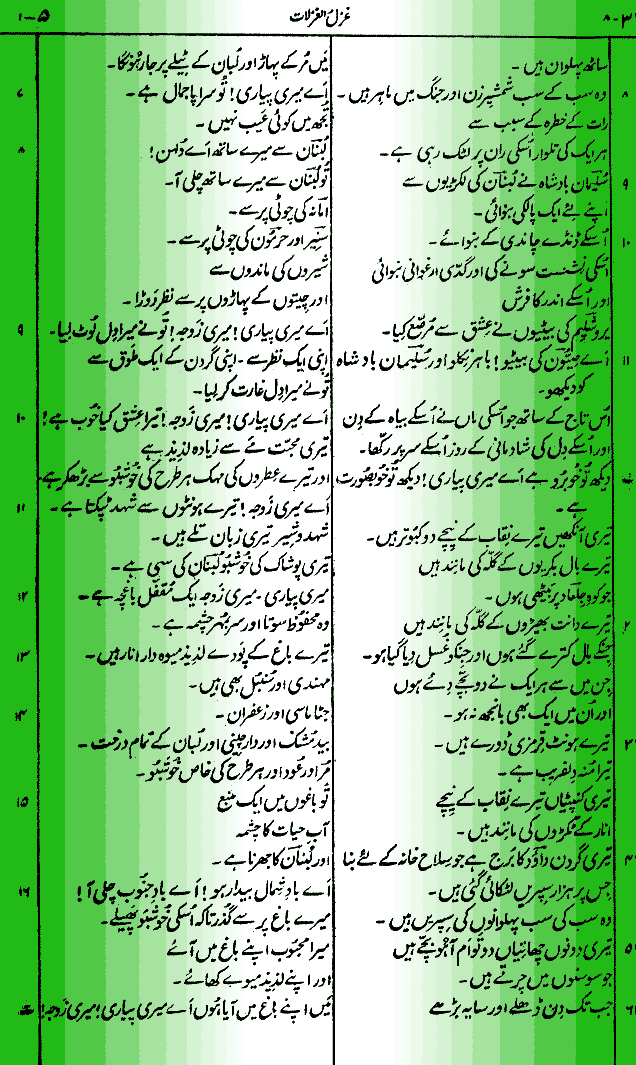
Verse: They all hold swords being expert in war every man hath his sword upon his thigh because of fear in the night
-
Detailed Explanation (English): This verse describes the elite royal guard surrounding King Solomon’s wedding sedan. These sixty valiant men are highly trained warriors, prepared for any sudden ambush or terror that the darkness might bring. Allegorically, this represents the spiritual protection surrounding God’s people and the ultimate security found in Christ. The “fear in the night” symbolizes spiritual warfare, temptations, or unforeseen trials, reminding believers that divine protection is robust, vigilant, and fully armed to grant peace and safety.
-
Detailed Explanation (Urdu): اس آیت میں بادشاہ سلیمان کی پالکی کی حفاظت کرنے والے باصلاحیت اور چیدہ چیدہ ساٹھ جنگجوؤں کا ذکر ہے۔ یہ تمام سپاہی جنگی مہارت رکھتے ہیں اور رات کے اچانک حملے یا خوف کے پیشِ نظر ہر وقت چوکنا رہتے ہیں۔ روحانی طور پر، یہ خدا کے لوگوں کی روحانی حفاظت اور تحفظ کی علامت ہے۔ رات کا خوف ان پوشیدہ آزمائشوں اور تاریکی کی طاقتوں کو ظاہر کرتا ہے جن سے بچانے کے لیے خدا کا کلام اور اس کی الٰہی قوت ہمارے لیے ایک ڈھال کی مانند مستعد کھڑی ہے۔
Song of Solomon 3:9
Verse: King Solomon made himself a chariot of the wood of Lebanon
-
Detailed Explanation (English): King Solomon constructed a magnificent royal chariot (or palanquin) utilizing the finest, most durable cedar wood from Lebanon, famous for its sweet fragrance and resistance to decay. Spiritually, this chariot represents the Covenant of Grace or the Church itself, fashioned by the true King of Peace (Christ). The choice of incorruptible cedar points to the enduring, eternal nature of God’s love and His kingdom, which carries His beloved safely through the journey of life.
-
Detailed Explanation (Urdu): بادشاہ سلیمان نے اپنے لیے لبنان کی قیمتی اور خوشبودار لکڑی سے ایک شاندار پالکی یا رتھ تیار کروائی۔ لبنان کا دیودار اپنی پائیداری اور معطر خصوصیات کے لیے مشہور تھا۔ روحانی لحاظ سے، یہ پالکی عہدِ فضل یا کلیسیا (چرچ) کو ظاہر کرتی ہے جسے حقیقی امن کے بادشاہ (یسوع مسیح) نے خود تیار کیا ہے۔ یہ لکڑی خدا کی لازوال محبت اور اس کی بادشاہی کے مستقل اور کبھی نہ ختم ہونے والے وجود کی علامت ہے۔
Song of Solomon 3:10
Verse: He made the pillars thereof of silver the bottom thereof of gold the covering of it of purple the midst thereof being paved with love for the daughters of Jerusalem
-
Detailed Explanation (English): The interior and structural elements of the chariot showcase unmatched luxury: pillars of pure silver, a foundation of gold, and cushions upholstered in royal purple fabric. Most importantly, the interior is lined with “love” from the daughters of Jerusalem. The materials signify purity (silver), divine sovereignty (gold), and royalty (purple). It emphasizes that the structural foundation of God’s interaction with humanity is built on absolute holiness and wrapped entirely in His deep affection.
-
Detailed Explanation (Urdu): اس آیت میں رتھ کی بے پناہ خوبصورتی اور شان و شوکت کو بیان کیا گیا ہے جس کے ستون چاندی کے، فرش سونے کا اور پوشش (نشست) ارغوانی رنگ کی ہے۔ اس کا درمیانی حصہ یروشلم کی بیٹیوں کی محبت سے آراستہ کیا گیا ہے۔ چاندی پاکیزگی کو، سونا الٰہی جلال کو اور ارغوانی رنگ بادشاہت کو ظاہر کرتا ہے۔ یہ اس بات کی عکاسی ہے کہ خدا کا اپنے لوگوں کے ساتھ رشتہ محبت، پاکیزگی اور الٰہی جلال کی مضبوط بنیادوں پر قائم ہے۔
Song of Solomon 3:11
Verse: Go forth O ye daughters of Zion and behold king Solomon with the crown wherewith his mother crowned him in the day of his espousals and in the day of the gladness of his heart
-
Detailed Explanation (English): The daughters of Zion (the believers) are invited to witness King Solomon on his wedding day, wearing the crown bestowed upon him by his mother, Bathsheba. It is a day of ultimate joy and celebration. Prophetically, this foreshadows the ultimate spiritual marriage between Christ and His Church. The “day of his espousals” represents the joyful union when believers are brought into full fellowship with the Savior, bringing gladness to His heart as He claims His bride.
-
Detailed Explanation (Urdu): صہیون کی بیٹیوں کو دعوت دی جا رہی ہے کہ وہ باہر نکلیں اور بادشاہ سلیمان کو اس تاج کے ساتھ دیکھیں جو اس کی ماں نے اس کی شادی کے دن اسے پہنایا تھا۔ یہ دن اس کے دل کی خوشی اور شادمانی کا دن ہے۔ روحانی طور پر، یہ مسیح اور کلیسیا کے درمیان آخری اور ابدی ملاپ (شادی) کی طرف اشارہ کرتا ہے۔ جب گنہگار توبہ کر کے مسیح کے پاس آتے ہیں، تو یہ اس کے دل کی خوشی کا دن ہوتا ہے اور وہ جلال کا تاج پہنتا ہے۔
Song of Solomon 4:1
Verse: Behold thou art fair my love behold thou art fair thou hast doves’ eyes within thy locks thy hair is as a flock of goats that appear from mount Gilead
-
Detailed Explanation (English): Chapter 4 begins with the Bridegroom praising the immense beauty of the Bride. Calling her “fair” twice emphasizes her complete purity. Her “doves’ eyes” signify simplicity, faithfulness, and a single-minded devotion to her beloved, unobstructed by her veil. Comparing her flowing hair to a flock of goats descending from Mount Gilead speaks of abundance, health, and graceful motion. Spiritually, it reflects how Christ views the Church as beautiful, faithful, and full of spiritual vitality.
-
Detailed Explanation (Urdu): یہاں سے دولہا اپنی دلہن کی حسن و جمال کی تعریف شروع کرتا ہے۔ اسے دو بار “خوبصورت” کہنا اس کی کاملیت کو ظاہر کرتا ہے۔ “کبوتروں جیسی آنکھیں” وفاداری، سادگی اور یکسوئی کی علامت ہیں جو نقاب کے پیچھے سے بھی اپنے محبوب کو دیکھتی ہیں۔ گیلاد کے پہاڑ سے اترتے ہوئے بکریوں کے گلے سے بالوں کو تشبیہ دینا، بالوں کی کثرت، رونق اور دلکش حرکت کو ظاہر کرتا ہے۔ یہ اس بات کی علامت ہے کہ مسیح اپنی کلیسیا کو کس قدر پاک اور خوبصورت دیکھتا ہے۔
Song of Solomon 4:2
Verse: Thy teeth are like a flock of sheep that are even shorn which came up from the washing whereof every one bear twins and none is barren among them
-
Detailed Explanation (English): The Bridegroom describes the Bride’s teeth as perfectly white, clean, and symmetrical, comparing them to newly washed, shorn sheep. The detail that “every one bear twins and none is barren” highlights perfect order, completeness, and fruitfulness. In a theological context, this symbolizes the spiritual health of believers who digest the Word of God effectively, live orderly lives, and are spiritually fruitful, bearing the fruits of righteousness without any spiritual barrenness.
-
Detailed Explanation (Urdu): دولہا اپنی دلہن کے دانتوں کی تعریف کرتے ہوئے کہتا ہے کہ وہ بالکل سفید، صاف اور متناسب ہیں، جیسے نئی دھلی ہوئی بھیڑیں جن کی اون اتاری گئی ہو۔ “ہر ایک جڑواں بچے لاتی ہے اور کوئی بانجھ نہیں” کا مطلب یہ ہے کہ دانت اوپر نیچے برابر اور مکمل ہیں۔ روحانی طور پر، یہ مومنین کی روحانی زرخیزی اور پاکیزگی کو ظاہر کرتا ہے جو خدا کے کلام کو ہضم کرتے ہیں اور اپنی زندگیوں میں نیکی کے کثرت سے پھل لاتے ہیں۔
Song of Solomon 4:3
Verse: Thy lips are like a thread of scarlet and thy speech is comely thy temples are like a piece of a pomegranate within thy locks
-
Detailed Explanation (English): The “thread of scarlet” signifies thin, beautifully colored lips, indicating healthy, vibrant life and gracious speech. Her temples (or cheeks) behind her veil are compared to a slice of pomegranate, reflecting a healthy, blushing glow of modesty and inner life. Spiritually, the scarlet lips represent a confession of faith cleansed by the blood of Christ and speech filled with grace. The pomegranate cheeks denote the hidden virtues and modesty of a believer’s inner heart.
-
Detailed Explanation (Urdu): “سرخ دھاگے جیسے ہونٹ” خوبصورت، پتلے اور جاندار ہونٹوں کو ظاہر کرتے ہیں جن سے نکلنے والی گفتگو دلکش اور شیریں ہے۔ گھونگھٹ کے پیچھے گالوں کو انار کے ٹکڑے سے تشبیہ دی گئی ہے جو کہ شرم و حیا اور صحت مند سرخی کی علامت ہے۔ روحانی معنوں میں، سرخ ہونٹ مسیح کے خون سے پاک شدہ ایمان کے اقرار اور خوبصورت کلام کو ظاہر کرتے ہیں، جبکہ انار کی مانند گال مومن کے دل کے اندرونی چھپے ہوئے اخلاق اور حیا کو ظاہر کرتے ہیں۔
Song of Solomon 4:4
Verse: Thy neck is like the tower of David builded for an armoury whereon there hang a thousand bucklers all shields of mighty men
-
Detailed Explanation (English): The Bride’s neck is compared to the majestic, upright Tower of David, an emblem of strength, dignity, and defense decorated with the shields of heroes. This indicates that she is not weak or easily broken; she carries herself with noble posture. Allegorically, the neck connects the head (Christ) to the body (the Church). It represents the unyielding faith and spiritual fortitude of believers, adorned with victories and defensive armor (the shield of faith) against adversity.
-
Detailed Explanation (Urdu): دلہن کی گردن کو داؤد کے برج (ٹاور) سے تشبیہ دی گئی ہے جو طاقت، وقار اور دفاع کی علامت ہے، جہاں جنگجوؤں کی ہزاروں ڈھالیں لٹکی ہوئی ہیں۔ یہ اس بات کو ظاہر کرتا ہے کہ وہ کمزور نہیں بلکہ پروقار اور مضبوط موقف رکھتی ہے۔ روحانی طور پر، گردن سر (مسیح) کو بدن (کلیسیا) سے جوڑتی ہے۔ یہ مومنین کے مضبوط اور غیر متزلزل ایمان کی علامت ہے جو آزمائشوں کے خلاف ایمان کی ڈھال سے لیس ہوتے ہیں۔
Song of Solomon 4:5
Verse: Thy two breasts are like two young roes that are twins which feed among the lilies
-
Detailed Explanation (English): The description of her breasts as twin roes feeding among lilies portrays innocence, purity, symmetry, and youthful beauty. Lilies signify a pure and holy environment. In spiritual commentary, this imagery often speaks of the nourishment available within the Church—specifically the Old and New Testaments or the doctrines of faith and love—which provide spiritual growth to believers in a pure, holy fellowship.
-
Detailed Explanation (Urdu): اس آیت میں دلہن کے نسوانی حسن، معصومیت اور پاکیزگی کو ہرن کے دو جڑواں بچوں سے تشبیہ دی گئی ہے جو سوسن کے پھولوں کے درمیان چرتے ہیں۔ سوسن کے پھول پاکیزگی کے ماحول کو ظاہر کرتے ہیں۔ روحانی تشریح کے مطابق، یہ کلیسیا کے اندر پائے جانے والے روحانی دودھ (پرانا اور نیا عہد نامہ یا ایمان و محبت کی تعلیمات) کو ظاہر کرتا ہے جو پاکیزہ ماحول میں مومنین کی روحانی پرورش کا باعث بنتا ہے۔
Song of Solomon 4:6
Verse: Until the day break and the shadows flee away I will get me to the mountain of myrrh and to the hill of frankincense
-
Detailed Explanation (English): The Bridegroom declares that until the darkness of night turns to dawn, he will retreat to the mountains of myrrh and hills of frankincense. Myrrh and frankincense are costly resins associated with devotion, sacrifice, and prayer. Prophetically, this refers to Christ’s presence in the heavenly sanctuary or within the praying Church during the “night” of this present world, awaiting the glorious day of His Second Coming when all earthly shadows finally disappear.
-
Detailed Explanation (Urdu): دولہا کہتا ہے کہ جب تک دن نہ نکلے اور رات کے سائے غائب نہ ہو جائیں، وہ مر اور لبان کے پہاڑ پر وقت گزارے گا۔ مر اور لبان مہنگی خوشبوئیں ہیں جو قربانی اور دعا و پرستش سے تعلق رکھتی ہیں۔ روحانی طور پر، یہ اس موجودہ دنیا کی تاریک رات میں مسیح کی اپنے لوگوں کی دعاؤں میں موجودگی اور آسمانی قیام گاہ کو ظاہر کرتا ہے، جب تک کہ اس کی دوسری آمد کا روشن دن طلوع نہ ہو جائے اور دنیا کے تمام سائے مٹ نہ جائیں۔
Song of Solomon 4:7
Verse: Thou art all fair my love there is no spot in thee
-
Detailed Explanation (English): This is a profound statement of absolute appreciation: the Bridegroom sees the Bride as entirely beautiful, with no flaw or spot whatsoever. From a New Testament perspective, this describes the ultimate state of the Church and the believer justified through grace. Though humanly flawed, when washed in the blood of Christ and clothed in His righteousness, the believer is viewed by God as completely spotless, holy, and blameless.
-
Detailed Explanation (Urdu): یہ محبت کا ایک حتمی اور کامل ترین اعلان ہے جہاں دولہا اپنی دلہن کو بے عیب اور سراپا حسن قرار دیتا ہے۔ نئے عہد نامے کے تناظر میں، یہ اس کلیسیا کی حالت کو ظاہر کرتا ہے جو مسیح کے فضل سے راستباز ٹھہرائی گئی۔ اگرچہ انسان خطا کار ہے، لیکن جب وہ مسیح کے خون سے دھویا جاتا ہے اور اس کی راستبازی کا لباس پہنتا ہے، تو خدا کی نظر میں وہ بالکل بے عیب، پاک اور بے داغ نظر آتا ہے۔
Song of Solomon 4:8
Verse: Come with me from Lebanon my spouse with me from Lebanon look from the top of Amana from the top of Shenir and Hermon from the lions’ dens from the mountains of the leopards
-
Detailed Explanation (English): The Bridegroom calls his spouse away from the high peaks of Lebanon, Amana, Shenir, and Hermon—places that, despite their scenic beauty, are dangerous habitats for lions and leopards. This is an invitation to leave worldly, hazardous heights and find true security in intimacy with him. Spiritually, it is Christ calling His Church to separate herself from the world’s alluring but dangerous spiritual heights and temptations, urging her to find refuge in His presence.
-
Detailed Explanation (Urdu): دولہا اپنی دلہن کو دعوت دیتا ہے کہ وہ لبنان، امانہ، شنیر اور حرمون کی اونچی چوٹیوں کو چھوڑ کر اس کے ساتھ آئے۔ یہ مقامات خوبصورت ہونے کے باوجود شیروں اور چیتوں کے مسکن ہونے کی وجہ سے خطرناک ہیں۔ روحانی طور پر، یہ مسیح کی طرف سے اپنی کلیسیا کو دنیا کی بظاہر پرکشش لیکن خطرناک جگہوں، گناہوں اور آزمائشوں سے الگ ہونے کی پکار ہے، تاکہ وہ صرف اپنے حقیقی منجی کی آغوش میں پناہ پائے۔
Song of Solomon 4:9
Verse: Thou hast ravished my heart my sister my spouse thou hast ravished my heart with one of thine eyes with one chain of thy neck
-
Detailed Explanation (English): The Bridegroom affectionately addresses her as both “sister” (signifying shared divine nature or heritage) and “spouse” (signifying marital covenant). Her single glance of faith and the beautiful necklace around her neck (representing obedience and submission) have completely captured and overwhelmed his heart. This highlights how deeply moved God is by even the smallest act of genuine faith, love, and obedience from a believer.
-
Detailed Explanation (Urdu): دولہا محبت سے اپنی دلہن کو “میری بہن، میری دلہن” کہہ کر پکارتا ہے (بہن کا مطلب ایک ہی خاندان یا الٰہی فطرت کا شریک ہونا، اور دلہن کا مطلب عہدِ محبت ہے)۔ وہ کہتا ہے کہ دلہن کی ایک ہی نظر اور اس کی گردن کے ایک ہی ہار (جو کہ فرمانبرداری کی علامت ہے) نے اس کے دل کو موہ لیا ہے۔ یہ ظاہر کرتا ہے کہ ایک مومن کا سچا ایمان اور اطاعت خدا کے دل کو کس قدر خوش کرتی ہے۔
Song of Solomon 4:10
Verse: How fair is thy love my sister my spouse how much better is thy love than wine and the smell of thine ointments than all spices
-
Detailed Explanation (English): The Bridegroom expresses how delightful and satisfying the Bride’s love is, declaring it far superior to wine (the highest of earthly pleasures). Furthermore, the fragrance of her anointed life exceeds all earthly spices. Allegorically, this shows that the devotion, worship, and love offered by believers to God bring Him immense pleasure, surpassing any worldly joy. The “ointments” signify the presence and fruits of the Holy Spirit inside the believer’s life.
-
Detailed Explanation (Urdu): دولہا یہاں دلہن کی محبت کو دنیا کی سب سے بڑی خوشی (مے یا شراب) سے کہیں بڑھ کر قرار دیتا ہے۔ اس کے عطر اور خوشبو دنیا کے تمام مسالحوں سے بہتر ہیں۔ روحانی طور پر، یہ اس بات کی عکاسی ہے کہ جب ایک مومن خدا سے محبت اور پرستش کرتا ہے، تو خدا کو اس سے کتنی خوشی ملتی ہے۔ یہ عطر مومن کی زندگی میں روح القدس کے مسح اور پاکیزہ پھلوں کو ظاہر کرتا ہے جو خدا کے لیے پسندیدہ خوشبو ہیں۔
Song of Solomon 4:11
Verse: Thy lips O my spouse drop as the honeycomb honey and milk are under thy tongue and the smell of thy garments is like the smell of Lebanon
-
Detailed Explanation (English): The Bride’s speech is compared to a dripping honeycomb—sweet, natural, and nourishing. Honey and milk (reminiscent of the Promised Land) lie under her tongue, indicating that her default thoughts and words are wholesome. The scent of her garments is like the refreshing pine and cedar forests of Lebanon. Structurally, this represents a believer whose speech built on God’s Word heals others, and whose lifestyle (garments) radiates a refreshing, holy influence.
-
Detailed Explanation (Urdu): دلہن کی گفتگو کو شہد کے ٹپکتے ہوئے چتھے سے تشبیہ دی گئی ہے جو کہ میٹھی، قدرتی اور تسلی بخش ہے۔ اس کی زبان کے نیچے شہد اور دودھ ہے (جو کہ برکتوں کی سرزمین کی یاد دلاتا ہے)۔ اس کے کپڑوں کی خوشبو لبنان کے خوشبودار جنگلات کی مانند ہے۔ روحانی طور پر، یہ اس مومن کو ظاہر کرتا ہے جس کے منہ سے نکلے الفاظ دوسروں کے لیے تسلی اور زندگی کا باعث بنتے ہیں، اور اس کا کردار (لباس) ہر طرف پاکیزگی پھیلاتا ہے۔
Song of Solomon 4:12
Verse: A garden inclosed is my sister my spouse a spring shut up a fountain sealed
-
Detailed Explanation (English): The Bridegroom praises her as a private, enclosed garden, a guarded spring, and a sealed fountain. This imagery represents absolute exclusivity, purity, and faithfulness; she is not public property but reserved entirely for her beloved. Spiritually, this depicts the Church and individual believers as set apart (sanctified) exclusively for Christ. Protected by the Holy Spirit, her inner spiritual springs are kept pure from the corruptive elements of the world.
-
Detailed Explanation (Urdu): دولہا اپنی دلہن کو ایک “بند باغ”، “روکے ہوئے چشمے” اور “مہر بند چشمے” سے تشبیہ دیتا ہے۔ یہ تشبیہ مکمل پاکیزگی اور وفاداری کو ظاہر کرتی ہے کہ وہ ہر کسی کے لیے عام نہیں بلکہ صرف اپنے محبوب کے لیے مخصوص ہے۔ روحانی معنوں میں، یہ کلیسیا اور مومن کی زندگی کی پاکیزگی (مقدس ہونے) کو ظاہر کرتا ہے، جو دنیا کی آلائشوں سے الگ تھلگ اور روح القدس کے ذریعے صرف مسیح کے لیے محفوظ کی گئی ہے۔
Song of Solomon 4:13
Verse: Thy plants are an orchard of pomegranates with pleasant fruits camphire with spikenard
-
Detailed Explanation (English): The enclosed garden of her life produces a rich orchard filled with precious pomegranates, choice fruits, camphire (henna), and exotic spikenard. These items represent variety, high value, and sweet fragrances. In a spiritual context, this reflects the “fruit of the Spirit” growing within a dedicated believer’s life. The multi-seeded pomegranate represents unity and abundance of good works produced through faith.
-
Detailed Explanation (Urdu): اس کے بند باغ کے اندر اناروں کا باغیچہ، لذیذ پھل، مہندی اور سنبل (ایک قیمتی خوشبو) پائے جاتے ہیں۔ یہ سب چیزیں کثرت، اعلیٰ قیمت اور بہترین خوشبو کی علامت ہیں۔ روحانی طور پر، یہ مومن کی زندگی میں پیدا ہونے والے “روح کے پھلوں” (محبت، خوشی، اطمینان وغیرہ) کو ظاہر کرتا ہے۔ انار جس میں کثرت سے بیج ہوتے ہیں، مومن کی زندگی میں کثرت سے پائے جانے والے نیک اعمال اور اتحاد کی علامت ہے۔
Song of Solomon 4:14
Verse: Spikenard and saffron calamus and cinnamon with all trees of frankincense myrrh and aloes with all the chief spices
-
Detailed Explanation (English): The catalog of rare and exotic spices continues: spikenard, saffron, aromatic cane (calamus), cinnamon, along with trees bearing frankincense, myrrh, and aloes. These represent the highest quality of graces found in a mature spiritual life. Each unique spice signifies a different aspect of Christian character: myrrh for suffering/humility, frankincense for prayer, and cinnamon for a sweet, attractive testimony before the world.
-
Detailed Explanation (Urdu): نائب، زعفران، اگربتی، دار چینی، لبان کے درخت، مر اور ایلوا غرضیکہ تمام اعلٰی درجے کے مسالحے اور خوشبوئیں اس باغ میں پائے جاتے ہیں۔ یہ ایک پختہ ایماندار کی زندگی میں پائی جانے والی اعلیٰ ترین روحانی خوبیوں کو ظاہر کرتے ہیں۔ ہر خوشبو مسیحی کردار کے مختلف پہلوؤں کو ظاہر کرتی ہے: جیسے مر عاجزی اور قربانی کو، لبان دعا کو، اور دار چینی دنیا کے سامنے ایک خوبصورت گواہی کو ظاہر کرتی ہے۔
Song of Solomon 4:15
Verse: A fountain of gardens a well of living waters and streams from Lebanon
-
Detailed Explanation (English): The Bride is not just a consumer of water but a source: a fountain that irrigates gardens, a deep well of fresh, living water, and a rushing stream coming from the pristine snows of Lebanon. Spiritually, this echoes Jesus’ words in the New Testament that out of the believer’s heart shall flow rivers of living water. The Church is meant to be a life-giving source of truth, grace, and spiritual refreshment to a parched and dying world.
-
Detailed Explanation (Urdu): دلہن صرف پانی پینے والی نہیں بلکہ پانی کا سرچشمہ ہے: باغوں کا فوارہ، جاری پانیوں کا کنواں اور لبنان سے بہنے والے چشمے۔ روحانی طور پر، یہ یسوع مسیح کے ان الفاظ کی عکاسی کرتا ہے کہ جو مجھ پر ایمان لائے گا اس کے اندر سے زندگی کے پانی کی ندیاں جاری ہوں گی۔ کلیسیا کا کام اس پیاسی اور مرتی ہوئی دنیا کے لیے سچائی، فضل اور روحانی تازگی کا ایک جاندار ذریعہ بننا ہے۔
Song of Solomon 4:16
Verse: Awake O north wind and come thou south blow upon my garden that the spices thereof may flow out Let my beloved come into his garden and eat his pleasant fruits
-
Detailed Explanation (English): The Bride speaks, calling upon both the cold north wind (representing adversity and trials) and the warm south wind (representing comfort and blessings) to blow through her garden. Her goal is that the internal fragrances of her spices may be released and carried abroad. She then invites the Bridegroom to enter “his” garden (acknowledging his ownership) and enjoy the fruits. Spiritually, the believer welcomes both trials and blessings because both cause Christlike character to shine, inviting Christ to take delight in His own creation.
-
Detailed Explanation (Urdu): یہاں دلہن خود بولتی ہے اور شمالی ہوا (آزمائشوں اور سختیوں کی علامت) اور جنوبی ہوا (برکتوں اور آسانیوں کی علامت) کو پکارتی ہے کہ وہ اس کے باغ پر چلیں تاکہ خوشبوئیں چاروں طرف پھیل جائیں۔ وہ اپنے محبوب کو اپنے باغ میں آنے اور لذیذ پھل کھانے کی دعوت دیتی ہے۔ روحانی طور پر، مومن زندگی کی سختیوں اور آسانیوں دونوں کو خوش آمدید کہتا ہے کیونکہ دونوں ہی سے ایمان کی خوشبو پھیلتی ہے، اور وہ مسیح کو اپنی زندگی پر مکمل اختیار دیتا ہے۔
Song of Solomon 5:1
Verse: I am come into my garden my sister my spouse I have gathered my myrrh with my spice I have eaten my honeycomb with my honey I have drunk my wine with my milk eat O friends drink yea drink abundantly O beloved
-
Detailed Explanation (English): The Bridegroom immediately responds to her invitation. He enters the garden, accepts its ownership (“my garden”), and partakes fully of its riches—myrrh, honey, wine, and milk. He then invites his friends to join in the joyful feast. This represents Christ’s delightful acceptance of the believer’s invitation. When we open our hearts to Him, He enters into full fellowship with us, finds joy in our spiritual growth, and shares that celebration with the heavenly host.
-
Detailed Explanation (Urdu): دولہا فوراً دلہن کی دعوت قبول کرتا ہے۔ وہ باغ میں داخل ہوتا ہے، اسے اپنا باغ کہتا ہے، اور اس کی تمام نعمتوں (مر، شہد، مے اور دودھ) سے لطف اندوز ہوتا ہے۔ پھر وہ اپنے دوستوں کو بھی اس خوشی کی ضیافت میں کثرت سے پینے اور کھانے کی دعوت دیتا ہے۔ روحانی طور پر، یہ مسیح کی طرف سے مومن کی دل سے کی گئی دعوت کا جواب ہے۔ جب ہم اپنے دلوں کے دروازے اس کے لیے کھولتے ہیں، وہ ہمارے ساتھ رفاقت رکھتا ہے اور ہماری روحانی ترقی سے خوش ہوتا ہے۔