Verse-by-Verse Commentary and Explanation
Song of Solomon 5:2
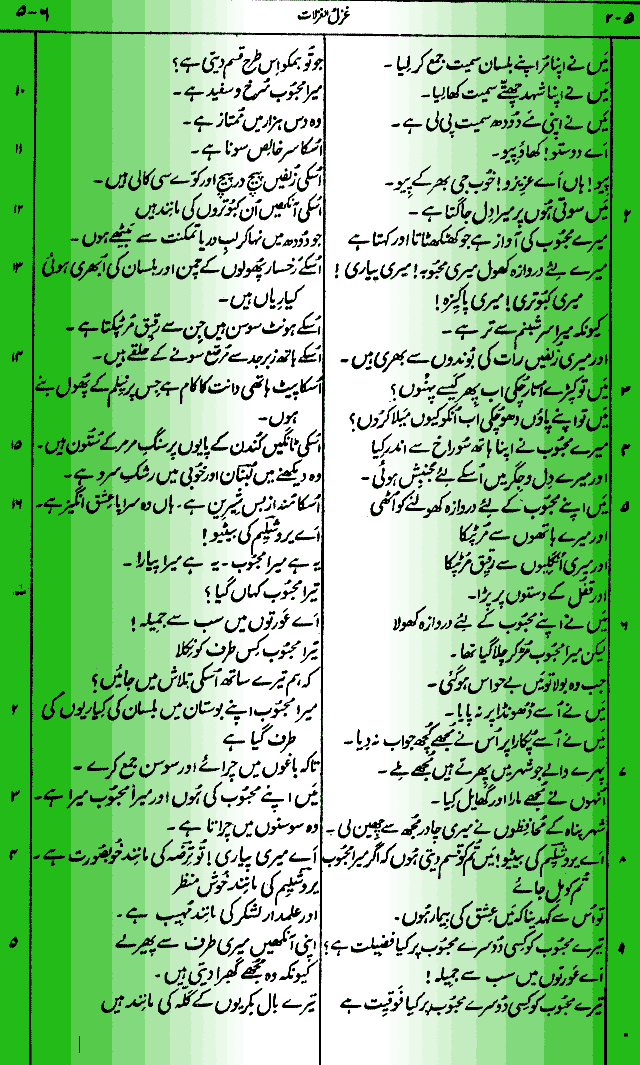
Verse: I sleep but my heart waketh it is the voice of my beloved that knocketh saying Open to me my sister my love my dove my undefiled for my head is filled with dew and my locks with the drops of the night
English Explanation
This verse introduces a sudden shift in the narrative, often interpreted as a dream sequence or a state of spiritual slumber. The bride is physically asleep, yet her spirit and emotions are keenly sensitive to her beloved’s presence. When the groom arrives, knocking and seeking entry from the cold night air, he uses five terms of profound endearment (“sister,” “love,” “dove,” “undefiled”). Spiritually, this represents Christ knocking at the door of the believer’s heart, seeking intimate fellowship even when the believer is spiritually sluggish or distracted.
Urdu Explanation (اُردو تشریح)
یہ آیت محبت میں ایک اہم موڑ کو ظاہر کرتی ہے جسے اکثر ایک خواب کی حالت سے تشبیہ دی جاتی ہے۔ دلہن جسمانی طور پر سو رہی ہے لیکن اس کا دل اپنے محبوب کے لیے بیدار ہے۔ جب محبوب رات کی سردی اور اوس میں بھیگتا ہوا اس کا دروازہ کھٹکھٹاتا ہے، تو وہ اسے انتہائی خوبصورت القابات (میری بہن، میری محبت، میری کبوتر، میری پاکیزہ) سے پکارتا ہے۔ روحانی طور پر، یہ یسوع مسیح کی اپنے مومنین کے دل کے دروازے پر دستک کو ظاہر کرتا ہے، جہاں وہ گہرے اور قریبی تعلق کا خواہشمند ہے۔
Song of Solomon 5:3
Verse: I have put off my coat how shall I put it on I have washed my feet how shall I defile them
English Explanation
Here, the bride displays hesitation and makes excuses. She has already prepared for bed, taken off her outer garments, and washed her feet. To open the door would mean inconveniencing herself and getting her clean feet dirty again. This portrays a common human flaw: prioritizing personal comfort over immediate obedience and relationship. It warns against spiritual laziness and missing divine opportunities due to trivial excuses.
Urdu Explanation (اُردو تشریح)
اس آیت میں دلہن کی ہچکچاہٹ اور سستی کو دکھایا گیا ہے۔ وہ سونے کے لیے تیار ہو چکی ہے، اپنا لباس اتار چکی ہے اور پاؤں دھو چکی ہے۔ اب دروازہ کھولنے کا مطلب اپنے آرام میں خلل ڈالنا ہے۔ یہ انسانی فطرت کی اس کمزوری کو ظاہر کرتا ہے جہاں انسان اپنے ذاتی آرام کو رشتے اور فوری فرمانبرداری پر ترجیح دیتا ہے۔ روحانی طور پر، یہ سستی کی وجہ سے خدا کی برکات اور قربت کو کھو دینے کی علامت ہے۔
Song of Solomon 5:4
Verse: My beloved put in his hand by the hole of the door and my bowels were moved for him
English Explanation
Seeing that she is reluctant, the beloved reaches his hand through the latch opening of the door—a physical gesture of his desire to enter. This act deeply stirs the bride’s emotions and awakens her affection (“my bowels were moved” is an ancient idiom for deep emotional and romantic longing). His touch and persistence break through her complacency, prompting her to action.
Urdu Explanation (اُردو تشریح)
جب دلہن سستی دکھاتی ہے، تو محبوب خود آگے بڑھ کر دروازے کے سوراخ سے اپنا ہاتھ اندر ڈالتا ہے تاکہ کنڈی کھول سکے۔ محبوب کے اس لمس اور کوشش کو دیکھ کر دلہن کے دل میں محبت کا طوفان امڈ آتا ہے اور اس کی دلی تڑپ بیدار ہو جاتی ہے۔ یہ ظاہر کرتا ہے کہ خدا کی محبت اور اس کا فضل انسان کو بیدار کرنے کے لیے ہمیشہ پہلا قدم اٹھاتا ہے۔
Song of Solomon 5:5
Verse: I rose up to open to my beloved and my hands dropped with myrrh and my fingers with sweet smelling myrrh upon the handles of the lock
English Explanation
Moved by love, the bride finally gets up to open the door. When she touches the lock, she finds it drenched in precious, sweet-smelling myrrh left behind by her beloved’s hand. Myrrh symbolizes beauty, value, and sacrifice. Although she is now fully ready to welcome him, her delayed response means she is handling the remnants of his presence rather than the person himself.
Urdu Explanation (اُردو تشریح)
محبت سے مغلوب ہو کر، دلہن آخرکار اپنے محبوب کے لیے دروازہ کھولنے اٹھتی ہے۔ جیسے ہی وہ دروازے کے ہینڈل کو چھوتی ہے، اس کے ہاتھ قیمتی اور خوشبودار مر (عطر) سے بھر جاتے ہیں جو اس کا محبوب وہاں چھوڑ گیا تھا۔ مر قربانی، خوبصورتی اور عقیدت کی علامت ہے۔ اگرچہ وہ اب تیار ہے، لیکن دیر سے اٹھنے کی وجہ سے اسے محبوب کے بجائے صرف اس کی چھوڑی ہوئی خوشبو ملتی ہے۔
Song of Solomon 5:6
Verse: I opened to my beloved but my beloved had withdrawn himself and was gone my soul failed when he spake I sought him but I could not find him I called him but he gave me no answer
English Explanation
This is the tragic climax of her hesitation. By the time she opens the door, her beloved has already departed. She recalls his sweet words, and her heart sinks with deep regret. She runs out to find him, calling his name, but experiences only silence. This underscores the pain of lost opportunities in love and the spiritual consequence of ignoring God’s timing.
Urdu Explanation (اُردو تشریح)
یہ اس کہانی کا سب سے دکھ بھرا لمحہ ہے۔ جب وہ دروازہ کھولتی ہے تو محبوب جا چکا ہوتا ہے۔ اس کا دل پچھتاوے اور صدمے سے ڈوب جاتا ہے۔ وہ اسے ڈھونڈنے نکلتی ہے، اسے پکارتی ہے، لیکن کوئی جواب نہیں آتا۔ یہ آیت محبت میں دیر کرنے کے دردناک نتائج اور خدا کی آواز پر وقت پر لبیک نہ کہنے کے روحانی نقصان کو بیان کرتی ہے۔
Song of Solomon 5:7
Verse: The watchmen that went about the city found me they smote me they wounded me the keepers of the walls took away my veil from me
English Explanation
As the bride searches the dark city streets, she encounters the watchmen. Instead of helping her, they mistake her for a woman of ill-repute, beating her, wounding her, and stripping away her veil (which protected her modesty and identity). This represents the harsh judgment of society or legalistic religious systems when a believer is wandering in spiritual darkness and seeking restoration.
Urdu Explanation (اُردو تشریح)
جب دلہن رات کے اندھیرے میں اپنے محبوب کو ڈھونڈتی ہے، تو شہر کے چوکیدار اسے پکڑ لیتے ہیں۔ اس کی مدد کرنے کے بجائے، وہ اسے غلط سمجھ کر مارتے پیٹتے ہیں، زخمی کرتے ہیں اور اس کا پردہ (چادر) چھین لیتے ہیں۔ یہ دنیا کی بے رحمی یا سخت مذہبی طبقے کے رویے کو ظاہر کرتا ہے جو گراوٹ کا شکار یا بھٹکے ہوئے انسان پر رحم کرنے کے بجائے اسے مزید ذہنی اور جسمانی اذیت دیتے ہیں۔
Song of Solomon 5:8
Verse: I charge you O daughters of Jerusalem if ye find my beloved that ye tell him that I am sick of love
English Explanation
Desperate and wounded, the bride turns to the “daughters of Jerusalem” (her community or peers). She begs them to deliver a message to her beloved if they find him. Her message is not one of anger for his departure, but a confession of her intense vulnerability: she is “sick of love,” meaning she is overwhelmed and physically weak from longing for his presence.
Urdu Explanation (اُردو تشریح)
زخمی اور مایوس حالت میں، دلہن یروشلم کی بیٹیوں (سہیلیوں/معاشرے) سے فریاد کرتی ہے کہ اگر انہیں اس کا محبوب ملے، تو وہ اسے بتائیں کہ وہ “محبت کی بیمار” ہے۔ اس کا مطلب یہ ہے کہ وہ محبوب کی جدائی میں اس حد تک تڑپ رہی ہے کہ اب یہ تڑپ اس کی جسمانی اور ذہنی کمزوری بن چکی ہے۔
Song of Solomon 5:9
Verse: What is thy beloved more than another beloved O thou fairest among women what is thy beloved more than another beloved that thou dost so charge us
English Explanation
The daughters of Jerusalem respond with a crucial question. Recognizing her exceptional beauty (“fairest among women”), they wonder what makes her lover so extraordinarily unique that she would suffer such abuse and display such desperation for him. This question prompts the bride to shift her focus from her own misery to the supreme virtues of her beloved.
Urdu Explanation (اُردو تشریح)
یروشلم کی بیٹیاں دلہن سے ایک اہم سوال کرتی ہیں۔ اس کی بے پناہ خوبصورتی کو تسلیم کرتے ہوئے وہ پوچھتی ہیں کہ تمہارے محبوب میں ایسی کیا خاص بات ہے جو تم اس کے لیے اس حد تک دیوانی اور بے چین ہو؟ یہ سوال دلہن کو اپنی تکلیف سے دھیان ہٹا کر اپنے محبوب کی خوبیوں پر غور کرنے کا موقع فراہم کرتا ہے۔
Song of Solomon 5:10
Verse: My beloved is white and ruddy the chiefest among ten thousand
English Explanation
The bride begins a stunning, poetic description of her beloved. She describes him as “white and ruddy,” signifying glowing health, purity, and vibrant life. He is “the chiefest among ten thousand,” meaning he is utterly incomparable, standing out effortlessly in any crowd. In Christian theology, this points directly to Jesus Christ as the flawless, supreme King.
Urdu Explanation (اُردو تشریح)
دلہن اپنے محبوب کی تعریفوں کے پل باندھنا شروع کرتی ہے۔ وہ اسے “گورا اور سرخی مائل” کہتی ہے، جو بہترین صحت، پاکیزگی اور زندگی کی علامت ہے۔ وہ “دس ہزاروں میں افضل” ہے، یعنی وہ اتنا منفرد ہے کہ کسی بھی ہجوم میں سب سے نمایاں اور بے مثال نظر آتا ہے۔ روحانی طور پر یہ یسوع مسیح کی بے عیب اور عظیم ذات کی عکاسی کرتا ہے۔
Song of Solomon 5:11
Verse: His head is as the most fine gold his locks are bushy and black as a raven
English Explanation
She describes his head as “fine gold,” symbolizing supreme royalty, divine wisdom, and eternal value. His “bushy and black” hair indicates youthfulness, vigor, and undying strength. He is not aged or failing; he remains forever vibrant and majestic.
Urdu Explanation (اُردو تشریح)
وہ اس کے سر کو “خالص سونے” سے تشبیہ دیتی ہے، جو شاہی جلال، الٰہی حکمت اور ابدی قدر و قیمت کو ظاہر کرتا ہے۔ اس کے گہرے سیاہ اور گھنے بال اس کی جوانی، طاقت اور لامتناہی قوتِ حیات کی علامت ہیں۔ وہ کبھی بوڑھا یا کمزور ہونے والا نہیں، بلکہ ہمیشہ قائم رہنے والا بادشاہ ہے۔
Song of Solomon 5:12
Verse: His eyes are as the eyes of doves by the rivers of waters washed with milk and fitly set
English Explanation
His eyes are compared to doves near water, washed in milk. This imagery denotes a gaze that is pure, gentle, perfectly clear, and full of intense, focused affection. He does not look upon her with anger, but with flawless, compassionate, and beautiful vision.
Urdu Explanation (اُردو تشریح)
اس کی آنکھوں کو ندی کے کنارے بیٹھے ان کبوتروں سے تشبیہ دی گئی ہے جو دودھ سے دھونے کے باعث صاف اور چمکدار ہوں۔ یہ اس کی پاکیزہ، نرم، گہری اور سچی محبت سے بھری نظر کو ظاہر کرتا ہے۔ اس کی نظر میں غصہ نہیں بلکہ اپنے پیاروں کے لیے بے پناہ رحم اور ہمدردی ہے۔
Song of Solomon 5:13
Verse: His cheeks are as a bed of spices as sweet flowers his lips like lilies dropping sweet smelling myrrh
Explanation
His cheeks are comforting and fragrant, like a garden of spices. His lips are like lilies, speaking words that are incomparably sweet and full of precious grace (“dropping sweet smelling myrrh”). Everything that proceeds from his mouth brings life, healing, and pleasant comfort to the soul.
Urdu Explanation (اُردو تشریح)
اس کے رخسار مسالوں کی کیاری اور خوشبودار پھولوں کی طرح تسلی بخش ہیں۔ اس کے ہونٹ سوسن کے پھولوں کی مانند ہیں جن سے قیمتی اور خوشبودار عطر ٹپکتا ہے۔ اس کا مطلب یہ ہے کہ اس کے منہ سے نکلنے والا ہر لفظ زندگی، شفا اور روح کو سکون بخشنے والا ہوتا ہے۔
Song of Solomon 5:14
Verse: His hands are as gold rings set with the beryl his belly is as bright ivory overlaid with sapphires
English Explanation
His hands, resembling gold rings set with jewels, symbolize actions that are righteous, valuable, and perfectly executed. His torso (“belly”), described as bright ivory covered in sapphires, represents deep internal strength, purity, and heavenly majesty combined with profound compassion.
Urdu Explanation (اُردو تشریح)
اس کے ہاتھ سونے کی انگوٹھیوں کی مانند ہیں جن میں قیمتی نگینے جڑے ہوں، جو اس کے ہر کام کی راستی، خوبصورتی اور پختگی کو ظاہر کرتے ہیں۔ اس کا بدن ہاتھی دانت کی طرح مضبوط اور نیلم کی طرح آسمانی جلال سے آراستہ ہے، جو اس کی اندرونی پاکیزگی اور مضبوطی کا منہ بولتا ثبوت ہے۔
Song of Solomon 5:15
Verse: His legs are as pillars of marble set upon sockets of fine gold his countenance is as Lebanon excellent as the cedars
English Explanation
His legs are pillars of marble on gold bases, meaning his steps are unshakeable, steadfast, and grounded in divine righteousness. His entire appearance (“countenance”) is as majestic and breathtaking as Mount Lebanon, towering and noble like its famous cedar trees. He is a rock of stability.
Urdu Explanation (اُردو تشریح)
اس کے پاؤں سونے کے پایوں پر سنگِ مرمر کے ستونوں کی مانند ہیں، جس کا مطلب ہے کہ اس کی چال اور اس کے فیصلے غیر متزلزل، مضبوط اور راستبازی پر قائم ہیں۔ اس کا سراپا کوہِ لبانان کی طرح شاندار اور وہاں کے دیودار کے درختوں کی طرح بلند و بالا اور پروقار ہے۔ وہ استحکام کی چٹان ہے۔
Song of Solomon 5:16
Verse: His mouth is most sweet yea he is altogether lovely This is my beloved and this is my friend O daughters of Jerusalem
English Explanation
The bride concludes her praises by declaring that his words are sweetness itself and he is “altogether lovely”—perfect in every imaginable attribute. She triumphantly announces to the community that this magnificent person is not just her romantic partner, but her intimate “friend.”
Urdu Explanation (اُردو تشریح)
دلہن اپنی تعریف کا اختتام یہ کہہ کر کرتی ہے کہ اس کی گفتگو سراپا مٹھاس ہے اور وہ “بالکل ہی دلکش” ہے—یعنی اس کی ذات میں کوئی خامی نہیں۔ وہ فخر سے یروشلم کی بیٹیوں کو بتاتی ہے کہ یہ عظیم ہستی نہ صرف اس کا محبوب ہے بلکہ اس کا سب سے مخلص “دوست” بھی ہے۔
Song of Solomon 6:1
Verse: Whither is thy beloved gone O thou fairest among women whither is thy beloved turned aside that we may seek him with thee
English Explanation
Moved by the bride’s passionate and glorious description of her beloved, the daughters of Jerusalem change their attitude. They are no longer skeptical. Instead, they are captivated by his beauty and offer to join the bride in her search to find him.
Urdu Explanation (اُردو تشریح)
محبوب کی ایسی شاندار اور دلکش تعریف سننے کے بعد، یروشلم کی بیٹیوں کا رویہ بالکل بدل جاتا ہے۔ اب وہ حیران ہونے کے بجائے خود اس محبوب کی گرویدہ ہو جاتی ہیں اور دلہن سے کہتی ہیں کہ ہم بھی تمہارے ساتھ مل کر اسے ڈھونڈنے کے لیے تیار ہیں تاکہ اس کا دیدار کر سکیں۔
Song of Solomon 6:2
Verse: My beloved is gone down into his garden to the beds of spices to feed in the gardens and to gather lilies
English Explanation
The bride suddenly remembers his true nature and whereabouts. He has not abandoned her forever; he has gone down to his garden and beds of spices. The “garden” represents his church or the heart of his people where growth, fragrance, and beauty flourish. He is there to nurture life and gather “lilies” (pure souls).
Urdu Explanation (اُردو تشریح)
دلہن کو اچانک یاد آتا ہے کہ اس کا محبوب کہاں ہو سکتا ہے۔ وہ اسے چھوڑ کر کہیں دور نہیں گیا، بلکہ اپنے باغ اور خوشبوؤں کی کیاریوں میں گیا ہے۔ “باغ” سے مراد اس کے لوگوں کے دل یا کلیسیا ہے جہاں وہ خوبصورتی اور ایمان کی خوشبو پاتا ہے۔ وہ وہاں زندگی کی پرورش کرنے اور سوسن کے پھولوں (پاکیزہ روحوں) کو جمع کرنے گیا ہے۔
Song of Solomon 6:3
Verse: I am my beloved’s and my beloved is mine he feedeth among the lilies
English Explanation
This is one of the most famous declarations of absolute devotion and security in the Bible. Despite her past hesitation and the separation, the covenant of love remains unbroken. She affirms total mutual ownership: she belongs completely to him, and he belongs completely to her, existing in perfect peace among the pure.
Urdu Explanation (اُردو تشریح)
یہ پوری بائبل میں سچی محبت، عہد اور تحفظ کا سب سے مشہور اعتراف ہے۔ اپنی سابقہ سستی اور عارضی جدائی کے باوجود، ان کی محبت کا رشتہ نہیں ٹوٹا۔ وہ کامل یقین کے ساتھ کہتی ہے: “میں اپنے محبوب کی ہوں اور میرا محبوب میرا ہے،” جو پاکیزگی کے درمیان سکونت کرتا ہے۔
Song of Solomon 6:4
Verse: Thou art beautiful O my love as Tirzah comely as Jerusalem terrible as an army with banners
English Explanation
The beloved speaks, reassuring the bride of his undying love. He praises her beauty, comparing her to Tirzah (a city famous for its pleasantness) and Jerusalem (the ultimate standard of majesty). Yet, she is also “terrible [awesome] as an army with banners,” meaning her devotion and beauty possess a powerful, conquering, and breathtaking authority.
Urdu Explanation (اُردو تشریح)
یہاں محبوب خود گفتگو کرتا ہے اور دلہن کو اپنی محبت کا یقین دلاتا ہے۔ وہ اس کی خوبصورتی کی تعریف کرتے ہوئے اسے شہرِ تِرزہ (جو اپنی خوبصورتی کے لیے مشہور تھا) اور یروشلم (جو جلال کا مرکز تھا) جیسی حسین قرار دیتا ہے۔ ساتھ ہی وہ اسے “جھنڈے اٹھائے ہوئے لشکر کی مانند ہیبت ناک” کہتا ہے، جس کا مطلب ہے کہ اس کی محبت اور خوبصورتی میں ایک فاتحانہ اور مسحور کن طاقت ہے۔
Song of Solomon 6:5
Verse: Turn away thine eyes from me for they have overcome me thy hair is as a flock of goats that appear from Gilead
English Explanation
The groom expresses how deeply moved he is by her gaze; her eyes of faith and love have completely overwhelmed his heart (“overcome me”). He repeats his praise of her features, comparing her hair to a flock of goats cascading down Mount Gilead, reinforcing that her past mistakes have been completely forgiven and her beauty remains flawless in his sight.
Urdu Explanation (اُردو تشریح)
محبوب بیان کرتا ہے کہ دلہن کی محبت بھری نظر نے اس کے دل کو کس طرح موہ لیا ہے۔ وہ کہتا ہے کہ “اپنی آنکھیں میرے سامنے سے ہٹا لے کیونکہ انہوں نے مجھے مغلوب کر دیا ہے۔” وہ دوبارہ اس کے حسن کی تعریف کرتا ہے اور اس کے بالوں کو جلعاد کے پہاڑ سے اترتے ہوئے بکریوں کے ریوڑ سے تشبیہ دیتا ہے، جو اس بات کا ثبوت ہے کہ دلہن کی ماضی کی غلطی معاف ہو چکی ہے اور وہ اب بھی اس کی نظر میں بے عیب ہے۔