Zechariah Chapter 1: Verses, English, & Urdu Commentary
Zechariah 1:1
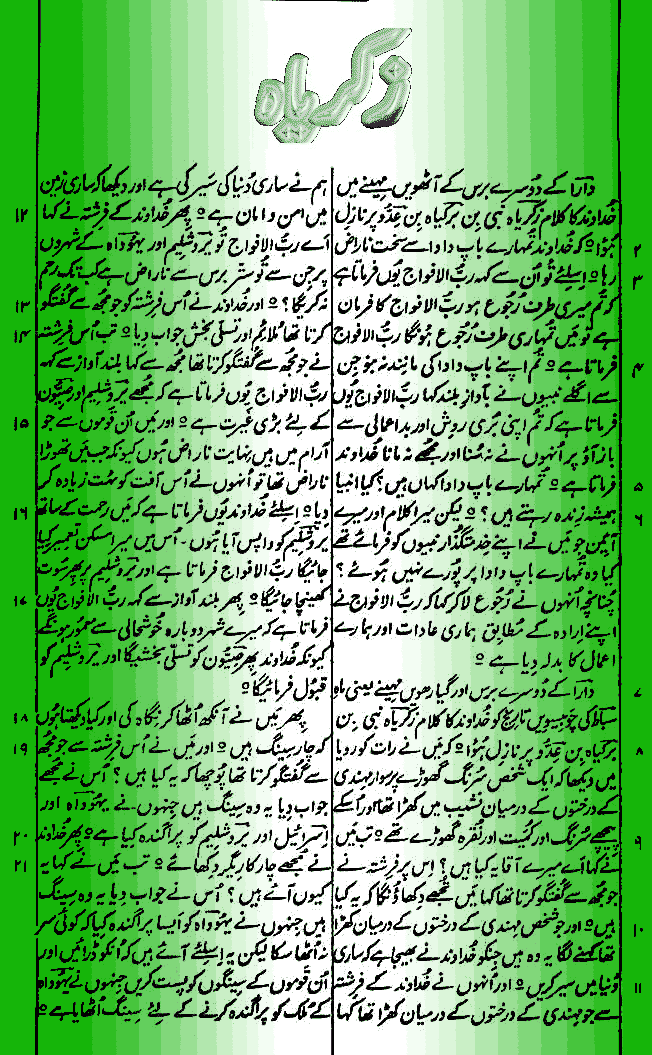
Verse: In the eighth month in the second year of Darius came the word of the LORD unto Zechariah the son of Berechiah the son of Iddo the prophet saying
English Explanation
This verse establishes the historical background and divine authority of Zechariah’s prophetic ministry. It takes place in the second year of Darius Hystaspes, King of Persia (approximately 520 BC). The timing is critical; it occurs during the post-exilic period when the Jewish remnant had returned from Babylon to rebuild Jerusalem and the Temple. By identifying his lineage as the son of Berechiah and grandson of Iddo (a prominent priestly family), the text validates Zechariah’s legitimate prophetic and priestly authority to deliver God’s message.
Urdu Explanation (تفصیلی تفسیر)
یہ آیت زکریا کے نبوتی دور کے تاریخی پس منظر اور الٰہی اختیار کو قائم کرتی ہے۔ یہ واقعہ فارس کے بادشاہ دارا (Darius) کے دوسرے سال (تقریباً 520 قبل مسیح) کا ہے۔ یہ وقت بہت اہم ہے کیونکہ یہ جلاوطنی کے بعد کا دور ہے جب یہودی بقایا جات بابل سے یروشلم واپس آئے تھے تاکہ ہیکل اور شہر کو دوبارہ تعمیر کر سکیں۔ زکریا کا تعارف برکیاہ کے بیٹے اور عدّو کے پوتے کے طور پر کروا کر (جو ایک ممتاز کاہن خاندان تھا) بائبل زکریا کے نبوتی اور کاہنانہ اختیار کی تصدیق کرتی ہے کہ وہ خدا کا پیغام پہنچانے کا اہل ہے۔
Zechariah 1:2
Verse: The LORD hath been sore displeased with your fathers
English Explanation
God opens His address with a stark, sobering reminder of past history. The phrase “sore displeased” emphasizes intense divine wrath. God is warning the current generation not to repeat the spiritual failures, rebellion, and idolatry of their ancestors, which directly caused the devastating Babylonian captivity and the destruction of the first Temple.
Urdu Explanation (تفصیلی تفسیر)
خداوند اپنے کلام کا آغاز ماضی کی تاریخ کی ایک سخت اور سنجیدہ یاد دہانی سے کرتا ہے۔ “شدید ناراض” کی اصطلاح الٰہی غضب کی شدت کو ظاہر کرتی ہے۔ خدا موجودہ نسل کو خبردار کر رہا ہے کہ وہ اپنے باپ دادا کی روحانی ناکامیوں، سرکشی اور بت پرستی کو نہ دہرائیں، جو بابل کی ہولناک اسارت اور پہلی ہیکل کی تباہی کا اصل سبب بنی تھیں۔
Zechariah 1:3
Verse: Therefore say thou unto them Thus saith the LORD of hosts Turn ye unto me saith the LORD of hosts and I will turn unto you saith the LORD of hosts
English Explanation
This verse delivers a core biblical principle of repentance and reciprocity. God uses His sovereign title, “the LORD of hosts” (Lord of Heaven’s Armies), three times to emphasize His absolute power. The message is clear: if the people make a genuine spiritual U-turn back to God, He promises to return to them with favor, protection, and blessings. Internal spiritual renewal must precede external structural rebuilding.
Urdu Explanation (تفصیلی تفسیر)
یہ آیت توبہ اور باہمی تعلق کا ایک بنیادی بائبل اصول پیش کرتی ہے۔ خدا اپنے حاکمانہ لقب “رب الافواج” (آسمانی لشکروں کا خدا) کا تین بار استعمال کرتا ہے تاکہ اپنی مطلق طاقت پر زور دے سکے۔ پیغام واضح ہے: اگر لوگ سچے دل سے خدا کی طرف رجوع کریں گے (توبہ کریں گے)، تو وہ بھی ان کی طرف فضل، حفاظت اور برکت کے ساتھ رجوع کرنے کا وعدہ کرتا ہے۔ بیرونی تعمیرِ نو سے پہلے اندرونی روحانی تبدیلی ضروری ہے۔
Zechariah 1:4
Verse: Be ye not as your fathers unto whom the former prophets have cried saying Thus saith the LORD of hosts Turn ye now from your evil ways and from your evil doings but they did not hear nor hearken unto me saith the LORD
English Explanation
Zechariah urges the people to break the generational cycle of stubbornness. He references the “former prophets” (like Isaiah and Jeremiah) who had repeatedly warned pre-exilic Israel to abandon their corrupt ways. The ancestors chose spiritual deafness and active disobedience; the current generation is explicitly commanded to learn from history rather than repeat its tragedies.
Urdu Explanation (تفصیلی تفسیر)
زکریا لوگوں پر زور دیتے ہیں کہ وہ اپنے باپ دادا کی ضد اور ہٹ دھرمی کے خاندانی سلسلے کو توڑ دیں۔ وہ “پچھلے انبیاء” (جیسے یسعیاہ اور یرمیاہ) کا حوالہ دیتے ہیں جنہوں نے جلاوطنی سے پہلے اسرائیل کو بار بار خبردار کیا تھا کہ وہ اپنی بری راہوں اور بدکاریوں کو چھوڑ دیں۔ ان کے اسلاف نے روحانی بہرے پن اور نافرمانی کا انتخاب کیا؛ موجودہ نسل کو واضح طور پر حکم دیا گیا ہے کہ وہ تاریخ سے سبق سیکھیں نہ کہ اس کے سانحات کو دہرائیں۔
Zechariah 1:5
Verse: Your fathers where are they? and the prophets do they live for ever?
English Explanation
This rhetorical verse points to the fleeting nature of human life. Both the rebellious ancestors who sinned and the prophets who warned them have passed away. Human beings are mortal and temporary, creating an urgency for the listeners to act righteously today, as human opportunities for repentance are bound by time.
Urdu Explanation (تفصیلی تفسیر)
یہ استفساری آیت انسانی زندگی کے عارضی ہونے کی طرف اشارہ کرتی ہے۔ وہ گناہگار باپ دادا جنہوں نے سرکشی کی، اور وہ انبیاء جنہوں نے انہیں خبردار کیا، دونوں ہی وفات پا چکے ہیں۔ انسان فانی اور عارضی ہے، اس لیے سننے والوں کے لیے لازم ہے کہ وہ آج ہی راستبازی کا فیصلہ کریں، کیونکہ توبہ کے لیے انسانی مواقع وقت کے پابند ہیں۔
Zechariah 1:6
Verse: But my words and my statutes which I commanded my servants the prophets did they not take hold of your fathers? and they returned and said Like as the LORD of hosts thought to do unto us according to our ways and according to our doings so hath he dealt with us
English Explanation
While humans pass away, God’s Word is eternal and infallible. The phrase “take hold of” means that God’s threatened judgments actively caught up with and overtook their ancestors. In the aftermath, the exiled ancestors were forced to acknowledge that God dealt with them exactly as He warned He would. It proves that God’s justice is unchangeable and His word always comes to pass.
Urdu Explanation (تفصیلی تفسیر)
اگرچہ انسان مر جاتے ہیں، لیکن خدا کا کلام ابدی اور اٹل ہے۔ “پکڑ لینا” یا “آ گھیرا” کا مطلب یہ ہے کہ خدا کی طرف سے دی گئی عدالت کی دھمکیاں ان کے باپ دادا پر پوری ہو کر رہیں۔ انجام کار، جلاوطن آباء و اجداد اس بات کا اعتراف کرنے پر مجبور ہوئے کہ خداوند نے ان کے ساتھ بالکل ویسا ہی سلوک کیا جیسا کہ اس نے ان کی بری راہوں کے مطابق کرنے کا انتباہ دیا تھا۔ یہ ثابت کرتا ہے کہ خدا کا انصاف ناقابلِ تبدیل ہے اور اس کا کلام ہمیشہ پورا ہوتا ہے۔
Zechariah 1:7
Verse: Upon the four and twentieth day of the eleventh month which is the month Sebat in the second year of Darius came the word of the LORD unto Zechariah the son of Berechiah the son of Iddo the prophet saying
English Explanation
This verse marks a precise date (February 519 BC), exactly three months after Zechariah’s initial call to repentance. It serves as the formal chronological introduction to a series of eight profound night visions given to the prophet in a single evening, meant to comfort and guide the struggling community.
Urdu Explanation (تفصیلی تفسیر)
یہ آیت ایک درست تاریخ (فروری 519 قبل مسیح) کو ظاہر کرتی ہے، جو زکریا کی توبہ کی پہلی منادی کے ٹھیک تین ماہ بعد کا وقت ہے۔ یہ ایک ہی رات میں نبی کو دکھائے جانے والے آٹھ گہرے رویاؤں (Visions) کے سلسلے کا باقاعدہ تعارف ہے، جن کا مقصد مشکلات کا شکار یہودی برادری کو تسلی اور رہنمائی دینا تھا۔
Zechariah 1:8
Verse: I saw by night and behold a man riding upon a red horse and he stood among the myrtle trees that were in the bottom and behind him were there red horses speckled and white
English Explanation
This introduces Zechariah’s first night vision. The man riding the red horse is widely understood as the Angel of the LORD (a pre-incarnate appearance of Christ). The “myrtle trees in the bottom (valley)” symbolize the lowly, depressed, and humbled state of Israel at that time. The surrounding horses of various colors represent angelic scouts assigned to observe world conditions.
Urdu Explanation (تفصیلی تفسیر)
یہاں سے زکریا کے پہلے رات کے رویا کا آغاز ہوتا ہے۔ سرخ گھوڑے پر سوار آدمی کو مفسرین “خداوند کا فرشتہ” (مسیح کا ظہورِ جسمانی سے پہلے کا روپ) قرار دیتے ہیں۔ “مقدس مہندی (مہندی کے درخت) جو نشیب میں تھے” اس وقت اسرائیل کی پست، افسردہ اور عاجز حالت کی علامت ہیں۔ مختلف رنگوں کے پیچھے موجود گھوڑے فرشتوں کے دستوں کو ظاہر کرتے ہیں جنہیں دنیا کے حالات کا جائزہ لینے پر مامور کیا گیا تھا۔
Zechariah 1:9
Verse: Then said I O my lord what are these? And the angel that talked with me said unto me I will shew thee what these be
English Explanation
Zechariah exhibits a humble desire to understand the spiritual mysteries shown to him. He addresses his immediate angelic guide as “my lord.” The interpreting angel responds with reassurance, promising to reveal the hidden prophetic meaning behind these supernatural riders.
Urdu Explanation (تفصیلی تفسیر)
زکریا اپنے سامنے دکھائے گئے روحانی اسرار کو سمجھنے کے لیے ایک عاجزانہ خواہش کا اظہار کرتے ہیں۔ وہ اپنے ساتھ موجود رہنما فرشتے کو “اے میرے مالک” کہہ کر مخاطب کرتے ہیں۔ تعبیر بتانے والا فرشتہ انہیں اطمینان دیتا ہے اور وعدہ کرتا ہے کہ وہ ان غیبی سواروں کے پیچھے چھپے نبوتی معنی کو ظاہر کرے گا۔
Zechariah 1:10
Verse: And the man that stood among the myrtle trees answered and said These are they whom the LORD hath sent to walk to and fro through the earth
English Explanation
The leader of the group—the man among the myrtle trees—intervenes to explain. He states that these riders are divine emissaries commissioned by God to patrol the earth and report back on the socio-political state of the nations.
Urdu Explanation (تفصیلی تفسیر)
گروہ کا قائد—یعنی مہندی کے درختوں میں کھڑا آدمی—وضاحت کے لیے آگے بڑھتا ہے۔ وہ بتاتا ہے کہ یہ سوار خدا کے بھیجے ہوئے الٰہی قاصد ہیں جنہیں زمین کا گشت کرنے اور دنیا کی اقوام کی سماجی و سیاسی صورتحال کی رپورٹ لانے کا کام سونپا گیا ہے۔
Zechariah 1:11
Verse: And they answered the angel of the LORD that stood among the myrtle trees and said We have walked to and fro through the earth and behold all the earth sitteth still and is at rest
English Explanation
The angelic patrols present their report: the pagan nations surrounding Israel are living in peaceful, uninterrupted prosperity (“sitteth still and is at rest”). Conversely, God’s chosen city, Jerusalem, remains in ruins. This creates a painful contrast, highlighting why the Jewish remnant felt forgotten and distressed.
Urdu Explanation (تفصیلی تفسیر)
فرشتوں کے دستے اپنی رپورٹ پیش کرتے ہیں: اسرائیل کے ارد گرد کی غیر قومیں پرامن اور بے فکر خوشحالی میں رہ رہی ہیں (“ساری زمین آرام سے اور چین سے ہے”)۔ اس کے برعکس، خدا کا چنا ہوا شہر، یروشلم، اب بھی ویران ہے۔ یہ ایک دردناک تضاد پیدا کرتا ہے، جو یہ ظاہر کرتا ہے کہ کیوں یہودی بقایا جات خود کو بھولا ہوا اور پریشان محسوس کر رہے تھے۔
Zechariah 1:12
Verse: Then the angel of the LORD answered and said O LORD of hosts how long wilt thou not have mercy on Jerusalem and on the cities of Judah against which thou hast had indignation these threescore and ten years?
English Explanation
The Angel of the LORD acts as an intercessor for His people, crying out to the Father. He asks “how long” God’s wrath will endure over Jerusalem, noting that the prophesied seventy years (threescore and ten) of Babylonian exile and divine indignation have already been fulfilled. It is a plea for the promised restoration to begin.
Urdu Explanation (تفصیلی تفسیر)
خداوند کا فرشتہ اپنی قوم کے لیے ایک شفیع (سفارش کرنے والے) کے طور پر کام کرتا ہے اور باپ سے فریاد کرتا ہے۔ وہ پوچھتا ہے کہ کب تک خدا کا غضب یروشلم پر رہے گا، جبکہ بابل کی اسارت اور الٰہی ناراضگی کے پیش گوئی کیے گئے ستر (70) سال پورے ہو چکے ہیں۔ یہ اس بات کی التجا ہے کہ اب وعدہ کی گئی بحالی کا آغاز ہونا چاہیے۔
Zechariah 1:13
Verse: And the LORD answered the angel that talked with me with good words and comfortable words
English Explanation
God responds favorably to the angel’s intercession. Instead of harsh judgment, He speaks “good words and comfortable words.” This marks a decisive shift in the book from messages of stern condemnation to messages of hope, consolation, and divine tenderness toward Israel.
Urdu Explanation (تفصیلی تفسیر)
خداوند فرشتے کی شفاعت کا مثبت جواب دیتا ہے۔ سخت عدالت کے بجائے، وہ “تسلی اور دلاسا دینے والی باتیں” کرتا ہے۔ یہ اس کتاب میں ایک اہم موڑ ہے جہاں اب سخت ملامت کے پیغامات ختم ہو کر اسرائیل کے لیے امید، دلاسا اور الٰہی شفقت کے پیغامات کا آغاز ہوتا ہے۔
Zechariah 1:14
Verse: So the angel that communed with me said unto me Cry thou saying Thus saith the LORD of hosts I am jealous for Jerusalem and for Zion with a great jealousy
English Explanation
The interpreting angel commands Zechariah to proclaim a passionate message. God declares that He is “jealous… with a great jealousy” for Jerusalem and Zion. In a biblical context, this jealousy is not a petty flaw, but a fierce, protective, and covenantal love, like a husband protecting his wife from harm.
Urdu Explanation (تفصیلی تفسیر)
تعبیر بتانے والا فرشتہ زکریا کو ایک پرجوش پیغام کی منادی کرنے کا حکم دیتا ہے۔ خدا اعلان کرتا ہے کہ وہ یروشلم اور صیون کے لیے “بڑی غیرت” رکھتا ہے۔ بائبل کے سیاق و سباق میں، یہ غیرت کوئی عیب نہیں، بلکہ ایک شدید، حفاظتی اور عہدی محبت ہے، جیسے ایک شوہر اپنی بیوی کو نقصان سے بچانے کے لیے غیرت کھاتا ہے۔
Zechariah 1:15
Verse: And I am very sore displeased with the heathen that are at ease for I was but a little displeased and they helped forward the affliction
English Explanation
God redirects His anger toward the proud pagan nations. Although God used these foreign empires to discipline Israel (“I was but a little displeased”), those nations exceeded their boundaries. They acted with cruelty, malicious intent, and overstepped their bounds to completely crush the Jewish people (“helped forward the affliction”). Therefore, judgment shifts onto them.
Urdu Explanation (تفصیلی تفسیر)
خدا اپنا غضب مغرور غیر قوموں کی طرف موڑ دیتا ہے۔ اگرچہ خدا نے ان غیر ملکی سلطنتوں کو اسرائیل کی اصلاح کے لیے استعمال کیا تھا (“میں تو تھوڑا ہی ناراض تھا”)، لیکن ان اقوام نے اپنی حدیں پار کر لیں۔ انہوں نے ظلم اور بدنیتی کا مظاہرہ کیا اور یہودی قوم کو مکمل طور پر کچلنے کے لیے حد سے زیادہ ظلم کیا (“مصیبت کو بڑھا دیا”)۔ اس لیے اب عدالت ان پر ہونی ہے۔
Zechariah 1:16
Verse: Therefore thus saith the LORD I am returned to Jerusalem with mercies my house shall be built in it saith the LORD of hosts and a line shall be stretched forth upon Jerusalem
English Explanation
God announces His official return to Jerusalem with abundant compassion. He guarantees two things: first, that His “house” (the Temple) will successfully be rebuilt, and second, that a measuring “line” will be stretched over the city, symbolizing architectural planning, expansion, and certain restoration.
Urdu Explanation (تفصیلی تفسیر)
خداوند کثرتِ رحمت کے ساتھ یروشلم میں اپنی باقاعدہ واپسی کا اعلان کرتا ہے۔ وہ دو چیزوں کی ضمانت دیتا ہے: اول یہ کہ اس کا “گھر” (ہیکل) کامیابی سے دوبارہ تعمیر کیا جائے گا، اور دوم یہ کہ شہر پر پیمائش کا “سوت” (ماپنے کا خط) کھینچا جائے گا، جو کہ تعمیراتی منصوبہ بندی، پھیلاؤ اور یقینی بحالی کی علامت ہے۔
Zechariah 1:17
Verse: Cry yet saying Thus saith the LORD of hosts My cities through prosperity shall yet be spread abroad and the LORD shall yet comfort Zion and shall yet choose Jerusalem
English Explanation
Zechariah is ordered to make a further proclamation of divine blessing. God promises that the towns of Judah will overflow with economic and spiritual prosperity, leading to geographic expansion. The verse reassures the people that God’s sovereign choice of Jerusalem remains permanent and unbroken.
Urdu Explanation (تفصیلی تفسیر)
زکریا کو الٰہی برکت کا ایک اور اعلان کرنے کا حکم دیا جاتا ہے۔ خدا وعدہ کرتا ہے کہ یہوداہ کے شہر معاشی اور روحانی خوشحالی سے لبریز ہو جائیں گے، جس سے جغرافیائی پھیلاؤ ہوگا۔ یہ آیت لوگوں کو یقین دلاتی ہے کہ یروشلم کا خدا کی طرف سے حاکمانہ انتخاب مستقل اور اٹل ہے۔
Zechariah 1:18
Verse: Then lifted I up mine eyes and saw and behold four horns
English Explanation
This begins Zechariah’s second night vision. In biblical prophecy, “horns” represent political power, military strength, and aggressive rulers or empires. The number “four” signifies the global directions (North, South, East, West), representing all the worldly empires that surrounded and attacked God’s people.
Urdu Explanation (تفصیلی تفسیر)
یہاں سے زکریا کے دوسرے رات کے رویا کا آغاز ہوتا ہے۔ بائبل کی پیش گوئیوں میں، “سینگ” سیاسی طاقت، فوجی قوت اور جارحانہ حکمرانوں یا سلطنتوں کو ظاہر کرتے ہیں۔ نمبر “چار” دنیا کی چاروں سمتوں (شمال، جنوب، مشرق، مغرب) کی علامت ہے، جو ان تمام دنیاوی سلطنتوں کی نمائندگی کرتا ہے جنہوں نے خدا کے لوگوں کو گھیرا اور ان پر حملے کیے۔
Zechariah 1:19
Verse: And I said unto the angel that talked with me What be these? And he answered me These are the horns which have scattered Judah Israel and Jerusalem
English Explanation
Zechariah seeks clarification on the vision. The interpreting angel reveals that these horns are the destructive world powers (such as Assyria, Babylon, and Persia) responsible for scattering, exiling, and fracturing the people of Judah, Israel, and their capital, Jerusalem.
Urdu Explanation (تفصیلی تفسیر)
زکریا اس رویا کی وضاحت چاہتے ہیں۔ تعبیر بتانے والا فرشتہ ظاہر کرتا ہے کہ یہ سینگ وہ تباہ کن عالمی طاقتیں ہیں (جیسے اسور، بابل، اور فارس) جو یہوداہ، اسرائیل اور ان کے دارالحکومت یروشلم کے لوگوں کو تتر بتر کرنے، جلاوطن کرنے اور نقصان پہنچانے کی ذمہ دار تھیں۔
Zechariah 1:20
Verse: And the LORD shewed me four carpenters
English Explanation
To counter the destructive power of the four horns, God shows Zechariah “four carpenters” (or craftsmen/artisans). For every devastating force the enemy brings against God’s plan, God prepares an equal and specialized counter-force to construct, restore, and defend His purposes.
Urdu Explanation (تفصیلی تفسیر)
چار سینگوں کی تباہ کن طاقت کا مقابلہ کرنے کے لیے، خداوند زکریا کو “چار کاریگر” (یا لوہار/ترکھان) دکھاتا ہے۔ خدا کے منصوبے کے خلاف دشمن جو بھی تباہ کن قوت لاتا ہے، خدا اس کے مقاصد کی تعمیر، بحالی اور دفاع کے لیے ایک مساوی اور مخصوص جوابی قوت تیار رکھتا ہے۔
Zechariah 1:21
Verse: Then said I What come these to do? And he spake saying These are the horns which have scattered Judah so that no man did lift up his head but these are come to fray them to cast out the horns of the Gentiles which lifted up their horn over the land of Judah to scatter it
English Explanation
Zechariah asks about the mission of the craftsmen. The angel explains that while the gentile nations completely crushed Judah to the point that “no man did lift up his head” in dignity, these divine craftsmen have arrived to “fray” (terrify) and completely cast down those oppressive empires. It provides absolute assurance that those who oppress God’s people will ultimately face divine overthrow.
Urdu Explanation (تفصیلی تفسیر)
زکریا ان کاریگروں کے مقصد کے بارے میں پوچھتے ہیں۔ فرشتہ وضاحت کرتا ہے کہ اگرچہ غیر قوموں نے یہوداہ کو اس حد تک کچل دیا تھا کہ کوئی آدمی عزت کے ساتھ “اپنا سر نہ اٹھا سکتا تھا”، لیکن یہ الٰہی کاریگر ان جابر سلطنتوں کو “ڈرانیں” (خوفزدہ کرنے) اور ان کے سینگوں کو کاٹ کر پھینکنے کے لیے آئے ہیں۔ یہ اس بات کا پکا یقین دلاتا ہے کہ جو لوگ خدا کے لوگوں پر ظلم کرتے ہیں، آخر کار وہ الٰہی عدالت کے نتیجے میں مغلوب ہو جائیں گے۔