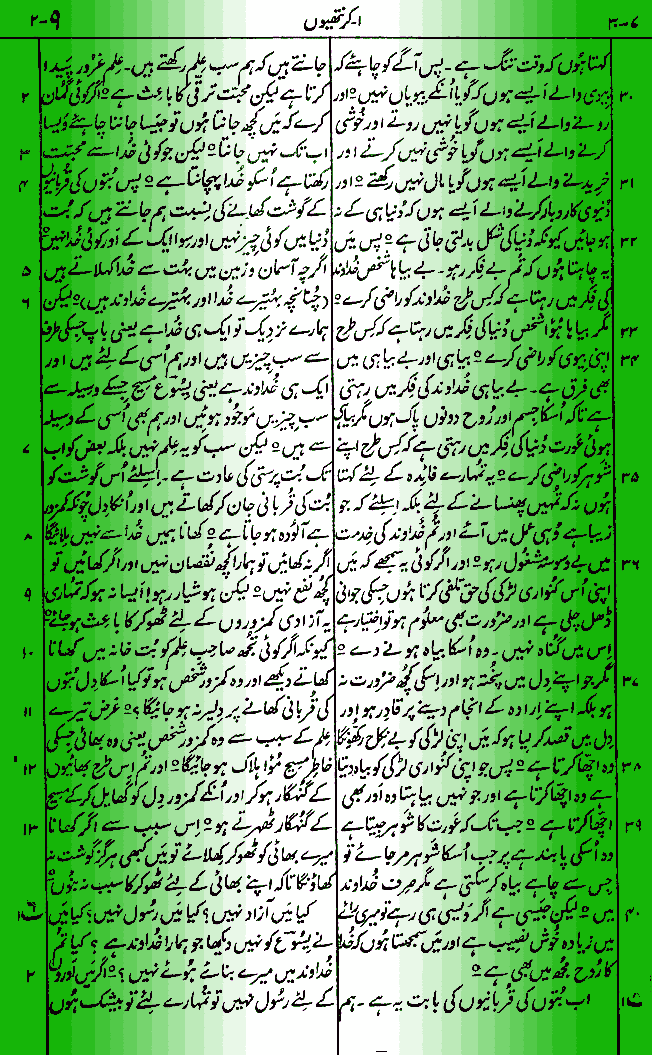
1 Corinthians Chapter 7 (Verses 30–40)
Verse 30
Verse: And they that weep as though they wept not and they that rejoice as though they rejoiced not and they that buy as though they possessed not
-
English Explanation: Paul encourages believers to maintain a sense of holy detachment from worldly emotions and material possessions. Earthly sorrows and joys are temporary; therefore, Christians should not let their emotional or financial investments consume their spiritual focus. We must live with eternity in mind, holding worldly things loosely.
-
Urdu Explanation (تفصیل): پولس رسول مومنین کو یہ سکھا رہے ہیں کہ دنیاوی جذبات اور مادی چیزوں سے دل نہ لگائیں۔ دنیا کے غم اور خوشیاں عارضی ہیں۔ اس لیے ایمان داروں کو چاہیے کہ وہ دنیاوی حالات سے اتنے مغلوب نہ ہوں کہ اپنی روحانی منزل بھول جائیں۔ مادی چیزیں خریدیں ضرور، لیکن ان کے غلام نہ بنیں کیونکہ یہ سب فانی ہے۔
Verse 31
Verse: And they that use this world as not abusing it for the fashion of this world passeth away
-
English Explanation: While it is necessary to interact with the resources, systems, and structures of this world, believers must not overindulge or become ensnared by them (“abusing it”). The structural framework, trends, and physical nature of this world are rapidly fading away, making it unwise to anchor our souls to them.
-
Urdu Explanation (تفصیل): دنیا کی نعمتوں اور وسائل کا استعمال جائز ہے لیکن ان میں اس حد تک غرق ہو جانا کہ خدا بھول جائے، غلط ہے۔ پولس کہتے ہیں کہ اس دنیا کا نقشہ، اس کے فیشن اور اس کی رونقیں تیزی سے ختم ہو رہی ہیں۔ عارضی دنیا کو ابدی حقیقت پر ترجیح نہیں دینی چاہیے۔
Verse 32
Verse: But I would have you without carefulness He that is unmarried careth for the things that belong to the Lord how he may please the Lord
-
English Explanation: Paul expresses his desire to spare the believers from the anxieties and competing distractions of life. An unmarried person has the unique freedom to dedicate their primary attention, energy, and time to the things of God, focusing purely on how to please the Lord without domestic constraints.
-
Urdu Explanation (تفصیل): رسول کی خواہش ہے کہ مومنین دنیاوی فکروں اور الجھنوں سے آزاد رہیں۔ جو شخص غیر شادی شدہ ہے، اس کی تمام تر توجہ خداوند کے کاموں پر ہوتی ہے کہ وہ کس طرح خدا کی مرضی کو پورا کرے اور اسے خوش رکھے۔ اسے خاندانی ذمہ داریوں کی فکر نہیں ہوتی۔
Verse 33
Verse: But he that is married careth for the things that are of the world how he may please his wife
-
English Explanation: Marriage brings practical, God-given earthly responsibilities. A married man must invest time and effort into managing his household, securing a livelihood, and caring for the emotional and physical well-being of his spouse. This naturally divides his attention between direct ministry and domestic duty.
-
Urdu Explanation (تفصیل): لیکن شادی شدہ مرد دنیا کی باتوں کی فکر میں رہتا ہے کہ وہ اپنی بیوی کو کس طرح خوش رکھے اور اپنے گھر بار کی ذمہ داریاں کیسے نبھائے۔ یہ کوئی گناہ نہیں ہے، بلکہ ایک زمینی حقیقت ہے جو انسان کی توجہ کو خدا کی براہِ راست خدمت سے بانٹ دیتی ہے۔
Verse 34
Verse: There is difference also between a wife and a virgin The unmarried woman careth for the things of the Lord that she may be holy both in body and in spirit but she that is married careth for the things of the world how she may please her husband
-
English Explanation: Similarly, there is a distinction between a single woman (or virgin) and a married woman. The single woman can preserve her focus to serve God single-mindedly, cultivating holiness in both physical devotion and mental focus. Conversely, a married woman must focus on her household and her husband’s well-being.
-
Urdu Explanation (تفصیل): اسی طرح ایک کنواری اور شادی شدہ عورت میں فرق ہے۔ غیر شادی شدہ عورت خداوند کی فکر میں رہتی ہے تاکہ جسم اور روح دونوں میں پاکیزہ رہے اور خود کو خدا کے لیے وقف کر سکے۔ جبکہ شادی شدہ عورت دنیاوی اور گھریلو امور کی فکر کرتی ہے تاکہ اپنے شوہر کو خوش رکھ سکے۔
Verse 35
Verse: And this I speak for your own profit not that I may cast a snare upon you but for that which is comely and that ye may attend upon the Lord without distraction
-
English Explanation: Paul clarifies that he is not trying to restrict their freedom or impose legalistic rules (“cast a snare”). His advice is strictly for their spiritual benefit, promoting a lifestyle that is honorable, appropriate, and designed to help them serve God with undivided focus and minimal worldly distraction.
-
Urdu Explanation (تفصیل): پولس واضح کرتے ہیں کہ وہ یہ باتیں کسی پر پابندی یا پھندا ڈالنے کے لیے نہیں کہہ رہے، بلکہ ان کے اپنے فائدے اور بھلائی کے لیے کہہ رہے ہیں۔ ان کا مقصد یہ ہے کہ مومنین ایسی زندگی گزاریں جو مناسب ہو اور جس کے ذریعے وہ بغیر کسی رکاوٹ اور الجھن کے یکسوئی سے خداوند کی بندگی کر سکیں۔
Verse 36
Verse: But if any man think that he behaveth himself uncomely toward his virgin if she pass the flower of her age and need so require let him do what he will he sinneth not let them marry
-
English Explanation: If a man (either a father regarding his daughter or a man engaged to a woman) feels he is acting inappropriately by delaying marriage, especially if the woman is passing her youth and desires marriage, he is free to proceed. Getting married is not a sin; it is a proper and honorable path.
-
Urdu Explanation (تفصیل): اگر کوئی شخص یہ سمجھتا ہے کہ وہ اپنی کنواری (بیٹی یا منگیتر) کے ساتھ مناسب رویہ نہیں رکھ رہا اور اس کی عمر بھی نکل رہی ہے اور شادی کرنا ضروری ہے، تو وہ جو چاہے کرے، یہ گناہ نہیں ہے۔ انہیں شادی کر لینی چاہیے کیونکہ شادی کرنا پاکدامنی کا باعث ہے۔
Verse 37
Verse: Nevertheless he that standeth stedfast in his heart having no necessity but hath power over his own will and hath so decreed in his heart that he will keep his virgin doeth well
-
English Explanation: On the other hand, if a person is firmly resolved in his heart, experiences no external or internal pressure to marry, has complete self-control over his desires, and decides to keep his virgin unmarried for the sake of kingdom work, he does a commendable and good thing.
-
Urdu Explanation (تفصیل): لیکن جو شخص اپنے دل میں قائم رہتا ہے، جس پر کوئی مجبوری نہیں، بلکہ وہ اپنے ارادے پر اختیار رکھتا ہے اور دل میں فیصلہ کر چکا ہے کہ وہ اپنی کنواری کو غیر شادی شدہ ہی رکھے گا (تاکہ وہ خدا کی خدمت کرے)، تو وہ بھی اچھا کام کرتا ہے۔
Verse 38
Verse: So then he that giveth her in marriage doeth well but he that giveth her not in marriage doeth better
-
English Explanation: Paul summarizes the options: giving someone in marriage is perfectly good, holy, and acceptable. However, remaining unmarried to serve God with absolute freedom, given the current cultural pressures and spiritual benefits, is deemed “better” in terms of undivided devotion.
-
Urdu Explanation (تفصیل): خلاصہ یہ ہے کہ جو اپنی کنواری کی شادی کراتا ہے وہ اچھا کرتا ہے، کیونکہ شادی خدا کا قائم کردہ نظام ہے۔ لیکن جو شادی نہیں کراتا وہ اس سے بھی بہتر کرتا ہے، کیونکہ وہ دنیاوی الجھنوں سے بچ کر خود کو مکمل طور پر خدا کے لیے وقف رکھتا ہے۔
Verse 39
Verse: The wife is bound by the law as long as her husband liveth but if her husband be dead she is at liberty to be married to whom she will only in the Lord
-
English Explanation: Marriage is a lifelong covenant bound by spiritual law as long as the husband lives. However, if the husband dies, the widow is legally and spiritually free to remarry whomever she chooses, with one critical condition: her new spouse must be a believer (“only in the Lord”).
-
Urdu Explanation (تفصیل): عورت جب تک اس کا شوہر زندہ ہے، نکاح کے قانون کے تحت اس سے بندھی ہوئی ہے۔ لیکن اگر اس کا شوہر وفات پا جائے، تو وہ جس سے چاہے شادی کرنے کے لیے آزاد ہے۔ لیکن شرط یہ ہے کہ وہ مرد بھی خداوند میں ہو یعنی مسیحی ایمان دار ہو۔
Verse 40
Verse: But she is happier if she so abide after my judgment and I think also that I have the Spirit of God
-
English Explanation: In Paul’s pastoral judgment, a widow will likely experience greater spiritual peace, less distress, and freedom if she chooses to remain single. Paul asserts that this advice is not merely human opinion but is aligned with the wisdom given by the Holy Spirit.
-
Urdu Explanation (تفصیل): پولس کی رائے کے مطابق، اگر وہ بیوہ عورت دوسری شادی نہ کرے اور اسی حالت میں رہے تو زیادہ خوش اور پرسکون رہے گی۔ وہ مزید کہتے ہیں کہ میری یہ رائے محض انسانی نہیں، بلکہ مجھے یقین ہے کہ میرے اندر بھی خدا کا روح ہے جو یہ حکمت دے رہا ہے۔
1 Corinthians Chapter 8 (Verses 1–13)
Verse 1
Verse: Now as touching things offered unto idols we know that we all have knowledge Knowledge puffeth up but charity edifieth
-
English Explanation: Addressing food sacrificed to pagan idols, Paul notes that many mature believers possess the intellectual “knowledge” that idols are fake. However, raw knowledge alone can lead to spiritual pride and arrogance (“puffeth up”). Instead, love (“charity”) must guide our actions because love builds up the community.
-
Urdu Explanation (تفصیل): بتوں کے آگے قربان کی گئی قربانیوں (نیاز) کے بارے میں بات کرتے ہوئے پولس کہتے ہیں کہ ہم سب جانتے ہیں کہ بت کیا ہیں۔ لیکن صرف علم انسان میں غرور پیدا کرتا ہے، جبکہ محبت دوسروں کی روحانی ترقی اور تعمیر کا باعث بنتی ہے۔ ہمیں علم پر محبت کو ترجیح دینی چاہیے۔
Verse 2
Verse: And if any man think that he knoweth any thing he knoweth nothing yet as he ought to know
-
English Explanation: If someone boasts about their superior spiritual knowledge or intellectual insight, they demonstrate true ignorance. True godly knowledge is humble and understands that human comprehension is limited; it must always be applied in love and submission to God.
-
Urdu Explanation (تفصیل): اگر کوئی شخص اپنے علم پر گھمنڈ کرتا ہے اور سمجھتا ہے کہ وہ سب کچھ جانتا ہے، تو حقیقت میں وہ ابھی تک کچھ بھی نہیں جانتا جیسا کہ اسے جاننا چاہیے۔ حقیقی الٰہی علم انسان کو خاکسار بناتا ہے، مغرور نہیں پہنچاتا۔
Verse 3
Verse: But if any man love God the same is known of him
-
English Explanation: The ultimate measure of spiritual maturity is not intellectual pride, but genuine love for God. When a person loves God, they enter into an intimate relationship where they are recognized, acknowledged, and approved by God Himself.
-
Urdu Explanation (تفصیل): لیکن جو شخص خدا سے محبت رکھتا ہے، خدا اسے جانتا ہے اور اسے قبول کرتا ہے۔ خدا کے نزدیک اہمیت اس بات کی نہیں کہ آپ کے پاس کتنا فلسفیانہ علم ہے، بلکہ اس بات کی ہے کہ آپ کے دل میں خدا اور اس کی مخلوق کے لیے کتنی محبت ہے۔
Verse 4
Verse: As concerning therefore the eating of those things that are offered in sacrifice unto idols we know that an idol is nothing in the world and that there is none other God but one
-
English Explanation: Paul establishes a theological truth: an idol is just a piece of wood or stone with no real divine existence. Since there is only one true God, food offered to a non-existent idol has no inherent spiritual contamination or power to defile meat.
-
Urdu Explanation (تفصیل): بتوں کی قربانی کا گوشت کھانے کے بارے میں سچائی یہ ہے کہ دنیا میں بت کی کوئی حقیقت یا وجود نہیں ہے۔ وہ محض بے جان چیزیں ہیں۔ کائنات میں صرف ایک ہی سچا خدا ہے، اس لیے بت کے نام پر رکھی گئی چیز بذاتِ خود گوشت کو ناپاک نہیں کر سکتی۔
Verse 5
Verse: For though there be that are called gods whether in heaven or in earth as there be gods many and lords many
-
English Explanation: Paul acknowledges the cultural environment of the Greco-Roman world. Polytheistic societies invented, named, and worshiped countless false deities and celestial beings, creating a culture full of self-proclaimed “gods” and “lords.”
-
Urdu Explanation (تفصیل): اگرچہ دنیا میں بہت سے نام نہاد معبود اور آقا موجود ہیں جنہیں لوگ آسمان یا زمین پر پوجتے ہیں، اور مشرکانہ معاشرے میں ایسے بہت سے دیوتا اور مالک مانے جاتے ہیں، لیکن ان کی حقیقت کچھ بھی نہیں ہے۔
Verse 6
Verse: But to us there is but one God the Father of whom are all things and we in him and one Lord Jesus Christ by whom are all things and we by him
-
English Explanation: For Christians, the ultimate truth is clear: there is only one God, the Father, who is the Creator of all existence and the source of our life. Furthermore, there is only one Lord, Jesus Christ, through whom everything was created and through whom we receive eternal redemption.
-
Urdu Explanation (تفصیل): مگر ہمارے لیے تو ایک ہی خدا ہے یعنی باپ جس کی طرف سے سب چیزیں ہیں اور ہم اسی کے لیے جیتے ہیں۔ اور ایک ہی خداوند ہے یعنی یسوع مسیح جس کے وسیلے سے سب چیزیں پیدا ہوئیں اور ہم بھی اسی کے وسیلے سے موجود ہیں۔
Verse 7
Verse: Howbeit there is not in every man that knowledge for some with conscience of the idol unto this hour eat it as a thing offered unto an idol and their conscience being weak is defiled
-
English Explanation: Not all believers possess this strong intellectual understanding. Some newer or weaker Christians, having spent their lives worshiping idols, still feel as though eating this meat is an act of pagan worship. When they eat it against their conscience, they feel spiritually polluted and guilt-ridden.
-
Urdu Explanation (تفصیل): مگر سب ایمان داروں کو یہ گہرا علم حاصل نہیں ہے۔ کچھ لوگ اب تک بت پرستی کے عادی رہے ہیں، اس لیے جب وہ یہ گوشت کھاتے ہیں تو ان کے ذہن میں یہی خیال ہوتا ہے کہ یہ بت کی قربانی ہے۔ چونکہ ان کا ایمان اور ضمیر کمزور ہے، اس لیے وہ گناہ کا احساس کرتے ہیں اور ان کا ضمیر آلودہ ہو جاتا ہے۔
Verse 8
Verse: But meat commendeth us not to God for neither if we eat are we the better neither if we eat not are we the worse
-
English Explanation: Food is spiritually neutral. Eating or abstaining from certain meat does not bring us closer to God or gain His special favor, nor does avoiding it make us less spiritual. Dietary choices carry no inherent moral or eternal weight in our standing before God.
-
Urdu Explanation (تفصیل): کھانا ہمیں خدا کے قریب نہیں لاتا۔ اگر ہم کھائیں تو ہمیں کوئی خاص روحانی فضیلت حاصل نہیں ہوتی، اور اگر نہ کھائیں تو ہمارا کوئی نقصان نہیں ہوتا۔ خدا کے سامنے ہماری مقبولیت کا انحصار کھانے پینے پر نہیں بلکہ دل کی حالت پر ہے۔
Verse 9
Verse: But take heed lest by any means this liberty of yours become a stumblingblock to them that are weak
-
English Explanation: Paul issues a vital warning: mature believers must be careful that their freedom (their right to eat any food) does not become a spiritual trap or a cause for stumbling to weaker brothers or sisters who do not share that same intellectual liberty.
-
Urdu Explanation (تفصیل): لیکن خبردار! ایسا نہ ہو کہ تمہاری یہ آزادی (کہ تم ہر چیز کھا سکتے ہو) ان لوگوں کے لیے ٹھوکر کا باعث بن جائے جو ایمان میں کمزور ہیں۔ ہماری آزادی کا استعمال دوسروں کے ایمان کو نقصان نہیں پہنچانا چاہیے۔
Verse 10
Verse: For if any man see thee which hast knowledge sit at meat in the idol’s temple shall not the conscience of him which is weak be emboldened to eat those things which are offered to idols
-
English Explanation: If a weak Christian sees a mature believer with “knowledge” eating food inside a temple restaurant, the weak believer might misunderstand the action. This could encourage them to eat against their conscience, participating in what they still perceive to be active idolatry.
-
Urdu Explanation (تفصیل): کیونکہ اگر کوئی کمزور بھائی تم جیسے علم رکھنے والے کو بت کے مندر میں کھانا کھاتے دیکھے، تو کیا اس کا کمزور ضمیر اسے بھی بتوں کی قربانی کا گوشت کھانے پر آمادہ (اور گمراہ) نہیں کرے گا؟ وہ آپ کی دیکھا دیکھی گناہ میں پڑ جائے گا۔
Verse 11
Verse: And through thy knowledge shall the weak brother perish for whom Christ died
-
English Explanation: The tragic result of exercising individual freedom without love is that a weaker brother or sister, for whom Christ shed His blood and died, could face spiritual ruin, confusion, or a broken relationship with God, all due to someone else’s arrogant display of knowledge.
-
Urdu Explanation (تفصیل): اور اس طرح تمہارے اس نام نہاد ‘علم’ کی وجہ سے وہ کمزور بھائی روحانی طور پر ہلاک یا گمراہ ہو جائے گا جس کی خاطر مسیح نے اپنی جان قربان کی تھی۔ یہ ایک بہت بڑا گناہ ہے۔
Verse 12
Verse: But when ye sin so against the brethren and wound their weak conscience ye sin against Christ
-
English Explanation: When believers misuse their rights and wound the sensitive, developing consciences of their spiritual family, they are not just offending people. Because the Church is the body of Christ, hurting a fellow believer means sinning directly against Christ Himself.
-
Urdu Explanation (تفصیل): جب تم اپنے بھائیوں کے خلاف اس طرح گناہ کرتے ہو اور ان کے کمزور ضمیر کو چوٹ پہنچاتے ہو، تو تم صرف ان کے گناہگار نہیں بنتے بلکہ تم براہِ راست مسیح کے خلاف گناہ کرتے ہو، کیونکہ کلیسیا مسیح کا بدن ہے۔
Verse 13
Verse: Wherefore if meat make my brother to offend I will eat no flesh while the world standeth lest I make my brother to offend
-
English Explanation: Paul models sacrificial love: if eating meat causes a fellow Christian to stumble or fall into sin, Paul vows to never eat meat again. Protecting the spiritual life of a brother or sister is infinitely more important than exercising personal freedom or fulfilling dietary preferences.
-
Urdu Explanation (تفصیل): اس لیے پولس کہتے ہیں کہ اگر میرے کھانے کی وجہ سے میرا بھائی ٹھوکر کھاتا ہے، تو میں زندگی بھر کبھی گوشت نہیں کھاؤں گا تاکہ میں اپنے بھائی کے لیے ٹھوکر کا باعث نہ بنوں۔ محبت کا تقاضا یہی ہے کہ ہم دوسروں کی خاطر اپنی آزادی قربان کر دیں۔
1 Corinthians Chapter 9 (Verses 1–2)
Verse 1
Verse: Am I not an apostle am I not free have I not seen Jesus Christ our Lord are not ye my work in the Lord
-
English Explanation: Paul defends his divine authority against detractors. He asks rhetorical questions to prove his status: he has the full freedom of a believer, he personally witnessed the resurrected Lord Jesus Christ on the road to Damascus, and the Corinthian church itself is the direct fruit of his apostolic labor.
-
Urdu Explanation (تفصیل): یہاں سے پولس رسول اپنی رسالت (Apostleship) کا دفاع کرتے ہیں۔ وہ سوال کرتے ہیں: کیا میں رسول نہیں ہوں؟ کیا میں آزاد نہیں ہوں؟ کیا میں نے ہمارے خداوند یسوع مسیح کو جی اٹھنے کے بعد نہیں دیکھا؟ اور کیا تم سب خداوند میں میری محنت کا پھل نہیں ہو؟ یہ تمام باتیں ان کے رسول ہونے کا ثبوت ہیں۔
Verse 2
Verse: If I be not an apostle unto others yet doubtless I am to you for the seal of mine apostleship are ye in the Lord
-
English Explanation: Even if outside critics question Paul’s authority, the Corinthians have no ground to doubt him. Their conversion, their spiritual gifts, and the existence of their church serve as an undeniable validation—the official corporate seal—confirming that Paul is a true apostle commissioned by God.
-
Urdu Explanation (تفصیل): اگر میں دوسروں کے لیے رسول نہیں بھی ہوں، تو تمہارے لیے تو یقیناً ہوں! کیونکہ خداوند میں تمہارا ایمان لانا اور کلیسیا کا قائم ہونا میری رسالت پر ایک مہر (ثبوت) کی مانند ہے۔ تمہاری اپنی زندگی اس بات کی گواہی ہے کہ مجھے خدا نے بھیجا ہے۔