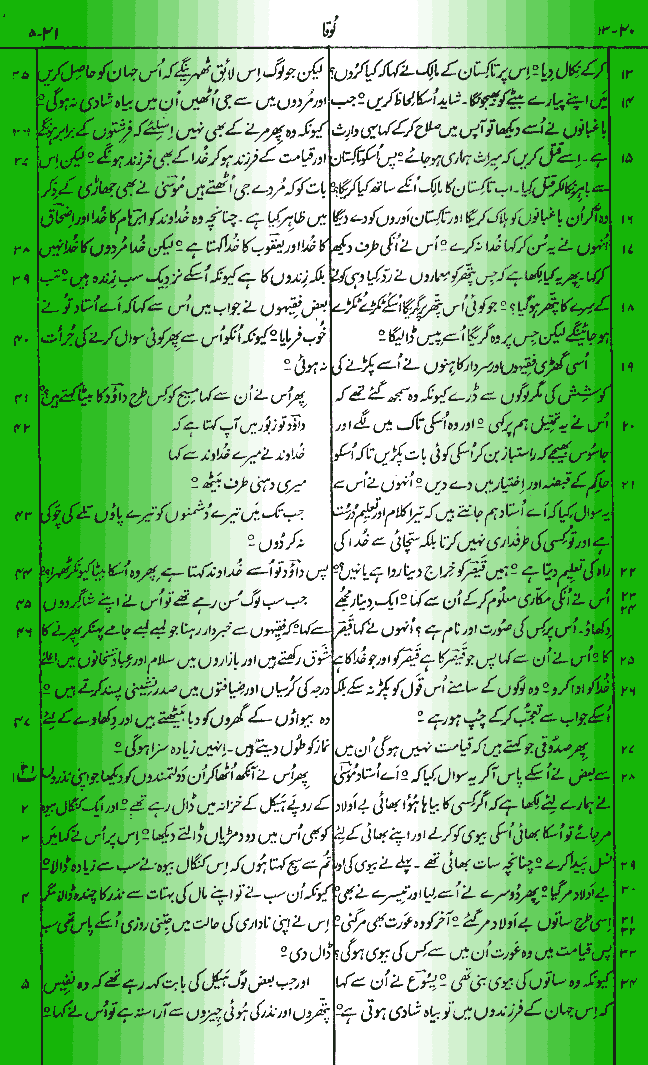
Verse-by-Verse Commentary and Explanation (Luke 20:13 – Luke 21:5)
Luke 20:13
Verse: Then said the lord of the vineyard What shall I do? I will send my beloved son it may be they will reverence him when they see him.
-
English Explanation: This part of the Parable of the Wicked Tenants highlights the patience and grace of the vineyard owner (representing God). After the tenants mistreated his servants (the prophets), the owner sends his “beloved son” (Jesus Christ), expecting that his ultimate authority would command respect. It underscores the profound rejection of Christ by Israel’s religious leaders.
-
Urdu Explanation (اردو وضاحت): یہ آیت باغ کے مالک (جو خدا کی علامت ہے) کے صبر اور فضل کو ظاہر کرتی ہے۔ اپنے خادموں (انبیاء) کے ساتھ ناروا سلوک کے بعد، مالک اپنے “پیارے بیٹے” (یسوع مسیح) کو بھیجتا ہے، اس امید کے ساتھ کہ اس کے اختیار کا احترام کیا جائے گا۔ یہ اسرائیل کے مذہبی رہنماؤں کی طرف سے مسیح کے بائیکاٹ اور انکار کو ظاہر کرتا ہے۔
Luke 20:14
Verse: But when the husbandmen saw him they reasoned among themselves saying This is the heir come let us kill him that the inheritance may be ours.
-
English Explanation: Instead of respecting the son, the tenants see an opportunity to seize ownership of the vineyard by eliminating the rightful heir. This prophetic statement exposes the conspiracy of the chief priests and scribes who plotted to execute Jesus to protect their own religious authority and status.
-
Urdu Explanation (اردو وضاحت): بیٹے کا احترام کرنے کے بجائے، باغبان وارث کو ختم کر کے باغ پر قبضہ کرنے کا موقع دیکھتے ہیں۔ یہ پیشگوئی ان سردار کاہنوں اور فقیہوں کی سازش کو بے نقاب کرتی ہے جنہوں نے اپنے مذہبی اختیار اور مرتبے کو بچانے کے لیے یسوع کو قتل کرنے کا منصوبہ بنایا تھا۔
Luke 20:15
Verse: So they cast him out of the vineyard and killed him. What therefore shall the lord of the vineyard do unto them?
-
English Explanation: Jesus predicts His own execution outside the city walls of Jerusalem (“cast him out”). He then asks a rhetorical question to prompt the listeners to consider the severe divine judgment that follows such a heinous rebellion against God’s ultimate messenger.
-
Urdu Explanation (اردو وضاحت): یسوع یروشلم کی شہر پناہ سے باہر اپنے قتل کی پیشگوئی کرتے ہیں۔ اس کے بعد وہ ایک سوال پوچھتے ہیں تاکہ سننے والے اس شدید الٰہی عدالت اور سزا کے بارے میں سوچیں جو خدا کے آخری پیغمبر کے خلاف اس طرح کی سرکشی کے نتیجے میں نازل ہوتی ہے۔
Luke 20:16
Verse: He shall come and destroy these husbandmen and shall give the vineyard to others. And when they heard it they said God forbid.
-
English Explanation: This verse declares the shift of spiritual stewardship. Because the religious leaders rejected Christ, the privilege of managing God’s kingdom would be taken from them and given to “others”—the Gentiles and the spiritual Church. The crowd’s reaction (“God forbid”) shows they understood the terrifying weight of this prophecy.
-
Urdu Explanation (اردو وضاحت): یہ آیت روحانی ذمہ داری کی تبدیلی کا اعلان کرتی ہے۔ چونکہ مذہبی رہنماؤں نے مسیح کو مسترد کیا، اس لیے خدا کی بادشاہی کا انتظام ان سے لے کر “دوسروں” (غیر قوموں اور کلیسیا) کو دے دیا جائے گا۔ لوگوں کا ردعمل (“ایسا ہرگز نہ ہو”) ظاہر کرتا ہے کہ وہ اس پیشگوئی کی ہولناکی کو سمجھ گئے تھے۔
Luke 20:17
Verse: And he beheld them and said What is this then that is written The stone which the builders rejected the same is become the head of the corner?
-
English Explanation: Looking directly at them, Jesus quotes Psalm 118:22. He compares Himself to a building stone that the builders (the religious leaders) deemed useless and threw away. However, God takes this very stone and makes it the cornerstone—the most crucial piece holding the entire spiritual temple together.
-
Urdu Explanation (اردو وضاحت): ان کی طرف براہِ راست دیکھتے ہوئے، یسوع زبور 118:22 کا حوالہ دیتے ہیں۔ وہ اپنے آپ کو ایک ایسے پتھر سے تشبیہ دیتے ہیں جسے معماروں (مذہبی رہنماؤں) نے بیکار سمجھ کر رد کر دیا تھا۔ تاہم، خدا اسی پتھر کو کونے کا سرا بنا دیتا ہے—جو پوری روحانی ہیکل کو جوڑے رکھنے والا سب سے اہم حصہ ہے۔
Luke 20:18
Verse: Whosoever shall fall upon that stone shall be broken; but on whomsoever it shall fall it will grind him to powder.
-
English Explanation: Jesus warns that opposition to Him is catastrophic. Stumbling over Him in unbelief results in brokenness and ruin, but for those who actively oppose Him until the end, His final judgment will completely crush and destroy them. He is either the foundation of salvation or the rock of destruction.
-
Urdu Explanation (اردو وضاحت): یسوع خبردار کرتے ہیں کہ ان کی مخالفت تباہ کن ہے۔ بے ایمانی میں ان سے ٹھوکر کھانا ٹوٹ پھوٹ اور بربادی کا سبب بنتا ہے، لیکن جو آخر تک ان کی مخالفت کرتے ہیں، ان پر جب یہ پتھر گرے گا تو انہیں سرمہ بنا دے گا۔ وہ یا تو نجات کی بنیاد ہیں یا پھر ہلاکت کی چٹان۔
Luke 20:19
Verse: And the chief priests and the scribes the same hour sought to lay hands on him; and they feared the people for they perceived that he had spoken this parable against them.
-
English Explanation: The religious authorities immediately recognized that the wicked tenants in the parable represented them. Driven by anger, they wanted to arrest Him right away, but they were held back by their fear of the crowds who held Jesus in high regard.
-
Urdu Explanation (اردو وضاحت): مذہبی رہنما فوری طور پر سمجھ گئے کہ تمثیل میں برے باغبان ان کی ہی عکاسی کر رہے تھے۔ غصے میں آکر وہ اسی وقت انہیں گرفتار کرنا چاہتے تھے، لیکن وہ عوام کے خوف سے رک گئے جو یسوع کو بڑی عزت دیتے تھے۔
Luke 20:20
Verse: And they watched him and sent forth spies which should feign themselves just men that they might take hold of his words that so they might deliver him unto the power and authority of the governor.
-
English Explanation: Changing tactics, the leaders resorted to deception. They hired spies to pretend to be sincere seekers of truth. The goal was to trap Jesus in a politically sensitive statement so they could turn Him over to the Roman governor, Pontius Pilate, on charges of treason.
-
Urdu Explanation (اردو وضاحت): حکمتِ عملی بدلتے ہوئے، رہنماؤں نے دھوکہ دہی کا سہارا لیا۔ انہوں نے ایسے جاسوس بھیجے جنہوں نے راستباز ہونے کا سوانگ رچایا۔ مقصد یہ تھا کہ یسوع کو کسی سیاسی طور پر حساس معاملے میں پھنسایا جائے تاکہ انہیں رومی گورنر پنطیس پیلاطوس کے حوالے کیا جا سکے۔
Luke 20:21
Verse: And they asked him saying Master we know that thou sayest and teachest rightly neither acceptest thou the person of any but teachest the way of God truly
-
English Explanation: The spies used heavy flattery to lower Jesus’ defenses. They praised His integrity, His commitment to truth, and His impartiality. Though their words were accurate descriptions of Jesus, their hearts were full of malice and hypocrisy.
-
Urdu Explanation (اردو وضاحت): جاسوسوں نے یسوع کو چال میں پھنسانے کے لیے خوشامد کا سہارا لیا۔ انہوں نے ان کی دیانت داری، سچائی اور غیر جانبداری کی تعریف کی۔ اگرچہ ان کے الفاظ یسوع کی شخصیت کی بالکل صحیح عکاسی کرتے تھے، لیکن ان کے دل بغض اور منافقت سے بھرے ہوئے تھے۔
Luke 20:22
Verse: Is it lawful for us to give tribute unto Caesar or no?
-
English Explanation: This was a dangerous, highly calculated trap. If Jesus said “yes,” the Jewish public would view Him as a traitor siding with the oppressive Roman occupiers. If He said “no,” the Roman authorities would arrest Him immediately for inciting tax rebellion.
-
Urdu Explanation (اردو وضاحت): یہ ایک انتہائی خطرناک اور سوچا سمجھا جال تھا۔ اگر یسوع “ہاں” کہتے، تو یہودی عوام انہیں رومی غاصبوں کا ساتھی اور غدار سمجھتے۔ اگر وہ “ناں” کہتے، تو رومی حکام انہیں ٹیکس کی بغاوت پر اکسانے کے جرم میں گرفتار کر لیتے.
Luke 20:23
Verse: But he perceived their craftiness and said unto them Why tempt ye me?
-
English Explanation: Jesus, possessing divine wisdom, instantly saw through their superficial flattery and hidden motives. He directly confronts their hypocrisy by asking them why they are trying to test and trap Him.
-
Urdu Explanation (اردو وضاحت): یسوع نے الٰہی حکمت کے ذریعے ان کی ظاہری خوشامد اور چھپے ہوئے مقاصد کو فوری طور پر بھانپ لیا۔ وہ ان کی منافقت کا پردہ چاک کرتے ہوئے براہِ راست پوچھتے ہیں کہ وہ کیوں انہیں آزمائش میں ڈالنے اور پھنسانے کی کوشش کر رہے ہیں۔
Luke 20:24
Verse: Shew me a penny. Whose image and superscription hath it? They answered and said Caesar’s.
-
English Explanation: Jesus requests a denarius, the standard Roman coin used to pay the poll tax. By asking whose face and inscription are stamped onto the coin, He forces them to acknowledge that they are actively using Roman currency and participating in the secular economic system.
-
Urdu Explanation (اردو وضاحت): یسوع ایک دینار منگواتے ہیں، جو ٹیکس کی ادائیگی کے لیے استعمال ہونے والا رومی سکہ تھا۔ یہ پوچھ کر کہ اس پر کس کی تصویر اور نام کندہ ہے، وہ انہیں یہ تسلیم کرنے پر مجبور کرتے ہیں کہ وہ خود رومی کرنسی اور معاشی نظام کا حصہ ہیں۔
Luke 20:25
Verse: And he said unto them Render therefore unto Caesar the things which be Caesar’s and unto God the things which be God’s.
-
English Explanation: In one of His most famous teachings, Jesus establishes a profound balance. Since the coin bears Caesar’s image, it belongs to the civil government; give it to Caesar. But because human beings bear God’s image, our entire life, heart, and devotion belong strictly to God.
-
Urdu Explanation (اردو وضاحت): اپنی مشہور ترین تعلیمات میں سے ایک میں، یسوع ایک گہرا توازن قائم کرتے ہیں۔ چونکہ سکے پر قیصر کی تصویر ہے، اس لیے یہ دنیاوی حکومت کا ہے؛ اسے قیصر کو دے دو۔ لیکن چونکہ انسان خدا کی شبیہ پر پیدا ہوا ہے، اس لیے ہماری پوری زندگی، دل اور بندگی صرف خدا کے لیے ہے۔
Luke 20:26
Verse: And they could not take hold of his words before the people and they marvelled at his answer and held their peace.
-
English Explanation: The trap failed completely. The spies were unable to twist His words to accuse Him of any crime. Stunned by His brilliant, politically bulletproof answer, they fell silent in absolute amazement.
-
Urdu Explanation (اردو وضاحت): جال بری طرح ناکام ہو گیا۔ جاسوس ان کے الفاظ کو کسی جرم کا رنگ دینے میں ناکام رہے۔ ان کے اس شاندار اور لاجواب جواب سے دنگ رہ کر، وہ مکمل خاموشی اختیار کرنے پر مجبور ہو گئے۔
Luke 20:27
Verse: Then came to him certain of the Sadducees which deny that there is any resurrection; and they asked him
-
English Explanation: The Sadducees were a wealthy, aristocratic religious sect within Judaism. Unlike the Pharisees, they held strict theological views, rejecting oral tradition, angels, and specifically the concept of the bodily resurrection of the dead. They approached Jesus to test Him with a theological riddle.
-
Urdu Explanation (اردو وضاحت): صدوقی یہودیت کے اندر ایک امیر اور اشرافیہ کا مذہبی گروہ تھے۔ فریسیوں کے برعکس، وہ زبانی روایات، فرشتوں اور خاص طور پر مردوں کے دوبارہ جی اٹھنے (قیامت) کے عقیدے کو مسترد کرتے تھے۔ وہ ایک الہیاتی الجھن کے ذریعے یسوع کو آزمانے آئے۔
Luke 20:28
Verse: Saying Master Moses wrote unto us If any man’s brother die having a wife and he die without children that his brother should take his wife and raise up seed unto his brother.
-
English Explanation: The Sadducees quote the Law of Levirate Marriage found in Deuteronomy 25:5. This Mosaic law was designed to ensure that if a married man died childless, his brother would marry the widow to continue the deceased brother’s family lineage and preserve his property.
-
Urdu Explanation (اردو وضاحت): صدوقی استثنا 25:5 میں موجود دیور کے نکاح کے قانون کا حوالہ دیتے ہیں۔ موسیٰ کا یہ قانون اس لیے بنایا گیا تھا کہ اگر کوئی شادی شدہ آدمی بے اولاد مر جائے، تو اس کا بھائی بیوہ سے شادی کرے تاکہ مرنے والے بھائی کا نام اور جائیداد برقرار رہے۔
Luke 20:29
Verse: There were therefore seven brethren and the first took a wife and died without children.
-
English Explanation: The Sadducees present a highly exaggerated, hypothetical scenario involving seven brothers. The first brother marries a woman but dies before having any offspring, triggering the requirement of the Levirate law.
-
Urdu Explanation (اردو وضاحت): صدوقی سات بھائیوں پر مشتمل ایک فرضی اور مبالغہ آمیز کہانی پیش کرتے ہیں۔ پہلا بھائی ایک عورت سے شادی کرتا ہے لیکن اولاد پیدا ہونے سے پہلے ہی مر جاتا ہے، جس سے قانونِ دیور لاگو ہو جاتا ہے۔
Luke 20:30
Verse: And the second took her to wife and he died childless.
-
English Explanation: Obeying the law of Moses, the second brother takes the widow as his wife, but he also passes away without producing an heir to carry on the family name.
-
Urdu Explanation (اردو وضاحت): موسیٰ کے قانون کی تعمیل کرتے ہوئے، دوسرا بھائی اس بیوہ کو اپنی بیوی بنا لیتا ہے، لیکن وہ بھی خاندانی نام کو آگے بڑھانے کے لیے کسی وارث کے بغیر وفات پا جاتا ہے۔
Luke 20:31
Verse: And the third took her; and in like manner the seven also and they left no children and died.
-
English Explanation: The tragedy repeats itself sequentially through all seven brothers. Each one marries the same woman in succession, and each dies without having any children, leaving the woman a widow seven times over.
-
Urdu Explanation (اردو وضاحت): یہ المیہ یکے بعد دیگرے تمام ساتوں بھائیوں کے ساتھ دہرایا جاتا ہے۔ ہر ایک باری باری اسی عورت سے شادی کرتا ہے، اور ہر ایک بغیر اولاد کے مر جاتا ہے، جس سے وہ عورت سات بار بیوہ ہو جاتی ہے۔
Luke 20:32
Verse: Last of all the woman died also.
-
English Explanation: After outliving all seven brothers with whom she was legally bound in marriage on earth, the woman finally dies. This sets up the dramatic punchline of the Sadducees’ riddle.
-
Urdu Explanation (اردو وضاحت): ان ساتوں بھائیوں کے بعد، جن کے ساتھ وہ زمین پر قانونی طور پر نکاح کے بندھن میں بندھی تھی، وہ عورت بھی بالآخر وفات پا جاتی ہے۔ یہیں سے صدوقیوں کے فرضی سوال کا اصل مقصد سامنے آتا ہے۔
Luke 20:33
Verse: Therefore in the resurrection whose wife of them is she? for seven had her to wife.
-
English Explanation: The Sadducees believe this question exposes the resurrection as an absurdity. They assume that if life continues after death, it must simply be an extension of earthly physical relationships. If all seven were married to her, they wonder who has the rightful claim in the afterlife.
-
Urdu Explanation (اردو وضاحت): صدوقیوں کا خیال تھا کہ یہ سوال قیامت کے عقیدے کو مضحکہ خیز ثابت کر دے گا۔ ان کا خیال تھا کہ اگر موت کے بعد کوئی زندگی ہے، تو وہ زمین کے جسمانی رشتوں کا ہی تسلسل ہوگی۔ وہ طنزاً پوچھتے ہیں کہ آخرت میں وہ کس کی بیوی ہوگی؟
Luke 20:34
Verse: And Jesus answering said unto them The children of this world marry and are given in marriage
-
English Explanation: Jesus begins to dismantle their flawed assumption. He explains that marriage is an institution created exclusively for “this world”—the temporary, earthly realm where procreation is necessary to sustain the human race against death.
-
Urdu Explanation (اردو وضاحت): یسوع ان کے غلط مفروضے کو رد کرنا شروع کرتے ہیں۔ وہ وضاحت کرتے ہیں کہ شادی کا سلسلہ صرف “اس جہان” کے لیے بنایا گیا ہے—جو ایک فانی اور عارضی دنیا ہے جہاں انسانی نسل کو برقرار رکھنے کے لیے شادی ضروری ہے۔
Luke 20:35
Verse: But they which shall be accounted worthy to obtain that world and the resurrection from the dead neither marry nor are given in marriage
-
English Explanation: In the age to come (“that world”), those who are redeemed and raised from the dead will enter a radically transformed reality. Because death is entirely conquered, the earthly institution of marriage and the need for procreation will no longer exist.
-
Urdu Explanation (اردو وضاحت): آنے والے جہان میں، جو لوگ مردوں میں سے جی اٹھنے کے لائق ٹھہریں گے، وہ ایک بالکل بدلی ہوئی حقیقت میں داخل ہوں گے۔ چونکہ وہاں موت پر مکمل فتح پا لی جائے گی، اس لیے شادی اور نسل بڑھانے کی ضرورت باقی نہیں رہے گی۔
Luke 20:36
Verse: Neither can they die any more for they are equal unto the angels; and are the children of God being the children of the resurrection.
-
English Explanation: Believers in the resurrection will possess immortal, glorified bodies. They will be like angels in terms of immortality, experiencing eternal life directly in the presence of the Father as full participants in the new creation.
-
Urdu Explanation (اردو وضاحت): دوبارہ جی اٹھنے والے ایماندار لافانی اور جلالی جسم پائیں گے۔ وہ لافانیت کے لحاظ سے فرشتوں کی مانند ہوں گے، اور نئے جہان کے وارث بن کر براہِ راست خدا کی حضوری میں ابدی زندگی گزاریں گے۔
Luke 20:37
Verse: Now that the dead are raised even Moses shewed at the bush when he calleth the Lord the God of Abraham and the God of Isaac and the God of Jacob.
-
English Explanation: To decisively defeat the Sadducees, who only accepted the Torah (the first five books of Moses), Jesus uses Moses’ own writings. He references the burning bush account (Exodus 3:6), pointing out that God spoke of Abraham, Isaac, and Jacob in the present tense, long after they had physically died.
-
Urdu Explanation (اردو وضاحت): صدوقیوں کو فیصلہ کن شکست دینے کے لیے (جو صرف توریت کو مانتے تھے)، یسوع موسیٰ کی ہی تحریروں کا حوالہ دیتے ہیں۔ وہ جلتی ہوئی جھاڑی کے واقعے (خروج 3:6) کا ذکر کرتے ہیں، جہاں خدا نے ابراہام، اضحاق اور یعقوب کا ذکر موجودہ زمانے کے طور پر کیا، جبکہ وہ جسمانی طور پر وفات پا چکے تھے۔
Luke 20:38
Verse: For he is not a God of the dead but of the living for all live unto him.
-
English Explanation: This is the theological climax of the argument. God cannot be the ruler of non-existent dust. If He is still their God, then Abraham, Isaac, and Jacob must actively live in His sight. From God’s eternal perspective, the physical death of believers is temporary; they are alive to Him.
-
Urdu Explanation (اردو وضاحت): یہ اس بحث کا الہیاتی عروج ہے۔ خدا مٹی ہو جانے والوں کا خدا نہیں ہو سکتا۔ اگر وہ اب بھی ان کا خدا ہے، تو ابراہام، اضحاق اور یعقوب اس کی نظر میں زندہ ہیں۔ خدا کے ابدی نظریے سے، ایمانداروں کی جسمانی موت عارضی ہے؛ وہ اس کے نزدیک زندہ ہیں۔
Luke 20:39
Verse: Then certain of the scribes answering said Master thou hast well said.
-
Explanation: Some of the scribes (who were typically Pharisees and strongly believed in the resurrection) were thoroughly impressed by Jesus’ theological brilliance. They openly praised Him for silencing their theological rivals, the Sadducees.
-
Urdu Explanation (اردو وضاحت): کچھ فقیہوں نے (جو عام طور پر فریسی تھے اور قیامت پر یقین رکھتے تھے) یسوع کی اس الہیاتی حکمت کو بہت پسند کیا۔ انہوں نے اپنے نظریاتی حریفوں (صدوقیوں) کو خاموش کرانے پر علانیہ طور پر یسوع کی تعریف کی۔
Luke 20:40
Verse: And after that they durst not ask him any question at all.
-
English Explanation: Having successfully neutralized attacks from the chief priests, spies, and Sadducees, Jesus demonstrated absolute spiritual authority and intellect. Recognizing they could not entrap Him, His opponents completely stopped public questioning.
-
Urdu Explanation (اردو وضاحت): سردار کاہنوں، جاسوسوں اور صدوقیوں کے حملوں کو ناکام بنانے کے بعد، یسوع نے کامل روحانی اختیار اور حکمت کا مظاہرہ کیا۔ یہ دیکھ کر کہ وہ انہیں باتوں میں پھنسا نہیں سکتے، ان کے مخالفین نے سرِعام سوال پوچھنے کی ہمت کھو دی۔
Luke 20:41
Verse: And he said unto them How say they that Christ is David’s son?
-
English Explanation: Jesus now turns the tables and goes on the offensive. He asks a question regarding the true identity of the Messiah. While the teachers of the law taught that Messiah was merely a human descendant of King David, Jesus challenges them to see the divine aspect of the Messiah.
-
Urdu Explanation (اردو وضاحت): اب یسوع خود سوال اٹھاتے ہیں۔ وہ مسیح کی حقیقی پہچان کے بارے میں پوچھتے ہیں۔ اگرچہ شریعت کے عالم یہ سکھاتے تھے کہ مسیح محض بادشاہ داؤد کی انسانی نسل سے ہوگا، یسوع انہیں مسیح کے الٰہی پہلو کو سمجھنے کا چیلنج دیتے ہیں۔
Luke 20:42
Verse: And David himself saith in the book of Psalms The LORD said unto my Lord Sit thou on my right hand
-
English Explanation: Quoting Psalm 110:1, Jesus presents a scriptural puzzle. In this prophetic psalm, King David writes: “The LORD (Yahweh) said unto my Lord (Adonai)…” David explicitly addresses the Messiah as his spiritual superior, sitting at the right hand of God.
-
Urdu Explanation (اردو وضاحت): زبور 110:1 کا حوالہ دیتے ہوئے، یسوع ایک صحیفائی گتھی پیش کرتے ہیں۔ اس پیشگوئی کے زبور میں، بادشاہ داؤد لکھتا ہے: “خداوند نے میرے خداوند سے کہا…” داؤد واضح طور پر مسیح کو اپنا روحانی آقا کہتا ہے، جو خدا کے دائیں ہاتھ بیٹھتا ہے۔
Luke 20:43
Verse: Till I make thine enemies thy footstool.
-
English Explanation: This concludes the quote from Psalm 110. It speaks of the ultimate sovereign authority and victory that God the Father will grant to the Messiah, completely subjugating all enemies under His rule.
-
Urdu Explanation (اردو وضاحت): یہ زبور 110 کے اقتباس کا اختتام ہے۔ یہ اس مطلق حاکمیت اور فتح کو ظاہر کرتا ہے جو خدا باپ مسیح کو عطا کرے گا، یہاں تک کہ تمام دشمن ان کے پاؤں تلے آ جائیں۔
Luke 20:44
Verse: David therefore calleth him Lord how is he then his son?
-
English Explanation: Jesus delivers the core question: If the Messiah is merely David’s biological son (descendant), why would David call his own descendant “Lord”? The answer, which the leaders failed to grasp, is that Jesus is both human (David’s line) and fully divine (the Son of God).
-
Urdu Explanation (اردو وضاحت): یسوع اصل سوال سامنے لاتے ہیں: اگر مسیح صرف داؤد کا بیٹا (نسل) ہے، تو داؤد اسے اپنا “خداوند” کیوں کہتا ہے؟ وہ جواب جسے رہنما سمجھنے سے قاصر تھے، یہ ہے کہ مسیح بیک وقت انسان (داؤد کی نسل سے) بھی ہیں اور الٰہی (خدا کے بیٹے) بھی ہیں۔
Luke 20:45
Verse: Then in the audience of all the people he said unto his disciples
-
English Explanation: Turning His attention away from the deceptive religious leaders, Jesus speaks directly to His disciples. However, He does so loudly enough for the surrounding crowds to hear, ensuring this warning becomes a public lesson on leadership integrity.
-
Urdu Explanation (اردو وضاحت): مسترد کرنے والے مذہبی رہنماؤں سے رخ موڑ کر، یسوع براہِ راست اپنے شاگردوں سے بات کرتے ہیں۔ تاہم، وہ اتنی بلند آواز میں بات کرتے ہیں کہ آس پاس کا ہجوم بھی سن لے، تاکہ یہ تنبیہ سب کے لیے ایک سبق بن جائے۔
Luke 20:46
Verse: Beware of the scribes which desire to walk in long robes and love greetings in the markets and the highest seats in the synagogues and the chief rooms at feasts
-
English Explanation: Jesus issues a fierce warning against the religious teachers (scribes). He condemns their vanity and obsession with outer appearances: wearing long, luxurious robes, demanding public honor in marketplaces, and craving the most prestigious seats in worship spaces and social banquets.
-
Urdu Explanation (اردو وضاحت): یسوع فقیہوں اور مذہبی رہنماؤں کے خلاف سخت تنبیہ جاری کرتے ہیں۔ وہ ان کے غرور اور ظاہری نمائش کی مذمت کرتے ہیں: لمبی پوشاکیں پہننا، بازاروں میں تعظیمی سلام چاہنا، اور عبادت خانوں اور ضیافتوں میں سب سے اعلیٰ نشستوں کی ہوس رکھنا۔
Luke 20:47
Verse: Which devour widows’ houses and for a shew make long prayers the same shall receive greater damnation.
-
English Explanation: This verse reveals the extreme hypocrisy and corruption of the religious elite. They financially exploited the most vulnerable members of society—widows—while covering up their greed with lengthy, theatrical public prayers. Jesus promises they will face severe eternal judgment.
-
Urdu Explanation (اردو وضاحت): یہ آیت مذہبی طبقے کی انتہائی منافقت اور بدعنوانی کو بے نقاب کرتی ہے۔ وہ معاشرے کے سب سے کمزور طبقے—بیواؤں—کے گھروں پر قبضہ کرتے تھے اور اپنی لالچ کو چھپانے کے لیے لمبی لمبی دکھاوے کی دعائیں کرتے تھے۔ یسوع فرماتے ہیں کہ ان کی سزا اتنی ہی شدید ہوگی۔
Luke 21:1
Verse: And he looked up and saw the rich men casting their gifts into the treasury.
-
English Explanation: Moving into Chapter 21, Jesus is still at the temple observing the area where the offering chests were kept. He watches wealthy individuals drop large amounts of money into the treasury, displaying their financial abundance.
-
Urdu Explanation (اردو وضاحت): باب 21 میں داخل ہوتے ہوئے، یسوع ابھی تک ہیکل میں موجود ہیں اور اس جگہ کا مشاہدہ کر رہے ہیں جہاں ہدیہ ڈالنے کے صندوق رکھے تھے۔ وہ امیر لوگوں کو خزانے میں بڑی بڑی رقمیں ڈالتے ہوئے دیکھتے ہیں، جو اپنی دولت کی کثرت کا مظاہرہ کر رہے تھے۔
Luke 21:2
Verse: And he saw also a certain poor widow casting in thither two mites.
-
English Explanation: Amidst the wealthy donors, Jesus spots a destitute widow. She drops in two “mites” (lepta), which were the smallest copper coins in circulation, worth less than a penny. In the eyes of the world, her contribution was insignificant.
-
Urdu Explanation (اردو وضاحت): امیر داتاوں کے درمیان، یسوع کی نظر ایک غریب بیوہ پر پڑتی ہے۔ وہ تانبے کے دو چھوٹے سکے ڈالتی ہے، جن کی قیمت ایک دھیلے سے بھی کم تھی۔ دنیا کی نظر میں اس کا یہ عطیہ نہ ہونے کے برابر تھا۔
Luke 21:3
Verse: And he said Of a truth I say unto you that this poor widow hath cast in more than they all
-
English Explanation: Jesus flips human standards of value. He declares that the poor widow has given far more than anyone else that day. God does not measure the value of a gift by its monetary size, but by the sacrifice involved in giving it.
-
Urdu Explanation (اردو وضاحت): یسوع انسانی معیار کو بدل دیتے ہیں۔ وہ فرماتے ہیں کہ اس غریب بیوہ نے اس دن سب سے زیادہ دیا ہے۔ خدا کسی ہدیہ کی قیمت پیسوں کی مقدار سے نہیں، بلکہ اس قربانی سے ماپتا ہے جو اس کے دینے میں شامل ہوتی ہے۔
Luke 21:4
Verse: For all these have of their abundance cast in unto the offerings of God; but she of her penury hath cast in all the living that she had.
-
English Explanation: Jesus explains His divine logic: the rich gave out of their surplus, costing them nothing in terms of personal lifestyle or security. The widow, however, gave out of extreme poverty (“penury”), selflessly surrendering everything she had left to survive on, demonstrating absolute faith in God’s provision.
-
Urdu Explanation (اردو وضاحت): یسوع اپنی الٰہی حکمت کی وضاحت کرتے ہیں: امیروں نے اپنے فالتو مال میں سے دیا، جس سے ان کی زندگی پر کوئی اثر نہیں پڑا۔ لیکن اس بیوہ نے اپنی شدید غربت کے باوجود اپنی زندگی کی ساری پونجی ڈال دی، جو خدا پر اس کے کامل توکل اور ایمان کا ثبوت تھا۔
Luke 21:5
Verse: And as some spake of the temple how it was adorned with goodly stones and gifts he said
-
English Explanation: The disciples or onlookers marvel at the physical magnificence of Herod’s Temple, admiring its massive, beautiful white stones and the costly gold decorations dedicated to God. This sets the stage for Jesus to prophesy the complete destruction of this earthly structure, shifting focus to eternal spiritual realities.
-
Urdu Explanation (اردو وضاحت): شاگرد یا دیکھنے والے ہیکل کی ظاہری شان و شوکت اور اس کے قیمتی پتھروں اور سنہری تحائف کی تعریف کر رہے تھے۔ یہیں سے یسوع اس فانی عمارت کی مکمل تباہی کی پیشگوئی کی بنیاد رکھتے ہیں، تاکہ لوگوں کی توجہ ظاہری چیزوں سے ہٹ کر ابدی اور روحانی حقائق کی طرف مبذول ہو۔