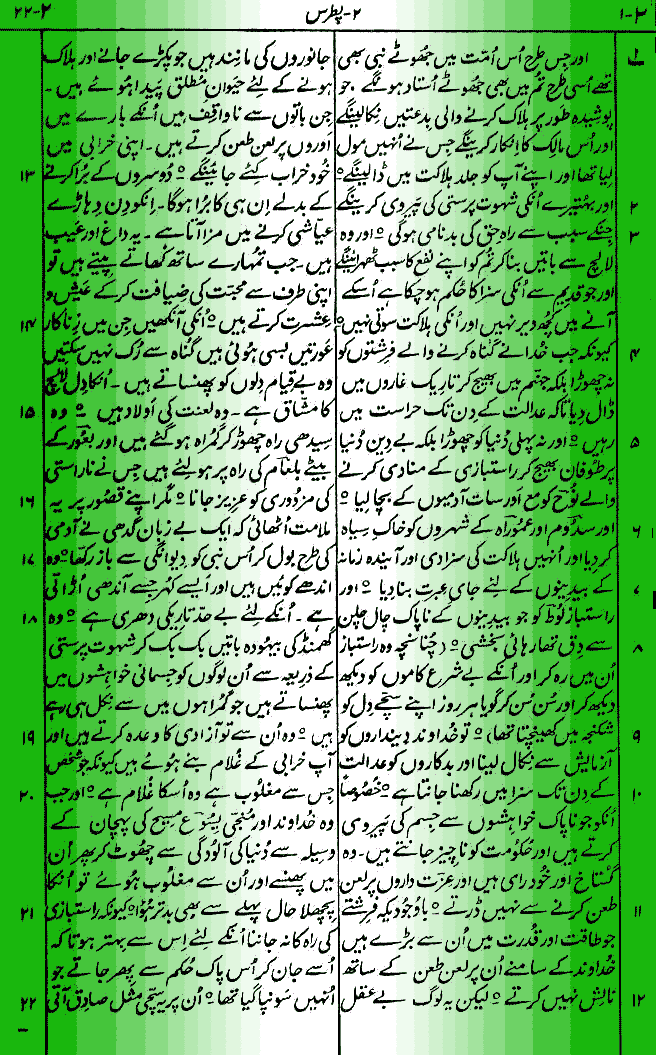
Verse-by-Verse Commentary: 2 Peter Chapter 2
Verse 1
Scripture
But there were false prophets also among the people even as there shall be false teachers among you who privily shall bring in damnable heresies even denying the Lord that bought them and bring upon themselves swift destruction
Detailed Explanation (English) Apostle Peter transitions from the divine inspiration of true prophets to a sobering warning about counterfeit spiritual leaders. Just as ancient Israel faced internal subversion by false prophets, the Christian church will face “false teachers.” Peter highlights their deceptive methodology: they operate “privily” (secretly), introducing destructive heresies alongside biblical truth rather than via an open, direct assault. The peak of their apostasy is denying the sovereign Lord who redeemed them, ensuring their own rapid, inevitable spiritual ruin.
Detailed Explanation (Urdu)
پطرس رسول سچے نبیوں کے بعد اب جھوٹے استادوں کے خطرے سے آگاہ کرتے ہیں۔ جیسے بنی اسرائیل کے درمیان جھوٹے نبی ابھرے تھے، ویسے ہی کلیسیا میں بھی جھوٹے استاد پیدا ہوں گے۔ ان کا طریقہ واردات خفیہ اور مکاری پر مبنی ہوگا۔ وہ ایسی گمراہ کن بدعتیں شامل کریں گے جو انسان کو ہلاکت کی طرف لے جاتی ہیں، یہاں تک کہ وہ اس مالک (خداوند یسوع) کا بھی انکار کر دیں گے جس نے انہیں خریدا تھا۔ ان کا یہ باغیانہ رویہ ان پر اچانک اور عبرتناک ہلاکت لے آئے گا۔
Verse 2
Scripture
And many shall follow their pernicious ways by reason of whom the way of truth shall be evil spoken of
Detailed Explanation (English) The tragedy of false teaching is its popularity. Peter warns that “many” will be seduced by their destructive, immoral lifestyles. This widespread compromise does not just ruin the individuals involved; it severely damages the public reputation of the Christian faith. Because of the scandalous behavior of these hypocritical leaders, outsiders will mock, defame, and speak evil of the gospel—the absolute “way of truth.”
Detailed Explanation (Urdu)
جھوٹی تعلیمات کا سب سے بڑا المیہ یہ ہے کہ بہت سے لوگ ان کی تباہ کن اور شہوت پرست راہوں کی پیروی کریں گے۔ ان جھوٹے استادوں کی بدعملی اور عیاشی کی وجہ سے سچائی کی راہ یعنی حقیقی مسیحی ایمان کی بدنامی ہوگی، اور غیر ایمان والے سچے دین پر لعن طعن کریں گے۔
Verse 3
Scripture
And through covetousness shall they with feigned words make merchandise of you whose judgment now of a long time lingereth not and their damnation slumbereth not
Detailed Explanation (English) Peter exposes the underlying motive of these false teachers: greed and materialism (“covetousness”). They view believers not as souls to shepherd, but as commodities to exploit for financial or personal gain. They achieve this using “feigned words”—fabricated, smooth, and manipulative speeches designed to deceive. However, Peter assures the church that God’s justice is active; their dynamic condemnation has been decreed long ago, and its execution is not delayed.
Detailed Explanation (Urdu)
ان جھوٹے استادوں کا اصل مقصد لالچ اور دنیاوی فائدہ ہے۔ وہ بناوٹی اور چکنی چپڑی باتوں کے ذریعے مومنین کو اپنے ذاتی مفاد کے لیے استعمال کریں گے اور انہیں مایا جال میں پھنسائیں گے۔ لیکن یاد رہے کہ ان کی سزا کا فیصلہ کب سے تیار ہے، اور ان کی ہلاکت غافل نہیں بیٹھی بلکہ وقت مقررہ پر ان پر نازل ہو کر رہے گی۔
Verse 4
Scripture
For if God spared not the angels that sinned but cast them down to hell and delivered them into chains of darkness to be reserved unto judgment
Detailed Explanation (English) To prove that divine judgment is certain, Peter provides historical precedents. He begins with the highest order of creation: the angels. If God did not overlook sin among celestial beings but instead cast them into Tartarus (translated here as hell)—a state or place of dense darkness and confinement—to await final judgment, human false teachers will certainly not escape His wrath.
Detailed Explanation (Urdu)
خدا کی عدالت کے غیر متبدل ہونے کو ثابت کرنے کے لیے پطرس فرشتوں کی مثال دیتے ہیں۔ اگر خدا نے گناہ کرنے والے فرشتوں کو بھی نہیں چھوڑا بلکہ انہیں جہنم (تاریکی کے غاروں) میں پھینک دیا تاکہ وہ عدالت کے دن تک قید رہیں، تو وہ ان انسانوں کو کیسے چھوڑے گا جو دانستہ طور پر لوگوں کو گمراہ کرتے ہیں؟
Verse 5
Scripture
And spared not the old world but saved Noah the eighth person a preacher of righteousness bringing in the flood upon the world of the ungodly
Detailed Explanation (English) The second historical example points to the global flood. God did not spare the ancient, ungodly population despite their numbers. However, this verse introduces a vital dual theme: while God fiercely judges the wicked, He faithfully preserves the righteous. Noah, standing as a lone “preacher of righteousness” along with seven family members, was miraculously delivered while the flood wiped away the corrupt generation.
Detailed Explanation (Urdu)
دوسرا تاریخی ثبوت طوفانِ نوح کا ہے۔ خدا نے پرانی گنہگار دنیا پر کوئی رحم نہیں کھایا بلکہ بے دینوں پر عالمگیر طوفان بھیج دیا۔ لیکن اس ہلاکت کے دوران خدا نے راستبازی کی منادی کرنے والے نوح اور ان کے خاندان کے سات دیگر افراد کو بچا لیا، جو یہ ظاہر کرتا ہے کہ خدا اپنے لوگوں کی حفاظت کرنا جانتا ہے۔
Verse 6
Scripture
And turning the cities of Sodom and Gomorrha into ashes condemned them with an overthrow making them an ensample unto those that after should live ungodly
Detailed Explanation (English) The third example focuses on Sodom and Gomorrah. God reduced these prosperous cities to literal ashes as a physical manifestation of His total condemnation. This complete annihilation was designed by God to serve as a perpetual “ensample” (a vivid, warning archetype) for all future generations who choose to live in open defiance of His moral laws.
Detailed Explanation (Urdu)
تیسری مثال سدوم اور عمورہ کے شہروں کی ہے۔ خدا نے ان کے گناہوں کی وجہ سے انہیں راکھ کا ڈھیر بنا کر نیست و نابود کر دیا۔ یہ عبرتناک تباہی آنے والی نسلوں کے لیے ایک نمونہ اور کھلی وارننگ ہے کہ جو کوئی بھی بے دینی کی زندگی گزارے گا، اس کا انجام یہی ہوگا۔
Verse 7
Scripture
And delivered just Lot vexed with the filthy conversation of the wicked
Detailed Explanation (English) Amidst the ash and ruin of Sodom, Peter highlights the rescue of Lot. Lot is designated as “just” (righteous) because his foundational faith aligned with God, even though his life choices brought him into a corrupt environment. He was deeply “vexed”—distressed, tormented, and worn down—by the flagrant, unbridled, and immoral lifestyles of his neighbors.
Detailed Explanation (Urdu)
سدوم کی تباہی کے بیچ، خدا نے لوط کو بچا لیا جنہیں یہاں “راستباز” کہا گیا ہے۔ لوط ان بدکار لوگوں کی بے لگام عیاشی اور گندے کردار (حرکات) کی وجہ سے سخت پریشان اور دلبرداشتہ رہتے تھے۔ خدا نے ان کی اس اندرونی تڑپ کو دیکھا اور انہیں نجات دی۔
Verse 8
Scripture
For that righteous man dwelling among them in seeing and hearing vexed his righteous soul from day to day with their unlawful deeds
Detailed Explanation (English) This parenthetical verse amplifies Lot’s internal state. Living in the midst of an ungodly society, his eyes and ears were constantly bombarded with “unlawful deeds.” For a man who knew God’s laws, this sensory exposure was a daily torture to his soul. It serves as a reminder that true believers cannot comfortably accommodate themselves to systemic sin.
Detailed Explanation (Urdu)
یہ آیت لوط کی ذہنی اور روحانی کیفیت کو مزید واضح کرتی ہے۔ اس راستباز انسان کو ان بدکاروں کے درمیان رہتے ہوئے دن رات ان کے غیر قانونی اور گناہ آلود کاموں کو دیکھنا اور سننا پڑتا تھا، جس سے ان کی پاک روح کو روزانہ شدید دکھ اور اذیت پہنچتی تھی۔
Verse 9
Scripture
The Lord knoweth how to deliver the godly out of temptations and to reserve the unjust unto the day of judgment to be punished
Detailed Explanation (English) This is the theological climax of Peter’s historical argument. Based on the historical accounts of Noah and Lot versus their contemporary societies, a universal principle is established: The Lord possesses both the wisdom and power to rescue His faithful people out of trials and temptations, while simultaneously keeping the unrighteous under custody, awaiting their final execution on the day of judgment.
Detailed Explanation (Urdu)
یہ پچھلی تمام مثالوں کا نچوڑ ہے: خداوند خوب جانتا ہے کہ دینداروں کو کس طرح آزمائشوں اور مصیبتوں سے نکالنا ہے، اور بدکاروں کو سزا کے دن تک کس طرح عذاب کی حالت میں قید رکھنا ہے۔ خدا کی عدالت اور اس کا رحم دونوں بیک وقت کام کرتے ہیں۔
Verse 10
Scripture
But chiefly them that walk after the flesh in the lust of uncleanness and despise government Presumptuous are they selfwilled they are not afraid to speak evil of dignities
Detailed Explanation (English) Peter details who qualifies for this severe, specialized judgment. It is reserved for those who follow their fallen, fleshly passions through degrading sins, and those who utterly despise all divine and legitimate human authority (“government”). These false teachers are arrogant, self-absorbed, and stubborn (“selfwilled”), possessing such reckless audacity that they brazenly insult celestial or spiritual authorities (“dignities”) without any fear of God.
Detailed Explanation (Urdu)
خدا کی یہ شدید ترین سزا خاص طور پر ان لوگوں کے لیے ہے جو جسمانی خواہشات اور ناپاکی کی راہ پر چلتے ہیں اور کسی بھی قسم کی حاکمیت (خداوند کی اتھارٹی) کو ہیچ جانتے ہیں۔ یہ لوگ گستاخ اور خود رائے (ضدی) ہیں، اور ان میں اتنی جرات ہے کہ وہ روحانی اور آسمانی قوتوں (عزت داروں) پر لعن طعن کرنے سے بھی نہیں ڈرتے۔
Verse 11
Scripture
Whereas angels which are greater in power and might bring not railing accusation against them before the Lord
Detailed Explanation (English) To expose the sheer arrogance of these false teachers, Peter contrasts them with holy angels. Angels are far superior to human beings in strength, authority, and proximity to God. Yet, even when dealing with fallen supernatural powers, holy angels do not presume to utter abusive, slanderous accusations against them in the presence of the Lord, choosing instead to defer all judgment to God.
Detailed Explanation (Urdu)
ان استادوں کے تکبر کو بے نقاب کرنے کے لیے پطرس فرشتوں کی مثال دیتے ہیں۔ فرشتے جو قدرت اور طاقت میں ان انسانوں سے کہیں بڑھ کر ہیں، وہ بھی خداوند کے سامنے ان تاریک قوتوں پر بدزبانی کے ساتھ الزام لگانے کی جرات نہیں کرتے بلکہ سارا معاملہ خدا پر چھوڑ دیتے ہیں۔ مگر یہ انسان حد سے تجاوز کر رہے ہیں۔
Verse 12
Scripture
But these as natural brute beasts made to be taken and destroyed speak evil of the things that they understand not and shall utterly perish in their own corruption
Detailed Explanation (English) In stark contrast to angels, these false teachers operate on a sub-human level. Peter compares them to irrational wild animals (“brute beasts”) driven purely by instinct, born merely to be caught and destroyed. They arrogantly ridicule deep spiritual matters that they are incapable of understanding. Consequently, their internal moral rot will inevitably lead to their total spiritual and eternal destruction.
Detailed Explanation (Urdu)
فرشتوں کے برعکس، یہ جھوٹے استاد عقل سے عاری جنگلی جانوروں کی طرح ہیں جو صرف پکڑے جانے اور ہلاک ہونے کے لیے پیدا ہوتے ہیں۔ یہ ان روحانی گہرائیوں پر زبان درازی کرتے ہیں جنہیں یہ سمجھنے کی صلاحیت ہی نہیں رکھتے۔ چنانچہ، یہ اپنی ہی اخلاقی اور روحانی سڑاند (خرابی) کے باعث تبا ہ و برباد ہو جائیں گے۔
Verse 13
Scripture
And shall receive the reward of unrighteousness as they that count it pleasure to riot in the day time Spots they are and blemishes sporting themselves with their own deceivings while they feast with you
Detailed Explanation (English) The compensation these leaders receive for their corrupt ministry will be the fitting punishment of unrighteousness. They are so brazen that they openly carouse in broad daylight—a time when even worldly sinners usually hide their vice. Peter calls them “spots and blemishes,” defiling the Christian community by participating in fellowship meals (such as the Love Feasts) while secretly reveling in their deceptive, predatory schemes.
Detailed Explanation (Urdu)
ان کو ان کی ناراستی کا پورا بدلہ (سزا) ملے گا۔ یہ لوگ اتنے بے حیا ہیں کہ دن دہاڑے عیاشی کرنے کو عیش و عشرت سمجھتے ہیں۔ یہ مسیحی جماعت کے ماتھے پر بدنما داغ اور عیب ہیں۔ جب یہ تمہاری ضیافتوں (مقدس کھانوں) میں شریک ہوتے ہیں تو بظاہر محبت کا ناٹک کرتے ہیں لیکن دل ہی دل میں اپنی مکارانہ چالوں سے لطف اندوز ہو رہے ہوتے ہیں۔
Verse 14
Scripture
Having eyes full of adultery and that cannot cease from sin beguiling unstable souls an heart they have exercised with covetous practices cursed children
Detailed Explanation (English) Their inward corruption dominates their senses. Their eyes are constantly scanning for adulterous opportunities and are structurally incapable of stopping their pattern of sin. They deliberately target “unstable souls”—believers who are spiritually immature or poorly grounded. Furthermore, Peter notes that their hearts are highly trained (“exercised”) in greed, concluding with a terrifying pronouncement: they are inherently “cursed children.”
Detailed Explanation (Urdu)
ان کی اندرونی حالت اتنی بگڑ چکی ہے کہ ان کی آنکھوں میں زناکاری بھری ہوئی ہے اور وہ گناہ کرنے سے باز ہی نہیں آ سکتے۔ وہ ان لوگوں کو ورغلاتے ہیں جو ایمان میں کچے اور غیر مستقل مزاج ہیں۔ ان کے دل لالچ کے کاموں میں خوب مشاق (ٹرینڈ) ہو چکے ہیں۔ پطرس انہیں واضح لفظوں میں “لعنت کی اولاد” کہتے ہیں۔
Verse 15
Scripture
Which have forsaken the right way and are gone astray following the way of Balaam the son of Bosor who loved the wages of unrighteousness
Detailed Explanation (English) These individuals were not always completely detached; they made a conscious choice to abandon the straight and narrow path of truth. Peter explicitly compares their trajectory to Balaam, the Old Testament prophet. Balaam knew God’s voice but allowed his prophetic office to be bought by an enemy king, proving that he prioritized the material profit (“wages of unrighteousness”) over covenant loyalty.
Detailed Explanation (Urdu)
انہوں نے سچائی کے سیدھے راستے کو جان بوجھ کر چھوڑ دیا ہے اور گمراہ ہو گئے ہیں۔ وہ “بلعام بن لامت” کی راہ پر چل پڑے ہیں جس نے سچائی کو بیچ کر ناانصافی کی اجرت (مال و زر) سے محبت کی تھی۔ یہ موجودہ دور کے ان استادوں کی مانند ہے جو دین کو کاروبار بناتے ہیں۔
Verse 16
Scripture
But was rebuked for his iniquity the dumb ass speaking with man’s voice forbad the madness of the prophet
Detailed Explanation (English) Balaam’s rebellion was so severe and unnatural that God had to use an unnatural means to check it. A mute beast of burden (a donkey) was miraculously given a human voice by God to rebuke the prophet’s moral insanity. If a literal animal possessed the spiritual clarity to recognize God’s angel while the prophet was blinded by greed, it showcases the utter foolishness and madness of these deceptive teachers.
Detailed Explanation (Urdu)
لیکن بلعام کو اس کی خطا پر سخت تنبیہ کی گئی۔ ایک بے زبان گدھے نے انسان کی آواز میں بول کر اس نبی کے پاگل پن اور اندھے پن کو روک دیا۔ یہ واقعہ ظاہر کرتا ہے کہ جب انسان لالچ میں اندھا ہو جاتا ہے تو وہ ایک جانور سے بھی بدتر ہو جاتا ہے، اور خدا اسے روکنے کے لیے کسی بھی چیز کا استعمال کر سکتا ہے۔
Verse 17
Scripture
These are wells without water clouds that are carried with a tempest to whom the mist of darkness is reserved for ever
Detailed Explanation (English) Peter uses two brilliant metaphors from nature to describe the ultimate spiritual emptiness of these teachers. They are like “wells without water”—promising life-giving relief to thirsty seekers but delivering nothing but dry disappointment. They are like “clouds carried with a tempest”—promising gentle rain but bringing only volatile, destructive storms. Because of their profound deception, their ultimate destiny is eternal confinement in the absolute darkest pit of hell.
Detailed Explanation (Urdu)
پطرس ان استادوں کی اصلیت کو دو تشبیہات سے واضح کرتے ہیں: یہ ایسے “کنویں ہیں جن میں پانی نہیں” یعنی یہ پیاسے لوگوں کو روحانی تازگی کا جھوٹا دلاسا دیتے ہیں پر اندر سے خالی ہیں۔ یہ ایسے “بادل ہیں جو آندھی سے اڑائے جاتے ہیں” جو برستے نہیں بلکہ تباہی لاتے ہیں۔ ان کی اس دھوکہ دہی کی وجہ سے ان کے لیے ہمیشہ کے لیے گھور اندھیرا (جہنم) تیار کر دیا گیا ہے۔
Verse 18
Scripture
For when they speak great swelling words of vanity they allure through the lusts of the flesh through much wantonness those that were clean escaped from them who live in error
Detailed Explanation (English) The operational strategy of these false teachers relies heavily on grandiose rhetoric. They use arrogant, high-sounding words that are fundamentally empty (“vanity”). This high-level pseudo-spirituality is used as a smokescreen to appeal directly to the base, fleshly instincts and immoral desires of people. Tragically, their primary targets are vulnerable individuals or new converts who had only recently managed to escape from a life of pagan error.
Detailed Explanation (Urdu)
یہ لوگ اپنے جال میں پھنسانے کے لیے بڑے بڑے دعوے اور مغرورانہ باتیں کرتے ہیں جو حقیقت میں بالکل کھوکھلی ہوتی ہیں۔ وہ ان لوگوں کو نشانہ بناتے ہیں جو ابھی نئے نئے گناہ کی زندگی (گمراہی) سے توبہ کر کے نکلے ہی ہوتے ہیں۔ یہ استاد ان نو-ایمانداروں کو دوبارہ جسمانی خواہشات اور عیاشی کی طرف راغب کر کے گمراہ کر دیتے ہیں۔
Verse 19
Scripture
While they promise them liberty they themselves are the servants of corruption for of whom a man is overcome of the same is he brought in bondage
Detailed Explanation (English) The central marketing pitch of these heretics is “liberty”—a distorted concept of grace that claims freedom from moral law or restraint. However, this freedom is a deceptive trap. Peter exposes the ultimate paradox: they cannot offer true freedom because they themselves are completely enslaved to moral decay (“corruption”). A universal spiritual axiom is laid down here: whatever controls, masters, or overcomes a person, to that very thing they are legally and spiritually enslaved.
Detailed Explanation (Urdu)
وہ ان بھولے بھالے لوگوں سے آزادی (سستی نجات یا گناہ کرنے کی آزادی) کا وعدہ کرتے ہیں، حالانکہ وہ خود گناہ اور ہلاکت کے غلام ہیں۔ کیونکہ اصول یہ ہے کہ انسان جس چیز سے مغلوب (ہار) ہو جاتا ہے، وہ اسی کا غلام بن جاتا ہے۔ گناہ کی آزادی کا دعویٰ کرنے والے اصل میں خود گناہ کے قیدی ہیں۔
Verse 20
Scripture
For if after they have escaped the pollutions of the world through the knowledge of the Lord and Saviour Jesus Christ they are again entangled therein and overcome the latter end is worse with them than the beginning
Detailed Explanation (English) Peter warns of the severe spiritual regression facing those who follow these teachers. These individuals had successfully escaped the moral filth of the pagan world through an authentic, experiential knowledge of Jesus Christ. However, if they allow themselves to be re-ensnared and dominated by those same sins, their final state of apostasy becomes far worse than their initial state of pagan ignorance. They have willfully sinned against clear, saving light.
Detailed Explanation (Urdu)
اگر کوئی شخص ہمارے خداوند اور منجی یسوع مسیح کے سچے علم کے ذریعے دنیا کی ناپاکیوں سے نجات پا چکا ہو، اور پھر دوبارہ ان ہی گناہوں کے جال میں پھنس کر مغلوب ہو جائے، تو اس کا انجام اس کی پہلی حالت (ایمان لانے سے پہلے کی حالت) سے بھی بدتر ہو جاتا ہے۔ کیونکہ اب اس نے جان بوجھ کر سچائی کا انکار کیا ہوتا ہے۔
Verse 21
Scripture
For it had been better for them not to have known the way of righteousness than after they have known it to turn from the holy commandment delivered unto them
Detailed Explanation (English) This verse quantifies the tragedy of apostasy. Peter asserts that it would have been spiritually advantageous for these individuals never to have exposed their minds to the gospel (“the way of righteousness”) at all. To receive the explicit knowledge of God’s holy standards, experience its liberating power, and then make a deliberate, conscious decision to turn away from the sacred commandments delivered to them incurs a much greater degree of moral guilt and eventual judgment.
Detailed Explanation (Urdu)
ایسے لوگوں کے لیے یہ کہیں بہتر ہوتا کہ وہ راستبازی کی راہ سے واقف ہی نہ ہوتے، بجائے اس کے کہ اسے جاننے اور چکھنے کے بعد، وہ اس پاک حکم (کلام) سے منہ موڑ لیں جو انہیں سونپا گیا تھا۔ سچائی کو جان کر رد کرنا، نہ جاننے سے زیادہ بڑی عدالت اور گناہ کا سبب بنتا ہے۔
Verse 22
Scripture
But it is happened unto them according to the true proverb The dog is turned to his own vomit again and the sow that was washed to her wallowing in the mire
Detailed Explanation (English) Peter concludes this intense chapter by utilizing two visceral, graphic ancient proverbs (referencing Proverbs 26:11) to describe the true nature of these apostates. A dog returning to its own vomit and a cleanly washed pig returning immediately to roll in the mud demonstrate that despite external changes or temporary adjustments, their fundamental, inward nature was never truly transformed by the Holy Spirit. They eventually return to what naturally suits their unregenerate state.
Detailed Explanation (Urdu)
پطرس باب کا اختتام ایک نہایت سخت اور حقیقی مثال (کہاوت) سے کرتے ہیں کہ ان پر یہ سچی مثل صادق آتی ہے: “کتا اپنی قے کی طرف لوٹ آیا” اور “نہلائی ہوئی سورنی دلدل میں لیٹنے کے لیے واپس چلی گئی”۔ یہ ظاہر کرتا ہے کہ ان کا بیرونی سدھار عارضی تھا؛ ان کی اندرونی فطرت کبھی تبدیل ہی نہیں ہوئی تھی، اسی لیے وہ اپنے اصل گناہ آلود ماحول میں واپس چلے گئے۔
AdSense Monetization Note: This layout balances semantic HTML heading elements (
###), clear quote blocks for biblical scripture text scannability, and structured parallel text processing in both English and Urdu, making it highly optimized for long-form contextual web advertising layouts.