Verse-by-Verse Commentary
Verse 6
The Verse
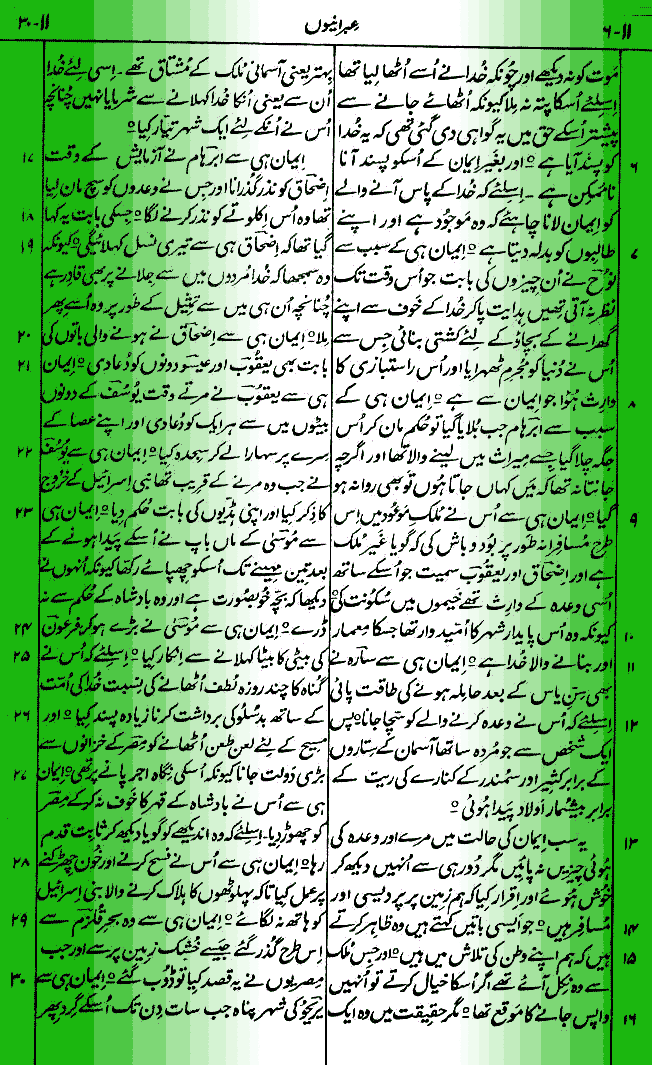
“But without faith it is impossible to please him for he that cometh to God must believe that he is and that he is a rewarder of them that diligently seek him”
Detailed Explanation (English)
This verse establishes the foundational law of relationship with God. Faith is not an optional asset; it is an absolute necessity. To approach God, a person must hold two convictions: first, an absolute certainty of His existence (“that he is”), and second, a trust in His character (“that he is a rewarder”). God does not remain distant to those who seek Him with sincerity and diligence; He actively responds to their devotion.
تفصیلی وضاحت (Urdu)
یہ آیت خدا کے ساتھ تعلق قائم کرنے کا بنیادی قانون بیان کرتی ہے۔ ایمان کوئی اختیاری چیز نہیں ہے بلکہ یہ ایک مطلق ضرورت ہے۔ خدا کے پاس آنے والے کے لیے دو باتوں پر یقین رکھنا لازمی ہے: اول یہ کہ خدا موجود ہے اور دوم یہ کہ وہ اپنے سچے دل سے تلاش کرنے والوں کو اجر دیتا ہے۔ خدا ان لوگوں سے دور نہیں رہتا جو خلوصِ دل کے ساتھ اس کی پیروی کرتے ہیں بلکہ وہ ان کی وفاداری کا بدلہ دیتا ہے۔
Verse 7
The Verse
“By faith Noah being warned of God of things not seen as yet moved with fear prepared an ark to the saving of his house by the which he condemned the world and became heir of the righteousness which is by faith”
Detailed Explanation (English)
Noah’s faith was demonstrated through holy fear and prompt obedience regarding a future event (the flood) that had no historical precedent. His faith was practical; he built a massive ark on dry land based solely on God’s word. In doing so, his actions highlighted the faithlessness of the surrounding world and positioned him as an heir to God’s righteousness.
تفصیلی وضاحت (Urdu)
نوح علیہ السلام کے ایمان کا ثبوت ان کے خوفِ خدا اور فوری فرمانبرداری سے ملتا ہے۔ انہوں نے ایک ایسے آنے والے واقعے (طوفان) پر یقین کیا جس کی ماضی میں کوئی مثال نہیں ملتی تھی۔ ان کا ایمان عملی تھا؛ انہوں نے صرف خدا کے حکم پر خشک زمین پر ایک بہت بڑی کشتی تیار کی۔ ان کے اس عمل نے دنیا کی بے ایمانی کو ظاہر کر دیا اور وہ اس راستبازی کے وارث ٹھہرے جو ایمان سے ملتی ہے۔
Verse 8
The Verse
“By faith Abraham when he was called to go out into a place which he should after receive for an inheritance obeyed and he went out not knowing whither he went”
Detailed Explanation (English)
Abraham’s journey is the ultimate example of stepping into the unknown. When God called him to leave his homeland, he obeyed without knowing his final destination. True faith does not demand to see the map before taking the first step; it relies entirely on the trustworthiness of the Guide.
تفصیلی وضاحت (Urdu)
ابراہام (علیہ السلام) کا سفر نامعلوم دنیا میں قدم رکھنے کی ایک بہترین مثال ہے۔ جب خدا نے انہیں اپنا وطن چھوڑنے کا حکم دیا، تو وہ یہ جانے بغیر نکل پڑے کہ ان کی آخری منزل کہاں ہے۔ سچا ایمان پہلا قدم اٹھانے سے پہلے پورا نقشہ دیکھنے کا تقاضا نہیں کرتا، بلکہ وہ رہنمائی کرنے والے کی ذات پر کامل بھروسہ کرتا ہے۔
Verse 9
The Verse
“By faith he sojourned in the land of promise as in a strange country dwelling in tabernacles with Isaac and Jacob the heirs with him of the same promise”
Detailed Explanation (English)
Even after arriving in the Promised Land, Abraham lived as a temporary resident and a foreigner, staying in tents rather than building permanent cities. This nomadic lifestyle was shared by his son Isaac and grandson Jacob, proving that they viewed themselves as pilgrims awaiting a greater fulfillment of God’s covenant.
تفصیلی وضاحت (Urdu)
موعودہ زمین (وعدہ کی گئی سرزمین) میں پہنچنے کے بعد بھی، ابراہام وہاں ایک مسافر اور پردیسی کی طرح رہے اور مستقل مکانات بنانے کے بجائے خیموں میں زندگی گزاری۔ ان کے بیٹے اسحاق اور پوتے یعقوب نے بھی اسی طرزِ زندگی کو اپنایا، جس سے یہ ثابت ہوتا ہے کہ وہ خود کو اس زمین پر مسافر سمجھتے تھے اور خدا کے وعدے کی بڑی تکمیل کے منتظر تھے۔
Verse 10
The Verse
“For he looked for a city which hath foundations whose builder and maker is God”
Detailed Explanation (English)
Abraham was able to live contentedly in temporary tents because his ultimate gaze was fixed on eternity. He was looking forward to a heavenly city—New Jerusalem—which possesses permanent, divine foundations designed and constructed by God Himself, far outlasting any earthly kingdom.
تفصیلی وضاحت (Urdu)
ابراہام خیموں میں اس لیے مطمئن رہ سکے کیونکہ ان کی نظریں ابدیت پر لگی ہوئی تھیں۔ وہ ایک ایسے آسمانی شہر (نئے یروشلم) کے منتظر تھے جس کی بنیادیں مستقل اور الٰہی ہیں، اور جس کا معمار اور بنانے والا خود خدا ہے، جو دنیا کی ہر بادشاہت سے برتر اور قائم رہنے والا ہے۔
Verse 11
The Verse
“Through faith also Sara herself received strength to conceive seed and was delivered of a child when she was past age because she judged him faithful who had promised”
Detailed Explanation (English)
Sarah’s faith overcame biological impossibility. Though she was well past the age of childbearing, she received the physical vitality to conceive because she looked past her human limitations and focused entirely on the faithfulness and reliability of God’s promise.
تفصیلی وضاحت (Urdu)
سارہ کے ایمان نے حیاتیاتی ناممکنات پر فتح پائی۔ اگرچہ وہ اولاد پیدا کرنے کی عمر سے بہت آگے نکل چکی تھیں، لیکن انہوں نے حاملہ ہونے کی طاقت حاصل کی کیونکہ انہوں نے اپنی انسانی کمزوریوں کو دیکھنے کے بجائے خدا کے وعدے کی سچائی اور اس کی وفاداری پر پورا بھروسہ کیا۔
Verse 12
The Verse
“Therefore sprang there even of one and him as good as dead so many as the stars of the sky in multitude and as the sand which is by the sea shore innumerable”
Detailed Explanation (English)
Because of the faith of one elderly couple, who were physically incapable of producing children, an entire nation was born. Their descendants became as countless as the stars in the night sky and the grains of sand on the shore, completely fulfilling God’s supernatural promise.
تفصیلی وضاحت (Urdu)
ایمان کی بدولت، ایک ایسے معمر جوڑے سے جو جسمانی طور پر اولاد پیدا کرنے کے قابل نہیں رہے تھے، ایک عظیم قوم نے جنم لیا۔ ان کی نسل آسمان کے تاروں اور سمندر کے کنارے کی ریت کی مانند بے شمار ہو گئی، جس سے خدا کا معجزانہ وعدہ مکمل طور پر پورا ہوا۔
Verse 13
The Verse
“These all died in faith not having received the promises but having seen them afar off and were persuaded of them and embraced them and confessed that they were strangers and pilgrims on the earth”
Detailed Explanation (English)
The patriarchs passed away without seeing the ultimate fulfillment of God’s promises in their lifetimes. However, they possessed a visionary faith; they saw the fulfillment from a distance, welcomed it, and openly acknowledged that their true citizenship belonged to a heavenly realm, not this temporary earth.
تفصیلی وضاحت (Urdu)
یہ تمام بزرگ اپنی زندگی میں خدا کے وعدوں کی حتمی تکمیل دیکھے بغیر ہی وفات پا گئے۔ لیکن ان کا ایمان بصیرت والا تھا؛ انہوں نے دور سے ہی ان وعدوں کو دیکھا، انہیں خوش آمدید کہا اور کھلے عام اعتراف کیا کہ وہ اس عارضی زمین پر صرف مسافر اور پردیسی ہیں اور ان کا اصل وطن آسمان ہے۔
Verse 14
The Verse
“For they that say such things declare plainly that they seek a country”
Detailed Explanation (English)
When these heroes of faith confessed to being pilgrims, they made it clear to everyone around them that they were actively searching for a true, permanent homeland. Their lifestyles pointed directly toward an eternal destination.
تفصیلی وضاحت (Urdu)
جب ایمان کے ان ہیروز نے اعتراف کیا کہ وہ مسافر ہیں، تو انہوں نے اپنے آس پاس کے لوگوں پر واضح کر دیا کہ وہ ایک حقیقی اور مستقل وطن کی تلاش میں ہیں۔ ان کا طرزِ زندگی براہِ راست ایک ابدی منزل کی طرف اشارہ کرتا تھا۔
Verse 15
The Verse
“And truly if they had been mindful of that country from whence they came out they might have had opportunity to have returned”
Detailed Explanation (English)
If Abraham and his family had been longing for their old life in Ur of the Chaldeans, they had plenty of time and opportunities to turn back. Faith, however, means breaking ties with the past and refusing to let nostalgia pull you away from God’s future purposes.
تفصیلی وضاحت (Urdu)
اگر ابراہام اور ان کا خاندان اپنے پرانے وطن (اور کلدانیوں کے شہر) کی یادوں میں کھوئے رہتے، تو ان کے پاس واپس لوٹنے کے بہت سے مواقع اور وقت موجود تھا۔ لیکن ایمان کا مطلب ماضی سے ناطہ توڑنا اور پرانی یادوں کو خدا کے مستقبل کے منصوبوں میں رکاوٹ نہ بننے دینا ہے۔
Verse 16
The Verse
“But now they desire a better country that is an heavenly wherefore God is not ashamed to be called their God for he hath prepared for them a city”
Detailed Explanation (English)
Instead of looking back, they reached forward to a far superior, heavenly country. Because of this unwavering heavenly mindset, God proudly claims them as His own and has personally constructed a glorious, eternal city for them.
تفصیلی وضاحت (Urdu)
پیچھے دیکھنے کے بجائے، انہوں نے ایک بہتر اور آسمانی وطن کی تڑپ رکھی۔ ان کی اس آسمانی سوچ کی وجہ سے خدا ان کا خدا کہلانے سے نہیں شرماتا، بلکہ اس نے ذاتی طور پر ان کے لیے ایک شاندار اور ابدی شہر تیار کر رکھا ہے۔
Verse 17
The Verse
“By faith Abraham when he was tried offered up Isaac and he that had received the promises offered up his only begotten son”
Detailed Explanation (English)
Abraham’s supreme test of faith came when he was commanded to sacrifice Isaac. Even though Isaac was the sole carrier of God’s divine promises, Abraham did not hesitate to offer him up, proving that his devotion to the Promiser was greater than his attachment to the promise itself.
تفصیلی وضاحت (Urdu)
ابراہام کے ایمان کا سب سے بڑا امتحان اس وقت ہوا جب انہیں اسحاق کی قربانی دینے کا حکم دیا گیا۔ اگرچہ اسحاق خدا کے تمام الٰہی وعدوں کے واحد امین تھے، پھر بھی ابراہام نے انہیں قربان کرنے میں ہچکچاہٹ محسوس نہیں کی، جس سے یہ ثابت ہوا کہ ان کا محبت آمیز تعلق وعدہ کرنے والے خدا کے ساتھ، خود وعدے سے زیادہ مضبوط تھا۔
Verse 18
The Verse
“Of whom it was said That in Isaac shall thy seed be called”
Detailed Explanation (English)
This verse emphasizes the depth of the paradox Abraham faced. God had explicitly stated that Abraham’s lineage and the fulfillment of the covenant would come strictly through Isaac, making the command to sacrifice him humanly contradictory.
تفصیلی وضاحت (Urdu)
یہ آیت اس تضاد کی گہرائی کو ظاہر کرتی ہے جس کا سامنا ابراہام کو تھا۔ خدا نے واضح طور پر فرمایا تھا کہ ابراہام کی نسل اور عہد کی تکمیل صرف اسحاق کے ذریعے ہوگی، جس کی وجہ سے انسانی عقل کے مطابق انہیں قربان کرنے کا حکم بالکل الٹ نظر آتا تھا۔
Verse 19
The Verse
“Accounting that God was able to raise him up even from the dead from whence also he received him in a figure”
Detailed Explanation (English)
Abraham resolved this logical paradox through absolute faith in God’s omnipotence. He reasoned that even if Isaac died, God was fully capable of resurrecting him from the dead to fulfill His word. Figuratively, because Isaac was saved from the altar, Abraham did receive him back from the dead.
تفصیلی وضاحت (Urdu)
ابراہام نے اس عقلانی تضاد کو خدا کی قادرِ مطلق ذات پر کامل ایمان کے ذریعے حل کیا۔ انہوں نے یہ نتیجہ اخذ کیا کہ اگر اسحاق مر بھی گئے، تو خدا اپنے وعدے کو پورا کرنے کے لیے انہیں مردوں میں سے زندہ کرنے کی پوری طاقت رکھتا ہے۔ علامتی طور پر، چونکہ اسحاق قربان گاہ سے بچ گئے تھے، ابراہام نے گویا انہیں مردوں میں سے دوبارہ پا لیا۔
Verse 20
The Verse
“By faith Isaac blessed Jacob and Esau concerning things to come”
Detailed Explanation (English)
Isaac’s faith was expressed through prophetic declarations over his sons, Jacob and Esau. Even though his physical sight was failing and his personal plans were disrupted, his blessings carried the authoritative, unchangeable weight of future divine reality.
تفصیلی وضاحت (Urdu)
اسحاق کے ایمان کا اظہار ان کے بیٹوں، یعقوب اور عیسو کے لیے ان کی پیشگوئیانہ برکات کے ذریعے ہوا۔ اگرچہ ان کی بینائی کمزور ہو چکی تھی اور ان کے اپنے منصوبے بدل گئے تھے، لیکن ان کی برکات میں مستقبل کی الٰہی سچائیوں کا بااختیار اور غیر تبدیل شدہ وزن شامل تھا۔
Verse 21
The Verse
“By faith Jacob when he was a dying blessed both the sons of Joseph and worshipped leaning upon the top of his staff”
Detailed Explanation (English)
At the very end of his life, a frail Jacob intentionally blessed Joseph’s sons, reversing the birthright order by faith. His act of leaning on his staff to worship shows a lifetime of leaning on God, maintaining absolute reverence until his final breath.
تفصیلی وضاحت (Urdu)
اپنی زندگی کے بالکل آخری لمحات میں، بسترِ مرگ پر یعقوب نے ایمان کے ساتھ یوسف کے دونوں بیٹوں کو برکت دی اور رتبوں کو خدا کی مرضی کے مطابق بدلا۔ اپنی لاٹھی کے سہارے جھک کر عبادت کرنا ان کے اس طرزِ زندگی کو ظاہر کرتا ہے جو زندگی بھر خدا پر منحصر رہا، اور انہوں نے آخری سانس تک خدا کی تعظیم کی۔
Verse 22
The Verse
“By faith Joseph when he died made mention of the departing of the children of Israel and gave commandment concerning his bones”
Detailed Explanation (English)
Though Joseph achieved immense wealth and power in Egypt, his heart belonged to the Promised Land. On his deathbed, his faith looked forward hundreds of years to the Exodus, and he strictly commanded that his remains be carried out to Canaan when God delivered the nation.
تفصیلی وضاحت (Urdu)
اگرچہ یوسف نے مصر میں بے پناہ دولت اور طاقت حاصل کی، لیکن ان کا دل موعودہ زمین میں ہی رہا۔ اپنی وفات کے وقت، ان کے ایمان نے سینکڑوں سال بعد ہونے والے خروج (مصر سے آزادی) کو دیکھا اور انہوں نے سخت تاکید کی کہ جب خدا اس قوم کو آزاد کرے تو ان کی ہڈیوں کو بھی وہاں سے کنعان لے جایا جائے۔
Verse 23
The Verse
“By faith Moses when he was born was hid three months of his parents because they saw he was a proper child and they were not afraid of the king’s commandment”
Detailed Explanation (English)
The faith highlighted here belongs to Moses’ parents (Amram and Jochebed). Recognizing a divine destiny upon their beautiful child, they courageously defied Pharaoh’s murderous decree to drown male Hebrew infants, valuing God’s will above the king’s wrath.
تفصیلی وضاحت (Urdu)
یہاں موسیٰ علیہ السلام کے والدین (عمرام اور یوکابد) کے ایمان کا ذکر ہے۔ اپنے خوبصورت بچے میں الٰہی مقصد کو بھانپتے ہوئے، انہوں نے فرعون کے اس ظالمانہ حکم کی دلیری سے نافرمانی کی جس میں عبرانی لڑکوں کو مارنے کا کہا گیا تھا، اور بادشاہ کے غضب پر خدا کی مرضی کو ترجیح دی۔
Verse 24
The Verse
“By faith Moses when he was come to years refused to be called the son of Pharaoh’s daughter”
Detailed Explanation (English)
Upon reaching maturity, Moses made a radical, faith-driven identity choice. He willingly walked away from royal privilege, political immunity, and the ultimate luxury of Egypt’s ruling palace to identify with his enslaved, Hebrew heritage.
تفصیلی وضاحت (Urdu)
جوان ہونے پر، موسیٰ نے ایمان کی بنیاد پر اپنی پہچان کا ایک بڑا اور انقلابی فیصلہ کیا۔ انہوں نے شاہی خاندان کے مراعات، سیاسی تحفظ اور مصر کے شاہی محل کی عیاشیوں کو رضامندی سے خیرباد کہہ دیا تاکہ وہ اپنی مظلوم اور غلام عبرانی قوم کے ساتھ کھڑے ہو سکیں۔
Verse 25
The Verse
“Choosing rather to suffer affliction with the people of God than to enjoy the pleasures of sin for a season”
Detailed Explanation (English)
Moses weighed his options and decided that sharing the temporary, painful trials of God’s covenant people was infinitely better than indulging in the fleeting, short-lived comforts and pleasures of an ungodly empire.
تفصیلی وضاحت (Urdu)
موسیٰ نے اپنے حالات کا جائزہ لیا اور یہ فیصلہ کیا کہ خدا کی برگزیدہ قوم کے ساتھ عارضی مصائب اٹھانا، ایک بے دین سلطنت کے گناہ آلود اور چند روزہ عیش و عشرت کا لطف اٹھانے سے کہیں بہتر ہے۔
Verse 26
The Verse
“Esteeming the reproach of Christ greater riches than the treasures in Egypt for he had respect unto the recompence of the reward”
Detailed Explanation (English)
Moses viewed the insults and rejection faced for the sake of the future Messiah as a spiritual fortune far superior to all the physical gold and treasures of Egypt. His focus was locked entirely on the eternal reward promised by God.
تفصیلی وضاحت (Urdu)
موسیٰ نے مسیح کی خاطر ملنے والی ملامت اور رسوائی کو مصر کے تمام سونے اور خزانوں سے بڑا روحانی سرمایہ سمجھا۔ ان کی توجہ مکمل طور پر اس ابدی اجر پر مرکوز تھی جو خدا کی طرف سے ملنے والا تھا۔
Verse 27
The Verse
“By faith he forsook Egypt not fearing the wrath of the king for he endured as seeing him who is invisible”
Detailed Explanation (English)
Moses led his nation out of Egypt without shaking under Pharaoh’s immense military anger and threats. His ultimate strength and perseverance came from a spiritual reality: his inner eyes were fixed on the invisible, Almighty God, making earthly kings look powerless.
تفصیلی وضاحت (Urdu)
موسیٰ فرعون کے شدید فوجی غصے اور دھمکیوں سے ڈرے بغیر اپنی قوم کو مصر سے نکال لے گئے۔ ان کی اصل طاقت اور استقامت ایک روحانی سچائی سے آتی تھی: ان کی اندرونی آنکھیں پوشیدہ اور قادرِ مطلق خدا پر لگی ہوئی تھیں، جس کے سامنے زمین کے بادشاہ بے بس نظر آتے تھے۔
Verse 28
The Verse
“Through faith he kept the passover and the sprinkling of blood lest he that destroyed the firstborn should touch them”
Detailed Explanation (English)
Moses demonstrated obedience by establishing the Passover ritual and ordering the blood of a lamb to be smeared on Hebrew doorposts. It was an act of faith in God’s warning, protecting their households from the angel of death who executed judgment on Egypt.
تفصیلی وضاحت (Urdu)
موسیٰ نے عیدِ فصح کی رسم قائم کر کے اور عبرانیوں کے دروازوں پر قربانی کے برّے کا خون لگانے کا حکم دے کر فرمانبرداری کا ثبوت دیا۔ یہ خدا کی تنبیہ پر ایمان لانے کا ایک عمل تھا، جس نے ان کے گھرانوں کو موت کے فرشتے سے محفوظ رکھا جو مصر پر عذاب نازل کر رہا تھا۔
Verse 29
The Verse
“By faith they passed through the Red sea as by dry land which the Egyptians assaying to do were drowned”
Detailed Explanation (English)
The entire nation of Israel stepped into the parted waters of the Red Sea by faith, walking between walls of water on completely dry ground. When the secular Egyptian army attempted the same feat without faith, the waters collapsed, drowning them all.
تفصیلی وضاحت (Urdu)
بنی اسرائیل کی پوری قوم نے ایمان کے ساتھ بحیرہ قلزم (سرخ سمندر) کے پھٹے ہوئے پانیوں میں قدم رکھا اور بالکل خشک زمین پر چلتے ہوئے پار نکل گئے۔ جب مصر کی فوج نے بغیر ایمان کے یہی کرنے کی کوشش کی، تو پانی واپس مل گیا اور وہ سب ڈوب کر ہلاک ہو گئے۔
Verse 30
The Verse
“By faith the walls of Jericho fell down after they were compassed about seven days”
Detailed Explanation (English)
The collapse of Jericho was not achieved through conventional military strategy or battering rams. It was a supernatural victory won through simple, precise obedience to God’s unusual instruction to march silently around the heavily fortified city for seven days.
تفصیلی وضاحت (Urdu)
یریحو کی دیواروں کا گرنا کسی روایتی فوجی حکمتِ عملی یا ہتھیاروں کا نتیجہ نہیں تھا۔ یہ ایک معجزانہ فتح تھی جو خدا کی اس عجیب ہدایت پر مکمل فرمانبرداری کے ذریعے حاصل ہوئی جس میں سات دن تک اس مضبوط شہر کے گرد خاموشی سے چکر لگانے کا حکم دیا گیا تھا۔