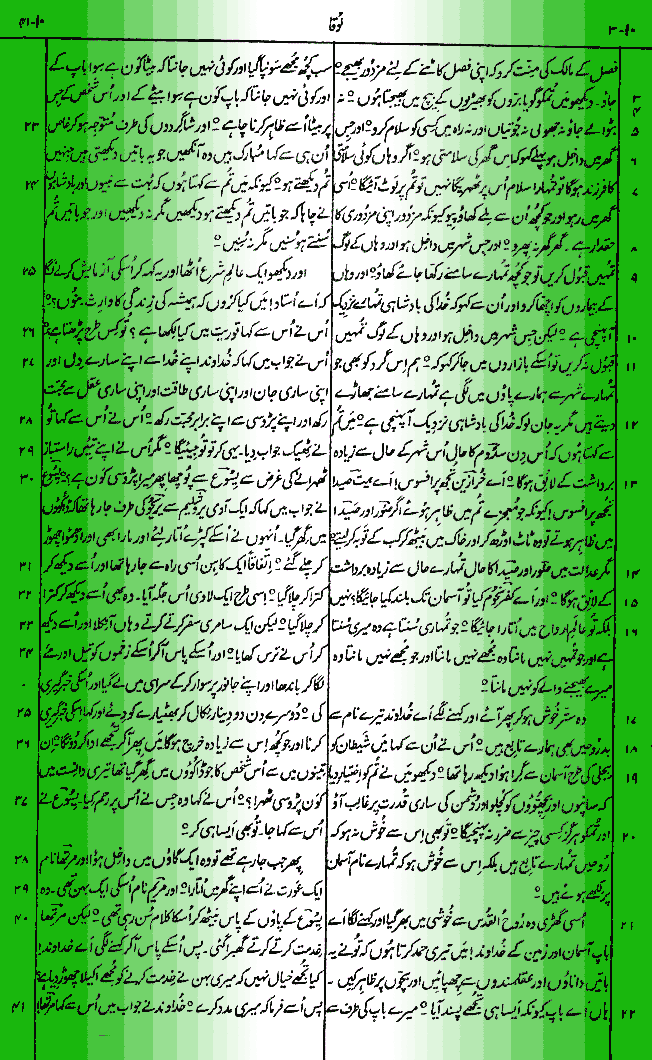
Verse-by-Verse Commentary & Breakdown
Luke 10:3
Verse: Go your ways behold I send you forth as lambs among wolves
-
English Explanation: Jesus sets a realistic yet daunting expectation for His disciples. Sending “lambs among wolves” highlights the vulnerability, innocence, and complete dependence on God required by the disciples. They are entering a hostile world not with physical weapons or aggression, but with gentleness, exposed to spiritual and physical dangers.
-
Urdu Explanation: یسوع مسیح اپنے شاگردوں کو ایک حقیقت پسندانہ مگر مشکل صورتحال سے آگاہ کرتے ہیں۔ “بھیڑیوں کے درمیان برّے” بھیجنے سے مراد یہ ہے کہ شاگردوں کو دنیا کی مخالفت کا سامنا معصومیت، نرمی اور خدا پر مکمل توکل کے ساتھ کرنا ہوگا۔ وہ کسی دنیاوی طاقت یا ہتھیار کے بغیر ایک مخالف دنیا میں جا رہے ہیں۔
Luke 10:4
Verse: Carry neither purse nor scrip nor shoes and salute no man by the way
-
English Explanation: This command emphasizes radical reliance on Divine Providence and urgency. A “purse” represents money, a “scrip” represents provisions/food, and “shoes” imply extra footwear. By forbidding these, Jesus demands total trust in hospitality. Forbidding lengthy, formal cultural greetings (“salute no man”) ensures they remain entirely focused on their urgent mission without distraction.
-
Urdu Explanation: یہ حکم خدا کی فراہم کردہ حکمت اور کام کی عجلت پر کامل بھروسہ ظاہر کرتا ہے۔ بٹوے، جھولی یا فالتو جوتوں سے منع کرنے کا مقصد یہ ہے کہ وہ اپنی مادی ضروریات کے لیے خدا پر تکیہ کریں۔ راستے میں طویل روایتی سلام دعا سے پرہیز کرنے کا مقصد بغیر کسی خلفشار کے صرف اپنی تبلیغی ذمہ داری پر توجہ مرکوز رکھنا تھا۔
Luke 10:5
Verse: And into whatsoever house ye enter first say Peace be to this house
-
English Explanation: The mission of Christ’s followers is primarily a mission of peace. Upon entering any home, the disciples are instructed to pronounce a blessing of shalom (peace, wholeness, and divine favor). This serves as both a spiritual offering and a spiritual test of the household’s spiritual state.
-
Urdu Explanation: مسیح کے پیروکاروں کا اصل مقصد امن و سلامتی پھیلانا ہے۔ کسی بھی گھر میں داخل ہوتے وقت، شاگردوں کو برکت اور سلامتی کی دعا دینے کا حکم دیا گیا ہے۔ یہ دعا اس گھرانے کے روحانی رویے کو جانچنے کا ایک ذریعہ بھی ہے۔
Luke 10:6
Verse: And if the son of peace be there your peace shall rest upon it if not it shall turn to you again
-
English Explanation: A “son of peace” refers to someone whose heart is receptive, open, and ready for God’s truth. If the household is welcoming, the blessing of peace takes root and remains with them. If they reject the message, the blessing is not wasted; it returns to the disciples, protecting their own spiritual energy.
-
Urdu Explanation: “سلامتی کا فرزند” اس شخص کو ظاہر کرتا ہے جس کا دل خدا کے سچ کا استقبال کرنے کے لیے تیار ہو۔ اگر گھر والے پیغام قبول کرتے ہیں تو سلامتی کی برکت وہاں قائم رہتی ہے۔ اگر وہ رد کر دیتے ہیں، تو وہ برکت ضائع نہیں ہوتی بلکہ شاگردوں کے پاس واپس لوٹ آتی ہے۔
Luke 10:7
Verse: And in the same house remain eating and drinking such things as they give for the labourer is worthy of his hire Go not from house to house
-
English Explanation: Disciples are told to accept the hospitality offered to them without seeking better accommodations or finer food (“go not from house to house”). Jesus establishes the spiritual law that gospel ministers deserve basic life provisions (“the labourer is worthy of his hire”), legitimizing their reliance on those they serve.
-
Urdu Explanation: شاگردوں کو ہدایت کی گئی ہے کہ وہ بہتر رہائش یا اچھے کھانے کی تلاش میں ایک گھر سے دوسرے گھر نہ جائیں۔ یسوع مسیح یہ اصول طے کرتے ہیں کہ روحانی خدمت کرنے والا اپنی بنیادی مادی ضروریات کا حقدار ہے، اس لیے وہ بنا کسی جھجک کے ان کی ضیافت قبول کریں۔
Luke 10:8
Verse: And into whatsoever city ye enter and they receive you eat such things as are set before you
-
English Explanation: This reinforces humility and flexibility in ministry. When a whole city welcomes them, they must eat whatever food is provided, overcoming potential dietary biases or personal preferences, focusing instead on building relationships for the sake of the Gospel.
-
Urdu Explanation: یہ حکم خدمت میں عاجزی اور لچک کو ظاہر کرتا ہے۔ جب کوئی شہر ان کا استقبال کرے، تو وہ کھانے پینے کے معاملے میں نکتہ چینی کرنے کے بجائے، جو کچھ سامنے پیش کیا جائے اسے خوشی سے قبول کریں تاکہ ان کا اصل مقصد متاثر نہ ہو۔
Luke 10:9
Verse: And heal the sick that are therein and say unto them The kingdom of God is come nigh unto you
-
English Explanation: The gospel ministry couples physical healing with spiritual proclamation. Healing the sick demonstrates the tangible, restorative power of God. This miraculous act serves as proof that the long-awaited Messianic rule and Kingdom of God are actively breaking into human history.
-
Urdu Explanation: انجیل کی منادی میں جسمانی شفاء اور روحانی پیغام دونوں شامل ہیں۔ بیماروں کو شفا دینا خدا کی قدرت کا عملی ثبوت ہے، جو اس بات کی تصدیق کرتا ہے کہ خدا کی بادشاہی اب انسانوں کے بالکل قریب پہنچ چکی ہے۔
Luke 10:10
Verse: But into whatsoever city ye enter and they receive you not go your ways out into the streets of the same and say
-
English Explanation: Jesus prepares the disciples for inevitable rejection. When a community collectively turns them away, they are not to argue or force their presence, but rather stage a public, symbolic legal testimony against that city’s stubbornness.
-
Urdu Explanation: یسوع شاگردوں کو انکار اور مخالفت کے لیے تیار کرتے ہیں۔ اگر کوئی شہر ان کے پیغام کو قبول کرنے سے انکار کر دے، تو انہیں بحث کرنے کے بجائے عوامی طور پر باہر نکل کر ایک علامتی گواہی قائم کرنی چاہیے۔
Luke 10:11
Verse: Even the very dust of your city which cleaveth on us we do wipe off against you notwithstanding be ye sure of this that the kingdom of God is come nigh unto you
-
English Explanation: Shaking off the dust was a symbolic gesture showing total detachment and freedom from moral responsibility for the city’s judgment. Despite the rejection, the truth remains absolute: the Kingdom of God arrived, and the inhabitants are now fully accountable for rejecting it.
-
Urdu Explanation: شہر کی دھول جھاڑنا اس بات کی علامت تھا کہ شاگردوں نے اس شہر کے انجام کی ذمہ داری سے خود کو الگ کر لیا ہے۔ اس انکار کے باوجود حقیقت نہیں بدلتی کہ خدا کی بادشاہی ان کے پاس آئی تھی، اور اب وہ اسے رد کرنے کے جوابدہ ہیں۔
Luke 10:12
Verse: But I say unto you that it shall be more tolerable in that day for Sodom than for that city
-
English Explanation: Sodom was historically infamous for gross immorality and was utterly destroyed. Jesus states that cities rejecting the gospel face a stricter judgment than Sodom. Why? Because they rejected a greater spiritual light, eyewitness miracles, and the direct message of the Messiah.
-
Urdu Explanation: سدوم اپنی بدکاری اور ہلاکت کی وجہ سے مشہور تھا۔ یسوع فرماتے ہیں کہ خوشخبری کو رد کرنے والے شہروں کا انصاف سدوم سے بھی زیادہ سخت ہوگا، کیونکہ انہوں نے معجزات اور مسیح کے پیغام کی صورت میں زیادہ بڑے روحانی نور کو رد کیا۔
Luke 10:13
Verse: Woe unto thee Chorazin woe unto thee Bethsaida for if the mighty works had been done in Tyre and Sidon which have been done in you they had a great while ago repented sitting in sackcloth and ashes
-
English Explanation: Jesus condemns Jewish cities where He performed numerous miracles. “Sackcloth and ashes” are ancient cultural expressions of profound repentance and grief. Gentile cities like Tyre and Sidon would have repented given the same evidence, exposing the hardened hearts of Chorazin and Bethsaida.
-
Urdu Explanation: یسوع ان یہودی شہروں پر افسوس کرتے ہیں جہاں انہوں نے کثرت سے معجزات کیے۔ ٹاٹ اوڑھنا اور راکھ میں بیٹھنا گہرے پچھتاوے کی علامت ہے۔ صیدا اور صور جیسے غیر قوموں کے شہر بھی ایسے معجزات دیکھ کر توبہ کر لیتے، جو ان یہودی شہروں کی سخت دلی کو ظاہر کرتا ہے۔
Luke 10:14
Verse: But it shall be more tolerable for Tyre and Sidon at the judgment than for you
-
Explanation: Judgment is proportional to spiritual revelation received. Tyre and Sidon did not experience Christ’s personal ministry, so their accountability, though real, carries less severity at final judgment than that of the privileged cities who saw God’s power firsthand and ignored it.
-
Urdu Explanation: عدالت کا معیار اس بات پر ہے کہ کسی کو کتنا روحانی علم ملا۔ صور اور صیدا نے مسیح کی زمینی خدمت کو براہِ راست نہیں دیکھا تھا، اس لیے آخری عدالت کے دن ان کا حال ان شہروں سے بہتر ہوگا جنہوں نے معجزات دیکھ کر بھی کفر کیا۔
Luke 10:15
Verse: And thou Capernaum which art exalted to heaven shalt be thrust down to hell
-
English Explanation: Capernaum was Jesus’ ministry headquarters, enjoying immense spiritual privileges (“exalted to heaven”). However, spiritual pride and indifference lead to ultimate downfall (“thrust down to hell”). External privilege without genuine faith results in severe divine judgment.
-
Urdu Explanation: کفرناحوم یسوع کی خدمت کا مرکز تھا، جس کی وجہ سے اسے عظیم روحانی مقام ملا۔ لیکن روحانی غرور اور بے حسی انجام کار ہلاکت کا سبب بنتی ہے۔ ظاہری مراعات اگر سچے ایمان میں نہ بدلیں تو سخت الٰہی انصاف کا باعث بنتی ہیں۔
Luke 10:16
Verse: He that heareth you heareth me and he that despiseth you despiseth me and he that despiseth me despiseth him that sent me
-
English Explanation: Jesus establishes the chain of divine authority. The disciples are official ambassadors. Therefore, hearing a disciple is identical to hearing Christ, and rejecting them is a direct rejection of Jesus and, ultimately, God the Father who commissioned the entire mission.
-
Urdu Explanation: یسوع یہاں الٰہی اختیار کا سلسلہ واضح کرتے ہیں۔ شاگرد مسیح کے باقاعدہ سفیر ہیں۔ چنانچہ شاگردوں کو سننا مسیح کو سننا ہے، اور انہیں رد کرنا حقیقت میں یسوع اور اس خدا باپ کو رد کرنا ہے جس نے انہیں بھیجا ہے۔
Luke 10:17
Verse: And the seventy returned again with joy saying Lord even the devils are subject unto us through thy name
-
English Explanation: The seventy disciples return ecstatic from their mission. They experienced remarkable spiritual success, discovering that spiritual entities (“devils/demons”) had to obey their commands when they invoked the supreme authority of the name of Jesus.
-
Urdu Explanation: ستر شاگرد اپنی مہم سے انتہائی خوشی کے ساتھ واپس لوٹے۔ انہوں نے شاندار روحانی کامیابی کا تجربہ کیا تھا اور دیکھا کہ جب وہ یسوع کے نام کا اختیار استعمال کرتے ہیں تو بدروحیں بھی ان کے تابع ہو جاتی ہیں۔
Luke 10:18
Verse: And he said unto them I beheld Satan as lightning fall from heaven
-
English Explanation: Jesus contextualizes their success within cosmological victory. The fall of Satan “as lightning” represents the swift, decisive shattering of demonic power through the advancement of the Gospel. The disciples’ successful ministry was a direct blow to Satan’s dominion.
-
Urdu Explanation: یسوع ان کی کامیابی کو ایک کائناتی فتح کے تناظر میں دیکھتے ہیں۔ شیطان کا “بجلی کی طرح گرنا” خوشخبری کی پیش قدمی کے نتیجے میں شیطانی قوتوں کی تیز رفتار اور فیصلہ کن شکست کو ظاہر کرتا ہے۔ شاگردوں کی خدمت شیطان کی بادشاہت پر کاری ضرب تھی۔
Luke 10:19
Verse: Behold I give unto you power to tread on serpents and scorpions and over all the power of the enemy and nothing shall by any means hurt you
-
English Explanation: “Serpents and scorpions” metaphorically represent demonic forces, spiritual toxicity, and the underlying malice of the enemy. Christ endows His followers with authoritative protection and spiritual supremacy, ensuring that the enemy’s ultimate schemes cannot destroy their souls or abort their mission.
-
Urdu Explanation: “سانپ اور بچھو” علامتی طور پر شیطانی قوتوں اور دشمن کی شرارتوں کو ظاہر کرتے ہیں۔ مسیح اپنے پیروکاروں کو روحانی غلبہ اور تحفظ کا اختیار دیتے ہیں، جس سے یہ یقین دہانی ملتی ہے کہ دشمن کی کوئی بھی چال ان کے ایمان اور مقصد کو تباہ نہیں کر سکتی۔
Luke 10:20
Verse: Notwithstanding in this rejoice not that the spirits are subject unto us but rather rejoice because your names are written in heaven
-
English Explanation: Jesus recalibrates their source of joy. Miraculous gifts and power over spirits can fuel pride and are temporary. The true, foundational cause for Christian joy must always be relational and eternal—the assurance of salvation and citizenship in the Kingdom of Heaven.
-
Urdu Explanation: یسوع ان کی خوشی کے معیار کو درست کرتے ہیں۔ معجزاتی طاقتوں اور بدروحوں پر اختیار پانے سے غرور پیدا ہو سکتا ہے اور یہ عارضی ہے۔ مسیحی خوشی کی اصل وجہ ہمیشہ ابدی ہونی چاہیے، یعنی یہ کہ ان کا نام آسمان پر لکھا جا چکا ہے اور انہیں نجات مل گئی ہے۔
Luke 10:21
Verse: In that hour Jesus rejoiced in spirit and said I thank thee O Father Lord of heaven and earth that thou hast hid these things from the wise and prudent and hast revealed them unto babes even so Father for so it seemed good in thy sight
-
English Explanation: Filled with Holy Spirit joy, Jesus praises the Father’s sovereign wisdom. Spiritual truths are hidden from the intellectually arrogant (“the wise and prudent”) who rely on human intellect, but revealed to the humble, teachable, and dependent (“babes”). God values heart attitude over worldly credentials.
-
Urdu Explanation: روح القدس کی خوشی سے معمور ہو کر، یسوع باپ کی حکمت کی ستائش کرتے ہیں۔ روحانی حقائق ان مغرور دانشوروں سے چھپے رہتے ہیں جو انسانی عقل پر بھروسہ کرتے ہیں، لیکن وہ ان عاجز اور سادہ دل لوگوں پر ظاہر کیے جاتے ہیں جو بچوں کی طرح سیکھنے کا جذبہ رکھتے ہیں۔
Luke 10:22
Verse: All things are delivered to me of my Father and no man knoweth who the Son is but the Father and who the Father is but the Son and he to whom the Son will reveal him
-
English Explanation: This highly theological verse declares Christ’s unique divine Sonship and absolute authority. There is an exclusive, mutual knowledge shared between God the Father and Jesus the Son. No one can truly comprehend or access God the Father except through the intentional revelation given by Jesus Christ.
-
Urdu Explanation: یہ گہرا الہیاتی جملہ مسیح کے منفرد اور مطلق اختیار کو ظاہر کرتا ہے۔ باپ اور بیٹے کے درمیان ایک خاص اور باہمی معرفت ہے۔ کوئی بھی انسان خدا باپ کو نہیں جان سکتا جب تک کہ بیٹا یعنی یسوع مسیح خود اس پر باپ کو ظاہر نہ کرے۔
Luke 10:23
Verse: And he turned him unto his disciples and said privately Blessed are the eyes which see the things that ye see
-
English Explanation: Speaking confidentially to His chosen followers, Jesus highlights their incredible historic privilege. They are eyewitnesses to the physical presence of the Messiah and the active unfolding of Messianic prophecies, an honor unique to their specific generation.
-
Urdu Explanation: اپنے شاگردوں سے تنہائی میں بات کرتے ہوئے، یسوع انہیں ان کے عظیم تاریخی اعزاز کی یاد دلاتے ہیں۔ وہ اپنی آنکھوں سے مسیح کو دیکھ رہے تھے اور ان پیشگوئیوں کو پورا ہوتے پا رہے تھے جن کا انتظار صدیوں سے کیا جا رہا تھا۔
Luke 10:24
Verse: For I tell you that many prophets and kings have desired to see those things which ye see and have not seen them and to hear those things which ye hear and have not heard them
-
English Explanation: Great Old Testament figures—prophets like Isaiah and kings like David—lived in anticipation, catching only glimpses of the future Messiah. The disciples are uniquely blessed because they live in the reality that those ancient, righteous leaders longed to experience but never did.
-
Urdu Explanation: پرانے عہد نامے کی عظیم ہستیاں، جیسے انبیاء اور بادشاہ، مسیح کے دور کو دیکھنے کی تمنا رکھتے تھے مگر انہوں نے صرف دور سے اس کی جھلک دیکھی۔ شاگرد خوش نصیب ہیں کہ وہ اس حقیقت کا حصہ ہیں جس کا ماضی کے بزرگ صرف خواب دیکھا کرتے تھے۔
Luke 10:25
Verse: And behold a certain lawyer stood up and tempted him saying Master what shall I do to inherit eternal life
-
English Explanation: An expert in religious Mosaic Law (“a certain lawyer”) stands up to test or trap Jesus academically. His question about inheriting eternal life stems from a common theological worldview centered around legalistic actions and earning salvation through human effort (“what shall I do”).
-
Urdu Explanation: شریعت کا ایک ماہر عالم یسوع کو آزمانے یا بحث میں پھنسانے کے لیے کھڑا ہوتا ہے۔ اس کا سوال کہ “میں کیا کروں کہ ابدی زندگی کا وارث بنوں؟” اس دور کی اس سوچ کو ظاہر کرتا ہے جہاں انسان اپنے نیک اعمال اور محنت کے بل بوتے پر نجات پانا چاہتا تھا۔
Luke 10:26
Verse: He said unto him What is written in the law how readest thou
-
English Explanation: Instead of answering directly, Jesus cleverly redirects the expert back to his own field of expertise: the Scriptures. By asking “how readest thou,” Jesus prompts him to interpret the core spiritual essence of the Torah rather than just reciting cold legal codes.
-
Urdu Explanation: یسوع براہِ راست جواب دینے کے بجائے اس قانون دان کو اسی کے شعبے یعنی کلامِ مقدس کی طرف واپس موڑ دیتے ہیں۔ “تو اسے کیسے پڑھتا ہے؟” پوچھ کر یسوع اسے محض الفاظ رٹنے کے بجائے شریعت کی اصل روح پر غور کرنے کی دعوت دیتے ہیں۔
Luke 10:27
Verse: And he answering said Thou shalt love the Lord thy God with all thy heart and with all thy soul and with all thy strength and with all thy mind and thy neighbour as thyself
-
English Explanation: The lawyer correctly synthesizes the entire Old Testament Law into two foundational commands (Deuteronomy 6:5 and Leviticus 19:18): absolute, holistic love for God involving every aspect of one’s being (heart, soul, strength, mind), and unconditional, selfless love for one’s neighbor.
-
Urdu Explanation: قانون دان نے بالکل درست جواب دیتے ہوئے پوری شریعت کا نچوڑ دو احکام میں پیش کر دیا: خدا سے اپنے پورے وجود (دل، جان، طاقت اور عقل) کے ساتھ محبت رکھنا، اور اپنے پڑوسی سے اپنے ہی برابر محبت کرنا۔
Luke 10:28
Verse: And he said unto him Thou hast answered right this do and thou shalt live
-
English Explanation: Jesus affirms his intellectual answer but exposes the vital gap between theoretical knowledge and practical execution. “This do” implies that knowing the commandment is meaningless without active, continuous practice. Perfect execution of this law would bring life, but human frailty makes it impossible without grace.
-
Urdu Explanation: یسوع اس کے علمی جواب کی تصدیق کرتے ہیں لیکن علم اور عمل کے فرق کو واضح کرتے ہیں۔ “یہی کر تو جیتا رہے گا” کا مطلب یہ ہے کہ حکم کو جاننا ہی کافی نہیں بلکہ اس پر مستقل عمل کرنا ضروری ہے، جو کہ انسانی کمزوری کے باعث خدا کے فضل کے بغیر ممکن نہیں۔
Luke 10:29
Verse: But he willing to justify himself said unto Jesus And who is my neighbour
-
English Explanation: Realizing that a perfect standard of love convicts him of shortfall, the lawyer attempts to narrow the definition of “neighbour” to limit his moral obligation. By asking “who is my neighbour,” he seeks a comfortable boundary (like fellow Jews or friends) to justify his selective love.
-
Urdu Explanation: یہ جانتے ہوئے کہ محبت کا یہ معیار اس کی اپنی کمزوریوں کو ظاہر کر دے گا، وہ قانون دان اپنی اخلاقی ذمہ داری کو محدود کرنے کے لیے “پڑوسی” کی تعریف پوچھتا ہے۔ وہ چاہتا تھا کہ پڑوسی کا دائرہ صرف اس کے دوستوں یا ہم قوموں تک محدود رہے تاکہ وہ خود کو راستباز ثابت کر سکے۔
Luke 10:30
Verse: And Jesus answering said A certain man went down from Jerusalem to Jericho and fell among thieves which stripped him of his raiment and wounded him and departed leaving him half dead
-
English Explanation: Jesus responds with the iconic Parable of the Good Samaritan. The road from Jerusalem to Jericho was historically notorious for steep descents and violent robberies. The victim is left anonymous, completely destitute, helpless, and on the verge of death, representing absolute human brokenness.
-
Urdu Explanation: یسوع اس کے جواب میں مشہور تمثیل سناتے ہیں۔ یروشلم سے یرِیحو کا راستہ اپنی خطرناک چڑھائیوں اور ڈاکوؤں کی وجہ سے مشہور تھا۔ زخمی شخص کو بغیر کسی نام یا قومیت کے پیش کیا گیا ہے جو انسانی بے بسی اور دکھ کی حالت کو ظاہر کرتا ہے۔
Luke 10:31
Verse: And by chance there came down a certain priest that way and when he saw him he passed by on the other side
-
English Explanation: A priest, the highest spiritual representative of the community, encounters the dying man. Instead of helping, he deliberately walks on the far side of the road. He prioritizes potential ritual purity laws (avoiding a corpse) or personal safety over basic human compassion.
-
Urdu Explanation: ایک کاہن جو قوم کا سب سے بڑا مذہبی رہنما تھا، وہاں سے گزرا۔ مدد کرنے کے بجائے، وہ سڑک کے دوسرے کنارے سے ہو کر نکل گیا۔ اس نے انسانی ہمدردی پر اپنی مذہبی رسومات کی پاکیزگی یا ذاتی حفاظت کو ترجیح دی۔
Luke 10:32
Verse: And likewise a Levite when he was at the place came and looked on him and passed by on the other side
-
English Explanation: A Levite, another religious official responsible for temple worship, behaves identically. He goes far enough to inspect the victim (“came and looked”) but still chooses indifference over involvement, demonstrating that institutional religion without love fails to please God.
-
Urdu Explanation: ایک لاوی، جو ہیکل کی خدمت کا ذمہ دار تھا، اس نے بھی ایسا ہی کیا۔ وہ زخمی کے قریب تو آیا مگر بے حسی کا مظاہرہ کرتے ہوئے دوسری طرف سے گزر گیا۔ یہ ظاہر کرتا ہے کہ محبت کے بغیر رسمی مذہب خدا کو پسند نہیں ہے۔
Luke 10:33
Verse: But a certain Samaritan as he journeyed came where he was and when he saw him he had compassion on him
-
English Explanation: First-century Jews and Samaritans shared deep ethnic and religious hatred. By introducing a Samaritan as the protagonist, Jesus shocks His audience. The Samaritan looks past ethnic barriers, feels profound inner compassion, and stops to help his supposed enemy.
-
Urdu Explanation: پہلی صدی کے یہودیوں اور سامریوں کے درمیان شدید مذہبی اور نسلی دشمنی تھی۔ ایک سامری کو اس کہانی کا ہیرو بنا کر یسوع نے سامعین کو حیران کر دیا۔ سامری نے تمام نسلی دیواروں کو گرا کر دلی ہمدردی کا مظاہرہ کیا اور مدد کے لیے رکا۔
Luke 10:34
Verse: And went to him and bound up his wounds pouring in oil and wine and set him on his own beast and brought him to an inn and took care of him
-
English Explanation: The Samaritan provides sacrificial, practical first aid. Wine acts as an antiseptic; oil soothes the wounds. He gives up his own comfort by placing the victim on his animal, walks alongside him, takes him to a place of shelter, and personally ministers to his needs through the night.
-
Urdu Explanation: سامری نے عملی قربانی دیتے ہوئے مرہم پٹی کی۔ شراب نے جراثیم کش اور تیل نے درد کم کرنے کا کام کیا۔ اس نے اپنی سواری پر اس زخمی کو بٹھا کر خود پیدل سفر کیا اور سرائے میں لے جا کر رات بھر ذاتی طور پر اس کی دیکھ بھال کی۔
Luke 10:35
Verse: And on the morrow when he departed he took out two pence and gave them to the host and said unto him Take care of him and whatsoever thou spendest more when I come again I will repay thee
-
English Explanation: His compassion is financially generous and open-ended. “Two pence” (denarii) equaled about two days’ wages, covering extensive lodging. He guarantees personal financial accountability for any extra future expenses, showcasing unconditional, comprehensive love that sees a commitment through to completion.
-
Urdu Explanation: اس کی ہمدردی مالی طور پر بھی فراخدلانہ تھی۔ دو دینار دو دن کی مزدوری کے برابر تھے جو طویل رہائش کے لیے کافی تھے۔ اس نے مستقبل کے اخراجات کی بھی حامی بھری، جو اس کی غیر مشروط اور مکمل محبت کو ظاہر کرتا ہے۔
Luke 10:36
Verse: Which now of these three thinkest thou was neighbour unto him that fell among the thieves
-
English Explanation: Jesus brilliantly flips the lawyer’s original self-serving question. Instead of defining who deserves love, Jesus forces him to evaluate who demonstrated love. Neighborliness is not a matter of geographic or ethnic status; it is an active state of being compassionate to anyone in need.
-
Urdu Explanation: یسوع نے خوبصورتی سے قانون دان کے سوال کا رخ موڑ دیا۔ یہ پوچھنے کے بجائے کہ محبت کا حقدار کون ہے، انہوں نے یہ پوچھا کہ محبت دکھائی کس نے؟ پڑوسی ہونا کسی علاقے یا نسل سے نہیں، بلکہ ضرورت مند پر رحم کرنے سے ثابت ہوتا ہے۔
Luke 10:37
Verse: And he said He that shewed mercy on him Then said Jesus unto him Go and do thou likewise
-
English Explanation: Unable to bring himself to say the word “Samaritan” due to prejudice, the lawyer identifies him by his action: “He that shewed mercy.” Jesus concludes with a direct command applicable to all believers: stop debating theology in the abstract, and go live a lifestyle of active mercy.
-
Urdu Explanation: تعصب کی وجہ سے “سامری” کا لفظ زبان پر لائے بغیر، قانون دان نے اس کے عمل سے اس کی پہچان کی: “وہ جس نے رحم کیا۔” یسوع نے حتمی حکم دیا کہ بحث بند کرو اور عملی طور پر رحم دلی کی زندگی گزارو۔
Luke 10:38
Verse: Now it came to pass as they went that he entered into a certain village and a certain woman named Martha received him into her house
-
English Explanation: The narrative shifts to Bethany. Martha acts as the matriarch/hostess, exhibiting the commendable, traditional Near-Eastern virtue of hospitality by opening her home to Jesus and His traveling party, a task carrying immense domestic pressure.
-
Urdu Explanation: یہاں سے کہانی کا رخ بیت عنیاہ کی طرف مڑتا ہے۔ مرتھا ایک مہمان نواز خاتون کے طور پر یسوع اور ان کے ساتھیوں کو اپنے گھر لاتی ہے، جو کہ اس دور کی ثقافت میں ایک بڑی اور ذمہ دارانہ خدمت تھی۔
Luke 10:39
Verse: And she had a sister called Mary which also sat at Jesus feet and heard his word
-
English Explanation: Mary assumes the posture of a devoted disciple. Sitting “at Jesus’ feet” was a technical cultural expression for a student learning under a Rabbi. Mary breaks traditional gender barriers of the era to prioritize deep spiritual instruction directly from Christ.
-
Urdu Explanation: مریم ایک سچے شاگرد کا روپ دھار لیتی ہے۔ یسوع کے “قدموں میں بیٹھنا” ایک استاد سے علم حاصل کرنے کی علامت ہے۔ مریم نے اس دور کی روایات سے ہٹ کر مسیح کے کلام کو سننے اور روحانی تربیت پانے کو اولیت دی۔
Luke 10:40
Verse: But Martha was cumbered about much serving and came to him and said Lord dost thou not care that my sister hath left me to serve alone bid her therefore that she help me
-
English Explanation: Martha is overwhelmed (“cumbered”) by physical preparations. Her frustration turns into resentment, leading her to openly complain to Jesus and criticize both her sister’s inaction and Jesus’ apparent indifference. She demands that Jesus order Mary back to domestic duties.
-
Urdu Explanation: مرتھا گھر کے کاموں کی وجہ سے بہت زیادہ فکر مند اور تھک چکی تھی۔ اس کی یہ پریشانی غصے میں بدل گئی، یہاں تک کہ اس نے یسوع سے شکایت کی کہ وہ مریم کو حکم دیں کہ وہ کام کاج میں اس کا ہاتھ بٹائے۔
Luke 10:41
Verse: And Jesus answered and said unto her Martha Martha thou art careful and troubled about many things
-
English Explanation: Repeating her name gently (“Martha, Martha”) shows deep tenderness, not anger. Jesus diagnoses her internal condition: she is anxious, distracted, and pulled in multiple directions (“careful and troubled”) by secondary things, letting hospitality distort her peace.
-
Urdu Explanation: مرتھا کا نام دو بار پیار سے پکارنا یسوع کی نرمی کو ظاہر کرتا ہے۔ یسوع اس کی اندرونی حالت کی نشاندہی کرتے ہیں کہ وہ دنیاوی کاموں کی وجہ سے پریشان اور ذہنی تناؤ کا شکار ہو کر اصل سکون کھو چکی ہے۔
Luke 10:42
Verse: But one thing is needful and Mary hath chosen that good part which shall not be taken away from her
-
Explanation: Jesus sets the ultimate spiritual hierarchy. While service is important, undivided attention to God’s Word is the “one thing needful.” Mary chose the eternal, spiritual portion over temporary anxiety, and Jesus protects her right to sit in His presence, reminding us that being with Christ precedes doing for Christ.
-
Urdu Explanation: یسوع روحانی زندگی کی ترجیحات طے کرتے ہیں۔ اگرچہ خدمت ضروری ہے، لیکن خدا کے کلام پر توجہ دینا ہی سب سے اہم اور “ایک بات” ہے۔ مریم نے عارضی کاموں پر ابدی چیز کو ترجیح دی، اور یسوع اس کے اس حق کا دفاع کرتے ہیں۔ یہ ہمیں سکھاتا ہے کہ مسیح کے لیے کام کرنے سے زیادہ مسیح کے ساتھ وقت گزارنا قیمتی ہے۔