Verse-by-Verse Commentary & Explanation
Malachi 1:11
Verse Text: For from the rising of the sun even unto the going down of the same my name shall be great among the Gentiles and in every place incense shall be offered unto my name and a pure offering for my name shall be great among the heathen saith the LORD of hosts
-
Detailed Explanation (English): This verse stands as a powerful, prophetic declaration of global worship. While the Israelites of Malachi’s day were neglecting and dishonoring God, Yahweh declares that His name will be magnified across the entire earth—from east to west. “Gentiles” and “heathen” refer to the non-Jewish nations who would eventually come to know and worship the true God. The mention of “incense” and a “pure offering” in “every place” look forward to the New Covenant era, where true worship is no longer confined to a physical temple in Jerusalem but is offered globally in spirit and in truth.
-
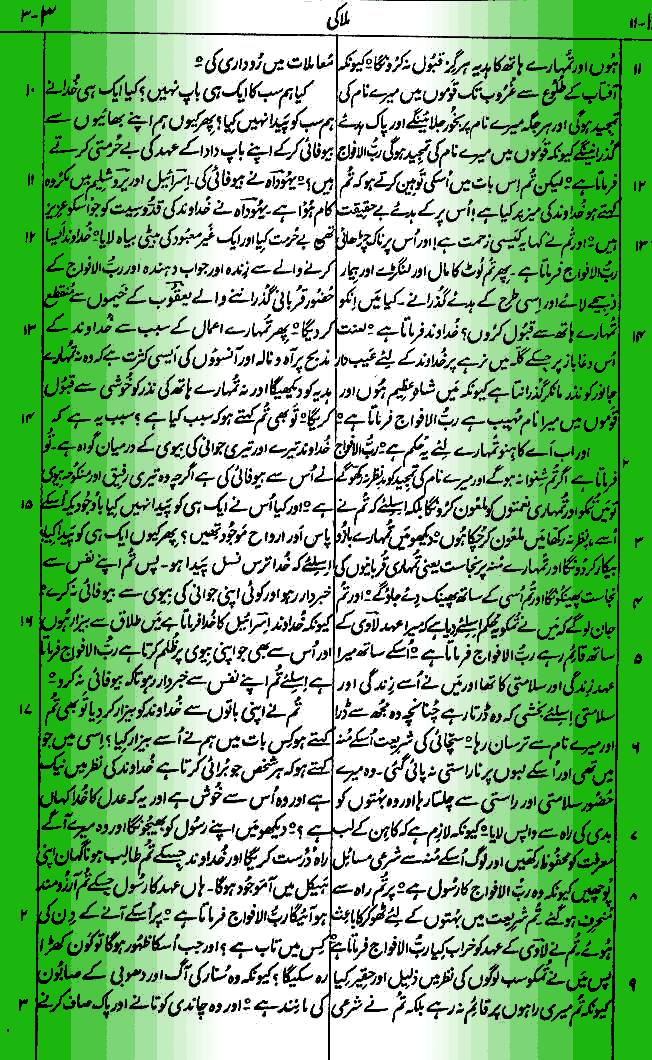
Detailed Explanation (Urdu): یہ آیت عالمی عبادت کا ایک طاقتور اور پیشن گوئی پر مبنی اعلان ہے۔ جب ملاکی کے دور کے اسرائیلی خدا کی نافرمانی اور اس کی بے حرمتی کر رہے تھے، تب رب فرماتا ہے کہ میرا نام مشرق سے مغرب تک پوری زمین پر عظیم ہوگا۔ یہاں غیر قوموں (Gentiles) سے مراد وہ لوگ ہیں جو بنی اسرائیل میں سے نہیں ہیں، لیکن وہ سچے خدا کو پہچانیں گے۔ “ہر جگہ بخور اور پاک ہدیہ” پیش کیے جانے کا مطلب نئے عہد کی طرف اشارہ ہے، جہاں عبادت صرف یروشلم کی ہیکل تک محدود نہیں رہے گی بلکہ پوری دنیا میں روح اور سچائی سے کی جائے گی۔
Malachi 1:12
Verse Text: But ye have profaned it in that ye say The table of the LORD is polluted and the fruit thereof even his meat is contemptible
-
Detailed Explanation (English): God contrasts His future global glory with the current, disrespectful attitude of the local Jewish priesthood. The priests were profaning God’s name by treating His altar (“the table of the LORD”) as something cheap, defiled, or insignificant. By offering inferior or flawed sacrifices, their actions loudly stated that serving God and participating in His worship was a worthless, contemptible duty.
-
Detailed Explanation (Urdu): خدا اپنے مستقبل کے عالمی جلال کا موازنہ اس وقت کے یہودی کاہنوں کے گستاخانہ رویے سے کرتا ہے۔ کاہن خدا کے نام کی بے حرمتی کر رہے تھے اور خدا کی قربان گاہ (رب کے دسترخوان) کو ناپاک یا معمولی سمجھتے تھے۔ ناقص اور عیب دار قربانیاں لا کر، ان کے عمل سے یہ ظاہر ہوتا تھا کہ خدا کی خدمت کرنا اور اس کی عبادت میں حصہ لینا ایک حقیر اور بے فائدہ کام ہے۔
Malachi 1:13
Verse Text: Ye said also Behold what a weariness is it! and ye have snuffed at it saith the LORD of hosts and ye brought that which was torn and the lame and the sick thus ye brought an offering should I accept this of your hand? saith the LORD
-
Detailed Explanation (English): The priests viewed their sacred duties as an exhausting burden, openly sighing (“what a weariness is it!”) and turning up their noses at God’s service. To make matters worse, they brought stolen, lame, and diseased animals as sacrifices—animals they would never dare present to a human governor. God confronts them directly, asking why He should ever accept such insulting, half-hearted offerings from their hands.
-
Detailed Explanation (Urdu): کاہن اپنی مقدس ذمہ داریوں کو ایک تھکا دینے والا بوجھ سمجھتے تھے اور خدا کی خدمت پر ناک بھوں چڑھاتے تھے۔ حد تو یہ تھی کہ وہ چوری کیے ہوئے، لنگڑے اور بیمار جانور قربانی کے لیے لاتے تھے—ایسے جانور جو وہ کسی انسانی حاکم کو دینے کی جرات بھی نہیں کر سکتے تھے۔ خدا ان سے براہِ راست سوال کرتا ہے کہ کیا مجھے تمہارے ہاتھوں سے ایسا توہین آمیز اور ناقص ہدیہ قبول کرنا چاہیے؟
Malachi 1:14
Verse Text: But cursed be the deceiver which hath in his flock a male and voweth and sacrificeth unto the LORD a corrupt thing for I am a great King saith the LORD of hosts and my name is dreadful among the heathen
-
Detailed Explanation (English): A divine curse is pronounced upon the hypocrite or “deceiver.” This refers to someone who has a healthy, valuable animal (a male) in their flock and promises it to God, but when the time comes to pay the vow, they switch it for a blemished or “corrupt” animal. God reminds them of His ultimate sovereignty; He is a “great King” whose name demands reverence and fear, even among pagan nations who do not yet fully know Him.
-
Detailed Explanation (Urdu): یہاں دھوکے باز اور منافق پر الٰہی لعنت کا اعلان کیا گیا ہے۔ اس سے مراد وہ شخص ہے جس کے گلے میں ایک تندرست اور قیمتی جانور (نر) موجود ہو اور وہ خدا سے اس کا منت مانے، لیکن وقت آنے پر وہ خدا کو کوئی عیب دار یا ناقص چیز قربان کر دے۔ خدا انہیں اپنی حاکمیتِ اعلیٰ کی یاد دلاتا ہے کہ وہ ایک “عظیم بادشاہ” ہے جس کا نام غیر قوموں میں بھی ہیبت ناک اور واجبِ تعظیم ہے۔
Chapter 2
Malachi 2:1
Verse Text: And now O ye priests this commandment is for you
-
Detailed Explanation (English): God shifts His focus entirely and addresses the religious leaders directly. The priests were structural pillars of the community, responsible for guarding spiritual truth and leading the nation in holiness. Because they failed, this specific warning, decree, and call to accountability is aimed squarely at them.
-
Detailed Explanation (Urdu): خدا اب اپنی توجہ پوری طرح مذہبی رہنماؤں کی طرف موڑتا ہے اور کاہنوں سے براہِ راست مخاطب ہوتا ہے۔ کاہن معاشرے کے روحانی ستون تھے جن کی ذمہ داری پاکیزگی اور سچائی کی حفاظت کرنا تھی۔ چونکہ وہ ناکام رہے، اس لیے یہ خاص حکم اور تنبیہ براہِ راست ان کے لیے ہے۔
Malachi 2:2
Verse Text: If ye will not hear and if ye will not lay it to heart to give glory unto my name saith the LORD of hosts I will even send a curse upon you and I will curse your blessings yea I have cursed them already because ye do not lay it to heart
-
Detailed Explanation (English): God demands internal transformation, not just outward compliance. If the priests refuse to listen and genuinely internalize (“lay it to heart”) the duty to glorify His name, divine judgment will follow. God threatens to “curse their blessings,” which means turning their priestly privileges, income, or the blessings they pronounce over the people into a source of ruin. In fact, because of their persistent stubbornness, the judgment has already begun.
-
Detailed Explanation (Urdu): خدا صرف ظاہری اطاعت نہیں بلکہ دل کی تبدیلی مانگتا ہے۔ اگر کاہن سننے اور اپنے دل میں یہ بات بٹھانے سے انکار کرتے ہیں کہ انہیں خدا کے نام کو جلال دینا ہے، تو الٰہی عدالت نازل ہوگی۔ خدا ان کی “برکتوں پر لعنت” بھیجنے کی دھمکی دیتا ہے، جس کا مطلب ہے کہ ان کے کاہناتی مراعات اور وہ برکتیں جو وہ لوگوں کے لیے مانگتے ہیں، وہی ان کی تباہی کا سبب بنیں گی۔ بلکہ ان کی ضد کی وجہ سے یہ لعنت پہلے ہی شروع ہو چکی ہے۔
Malachi 2:3
Verse Text: Behold I will corrupt your seed and spread dung upon your faces even the dung of your solemn feasts and one shall take you away with it
-
Detailed Explanation (English): Using intensely vivid and humiliating imagery, God promises to “corrupt your seed” (which can mean destroying their crops/offspring or rendering their priestly lineage invalid). Rubbing the dung of sacrificial festival animals onto the priests’ faces was the ultimate sign of rejection. It meant making them ceremonially unclean, disqualified, and fit to be thrown out with the waste of the temple sacrifices.
-
Detailed Explanation (Urdu): انتہائی شدید اور ذلت آمیز الفاظ کا استعمال کرتے ہوئے، خدا فرماتا ہے کہ وہ ان کی نسل یا فصل کو خراب کر دے گا۔ قربانی کے جانوروں کا گوبر کاہنوں کے چہروں پر ملنے کا مطلب انتہائی رد کیا جانا ہے۔ اس کا مطلب یہ تھا کہ وہ مذہبی طور پر ناپاک اور نااہل قرار دیے جائیں گے اور انہیں ہیکل کے کچرے کے ساتھ باہر پھینک دیا جائے گا۔
Malachi 2:4
Verse Text: And ye shall know that I have sent this commandment unto you that my covenant might be with Levi saith the LORD of hosts
-
Detailed Explanation (English): The purpose of God’s harsh discipline is restoration, not just destruction. God sends this stern warning so that the priests might repent, thereby preserving the historic covenant He made with the tribe of Levi. God values His covenantal commitments and disciplines His leaders to bring them back in line with that holy standard.
-
Detailed Explanation (Urdu): خدا کے اس سخت تادیبی حکم کا مقصد صرف تباہی نہیں بلکہ اصلاح ہے۔ خدا یہ سخت تنبیہ اس لیے بھیجتا ہے تاکہ کاہن توبہ کریں اور وہ عہد جو خدا نے لاوی کے قبیلے سے کیا تھا، قائم رہ سکے۔ خدا اپنے عہود کی قدر کرتا ہے اور اپنے رہنماؤں کی اصلاح کرتا ہے تاکہ وہ پاکیزگی کے معیار پر واپس آ سکیں۔
Malachi 2:5
Verse Text: My covenant was with him of life and peace and I gave them to him for the fear wherewith he feared me and was afraid before my name
-
Detailed Explanation (English): God recalls the original standard of the Levitical covenant. It was a covenant intended to produce vibrant spiritual life and peace. God granted these blessings to Levi (and early faithful priests like Phinehas) because they possessed genuine, reverent fear and stood in awe of God’s holy name—a stark contrast to the casual flippancy of Malachi’s contemporaries.
-
Detailed Explanation (Urdu): خدا لاوی کے ساتھ کیے گئے اصل عہد کے معیار کو یاد کرتا ہے۔ یہ زندگی اور سلامتی (امن) کا عہد تھا۔ خدا نے یہ برکتیں لاوی (اور پرانے وفادار کاہنوں) کو اس لیے دیں کیونکہ ان کے دلوں میں خدا کا سچا اور گہرا خوف تھا اور وہ خدا کے نام کا ادب کرتے تھے—جو کہ ملاکی کے دور کے کاہنوں کے لاپرواہ رویے کے بالکل برعکس تھا۔
Malachi 2:6
Verse Text: The law of truth was in his mouth and iniquity was not found in his lips he walked with me in peace and equity and did turn many away from iniquity
-
Detailed Explanation (English): This verse outlines the profile of a true spiritual leader. The ideal priest spoke absolute truth, avoided deceitful speech, and walked in close, personal fellowship with God characterized by integrity and fairness. As a direct result of their godly lifestyle and faithful teaching, they successfully guided many people away from sin and back to righteousness.
-
Detailed Explanation (Urdu): یہ آیت ایک سچے روحانی رہنما کی خصوصیات کو بیان کرتی ہے۔ ایک مثالی کاہن کے منہ میں سچائی کی شریعت ہوتی تھی، وہ جھوٹ سے پاک تھا، اور خدا کے ساتھ امن اور راستی کے ساتھ چلتا تھا۔ ان کی پاکیزہ زندگی اور سچی تعلیم کا نتیجہ یہ ہوتا تھا کہ وہ بہت سے لوگوں کو گناہ کی راہ سے موڑ کر راستبازی کی طرف لے آتے تھے۔
Malachi 2:7
Verse Text: For the priest’s lips should keep knowledge and they should seek the law at his mouth for he is the messenger of the LORD of hosts
-
Detailed Explanation (English): The societal role of a priest is explicitly defined here. A priest’s lips are meant to guard and preserve divine knowledge, acting as a reliable source where everyday people can go to seek God’s law. The priest is not an independent agent; he is a divinely commissioned messenger representing the LORD of hosts.
-
Detailed Explanation (Urdu): یہاں کاہن کے معاشرتی کردار کی وضاحت کی گئی ہے۔ کاہن کے ہونٹوں کو علم کی حفاظت کرنی چاہیے، تاکہ عام لوگ اس کے پاس خدا کی شریعت جاننے کے لیے آ سکیں۔ کاہن کوئی عام شخص نہیں بلکہ وہ رب الافواج کا قاصد (پیغمبر/نمائندہ) ہے۔
Malachi 2:8
Verse Text: But ye are departed out of the way ye have caused many to stumble at the law ye have corrupted the covenant of Levi saith the LORD of hosts
-
Detailed Explanation (English): In direct opposition to the ideal priest, Malachi’s contemporaries had abandoned the path of righteousness. Even worse, through their false teachings and hypocritical actions, they caused regular people to trip and stumble in their obedience to God’s law. By doing so, they completely corrupted and invalidated the sacred covenant of Levi.
-
Detailed Explanation (Urdu): ایک مثالی کاہن کے برعکس، ملاکی کے دور کے کاہنوں نے راستبازی کی راہ چھوڑ دی تھی۔ اس سے بھی بڑھ کر، انہوں نے اپنی غلط تعلیمات اور منافقانہ عمل سے عام لوگوں کو شریعت پر چلنے میں ٹھوکر کھلائی۔ ایسا کر کے انہوں نے لاوی کے مقدس عہد کو یکسر بگاڑ دیا۔
Malachi 2:9
Verse Text: Therefore have I also made you contemptible and base before all the people according as ye have not kept my ways but have been partial in the law
-
Detailed Explanation (English): Because the priests humiliated God, God reciprocated by stripping them of their social honor and making them despicable and low in the eyes of the public. Their specific sin was showing partiality when applying the law—favoring the rich and powerful while exploiting or ignoring others, rather than applying God’s standards equally.
-
Detailed Explanation (Urdu): چونکہ کاہنوں نے خدا کی توہین کی تھی، اس لیے خدا نے بھی انہیں لوگوں کی نظروں میں حقیر اور ذلیل کر دیا۔ ان کا خاص گناہ یہ تھا کہ وہ شریعت کو لاگو کرنے میں جانبداری (طرفداری) برتتے تھے—امیروں اور طاقتوروں کا ساتھ دیتے تھے اور غریبوں کو نظر انداز کرتے تھے، جبکہ خدا کا قانون سب کے لیے برابر ہونا چاہیے تھا۔
Malachi 2:10
Verse Text: Have we not all one father? hath not one God created us? why do we deal treacherously every man against his brother by profaning the covenant of our fathers?
-
Detailed Explanation (English): The prophet broadens the scope to address social and marital sins among the wider populace. He reminds Israel of their spiritual and genetic unity: they share one Creator and one spiritual father (Abraham/Jacob). Given this deep brotherhood, treating one another deceitfully or breaking promises directly violates and profanes the ancestral covenant established by God with their forefathers.
-
Detailed Explanation (Urdu): نبی یہاں اپنا رخ بدل کر عام لوگوں کے سماجی اور ازدواجی گناہوں کی بات کرتے ہیں۔ وہ اسرائیل کو ان کی روحانی اور خاندانی یکجہتی کی یاد دلاتے ہیں کہ سب کا پیدا کرنے والا ایک ہی خدا ہے اور سب کا باپ ایک ہی ہے۔ اس گہرے بھائی چارے کے باوجود، ایک دوسرے کے ساتھ دغا بازی کرنا یا وعدے توڑنا ان کے باپ دادا کے اس عہد کی بے حرمتی ہے جو خدا نے ان سے باندھا تھا۔
Malachi 2:11
Verse Text: Judah hath dealt treacherously and an abomination is committed in Israel and in Jerusalem for Judah hath profaned the holiness of the LORD which he loved and hath married the daughter of a strange god
-
Detailed Explanation (English): This verse exposes a catastrophic community failure: idolatrous intermarriage. “Judah hath dealt treacherously” by marrying women who worshiped pagan deities (“the daughter of a strange god”). This was not a minor issue; it was a spiritual abomination that compromised the unique, holy identity that God dearly loved and set apart for Himself.
-
Detailed Explanation (Urdu): یہ آیت قوم کی ایک بہت بڑی روحانی ناکامی کو ظاہر کرتی ہے یعنی بت پرستوں سے شادیاں کرنا۔ یہوداہ نے دغا بازی کی اور ایسی عورتوں سے شادیاں کیں جو غیر معبودوں کی پوجا کرتی تھیں (“بیگانہ خدا کی بیٹی”)۔ یہ کوئی معمولی بات نہیں تھی، بلکہ یہ ایک ایسا مکروہ کام تھا جس نے اسرائیل کی اس پاکیزگی کو ناپاک کر دیا جسے خدا عزیز رکھتا تھا۔
Malachi 2:12
Verse Text: The LORD will cut off the man that doeth this the master and the scholar out of the tabernacles of Jacob and him that offereth an offering unto the LORD of hosts
-
Detailed Explanation (English): God pronounces a severe judgment on anyone guilty of leading the people into pagan marriages. The idiom “the master and the scholar” (or anyone who wakes and answers) implies total, comprehensive judgment across all segments of society, regardless of status. No matter how many religious offerings they bring to the temple, God will cut them off from the community of Israel.
-
Detailed Explanation (Urdu): خدا ان لوگوں پر سخت عدالت کا اعلان کرتا ہے جو غیر قوموں میں شادیاں کرنے کے گناہ کے مرتکب ہوتے ہیں۔ “استاد اور شاگرد” (یا بیدار ہونے والے اور جواب دینے والے) سے مراد معاشرے کا ہر طبقہ ہے۔ کوئی شخص کتنا ہی بڑا کیوں نہ ہو اور وہ ہیکل میں کتنے ہی ہدیے کیوں نہ لائے، خدا اسے یعقوب کے خیموں (اسرائیل کی جماعت) سے خارج کر دے گا۔
Malachi 2:13
Verse Text: And this have ye done again covering the altar of the LORD with tears with weeping and with crying out insomuch that he regardeth not the offering any more or receiveth it with good will at your hand
-
Detailed Explanation (English): The people would come to God’s altar weeping, crying, and lamenting because their lives were falling apart under divine discipline and God was rejecting their sacrifices. They tried to substitute emotional displays and empty rituals for genuine obedience. God makes it clear that tears cannot purchase His favor when active sin remains unaddressed.
-
Detailed Explanation (Urdu): لوگ روتے، گریہ و زاری کرتے ہوئے خدا کی قربان گاہ کے پاس آتے تھے کیونکہ خدا کی ناراضگی کی وجہ سے ان کی زندگیوں میں برکت نہیں تھی اور خدا ان کے ہدیے قبول نہیں کر رہا تھا۔ انہوں نے حقیقی فرمانبرداری کی جگہ صرف جذباتی رونے دھونے اور کھوکھلی رسموں سے کام لینے کی کوشش کی۔ خدا واضح کرتا ہے کہ گناہ پر قائم رہتے ہوئے آنسو بہانے سے اس کی رضا حاصل نہیں کی جا سکتی۔
Malachi 2:14
Verse Text: Yet ye say Wherefore? Because the LORD hath been witness between thee and the wife of thy youth against whom thou hast dealt treacherously yet is she thy companion and the wife of thy covenant
-
Detailed Explanation (English): The people arrogantly ask why God is ignoring them (“Wherefore?”). God’s response is immediate and piercing: they have broken their marriage vows. Men were divorcing their Jewish wives (“the wife of thy youth”) to marry younger, pagan women. God explicitly states that He acts as a cosmic witness to marriage vows. He reminds them that a wife is meant to be an equal companion and a partner tied by a sacred covenant.
-
Detailed Explanation (Urdu): لوگ تکبر سے پوچھتے ہیں کہ خدا ان کی دعاؤں کو کیوں نظر انداز کر رہا ہے (“کس لیے؟”)۔ خدا کا جواب فوری اور دل دہلا دینے والا ہے کہ تم نے اپنے شادی کے عہود کو توڑا ہے۔ مرد اپنی یہودی بیویوں (“اپنی جوانی کی بیوی”) کو طلاق دے رہے تھے تاکہ غیر قوم کی لڑکیوں سے شادی کر سکیں۔ خدا فرماتا ہے کہ وہ نکاح کے عہد کا گواہ ہے۔ وہ انہیں یاد دلاتا ہے کہ بیوی ایک جیون ساتھی اور عہد کی شریکِ حیات ہوتی ہے۔
Malachi 2:15
Verse Text: And did not he make one? Yet had he the residue of the spirit And wherefore one? That he might seek a godly seed Therefore take heed to your spirit and let none deal treacherously against the wife of his youth
-
Detailed Explanation (English): This verse points back to Creation (Genesis). God made husband and wife to become “one flesh.” Though God had the unlimited spiritual power to create multiple wives for Adam, He purposefully chose to make only one. The divine reason behind this design was to cultivate a stable, holy family environment capable of raising “godly seed” (righteous children). Therefore, men are warned to guard their inner spiritual motivations and stop treating their wives faithlessly.
-
Detailed Explanation (Urdu): یہ آیت تخلیقِ کائنات (پیدائش) کی طرف اشارہ کرتی ہے۔ خدا نے میاں بیوی کو ایک تن بنایا۔ اگرچہ خدا کے پاس اتنی روح باقی تھی کہ وہ آدم کے لیے کئی بیویاں بنا سکتا تھا، لیکن اس نے صرف ایک ہی بنائی۔ اس کا مقصد یہ تھا کہ ایک پاکیزہ خاندانی ماحول قائم ہو جہاں “دیندار نسل” (راستباز اولاد) کی پرورش ہو سکے۔ اس لیے مردوں کو تاکید کی گئی ہے کہ وہ اپنی روح کی حفاظت کریں اور اپنی جوانی کی بیوی سے دغا نہ کریں۔
Malachi 2:16
Verse Text: For the LORD the God of Israel saith that he hateth putting away for one covereth violence with his garment saith the LORD of hosts therefore take heed to your spirit that ye deal not treacherously
-
Detailed Explanation (English): God explicitly and powerfully declares His hatred for divorce (“putting away”). He equates unjust divorce with covering oneself or one’s garments with violence. It ruins families and shatters sacred covenants. The warning is repeated for emphasis: take serious heed to your spirit, stay faithful, and do not act treacherously toward your spouse.
-
Detailed Explanation (Urdu): خدا یہاں واضح اور مضبوط الفاظ میں فرماتا ہے کہ وہ طلاق (“چھوڑ دینے”) سے نفرت کرتا ہے۔ وہ ناانصافی پر مبنی طلاق کو اپنے لباس پر ظلم و تشدد لپیٹنے کے برابر قرار دیتا ہے۔ یہ خاندانوں کو تباہ کرتا ہے اور مقدس عہد کو توڑتا ہے۔ تاکید کے لیے یہ انتباہ دوبارہ دہرایا گیا ہے کہ اپنے دل و دماغ کی حفاظت کرو اور اپنی بیوی سے بے وفائی مت کرو۔
Malachi 2:17
Verse Text: Ye have wearied the LORD with your words Yet ye say Wherein have we wearied him? When ye say Every one that doeth evil is good in the sight of the LORD and he delighteth in them or Where is the God of judgment?
-
Detailed Explanation (English): The people have exhausted God’s patience with their deeply cynical, morally inverted complaints. When they ask how they have wearied Him, God highlights their twisted theological claims. They looked at prosperous, wicked nations and claimed that God prefers evildoers, or they mockingly questioned God’s justice by asking, “Where is the God of judgment?” This sets up the grand prophetic reply found in Chapter 3.
-
Detailed Explanation (Urdu): لوگوں نے اپنی بدگمانی اور الٹی سیدھی باتوں سے خدا کو تھکا دیا تھا۔ جب وہ پوچھتے ہیں کہ ہم نے کیسے تھکایا، تو خدا ان کے گمراہ کن دعوؤں کو بے نقاب کرتا ہے۔ وہ بدکار اور شریر لوگوں کی خوشحالی دیکھ کر کہتے تھے کہ ہر ایک بدکار خدا کی نظر میں اچھا ہے، یا پھر طنزاً پوچھتے تھے کہ “عدالت کرنے والا خدا کہاں ہے؟” یہیں سے باب 3 کے عظیم پیشن گوئی پر مبنی جواب کی بنیاد بنتی ہے۔
Chapter 3
Malachi 3:1
Verse Text: Behold I will send my messenger and he shall prepare the way before me and the Lord whom ye seek shall suddenly come to his temple even the messenger of the covenant whom ye delight in behold he shall come saith the LORD of hosts
-
Detailed Explanation (English): In response to the people questioning His justice, God announces a monumental prophetic event. He promises to send a preparatory messenger (fulfilled by John the Baptist) to clear the spiritual path. Following this, “the Lord” Himself—the long-awaited Messiah and the Messenger of the New Covenant—will suddenly arrive at His temple. This is a direct promise of divine visitation and ultimate redemption.
-
Detailed Explanation (Urdu): لوگوں کے اس سوال کے جواب میں کہ انصاف کا خدا کہاں ہے، خدا ایک عظیم پیشن گوئی کا اعلان کرتا ہے۔ وہ وعدہ کرتا ہے کہ وہ اپنا ایک قاصد بھیجے گا (جس کی تکمیل یوحنا بپتسمہ دینے والے سے ہوئی) جو راستہ تیار کرے گا۔ اس کے بعد، “وہ خداوند” جس کے وہ طالب ہیں—یعنی مسیحا اور نئے عہد کا رسول—اچانک اپنی ہیکل میں آ جائے گا۔ یہ خدا کی آمد اور نجات کا ایک عظیم وعدہ ہے۔
Malachi 3:2
Verse Text: But who may abide the day of his coming? and who shall stand when he appeareth? for he is like a refiner’s fire and like fullers’ soap
-
Detailed Explanation (English): The prophet issues a sobering warning: while the people claim to long for the Messiah, they are completely unprepared for the sheer holiness of His arrival. His coming will not be to validate their sins, but to clean house. He is compared to a “refiner’s fire” (which burns away metal impurities) and “fullers’ soap” (an intense chemical bleaching agent used to scrub away deep stains). His arrival brings an inescapable, purifying judgment.
-
Detailed Explanation (Urdu): نبی ایک چونکا دینے والی تنبیہ کرتا ہے کہ اگرچہ لوگ مسیحا کے آنے کے خواہش مند ہیں، لیکن وہ اس کی پاکیزگی کا سامنا کرنے کے لیے تیار نہیں ہیں۔ اس کا آنا ان کے گناہوں کی تائید کے لیے نہیں بلکہ پاکیزگی کے لیے ہوگا۔ اس کی تشبیہ “سنار کی آگ” (جو دھات کے میل کو جلاتی ہے) اور “دوبیوں کے صابن” (جو گہرے داغ دھبے صاف کرتا ہے) سے دی گئی ہے۔ اس کی آمد ایک ناگزیر اور پاک کرنے والی عدالت لائے گی۔
Malachi 3:3
Verse Text: And he shall sit as a refiner and purifier of silver and he shall purify the sons of Levi and purge them as gold and silver that they may offer unto the LORD an offering in righteousness
-
Detailed Explanation (English): The Messiah is envisioned as a master craftsman patiently sitting over the crucible to purify silver and gold. His primary target for spiritual cleansing will be the “sons of Levi” (the priesthood). By purging their hypocrisy and sin, He will completely restore the ministry so that they can finally offer pure, sincere, and righteous sacrifices to the LORD, reversing the spiritual rot detailed in Chapter 1.
-
Detailed Explanation (Urdu): یہاں مسیحا کا تصور ایک ایسے سنار کے طور پر کیا گیا ہے جو صبر کے ساتھ چاندی اور سونے کو صاف کرنے کے لیے بیٹھتا ہے۔ اس کی پاکیزگی کا بنیادی نشانہ “لاوی کے بیٹے” (کاہن) ہوں گے۔ ان کی منافقت اور گناہ کو دور کر کے، وہ خدمت گزاری کو بحال کرے گا تاکہ وہ آخر کار رب کے حضور راستبازی کے ساتھ پاک ہدیے پیش کر سکیں، اور یوں باب 1 میں شروع ہونے والی روحانی گراوٹ کا خاتمہ ہو جائے گا۔