Chapter 1
Zephaniah 1:1
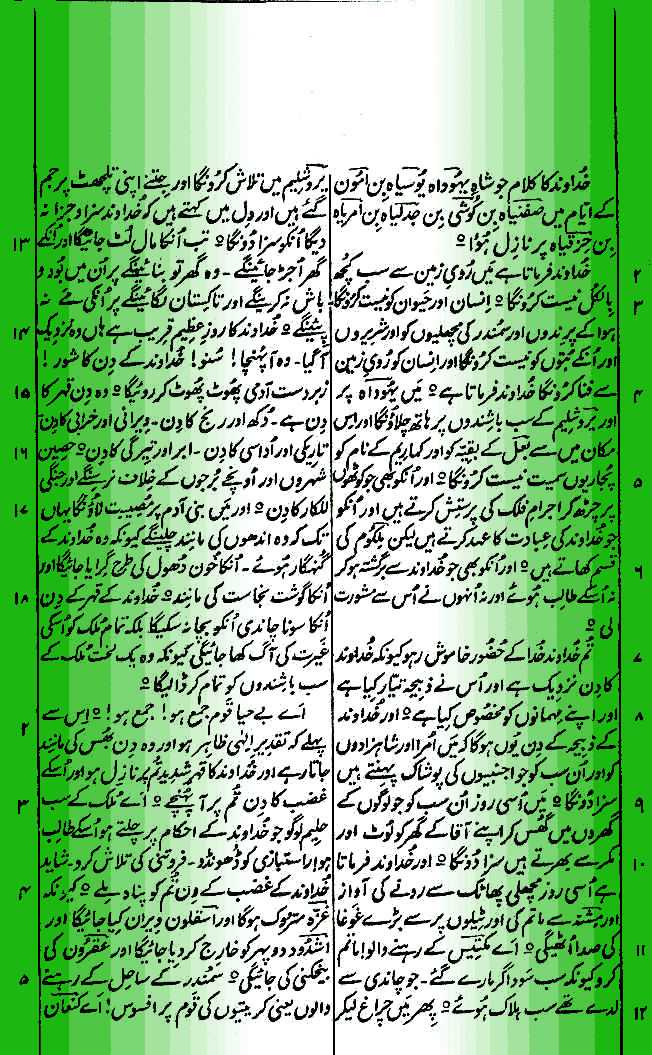
Verse: The word of the LORD which came unto Zephaniah the son of Cushi the son of Gedaliah the son of Amariah the son of Hizkiah in the days of Josiah the son of Amon king of Judah
-
English Explanation: This introductory verse establishes the divine authority and historical context of the prophecy. By tracing his genealogy back four generations to Hizkiah (likely King Hezekiah), Zephaniah highlights his royal lineage. The prophecy is firmly dated during the reign of King Josiah of Judah (640–609 BC), a period marked by religious reforms that unfortunately did not permanently cure the deep-seated spiritual corruption of the nation.
-
Urdu Explanation: یہ تعارفی آیت اس نبوت کے الٰہی اختیار اور تاریخی پس منظر کو قائم کرتی ہے۔ زفنیاہ نے اپنی چار پشتوں کا شجرہ نسب حزقیاہ (جو غالباً بادشاہ حزقیاہ تھا) سے جوڑ کر اپنے شاہی خاندان کو ظاہر کیا۔ یہ نبوت یہوداہ کے بادشاہ امون کے بیٹے یوستیاہ کے دورِ حکومت (640-609 قبل مسیح) میں ہوئی، جو کہ مذہبی اصلاحات کا دور تھا، لیکن بدقسمتی سے یہ اصلاحات قوم کی گہری روحانی بگاڑ کو مستقل طور پر ختم نہ کر سکیں۔
Zephaniah 1:2
Verse: I will utterly consume all things from off the land saith the LORD
-
English Explanation: God announces a terrifying and universal judgment. The phrase “utterly consume” indicates absolute devastation. While the immediate focus is on Judah, the language mirrors the cosmic reversal of creation, warning that no rebellious element will escape the sweeping reach of divine justice.
-
Urdu Explanation: خدا ایک ہولناک اور عالمگیر عدالت کا اعلان کرتا ہے۔ “سب کچھ مٹا دوں گا” کا جملہ مکمل تباہی کی طرف اشارہ کرتا ہے۔ اگرچہ فوری توجہ یہوداہ پر ہے، لیکن یہ زبان تخلیق کے الٹ جانے کی عکاسی کرتی ہے، جو یہ انتباہ دیتی ہے کہ کوئی بھی سرکش عنصر خدا کے انصاف کی گرفت سے بچ نہیں سکے گا۔
Zephaniah 1:3
Verse: I will consume man and beast I will consume the fowls of the heaven and the fishes of the sea and the stumblingblocks with the wicked and I will cut off man from off the land saith the LORD
-
English Explanation: This verse explicitly deconstructs the order of creation established in Genesis. Judgment affects humanity, land animals, birds, and sea creatures. The “stumblingblocks” refer to idols and the corrupt religious systems that led the people into sin, emphasizing that both the wicked and the instruments of their wickedness will be eradicated.
-
Urdu Explanation: یہ آیت واضح طور پر پیدائش کی کتاب میں قائم کردہ تخلیق کی ترتیب کو الٹ دیتی ہے۔ خدا کا انصاف انسانوں، زمینی جانوروں، پرندوں اور سمندری مخلوقات سب پر اثر انداز ہوگا۔ “ٹھوکر کے باعث” سے مراد وہ بت اور بدعنوان مذہبی نظام ہیں جو لوگوں کو گناہ کی طرف لے گئے، جس سے یہ ظاہر ہوتا ہے کہ شریر اور ان کی بدکاری کے ذرائع دونوں ہی ختم کر دیے جائیں گے۔
Zephaniah 1:4
Verse: I will also stretch out mine hand upon Judah and upon all the inhabitants of Jerusalem and I will cut off the remnant of Baal from this place and the name of the Chemarims with the priests
-
English Explanation: The scope of judgment narrows specifically to God’s covenant people in Judah and Jerusalem due to their spiritual adultery. God vows to destroy the remaining traces of Baal worship and expose the “Chemarims” (idolatrous pagan priests) along with the corrupt Levitical priests who compromised their sacred duties.
-
Urdu Explanation: یہوداہ اور یروشلیم کے لوگوں کی روحانی زناکاری (بت پرستی) کی وجہ سے خدا کے انصاف کا دائرہ خاص طور پر ان پر تنگ ہو جاتا ہے۔ خدا عہد کرتا ہے کہ وہ بعل پرستی کے بچے کچھے آثار کو مٹا دے گا اور “کماریم” (بت پرست پجاریوں) کے ساتھ ساتھ ان لاوی کاہنوں کو بھی بے نقاب کرے گا جنہوں نے اپنے مقدس فرائض میں سمجھوتہ کیا۔
Zephaniah 1:5
Verse: And them that worship the host of heaven upon the housetops and them that worship and that swear by the LORD and that swear by Malcham
-
English Explanation: This targets syncretism—the mixing of true faith with pagan practices. People were climbing onto their roofs to worship the stars (astrology) while simultaneously swearing allegiance to Yahweh and the pagan deity Malcham (Molech). God rejects divided loyalty; partial obedience is seen as total disobedience.
-
Urdu Explanation: یہاں “شرک” یا خلط ملط عقائد کو نشانہ بنایا گیا ہے—یعنی سچی الٰہی عبادت کے ساتھ بت پرستی کے طریقوں کو ملانا۔ لوگ اپنے گھروں کی چھتوں پر ستاروں کی پوجا (علم نجوم) کرنے چڑھتے تھے اور ساتھ ہی خداوند کی وفاداری کی قسمیں بھی کھاتے تھے اور جھوٹے دیوتا ملکام (مولک) کی بھی۔ خدا منقسم وفاداری کو مسترد کرتا ہے؛ آدھی فرمانبرداری کو مکمل نافرمانی ہی تصور کیا جاتا ہے۔
Zephaniah 1:6
Verse: And them that are turned back from the LORD and those that have not sought the LORD nor enquired for him
-
English Explanation: Judgment is pronounced on the completely indifferent and apostate. It addresses two groups: those who actively turned away from God after once following Him, and those who simply live secular lives, never seeking His counsel, guidance, or presence.
-
Urdu Explanation: عدالت کا اعلان ان لوگوں پر کیا گیا ہے جو بالکل لاپرواہ اور مرتد ہو چکے ہیں۔ یہ دو گروہوں کو مخاطب کرتا ہے: وہ جو ایک بار خدا کے پیچھے چلنے کے بعد جان بوجھ کر اس سے پھر گئے، اور وہ جو محض دنیاوی زندگی گزارتے ہیں اور کبھی خدا کی مرضی، ہدایت یا اس کی موجودگی کے طالب نہیں ہوتے۔
Zephaniah 1:7
Verse: Hold thy peace at the presence of the Lord GOD for the day of the LORD is at hand for the LORD hath prepared a sacrifice he hath bid his guests
-
English Explanation: The call to “hold thy peace” demands silent, awe-stricken reverence before the sovereign Judge. The “Day of the Lord” is introduced as an imminent reality. In a shocking ironic twist, Judah—who should have been offering acceptable sacrifices to God—has instead become the sacrifice, and foreign invading nations are the “guests” invited to consume them.
-
Urdu Explanation: “خاموش رہو” کا حکم حاکمِ اعلیٰ منصف کے سامنے خاموش اور خوفزدہ تعظیم کا تقاضا کرتا ہے۔ “خداوند کا دن” ایک قریب آنے والی حقیقت کے طور پر متعارف کرایا گیا ہے۔ ایک حیران کن الٹ پھیر میں، یہوداہ—جسے خدا کے لیے قابلِ قبول قربانیاں پیش کرنی چاہیے تھیں—خود قربانی بن چکا ہے، اور بیرونی حملہ آور قومیں وہ “مہمان” ہیں جنہیں انہیں ہلاک کرنے کے لیے بلایا گیا ہے۔
Zephaniah 1:8
Verse: And it shall come to pass in the day of the LORD’s sacrifice that I will punish the princes and the king’s children and all such as are clothed with strange apparel
-
English Explanation: No social class is immune to judgment; the royal family and political leaders are singled out first. “Strange apparel” refers to foreign garments worn to mimic pagan cultures, symbolizing how deeply the leadership had discarded their cultural and spiritual identity to embrace worldly values.
-
Urdu Explanation: کوئی بھی سماجی طبقہ خدا کی عدالت سے محفوظ نہیں ہے؛ شاہی خاندان اور سیاسی رہنماؤں کو سب سے پہلے نشانہ بنایا گیا ہے۔ “غیر ملکی لباس” سے مراد وہ لباس ہیں جو بت پرست ثقافتوں کی نقل میں پہنے جاتے تھے، جو اس بات کی علامت ہے کہ قیادت نے دنیاوی اقدار کو اپنانے کے لیے اپنی ثقافتی اور روحانی شناخت کو کس قدر پسِ پشت ڈال دیا تھا۔
Zephaniah 1:9
Verse: In the same day also will I punish all those that leap on the threshold which fill their masters’ houses with violence and deceit
-
English Explanation: “Leaping on the threshold” may refer to a superstitious Philistine pagan practice (associated with the worship of Dagon) or an idiom for eagerly rushing into homes to plunder them. These corrupt officials filled the palaces and temples with wealth acquired through violent extortion and systemic deceit.
-
Urdu Explanation: “آستانہ پر کودنے” سے مراد یا تو توہم پرستانہ فلسطینی بت پرستی کا طریقہ کار ہو سکتا ہے (جس کا تعلق داجون کی پوجا سے تھا) یا پھر لوٹ مار کے لیے گھروں میں بے تابی سے گھسنے کا محاورہ۔ ان بدعنوان عہدیداروں نے ظلم، تشدد اور دھوکہ دہی کے ذریعے حاصل کی گئی دولت سے اپنے آقاؤں کے گھروں کو بھر دیا تھا۔
Zephaniah 1:10
Verse: And it shall come to pass in that day saith the LORD that there shall be the noise of a cry from the fish gate and an howling from the second and a great crashing from the hills
-
English Explanation: The geography of Jerusalem is used to map out the path of the invading enemy (the Babylonians). The “fish gate” (north) and the “second” quarter (newly developed district) represent the points of breakthrough, where cries of terror and the physical crashing of falling walls echo from the surrounding hills.
-
Urdu Explanation: یروشلیم کے جغرافیہ کو حملہ آور دشمن (بابلیوں) کے راستے کی نشاندہی کے لیے استعمال کیا گیا ہے۔ “مچھلی پھاٹک” (شمال) اور “دوسرا” حصہ (نیا آباد شدہ علاقہ) وہ مقامات ہیں جہاں سے دشمن داخل ہوگا، اور ارد گرد کی پہاڑیوں سے دہشت کی چیخیں اور دیواروں کے گرنے کی آوازیں گونجیں گی۔
Zephaniah 1:11
Verse: Howl ye inhabitants of Maktesh for all the merchant people are cut down all they that bear silver are cut off
-
English Explanation: Maktesh was a market district or valley within Jerusalem where financial trade took place. God addresses the wealthy merchants and elite financiers, warning them that their commercial security and silver will be completely wiped out by the coming invasion.
-
Urdu Explanation: مکتش یروشلیم کا ایک تجارتی علاقہ یا وادی تھی جہاں مالیاتی لین دین ہوتا تھا۔ خدا امیر تاجروں اور سرمایہ داروں کو مخاطب کر کے خبردار کرتا ہے کہ ان کا تجارتی تحفظ اور چاندی آنے والے حملے سے مکمل طور پر نیست و نابود ہو جائے گی۔
Zephaniah 1:12
Verse: And it shall come to pass at that time that I will search Jerusalem with candles and punish the men that are settled on their lees that say in their heart The LORD will not do good neither will he do evil
-
Explanation: God’s judgment is thorough; searching with “candles” implies no hidden corner of sin will escape notice. The phrase “settled on their lees” uses a winemaking metaphor for wine left straining on its dregs, becoming thick and stagnant. It describes spiritually complacent individuals who developed a functional atheism, falsely believing God is indifferent and will never intervene in human affairs.
-
Urdu Explanation: خدا کا انصاف مکمل اور گہرا ہے؛ “چراغ لے کر ڈھونڈنے” کا مطلب یہ ہے کہ گناہ کا کوئی بھی چھپا ہوا گوشہ نظروں سے بچ نہیں سکے گا۔ “جو اپنی تلچھٹ پر جم بیٹھے ہیں” شراب بنانے کے استعارے سے لیا گیا ہے، جو روحانی طور پر سست اور مطمئن لوگوں کو بیان کرتا ہے۔ وہ عملی طور پر الحاد کا شکار ہو چکے تھے اور اپنے دلوں میں سمجھتے تھے کہ خدا غیر جانبدار ہے اور انسانی معاملات میں کبھی مداخلت نہیں کرے گا۔
Zephaniah 1:13
Verse: Therefore their goods shall become a booty and their houses a desolation they shall also build houses but not inhabit them and they shall plant vineyards but not drink the wine thereof
-
English Explanation: This outlines the direct consequences of their spiritual apathy. Futility curses are enacted: all accumulated wealth will be plundered, and the stable life they tried to build through infrastructure and agriculture will be disrupted. They will be exiled before they can enjoy the fruits of their labor.
-
Urdu Explanation: یہ ان کی روحانی غفلت کے براہ راست نتائج کو ظاہر کرتا ہے۔ ان پر ناکامی کی لعنت کا اثر ہوگا: ان کی جمع کی ہوئی تمام دولت لوٹ لی جائے گی، اور جس مستحکم زندگی کو انہوں نے گھروں اور انگور کے باغوں کے ذریعے بنانے کی کوشش کی تھی، وہ برباد ہو جائے گی۔ وہ اپنی محنت کے پھل سے لطف اندوز ہونے سے پہلے ہی جلاوطن کر دیے جائیں گے۔
Zephaniah 1:14
Verse: The great day of the LORD is near it is near and hasteth greatly even the voice of the day of the LORD the mighty man shall cry there bitterly
-
English Explanation: The prophet sounds an urgent alarm. The Day of the Lord is not a distant philosophical concept; it is looming, moving fast, and inevitable. Even the “mighty man”—the elite, seasoned warriors who usually display courage—will weep in absolute despair due to the overwhelming scale of the crisis.
-
Urdu Explanation: نبی ایک فوری خطرے کا الارم بجاتا ہے۔ خداوند کا دن کوئی دور کا فلسفیانہ نظریہ نہیں ہے؛ یہ بہت قریب ہے، تیزی سے بڑھ رہا ہے، اور ناگزیر ہے۔ یہاں تک کہ “سورما” یا بہادر جنگجو بھی، جو عام طور پر شجاعت دکھاتے ہیں، اس بحران کی شدت کی وجہ سے تلخی سے روئیں گے۔
Zephaniah 1:15
Verse: That day is a day of wrath a day of trouble and distress a day of wasteness and desolation a day of darkness and gloominess a day of clouds and thick darkness
-
English Explanation: Through a powerful accumulation of synonyms, Zephaniah captures the terrifying nature of divine judgment. This verse shatters the false expectation that the Day of the Lord would only mean victory over Israel’s political enemies. Instead, it brings cosmic and emotional darkness, distress, and absolute ruin for all who rebel.
-
Urdu Explanation: ہم معنی الفاظ کے ایک طاقتور مجموعے کے ذریعے، زفنیاہ الٰہی عدالت کی ہولناک نوعیت کو بیان کرتا ہے۔ یہ آیت اس جھوٹی امید کو پاش پاش کرتی ہے کہ خداوند کا دن صرف اسرائیل کے سیاسی دشمنوں پر فتح کا دن ہوگا۔ اس کے برعکس، یہ ہر اس شخص کے لیے جو سرکش ہے، کائناتی اور جذباتی تاریکی، پریشانی اور مطلق تباہی لائے گا۔
Zephaniah 1:16
Verse: A day of the trumpet and alarm against the fenced cities and against the high towers
-
English Explanation: The “trumpet” signifies military warfare and siege alarms. Human defenses offer zero protection against divine judgment. The fortified walls and high defensive towers that Judah relied upon for security will easily fall before the execution of God’s decree.
-
Urdu Explanation: “نرسنگے” اور خطرے کی آواز فوجی جنگ اور محاصرے کے الارم کو ظاہر کرتی ہے۔ انسانی دفاع خدا کے انصاف کے سامنے کوئی تحفظ فراہم نہیں کر سکتا۔ وہ قلعہ بند شہر اور اونچے برج جن پر یہوداہ اپنی سلامتی کے لیے بھروسہ کرتا تھا، خدا کے حکم کے سامنے آسانی سے گر جائیں گے۔
Zephaniah 1:17
Verse: And I will bring distress upon men that they shall walk like blind men because they have sinned against the LORD and their blood shall be poured out as dust and their flesh as the dung
-
English Explanation: The judgment leaves humanity disoriented, stumbling like blind men because they have lost their spiritual sight and divine guidance due to sin. The gruesome imagery of blood poured out like worthless dust and flesh treated like common dung emphasizes the complete loss of human dignity during the slaughter.
-
Urdu Explanation: یہ عدالت انسانوں کو حواس باختہ کر دے گی، اور وہ اندھوں کی طرح ٹٹولتے پھریں گے کیونکہ گناہ کی وجہ سے وہ اپنی روحانی بینائی اور الٰہی رہنمائی کھو چکے ہوں گے۔ خون کا خاک کی طرح بہایا جانا اور گوشت کا گوبر کی طرح پھینک دیا جانا اس ہولناک تباہی کے دوران انسانی وقار کی مکمل پامالی کو ظاہر کرتا ہے۔
Zephaniah 1:18
Verse: Neither their silver nor their gold shall be able to deliver them in the day of the LORD’s wrath but the whole land shall be devoured by the fire of his jealousy for he shall make even a speedy riddance of all them that dwell in the land
-
English Explanation: This closes the chapter by exposing the ultimate worthlessness of material wealth. Riches cannot bribe God or buy escape from His wrath. The “fire of his jealousy” represents God’s intense covenant love that turns to fierce anger when betrayed. The judgment will bring a swift, decisive end to the unfaithful inhabitants.
-
Urdu Explanation: یہ آیت مادی دولت کی بے وقتی کو ظاہر کرتے ہوئے باب کو ختم کرتی ہے۔ دولت خدا کو رشوت نہیں دے سکتی اور نہ ہی اس کے غضب سے بچا سکتی ہے۔ “اس کی غیوری کی آگ” خدا کی اس شدید محبت کو ظاہر کرتی ہے جو بے وفائی پر شدید غصے میں بدل جاتی ہے۔ یہ عدالت نافرمان باشندوں کا تیزی سے اور فیصلہ کن خاتمہ کر دے گی۔
Chapter 2
Zephaniah 2:1
Verse: Gather yourselves together yea gather together O nation not desired
-
English Explanation: Despite the terrifying announcements of judgment, God opens a door of grace. He calls Judah—described here as a “nation not desired” (meaning shameless or devoid of spiritual longing)—to assemble collectively. The invitation is to humble themselves as a unified community before it is too late.
-
Urdu Explanation: عدالت کے ہولناک اعلانات کے باوجود، خدا فضل کا دروازہ کھولتا ہے۔ وہ یہوداہ کو—جسے یہاں “بے حیا قوم” (جس میں کوئی شرم یا روحانی تڑپ نہ ہو) کہا گیا ہے—اکٹھے ہونے کی دعوت دیتا ہے۔ یہ دعوت اس لیے ہے کہ اس سے پہلے کہ دیر ہو جائے، وہ بحیثیت قوم خدا کے سامنے خاکسار بنیں۔
Zephaniah 2:2
Verse: Before the decree bring forth before the day pass as the chaff before the fierce anger of the LORD come upon you before the day of the LORD’s anger come upon you
-
English Explanation: Time is of the essence. Zephaniah uses urgent repetition (“before…”) to stress that the window for repentance is closing rapidly. Once the divine decree is executed, opportunity blows away as quickly as chaff in the wind. Immediate action is required to avoid the oncoming fierce anger of Yahweh.
-
Urdu Explanation: وقت بہت قیمتی ہے۔ زفنیاہ بار بار لفظ “اس سے پہلے کہ…” استعمال کر کے اصرار کرتا ہے کہ توبہ کا وقت تیزی سے ختم ہو رہا ہے۔ ایک بار جب الٰہی فرمان جاری ہو گیا، تو موقع ہوا میں بھوسے کی طرح اڑ جائے گا۔ خدا کے شدید غضب سے بچنے کے لیے فوری توبہ کی ضرورت ہے۔
Zephaniah 2:3
Verse: Seek ye the LORD all ye meek of the earth which have wrought his judgment seek righteousness seek meekness it may be ye shall be hid in the day of the LORD’s anger
-
English Explanation: The invitation shifts to a faithful remnant: the “meek of the earth” who already endeavor to live by God’s laws. They are commanded to actively seek three things: the Lord, righteousness, and humility. Zephaniah offers a hopeful “it may be,” indicating that while judgment on the land is inevitable, God provides individual spiritual protection and shelter to the humble.
-
Urdu Explanation: یہ دعوت اب ایک وفادار گروہ کی طرف مڑتی ہے: یعنی “زمین کے حلیم لوگ” جو پہلے ہی خدا کے احکام پر چلنے کی کوشش کرتے ہیں۔ انہیں تین چیزوں کو تلاش کرنے کا حکم دیا گیا ہے: خداوند کو، راستبازی کو، اور حلم (عاجزی) کو۔ زفنیاہ امید دلاتے ہوئے کہتا ہے کہ “شاید تم چھپائے جاؤ،” یعنی اگرچہ ملک پر عدالت ناگزیر ہے، لیکن خدا عاجز لوگوں کو انفرادی طور پر روحانی تحفظ اور پناہ گاہ فراہم کرے گا۔
Zephaniah 2:4
Verse: For Gaza shall be forsaken and Ashkelon a desolation they shall drive out Ashdod at the noon day and Ekron shall be rooted up
-
English Explanation: To demonstrate that God is the sovereign judge of the entire earth, the prophecy shifts outward to Israel’s neighbors, starting with the Philistines to the west. Zephaniah lists four major Philistine cities (Gaza, Ashkelon, Ashdod, Ekron) using wordplay to predict their total ruin. Being driven out at “noon day” implies a surprise attack in broad daylight when they least expect it.
-
Urdu Explanation: یہ ظاہر کرنے کے لیے کہ خدا پوری زمین کا حاکمِ اعلیٰ منصف ہے، یہ نبوت اسرائیل کے پڑوسیوں کی طرف مڑتی ہے، جس کی شروعات مغرب میں فلسطینیوں سے ہوتی ہے۔ زفنیاہ چار بڑے فلسطینی شہروں (غزہ، عسقلان، اشدود، عقرون) کا ذکر کرتا ہے اور ان کی مکمل بربادی کی پیشگوئی کرتا ہے۔ “دوپہر کے وقت” نکالے جانے کا مطلب عین دن کے اجالے میں ایک اچانک حملہ ہے جب انہیں اس کی بالکل امید نہ ہو۔
Zephaniah 2:5
Verse: Woe unto the inhabitants of the sea coast the nation of the Cherethites the word of the LORD is against you O Canaan the land of the Philistines I will even destroy thee that there shall be no inhabitant
-
English Explanation: The prophetic denunciation falls upon the Philistines living along the Mediterranean coast, identified here as the “Cherethites.” God’s word acts as an active weapon set against them. The territory of Canaan, historically occupied by these hostile neighbors, is marked for absolute depopulation and destruction, proving that no pagan nation can escape God’s sovereign justice.
-
Urdu Explanation: یہ نبوتی ملامت بحیرہ روم کے ساحل پر رہنے والے فلسطینیوں پر نازل ہوتی ہے، جنہیں یہاں “کریتھیوں” کے نام سے پکارا گیا ہے۔ خدا کا کلام ان کے خلاف ایک فعال ہتھیار کا کام کرتا ہے۔ ملکِ کنعان، جس پر تاریخی طور پر ان دشمن پڑوسیوں کا قبضہ رہا ہے، مکمل تباہی اور آبادی کے خاتمے کے لیے نامزد کیا گیا ہے، جس سے یہ ثابت ہوتا ہے کہ کوئی بھی غیر قوم خدا کے حاکمانہ انصاف سے بچ نہیں سکتی۔