Verse-by-Verse Commentary & Explanation
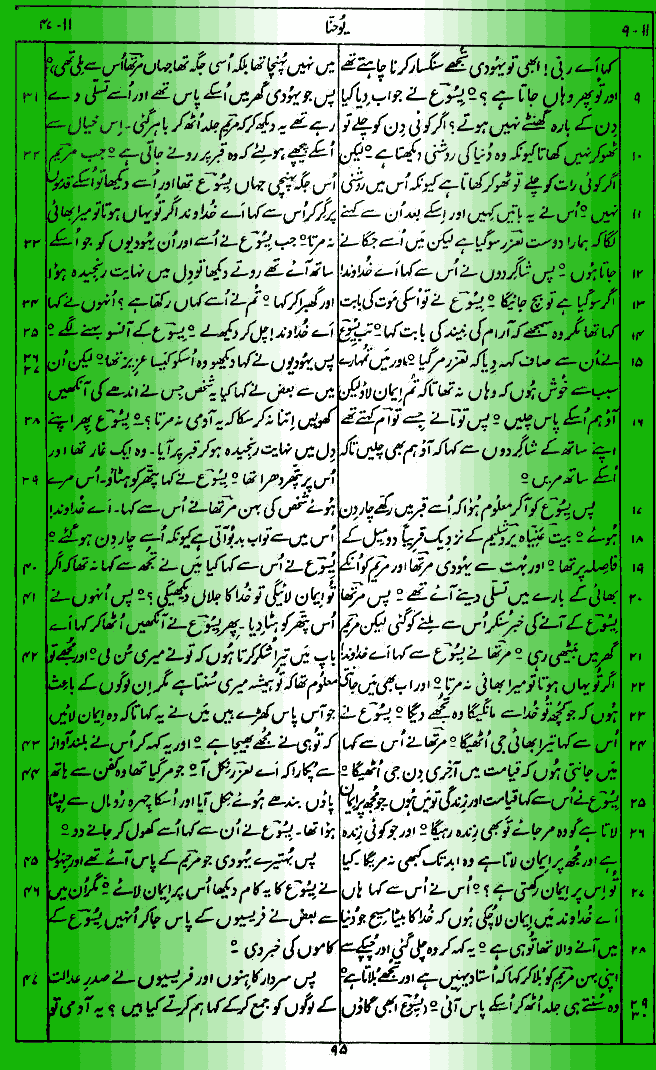
John 11:9
Verse: Jesus answered Are there not twelve hours in the day? If any man walk in the day he stumbleth not because he seeth the light of this world.
-
English Explanation: Jesus responds to His disciples’ fear of returning to Judea by using a metaphor of daylight. In ancient Jewish timekeeping, daylight was divided into twelve equal hours. Walking during this time is safe because the physical sun illuminates the path. Spiritually, Jesus is saying that He is operating within God’s appointed time and under divine protection. As long as He is doing the Father’s will, no harm can touch Him prematurely.
-
Urdu Explanation (اردو تفسیر): یسوع نے اپنے شاگردوں کے یہودیہ واپس جانے کے خوف کا جواب دن کی روشنی کے استعارے سے دیا۔ قدیم یہودی نظام کے مطابق، دن بارہ گھنٹوں کا ہوتا تھا۔ دن کے وقت چلنا محفوظ ہے کیونکہ دنیا کا سورج راستہ روشن کرتا ہے۔ روحانی طور پر، ییسوع فرما رہے ہیں کہ وہ خدا کے مقرر کردہ وقت اور اس کی پناہ میں کام کر رہے ہیں۔ جب تک وہ باپ کی مرضی پوری کر رہے ہیں، کوئی بھی انہیں وقت سے پہلے نقصان نہیں پہنچا سکتا۔
John 11:10
Verse: But if a man walk in the night he stumbleth because there is no light in him.
-
English Explanation: Walking at night represents operating outside of God’s timing, will, or spiritual light. Without the divine light guiding a person, moral and spiritual stumbling is inevitable. Jesus emphasizes that staying aligned with God’s purpose prevents fear and failure.
-
Urdu Explanation (اردو تفسیر): رات کو چلنا خدا کے مقرر کردہ وقت، مرضی یا روحانی روشنی کے بغیر کام کرنے کو ظاہر کرتا ہے۔ جب انسان کے اندر الٰہی روشنی نہیں ہوتی، تو اخلاقی اور روحانی طور پر ٹھوکر کھانا لازمی ہے۔ یسوع اس بات پر زور دیتے ہیں کہ خدا کے مقصد کے مطابق چلنا انسان کو خوف اور ناکامی سے بچاتا ہے۔
John 11:11
Verse: These things said he and after that he saith unto them Our friend Lazarus sleepeth but I go that I may awake him out of sleep.
-
English Explanation: Jesus uses the metaphor of “sleep” to describe Lazarus’s physical death. From a human perspective, death is permanent, but from Christ’s divine perspective, death is as temporary and easily reversed as waking someone from a nap. This shows Jesus’ absolute authority over mortality.
-
Urdu Explanation (اردو تفسیر): یسوع نے لعزر کی جسمانی موت کو بیان کرنے کے لیے “سونے” کا استعارہ استعمال کیا۔ انسانی نقطہ نظر سے موت دائمی ہے، لیکن مسیح کے الٰہی نقطہ نظر سے، موت اتنی ہی عارضی ہے جیسے کسی کو نیند سے جگانا۔ یہ موت پر یسوع کے مکمل اختیار کو ظاہر کرتا ہے۔
John 11:12
Verse: Then said his disciples Lord if he sleep he shall do well.
-
English Explanation: The disciples take Jesus literally, thinking that if Lazarus is sleeping, it is a good sign of physical recovery from illness. They use this logic to suggest that Jesus does not need to risk going to Judea.
-
Urdu Explanation (اردو تفسیر): شاگردوں نے یسوع کی بات کا لفظی مطلب لیا۔ انہوں نے سوچا کہ اگر لعزر سو رہا ہے، تو یہ بیماری سے صحت یابی کی اچھی علامت ہے۔ انہوں نے اس منطق کو استعمال کرتے ہوئے یہ جتانے کی کوشش کی کہ یسوع کو یہودیہ جا کر خطرہ مول لینے کی ضرورت نہیں ہے۔
John 11:13
Verse: Howbeit Jesus spake of his death but they thought that he had spoken of taking of rest in sleep.
-
English Explanation: The Gospel writer clarifies the misunderstanding. Jesus was talking about Lazarus’s actual death, while the disciples were thinking only of natural, restorative bodily sleep.
-
Urdu Explanation (اردو تفسیر): انجیل کا مصنف یہاں غلط فہمی کو دور کرتا ہے۔ یسوع لعزر کی حقیقی موت کے بارے میں بات کر رہے تھے، جبکہ شاگرد صرف قدرتی اور جسمانی آرام (نیند) کے بارے میں سوچ رہے تھے۔
John 11:14
Verse: Then said Jesus unto them plainly Lazarus is dead.
-
English Explanation: To remove all confusion and ambiguous interpretations, Jesus speaks bluntly and directly to His disciples, confirming that Lazarus has indeed passed away.
-
Urdu Explanation (اردو تفسیر): تمام تر الجھنوں اور غلط فہمیوں کو دور کرنے کے لیے، یسوع نے اپنے شاگردوں سے صاف اور سیدھے لفظوں میں فرمایا کہ لعزر مر گیا ہے۔
John 11:15
Verse: And I am glad for your sakes that I was not there to the intent ye may believe nevertheless let us go unto him.
-
English Explanation: Jesus expresses gladness not because Lazarus died, but because His absence allowed room for a massive, undeniable miracle that would solidify the disciples’ faith. Preventing the death would have been a healing; raising him from the dead would build monumental belief.
-
Urdu Explanation (اردو تفسیر): یسوع نے اس بات پر خوشی کا اظہار کیا کہ وہ وہاں موجود نہیں تھے، اس لیے نہیں کہ لعزر مر گیا، بلکہ اس لیے کہ ان کی غیر موجودگی نے ایک عظیم اور ناقابلِ انکار معجزے کی راہ ہموار کی جو شاگردوں کے ایمان کو مضبوط کرے گا۔ موت کو روکنا شفا دینا ہوتا، لیکن مردے کو زندہ کرنا ایمان کی ایک نئی بنیاد رکھنا تھا۔
John 11:16
Verse: Then said Thomas which is called Didymus unto his fellowdisciples Let us also go that we may die with him.
-
English Explanation: Thomas (Didymus means “the twin”) displays a mix of loyalty and pessimistic courage. He expects that returning to Judea will result in Jesus’ and their own deaths by the hands of hostile religious leaders, yet he is willing to go and die alongside his Master.
-
Urdu Explanation (اردو تفسیر): تھوما (جسے دیدمُس یعنی جڑواں بھی کہا جاتا ہے) نے یہاں وفاداری اور مایوسی پر مبنی بہادری کا مظاہرہ کیا۔ اسے یقین تھا کہ یہودیہ واپسی کا نتیجہ یسوع اور ان کی اپنی موت کی صورت میں نکلے گا، پھر بھی وہ اپنے استاد کے ساتھ جانے اور مرنے کے لیے تیار تھا۔
John 11:17
Verse: Then when Jesus came he found that he had lain in the grave four days already.
-
English Explanation: By the time Jesus arrives in Bethany, Lazarus has been dead and buried for four days. In Jewish tradition, it was believed that the soul hovered near the body for three days, but by the fourth day, decomposition had begun and hope was entirely gone. This timeline establishes the absolute reality of the miracle to follow.
-
Urdu Explanation (اردو تفسیر): جب یسوع بیت عنیاہ پہنچے تو لعزر کو قبر میں رکھے چار دن ہو چکے تھے۔ یہودی روایت کے مطابق، یہ مانا جاتا تھا کہ روح تین دن تک جسم کے گرد منڈلاتی ہے، لیکن چوتھے دن تک جسم گلنا شروع ہو جاتا ہے اور امید پوری طرح ختم ہو جاتی ہے۔ یہ وقت آنے والے معجزے کی سچائی کو ثابت کرنے کے لیے اہم تھا۔
John 11:18
Verse: Now Bethany was nigh unto Jerusalem about fifteen furlongs off
-
English Explanation: The author provides geographical context. Fifteen furlongs is approximately two miles. This short distance explains why so many people from Jerusalem could easily travel to Bethany to comfort the grieving family, setting up a large crowd of eyewitnesses.
-
Urdu Explanation (اردو تفسیر): مصنف یہاں جغرافیائی پس منظر بیان کرتا ہے۔ پندرہ فرلانگ کا فاصلہ تقریباً دو میل بنتا ہے۔ اس قریبی فاصلے سے یہ واضح ہوتا ہے کہ کیوں یروشلم سے اتنے لوگ غمزدہ خاندان کو تسلی دینے آسانی سے بیت عنیاہ پہنچ گئے، جس سے وہاں عینی شاہدین کا ایک بڑا ہجوم جمع ہو گیا۔
John 11:19
Verse: And many of the Jews came to Martha and Mary to comfort them concerning their brother.
-
English Explanation: The presence of “many of the Jews” highlights that Lazarus, Martha, and Mary were well-respected members of their community. It also ensures that the upcoming miracle would be witnessed by a diverse, and potentially skeptical, crowd.
-
Urdu Explanation (اردو تفسیر): “بہت سے یہودیوں” کی موجودگی یہ ظاہر کرتی ہے کہ لعزر، مرتھا اور مریم معاشرے میں عزت دار لوگ تھے۔ اس سے یہ بھی یقینی ہوا کہ آنے والے معجزے کو دیکھنے کے لیے ایک بڑا اور ہر طرح کا ہجوم موجود تھا۔
John 11:20
Verse: Then Martha as soon as she heard that Jesus was coming went and met him but Mary sat still in the house.
-
English Explanation: This verse reflects the distinct personalities of the two sisters. Martha, active and practical, rushes out to meet Jesus as soon as she hears of His approach. Mary, deeply consumed by grief, remains seated in the house.
-
Urdu Explanation (اردو تفسیر): یہ آیت دونوں بہنوں کی الگ الگ شخصیات کو ظاہر کرتی ہے۔ مرتھا، جو متحرک اور عملی طبیعت کی مالک تھی، یسوع کی آمد کی خبر سنتے ہی دوڑ پڑی۔ مریم، جو گہرے غم میں ڈوبی ہوئی تھی، گھر میں ہی بیٹھی رہی۔
John 11:21
Verse: Then said Martha unto Jesus Lord if thou hadst been here my brother had not died.
-
English Explanation: Martha expresses a combination of regret and faith. She is confident that Jesus had the power to heal Lazarus while he was still alive, believing that His physical presence would have averted the tragedy.
-
Urdu Explanation (اردو تفسیر): مرتھا نے افسوس اور ایمان کے ملے جلے جذبات کا اظہار کیا۔ اسے یقین تھا کہ یسوع کے پاس لعزر کو زندہ حالت میں شفا دینے کی طاقت تھی، اور ان کی موجودگی اس سانحے کو روک سکتی تھی۔
John 11:22
Verse: But I know that even now whatsoever thou wilt ask of God God will give it thee.
-
English Explanation: Even in her deep grief, Martha displays remarkable spiritual insight. Although she might not be expecting a resurrection right then, she affirms her unwavering belief in Jesus’ unique relationship and favor with God the Father.
-
Urdu Explanation (اردو تفسیر): اپنے گہرے غم کے باوجود، مرتھا نے گہرے روحانی ایمان کا مظاہرہ کیا۔ اگرچہ وہ شاید اس وقت جی اٹھنے کی امید نہیں کر رہی تھی، پھر بھی اس نے باپ خدا کے ساتھ یسوع کے گہرے تعلق اور قبولیت پر اپنے غیر متزلزل ایمان کا اظہار کیا۔
John 11:23
Verse: Jesus saith unto her Thy brother shall rise again.
-
English Explanation: Jesus offers a promise that has both an immediate and an eternal fulfillment. He tests and stretches Martha’s faith by assuring her that death does not have the final word over her brother.
-
Urdu Explanation (اردو تفسیر): یسوع نے ایک ایسا وعدہ کیا جس کی فوری اور ابدی دونوں تعبیریں تھیں۔ انہوں نے مرتھا کو یہ یقین دلا کر اس کے ایمان کو آزمایا کہ موت لعزر پر آخری اختیار نہیں رکھتی۔
John 11:24
Verse: Martha saith unto him I know that he shall rise again in the resurrection at the last day.
-
English Explanation: Martha responds with standard orthodox Jewish theology of the time—specifically the Pharisaic belief in the general resurrection of the righteous at the end of the age. She does not yet realize that the Author of resurrection is standing right in front of her.
-
Urdu Explanation (اردو تفسیر): مرتھا نے اس وقت کے روایتی یہودی عقیدے کے مطابق جواب دیا—یعنی آخری دن راستبازوں کے دوبارہ جی اٹھنے پر فریسیوں کا عقیدہ۔ وہ ابھی تک یہ نہیں سمجھ پائی تھی کہ قیامت (دوبارہ جی اٹھنے) کا بانی خود اس کے سامنے کھڑا ہے۔
John 11:25
Verse: Jesus said unto her I am the resurrection and the life he that believeth in me though he were dead yet shall he live
-
English Explanation: In one of the most profound statements in the New Testament, Jesus redirects Martha’s faith from a future event to a present Person. He claims to be the very source of resurrection and eternal life. Physical death cannot destroy the eternal life granted to a believer.
-
Urdu Explanation (اردو تفسیر): عہدِ جدید کے سب سے گہرے بیانات میں سے ایک میں، یسوع نے مرتھا کے ایمان کو ایک مستقبل کے واقعے سے ہٹا کر ایک موجودہ شخصیت (خود پر) مرکوز کیا۔ انہوں نے دعویٰ کیا کہ وہ خود قیامت اور زندگی کا سرچشمہ ہیں۔ جسمانی موت اس ابدی زندگی کو ختم نہیں کر سکتی جو ایک ایماندار کو ملتی ہے۔
John 11:26
Verse: And whosoever liveth and believeth in me shall never die. Believest thou this?
-
English Explanation: Jesus clarifies that spiritual life in Him transcends physical death; a believer’s soul will never experience eternal separation from God. He finishes with a direct, personal challenge to Martha, asking her to commit to this profound truth.
-
Urdu Explanation (اردو تفسیر): یسوع واضح کرتے ہیں کہ ان میں پائی جانے والی روحانی زندگی جسمانی موت سے بالاتر ہے؛ ایک ایماندار کی روح خدا سے کبھی ابدی طور پر جدا نہیں ہوگی۔ انہوں نے مرتھا سے ایک سیدھا سوال پوچھا تاکہ وہ اس گہری سچائی کا اقرار کرے۔
John 11:27
Verse: She saith unto him Yea Lord I believe that thou art the Christ the Son of God which should come into the world.
-
English Explanation: Martha delivers a magnificent confession of faith, ranking alongside Peter’s confession. She affirms Jesus as the Messiah (Christ), the Son of God, and the long-awaited Savior prophesied to enter the world.
-
Urdu Explanation (اردو تفسیر): مرتھا نے ایمان کا ایک شاندار اقرار کیا، جو پطرس کے اقرار کے برابر ہے۔ اس نے یسوع کو مسیح، خدا کا بیٹا، اور دنیا میں آنے والے موعود نجات دہندہ کے طور پر تسلیم کیا۔
John 11:28
Verse: And when she had so said she went her way and called Mary her sister secretly saying The Master is come and calleth for thee.
-
English Explanation: After her confession, Martha returns to get her sister. She delivers the message “secretly” to avoid drawing the immediate attention of the potentially hostile or overwhelming crowd of mourners to Jesus’ location outside the village.
-
Urdu Explanation (اردو تفسیر): اپنے اقرارِ ایمان کے بعد، مرتھا اپنی بہن کو بلانے واپس گئی۔ اس نے یہ پیغام “خفیہ طور پر” دیا تاکہ وہاں موجود یہودی ماتم داروں کے ہجوم کی توجہ گاؤں سے باہر یسوع کی موجودگی کی طرف نہ جائے۔
John 11:29
Verse: As soon as she heard that she arose quickly and came unto him.
-
English Explanation: Upon hearing that the Master was asking for her, Mary immediately drops her posture of static mourning and rushes to meet Jesus, showing her deep devotion and urgency.
-
Urdu Explanation (اردو تفسیر): جیسے ہی مریم نے سنا کہ استاد اسے بلا رہے ہیں، اس نے فوراً اپنا ماتم ترک کیا اور یسوع سے ملنے دوڑی، جو اس کی گہری عقیدت اور بے تابی کو ظاہر کرتا ہے۔
John 11:30
Verse: Now Jesus was not yet come into the town but was in that place where Martha met him.
-
English Explanation: Jesus deliberately remained outside the immediate boundaries of the village, likely to keep the encounter personal before making His public move toward the tomb.
-
Urdu Explanation (اردو تفسیر): یسوع جان بوجھ کر گاؤں کی حدود سے باہر ہی رہے، تاکہ قبر کی طرف عوامی پیش قدمی سے پہلے اس ملاقات کو ذاتی اور پرسکون رکھ سکیں۔
John 11:31
Verse: The Jews then which were with her in the house and comforted her when they saw Mary that she rose up hastily and went out followed her saying She goeth unto the grave to weep there.
-
English Explanation: The visiting mourners mistake Mary’s sudden departure as a rush to weep at Lazarus’s tomb. By following her to comfort her, they unwittingly become the necessary crowd of witnesses for the miracle Jesus is about to perform.
-
Urdu Explanation (اردو تفسیر): ماتم کے لیے آئے ہوئے یہودیوں نے مریم کے اچانک جانے کو یہ سمجھا کہ وہ لعزر کی قبر پر رونے جا رہی ہے۔ اس کو تسلی دینے کے لیے جب وہ اس کے پیچھے چلے، تو وہ نادانستہ طور پر اس عظیم معجزے کے گواہ بن گئے جو یسوع کرنے والے تھے۔
John 11:32
Verse: Then when Mary was come where Jesus was and saw him she fell down at his feet saying unto him Lord if thou hadst been here my brother had not died.
-
English Explanation: Mary greets Jesus with the exact same words of grief and limited understanding as Martha did, but her posture is different—she falls at His feet in profound sorrow and reverence, displaying her raw emotion.
-
Urdu Explanation (اردو تفسیر): مریم نے یسوع سے بعینہ وہی الفاظ کہے جو مرتھا نے کہے تھے، لیکن اس کا انداز مختلف تھا—وہ گہرے غم اور تعظیم کے ساتھ ان کے قدموں میں گر پڑی، جو اس کے دلی جذبات کی عکاسی کرتا ہے۔
John 11:33
Verse: When Jesus therefore saw her weeping and the Jews also weeping which came with her he groaned in the spirit and was troubled
-
English Explanation: Seeing the raw anguish of Mary and the crowd deeply impacts Jesus. The phrase “groaned in the spirit” originates from a Greek word (enebrimesato) that suggests deep, churning emotional distress, indignation, and anger against the unnatural tyranny of death and sin over humanity.
-
Urdu Explanation (اردو تفسیر): مریم اور ہجوم کا رونا دیکھ کر یسوع کے دل پر گہرا اثر ہوا۔ “روح میں نہایت رنجیدہ ہوا” کا جملہ یونانی لفظ سے نکلا ہے جو گہرے اندرونی دکھ اور اس موت اور گناہ کے خلاف غصے کو ظاہر کرتا ہے جس نے انسان کو لاچار کر رکھا ہے۔
John 11:34
Verse: And said Where have ye laid him? They said unto him Lord come and see.
-
English Explanation: Jesus asks for the location of the burial site. The response, “Lord, come and see,” echoes the phrase used earlier in the Gospel when Jesus invited disciples to follow Him, but here it marks His invitation to face death directly.
-
Urdu Explanation (اردو تفسیر): یسوع نے پوچھا کہ اسے کہاں رکھا ہے؟ انہوں نے جواب دیا “اے خداوند! چل کر دیکھ لے”۔ یہ الفاظ اس دعوت کی یاد دلاتے ہیں جو یسوع نے شاگردوں کو دی تھی، لیکن یہاں یہ موت کا سامنا کرنے کا ایک منظر ہے۔
John 11:35
Verse: Jesus wept.
-
English Explanation: The shortest and one of the most profound verses in Scripture. It showcases Jesus’ full humanity and deep empathy. Even though He knew He was about to raise Lazarus, He still shared the genuine, present sorrow of His friends.
-
Urdu Explanation (اردو تفسیر): یہ پاک کلام کی سب سے چھوٹی اور گہری ترین آیات میں سے ایک ہے۔ یہ یسوع کی مکمل انسانیت اور ہمدردی کو ظاہر کرتی ہے۔ اگرچہ وہ جانتے تھے کہ وہ لعزر کو زندہ کرنے والے ہیں، پھر بھی انہوں نے اپنے دوستوں کے حقیقی غم میں شرکت کی اور رو پڑے۔
John 11:36
Verse: Then said the Jews Behold how he loved him!
-
English Explanation: The onlookers interpret Jesus’ tears as a sign of intense affection for Lazarus. They recognize the deep bond and love He shared with this family.
-
Urdu Explanation (اردو تفسیر): وہاں موجود لوگوں نے یسوع کے آنسوؤں کو دیکھ کر کہا کہ دیکھو وہ اس سے کتنی محبت رکھتا تھا! انہوں نے اس گہرے رشتے کو محسوس کیا جو یسوع کا اس خاندان کے ساتھ تھا۔
John 11:37
Verse: And some of them said Could not this man which opened the eyes of the blind have caused that even this man should not have died?
-
English Explanation: Some in the crowd display skepticism or confusion. Remembering His previous miracle of healing the blind man (John 9), they wonder why a person with such extraordinary power let His close friend die.
-
Urdu Explanation (اردو تفسیر): ہجوم میں سے کچھ لوگوں نے شک یا الجھن کا اظہار کیا۔ اندھے کو شفا دینے کے پچھلے معجزے (یوحنا 9) کو یاد کرتے ہوئے، انہوں نے سوچا کہ اتنی بڑی طاقت رکھنے والے نے اپنے عزیز دوست کو مرنے کیوں دیا۔
John 11:38
Verse: Jesus therefore again groaning in himself cometh to the grave. It was a cave and a stone lay upon it.
-
English Explanation: Deeply moved once again by the lingering unbelief and the reality of death, Jesus reaches the tomb. The description of the grave—a cave with a stone sealing it—sets the stage for an ultimate display of divine resurrection power.
-
Urdu Explanation (اردو تفسیر): لوگوں کی بے اعتمادی اور موت کی حقیقت پر ایک بار پھر دل میں رنجیدہ ہو کر یسوع قبر پر آئے۔ قبر کا منظر—ایک غار جس پر پتھر رکھا تھا—خداوند کی جلالی قدرت کے ظہور کے لیے تیار تھا۔
John 11:39
Verse: Jesus said Take ye away the stone. Martha the sister of him that was dead saith unto him Lord by this time he stinketh for he hath been dead four days.
-
English Explanation: Jesus commands the human barrier to be removed. Martha, ever the realist, objects due to the inevitable foul odor of decomposition after four days. This objection highlights the harsh reality of irreversible physical death, confirming no natural revival was possible.
-
Urdu Explanation (اردو تفسیر): یسوع نے پتھر ہٹانے کا حکم دیا۔ مرتھا نے، جو زمینی حقیقت پسند تھی، چار دن گزر جانے کی وجہ سے لاش سے آنے والی بو کا ذکر کر کے اعتراض کیا۔ اس اعتراض نے ثابت کیا کہ موت مکمل ہو چکی تھی اور کوئی قدرتی واپسی ممکن نہ تھی۔
John 11:40
Verse: Jesus saith unto her Said I not unto thee that if thou wouldest believe thou shouldest see the glory of God?
-
English Explanation: Jesus gently rebukes Martha’s hesitation, reminding her that faith precedes seeing the miraculous manifestation of God’s glory. He calls her to trust His word over physical constraints.
-
Urdu Explanation (اردو تفسیر): یسوع نے مرتھا کی ہچکچاہٹ پر اسے نرمی سے ٹوکا اور یاد دلایا کہ خدا کے جلال کو دیکھنے کے لیے ایمان لانا پہلی شرط ہے۔ انہوں نے اسے ظاہری حالات کے بجائے ان کے الفاظ پر بھروسہ کرنے کو کہا۔
John 11:41
Verse: Then they took away the stone from the place where the dead was laid. And Jesus lifted up his eyes and said Father I thank thee that thou hast heard me.
-
English Explanation: The stone is rolled away, and Jesus prays publicly. Instead of asking for something new, He starts with thanksgiving, demonstrating His unbroken fellowship and alignment with the Father’s will.
-
Urdu Explanation (اردو تفسیر): چنانچہ انہوں نے پتھر کو ہٹا دیا۔ یسوع نے آسمان کی طرف آنکھیں اٹھائیں اور دعا کی۔ مانگنے کے بجائے انہوں نے شکرگزاری سے شروعات کی، جو باپ کے ساتھ ان کی کامل ہم آہنگی اور اتحاد کو ظاہر کرتی ہے۔
John 11:42
Verse: And I knew that thou hearest me always but because of the people which stand by I said it that they may believe that thou hast sent me.
-
English Explanation: Jesus explicitly states that His audible prayer is for the benefit of the surrounding crowd. He wants everyone to understand that the miracle about to happen is not magic, but validation that He is truly sent by God the Father.
-
Urdu Explanation (اردو تفسیر): یسوع نے واضح کیا کہ ان کی یہ بلند آواز میں دعا وہاں موجود لوگوں کے فائدے کے لیے تھی۔ وہ چاہتے تھے کہ سب جان لیں کہ یہ معجزہ کوئی جادو نہیں، بلکہ اس بات کی تصدیق ہے کہ انہیں باپ خدا نے ہی بھیجا ہے۔
John 11:43
Verse: And when he thus had spoken he cried with a loud voice Lazarus come forth.
-
English Explanation: Jesus calls out with absolute authority, naming Lazarus specifically. Scholars often note that if Jesus had not specified Lazarus’s name, the sheer power of His voice might have emptied the entire graveyard.
-
Urdu Explanation (اردو تفسیر): یسوع نے پورے اختیار کے ساتھ پکارا اور خاص طور پر لعزر کا نام لیا۔ مفسرین کہتے ہیں کہ اگر یسوع لعزر کا نام نہ لیتے، تو ان کی آواز کی قدرت سے شاید پوری قبرستان کے مردے جی اٹھتے۔
John 11:44
Verse: And he that was dead came forth bound hand and foot with graveclothes and his face was bound about with a napkin. Jesus saith unto them Loose him and let him go.
-
English Explanation: The miraculous event takes place instantly: Lazarus walks out, still wrapped in burial linens. Jesus commands the community to participate by unbinding him, transitioning Lazarus from the state of death back into active fellowship.
-
Urdu Explanation (اردو تفسیر): معجزہ فوراً رونما ہوا: وہ جو مر گیا تھا، کفن میں لپٹے ہوئے باہر نکل آیا۔ یسوع نے وہاں موجود لوگوں کو حکم دیا کہ اسے کھول دو تاکہ وہ جا سکے۔ اس طرح لعزر موت کی حالت سے نکل کر دوبارہ زندگی میں واپس آگیا۔
John 11:45
Verse: Then many of the Jews which came to Mary and had seen the things which Jesus did believed on him.
-
English Explanation: The immediate result of this undeniable miracle is a wave of saving faith. Many of the mourning Jews who came to support Mary witness the resurrection and place their trust in Jesus as the Messiah.
-
Urdu Explanation (اردو تفسیر): اس ناقابلِ انکار معجزے کا فوری نتیجہ ایمان لانے کی صورت میں نکلا۔ بہت سے یہودی جو مریم کی تسلی کے لیے آئے تھے، اس معجزے کو دیکھ کر یسوع پر ایمان لے آئے۔
John 11:46
Verse: But some of them went their ways to the Pharisees and told them what things Jesus had done.
-
English Explanation: In stark contrast to those who believed, some witnesses immediately act as informants, reporting the event to the religious authorities (Pharisees), showing that even the greatest miracles cannot soften a hardened, cynical heart.
-
Urdu Explanation (اردو تفسیر): ایمان لانے والوں کے برعکس، کچھ لوگ مخبر بن گئے اور فوراً جا کر فریسیوں (مذہبی رہنماؤں) کو مطلع کیا۔ یہ ظاہر کرتا ہے کہ بڑے سے بڑا معجزہ بھی سخت اور ہٹ دھرم دل کو موم نہیں کر سکتا۔
John 11:47
Verse: Then gathered the chief priests and the Pharisees a council and said What do we? for this man doeth many miracles.
-
English Explanation: The religious leadership calls an emergency council (the Sanhedrin). Strikingly, they do not deny the reality of Jesus’ miracles; instead, they view His divine signs as a political threat to their status and power, setting into motion the plot to put Him to death.
-
Urdu Explanation (اردو تفسیر): مذہبی رہنماؤں (صدر عدالت) نے ہنگامی اجلاس بلایا۔ حیرت کی بات یہ ہے کہ انہوں نے یسوع کے معجزات کا انکار نہیں کیا، بلکہ ان الٰہی نشانات کو اپنے اقتدار اور مرتبے کے لیے ایک سیاسی خطرہ سمجھا، اور یہیں سے انہوں نے یسوع کو قتل کرنے کا منصوبہ بنانا شروع کیا۔