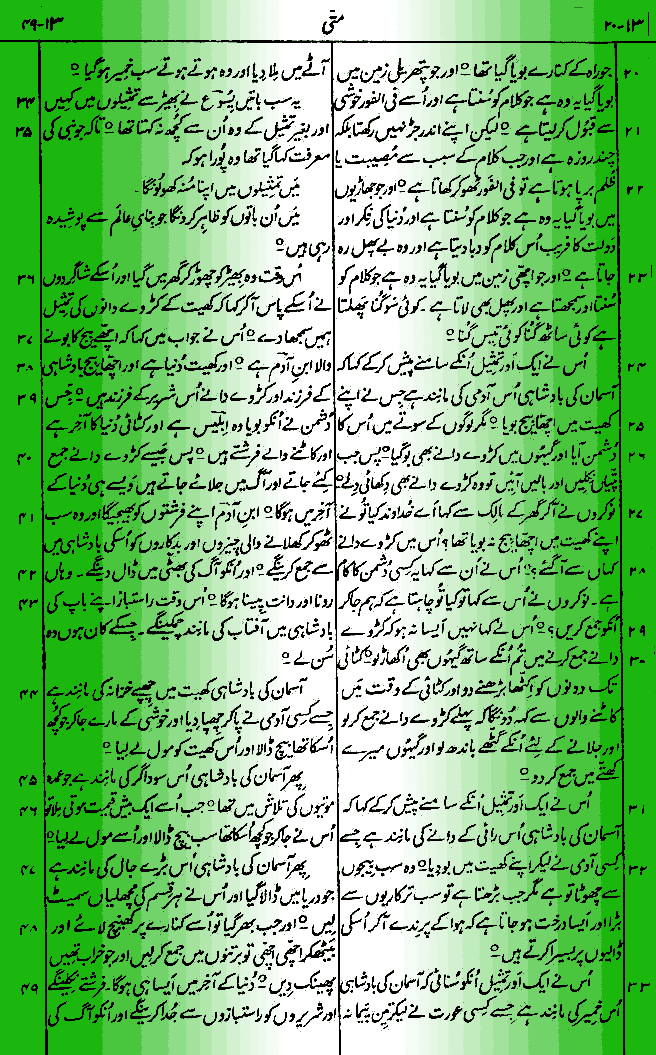
Matthew 13:20
Verse
But he that received the seed into stony places the same is he that heareth the word and anon with joy receiveth it
English Explanation
This verse details the second type of heart encountered in the Parable of the Sower. The “stony places” represent a person with a shallow emotional response to the Gospel. When they first hear the Word of God, they receive it immediately (“anon”) with immense enthusiasm and joy. However, because there is no deep conviction or genuine spiritual transformation, the reception is superficial. They are moved by the emotional benefits of faith without counting the cost of discipleship.
Urdu Explanation
یہ آیت بیج بونے والے کی تمثیل میں دل کی دوسری حالت کو بیان کرتی ہے۔ “پتھریلی زمین” سے مراد وہ انسان ہے جو خدا کے کلام پر سطحی اور جذباتی ردعمل کا اظہار کرتا ہے۔ جب وہ پہلی بار انجیل کا پیغام سنتا ہے تو فوراً (“anon”) اسے بڑی خوشی اور جوش کے ساتھ قبول کر لیتا ہے۔ لیکن چونکہ اس کے اندر گہری توبہ یا حقیقی روحانی تبدیلی نہیں ہوتی، اس لیے یہ قبولیت صرف اوپری سطح تک محدود رہتی ہے۔ وہ مریدی کی قیمت چکائے بغیر ایمان کے جذباتی فائدوں سے متاثر ہوتا ہے۔
Matthew 13:21
Verse
Yet hath he not root in himself but dureth for a while for when tribulation or persecution ariseth because of the word by and by he is offended
English Explanation
Jesus highlights the fatal flaw of the shallow believer: a lack of spiritual roots. Because their faith relies on external circumstances and good feelings, it only lasts for a short time (“dureth for a while”). The true test comes when hardships, trials, or societal persecution emerge specifically because of their Christian walk. Lacking a deep, foundational connection to Christ, they quickly stumble, become offended, and abandon their faith.
Urdu Explanation
یسوع مسیح یہاں سطحی ایمان رکھنے والے کی سب سے بڑی کمزوری کو واضح کرتے ہیں کہ اس کی اپنی ذات میں روحانی جڑیں نہیں ہوتیں۔ چونکہ اس کا ایمان بیرونی حالات اور اچھے احساسات پر منحصر ہوتا ہے، اس لیے وہ صرف کچھ وقت کے لیے قائم رہتا ہے۔ اصل امتحان تب ہوتا ہے جب کلام کی وجہ سے مصیبت، آزمائش یا مخالفت کا سامنا کرنا پڑتا ہے۔ مسیح کے ساتھ گہرے اور مضبوط تعلق کی کمی کی وجہ سے، وہ جلدی ہی ٹھوکر کھاتا ہے اور ایمان سے برگشتہ ہو جاتا ہے۔
Matthew 13:22
Verse
He also that received seed among the thorns is he that heareth the word and the care of this world and the deceitfulness of riches choke the word and he becometh unfruitful
English Explanation
The third type of soil represents a crowded heart. This individual hears the Word, but their spiritual growth is entirely suffocated by competing worldly priorities. Jesus identifies two specific spiritual weeds: the anxieties and distractions of daily life (“the care of this world”) and the false security offered by material wealth (“the deceitfulness of riches”). These worldly pursuits drain the person’s time and energy, choking out the truth of Scripture and rendering them spiritually unproductive.
Urdu Explanation
تیسری قسم کی زمین اس دل کو ظاہر کرتی ہے جو دنیاوی چیزوں سے بھرا ہوا ہے۔ یہ شخص کلام تو سنتا ہے، لیکن اس کی روحانی ترقی دنیا کی ترجیحات کی وجہ سے دب جاتی ہے۔ یسوع دو قسم کی روحانی جھاڑیوں کی نشان دہی کرتے ہیں: روزمرہ کی زندگی کی فکریں اور پریشانیاں، اور مادی دولت کا جھوٹا سہارا جو انسان کو دھوکہ دیتا ہے۔ یہ دنیاوی خواہشات انسان کا وقت اور توانائی نچوڑ لیتی ہیں، جس سے خدا کا کلام دب جاتا ہے اور وہ روحانی طور پر بے پھل رہ جاتا ہے۔
Matthew 13:23
Verse
But he that received seed into the good ground is he that heareth the word and understandeth it which also beareth fruit and bringeth forth some an hundredfold some sixty some thirty
English Explanation
This verse describes the ideal response to the Gospel. The “good ground” represents an open, honest, and receptive heart. This person not only hears the Word but meditates on it and internalizes it (“understandeth it”). True understanding results in obedience and active faith, which naturally manifests as spiritual fruit—such as love, joy, righteousness, and winning others to Christ. The variation in yield (one hundred, sixty, or thirty times) reflects differing capacities and gifts, yet every true believer produces a noticeable harvest.
Urdu Explanation
یہ آیت انجیل کے پیغام پر بہترین ردعمل کو بیان کرتی ہے۔ “اچھی زمین” ایک کھلے، سچے اور کلام کو قبول کرنے والے دل کی علامت ہے۔ یہ شخص نہ صرف کلام کو سنتا ہے بلکہ اس پر غور کرتا ہے اور اسے اپنے اندر اتارتا ہے (“سمجھتا ہے”)۔ سچی سمجھ بوجھ کا نتیجہ فرمانبرداری اور زندہ ایمان کی صورت میں نکلتا ہے، جو قدرتی طور پر روحانی پھل (جیسے محبت، خوشی، راستبازی) پیدا کرتا ہے۔ پھل کی مقدار کا فرق (سو گنا، ساٹھ گنا، یا تیس گنا) انسان کی صلاحیتوں اور نعمتوں کے فرق کو ظاہر کرتا ہے، لیکن ہر سچا ایماندار پھل ضرور لاتا ہے۔
Matthew 13:24
Verse
Another parable put he forth unto them saying The kingdom of heaven is likened unto a man which sowed good seed in his field
English Explanation
Jesus introduces the Parable of the Tares (Weeds). Here, the “Kingdom of Heaven” represents the current dispensation where God’s truth is being actively proclaimed on earth. The man sowing the good seed is Jesus Himself, and the field represents the world. This setting establishes the expectation that the world is God’s rightful property, and that Christ is intentionally planting true, healthy spiritual life within it.
Urdu Explanation
یسوع مسیح یہاں جنگلی بیج (کڑوے دانے) کی تمثیل شروع کرتے ہیں۔ یہاں “آسمان کی بادشاہی” سے مراد زمین پر خدا کی بادشاہی کا وہ موجودہ دور ہے جہاں سچائی کی منادی کی جا رہی ہے۔ اچھی زمین میں اچھا بیج بونے والا آدمی خود یسوع مسیح ہے، اور کھیت سے مراد یہ دنیا ہے۔ یہ اس بات کو ظاہر کرتا ہے کہ یہ دنیا خدا کی ملکیت ہے، اور مسیح اس دنیا میں سچی اور پاکیزہ زندگی کے بیج بو رہا ہے۔
Matthew 13:25
Verse
But while men slept his enemy came and sowed tares among the wheat and went his way
English Explanation
This verse introduces the spiritual conflict underlying human history. While the laborers are resting (“while men slept”), an enemy sneaks into the field to commit sabotage. The enemy sows “tares” (specifically darnel, a toxic weed that looks identical to wheat in its early stages). This illustrates how the devil works subtly and deceptively within the world and even alongside the church, planting false believers and counterfeit truths to disrupt God’s work without drawing immediate attention to himself.
Urdu Explanation
یہ آیت اس روحانی جنگ کو ظاہر کرتی ہے جو انسانی تاریخ کے پس منظر میں جاری ہے۔ جب لوگ سو رہے تھے (یعنی آرام کر رہے تھے)، تو ایک دشمن نے آ کر کھیت میں نقصان پہنچانے کا کام کیا۔ دشمن نے گندم کے بیچ میں “جنگلی بیج” (کڑوے دانے) بو دیے، جو شروع میں بالکل گندم کی طرح دکھائی دیتے ہیں۔ یہ اس بات کی تصویر ہے کہ کس طرح ابلیس دنیا میں اور کلیسیا کے آس پاس بڑی عیاری سے کام کرتا ہے، اور خدا کے کام کو خراب کرنے کے لیے جھوٹے ایمان داروں اور گمراہ کن تعلیمات کو پھیلاتا ہے۔
Matthew 13:26
Verse
But when the blade was sprung up and brought forth fruit then appeared the tares also
English Explanation
As time progresses, the plants mature. For a long time, the wheat and the weeds looked exactly the same. However, true identity is revealed by the fruit. When the wheat begins to form heads of grain, the destructive nature of the tares becomes undeniable. In a broader sense, this indicates that while hypocrites and true believers may look identical in outward appearance for a season, their underlying character, actions, and spiritual output eventually expose who they truly serve.
Urdu Explanation
جیسے جیسے وقت گزرتا ہے، پودے بڑے ہوتے ہیں۔ ایک طویل عرصے تک گندم اور جنگلی بوٹی شکل میں بالکل ایک جیسے لگتے تھے۔ لیکن اصل پہچان پھل سے ہوتی ہے۔ جب گندم کے پودے میں دانے پڑنے لگے، تو جنگلی بوٹی کا فرق بالکل واضح ہو گیا۔ روحانی طور پر اس کا مطلب یہ ہے کہ منافق اور سچے ایماندار کچھ وقت کے لیے بظاہر ایک جیسے دکھائی دے سکتے ہیں، لیکن آخر کار ان کا کردار، اعمال اور زندگی کا پھل ان کی حقیقت کو ظاہر کر دیتا ہے۔
Matthew 13:27
Verse
So the servants of the householder came and said unto him Sir didst not thou sow good seed in thy field from whence then hath it tares
English Explanation
The servants notice the corruption in the field and approach the master with an urgent question. Their inquiry reflects human bewilderment at the presence of evil and falsehood in a world created by a good God. They know the master only sowed high-quality, pure seed, so they are eager to understand the origin of this destructive counterfeit.
Urdu Explanation
جب نوکروں نے کھیت میں جنگلی بوٹی دیکھی، تو وہ مالک کے پاس ایک اہم سوال لے کر آئے۔ ان کا یہ سوال اس انسانی حیرت کو ظاہر کرتا ہے جو ایک اچھے خدا کی بنائی ہوئی دنیا میں برائی اور جھوٹ کو دیکھ کر پیدا ہوتی ہے۔ وہ جانتے تھے کہ مالک نے صرف اچھا اور خالص بیج بویا تھا، اس لیے وہ جاننا چاہتے تھے کہ یہ کڑوے دانے کہاں سے آ گئے۔
Matthew 13:28
Verse
He said unto them An enemy hath done this The servants said unto him Wilt thou then that we go and gather them up
English Explanation
The master immediately recognizes the work of a malicious adversary, vindicating his own character and actions. Upon hearing this, the zealous servants offer to immediately pull up and destroy the weeds. This represents the common human impulse to violently or prematurely purge evil and falsehood from the world or the church using human judgment and force.
Urdu Explanation
مالک فوراً پہچان جاتا ہے کہ یہ کسی بدخواہ دشمن کا کام ہے، جس سے یہ ثابت ہوتا ہے کہ مالک کی اپنی نیت اور بیج میں کوئی خرابی نہیں تھی۔ یہ سن کر جوشیلے نوکروں نے پیشکش کی کہ وہ فوراً جا کر اس جنگلی بوٹی کو اکھاڑ دیں۔ یہ انسان کی اس فطرت کو ظاہر کرتا ہے جہاں وہ اپنے فیصلے اور طاقت کے ذریعے دنیا یا کلیسیا سے برائی کو فوری طور پر ختم کرنے کی کوشش کرتا ہے۔
Matthew 13:29
Verse
But he said Nay lest while ye gather up the tares ye root up also the wheat with them
English Explanation
The master restrains his servants with a wise warning. Because the roots of the darnel weeds and the wheat intertwine tightly underground, pulling out the weeds would inevitably rip out and destroy the valuable wheat as well. Spiritually, Christ demonstrates His profound patience and mercy. Human judgment is imperfect; if humans were to violently root out every false professor of faith, they would inadvertently damage and destroy weak or developing true believers.
Urdu Explanation
مالک ایک دانا مشورے کے ساتھ اپنے نوکروں کو روک دیتا ہے۔ چونکہ گندم اور جنگلی بوٹی کی جڑیں زمین کے اندر ایک دوسرے کے ساتھ بری طرح الجھی ہوتی ہیں، اس لیے جنگلی بوٹی کو اکھاڑنے سے قیمتی گندم کے بھی اکھڑ جانے کا پورا خطرہ تھا۔ روحانی طور پر، مسیح یہاں اپنے گہرے صبر اور رحم کو ظاہر کرتے ہیں۔ انسان کا فیصلہ ناقص ہو سکتا ہے؛ اگر انسان خود برے لوگوں کو دنیا سے مٹانے نکلیں، تو وہ نادانی میں کمزور یا ترقی کرتے ہوئے سچے ایمانداروں کو بھی نقصان پہنچا سکتے ہیں۔
Matthew 13:30
Verse
Let both grow together until the harvest and in the time of harvest I will say to the reapers Gather ye together first the tares and bind them in bundles to burn them but gather the wheat into my barn
English Explanation
The master decrees that the mixed environment must endure until the appointed time of the harvest. God allows the righteous and the unrighteous to live together in the world for a season. However, separation is guaranteed at the end of the age. God’s designated executioners (the angels) will systematically sort them. The wicked will be gathered for judgment and destruction, while the righteous will be safely secured in God’s heavenly kingdom (“my barn”).
Urdu Explanation
مالک حکم دیتا ہے کہ کٹائی کے مقررہ وقت تک دونوں کو ایک ساتھ بڑھنے دیا جائے۔ خدا ایک خاص وقت تک راستبازوں اور ناراستوں کو اس دنیا میں اکٹھے رہنے کی اجازت دیتا ہے۔ تاہم، آخرت میں ان کا الگ کیا جانا یقینی ہے۔ خدا کے مقرر کردہ فرشتے (کٹنے والے) ان کو الگ الگ کریں گے۔ بدکاروں کو عدالت اور ہلاکت کے لیے جمع کر کے باندھا جائے گا، جبکہ راستبازوں کو خدا کی آسمانی بادشاہی (“میرے کھتے”) میں حفاظت سے جمع کیا جائے گا۔
Matthew 13:31
Verse
Another parable put he forth unto them saying The kingdom of heaven is like to a grain of mustard seed which a man took and sowed in his field
English Explanation
Jesus shifts to the Parable of the Mustard Seed to illustrate the dynamic growth of His Kingdom. A mustard seed was a proverbial expression for something exceedingly small and seemingly insignificant. By comparing the Kingdom of Heaven to this seed being planted in a field, Jesus prophecies that His spiritual movement will start from the humblest, most unnoticed beginnings on earth.
Urdu Explanation
یسوع مسیح یہاں رائی کے دانے کی تمثیل پیش کرتے ہیں تاکہ اپنی بادشاہی کی زبردست ترقی کو ظاہر کریں۔ رائی کا دانہ اس دور میں کسی انتہائی چھوٹی اور بظاہر غیر اہم چیز کے لیے مثال کے طور پر بولا جاتا تھا۔ آسمان کی بادشاہی کو کھیت میں بوئے گئے اس چھوٹے سے دانے سے تشبیہ دے کر، یسوع یہ پیشگوئی کر رہے ہیں کہ ان کی روحانی تحریک دنیا میں انتہائی معمولی اور پوشیدہ شروعات سے بڑھے گی۔
Matthew 13:32
Verse
Which indeed is the least of all seeds but when it is grown it is the greatest among herbs and becometh a tree so that the birds of the air come and lodge in the branches thereof
Explanation (English)
Despite its microscopic origin, the mustard seed grows into a massive plant that surpasses all ordinary garden herbs, taking on the proportions of a large tree. The expansive branches become a sanctuary where birds can find shelter. This represents the phenomenal, unstoppable expansion of the Christian Church. From a tiny group of disciples in Judea, it grows into a global spiritual refuge providing life and protection to people from every nation.
Urdu Explanation
اپنی انتہائی چھوٹی شروعات کے باوجود، رائی کا دانہ بڑھ کر ایک بہت بڑا پودا بن جاتا ہے جو عام ساگ پات سے بڑا ہوتا ہے اور ایک درخت کی شکل اختیار کر لیتا ہے۔ اس کی پھیلی ہوئی شاخیں ایسی پناہ گاہ بن جاتی ہیں جہاں پرندے آ کر بسیرا کرتے ہیں۔ یہ مسیحی کلیسیا کی حیرت انگیز اور ناقابلِ روک ٹوک ترقی کو ظاہر کرتا ہے۔ یہودیہ کے چند شاگردوں سے شروع ہونے والا یہ ایمان ایک عالمی روحانی پناہ گاہ بن جاتا ہے جو ہر قوم کے لوگوں کو زندگی اور تحفظ فراہم کرتا ہے۔
Matthew 13:33
Verse
Another parable spake he unto them The kingdom of heaven is like unto leaven which a woman took and hid in three measures of meal till the whole was leavened
English Explanation
The Parable of the Leaven illustrates the internal, transforming power of the Kingdom of Heaven. Leaven (yeast) works silently and invisibly from within the dough, yet it thoroughly permeates and alters the entire batch of flour (“three measures of meal”). This teaches that the Gospel works subtly inside human hearts and cultures, fundamentally transforming character, thoughts, and society through a quiet but absolute spiritual influence.
Urdu Explanation
خمیر کی تمثیل آسمان کی بادشاہی کی اندرونی اور زندگی بدل دینے والی طاقت کو ظاہر کرتی ہے۔ خمیر آٹے کے اندر پوشیدہ طور پر کام کرتا ہے، لیکن وہ خاموشی سے پورے گندھے ہوئے آٹے (“تین پیمانے آٹے”) کو پھلا دیتا ہے اور اس کی حالت بدل دیتا ہے۔ یہ سکھاتا ہے کہ انجیل کا پیغام انسانی دلوں اور معاشروں کے اندر پوشیدہ طور پر کام کرتا ہے، اور ایک خاموش لیکن مکمل روحانی اثر کے ذریعے اخلاق، سوچ اور زندگی کو یکسر بدل دیتا ہے۔
Matthew 13:34
Verse
All these things spake Jesus unto the multitude in parables and without a parable spake he not unto them
English Explanation
Matthew notes a critical transition in Jesus’ public ministry method. To the large, unbelieving, or casually curious crowds (“the multitude”), Jesus communicated exclusively through parables during this phase. This was a deliberate instructional shift designed to both veil spiritual truths from hardened hearts and reveal deep mysteries to those who genuinely sought God.
Urdu Explanation
متی رسول یسوع کے عوامی منادی کے طریقے میں ایک اہم تبدیلی کو نوٹ کرتے ہیں۔ اس دور میں بڑی اور صرف تجسس رکھنے والی بھیڑ کے سامنے یسوع صرف تمثیلوں میں بات کرتے تھے۔ یہ ایک سوچی سمجھی حکمت عملی تھی جس کا مقصد سخت دل لوگوں سے روحانی سچائیوں کو چھپانا اور سچے طالبوں پر الٰہی بھیدوں کو ظاہر کرنا تھا۔
Matthew 13:35
Verse
That it might be fulfilled which was spoken by the prophet saying I will open my mouth in parables I will utter things which have been kept secret from the foundation of the world
English Explanation
This verse provides the prophetic validation for Jesus’ teaching methodology, quoting Psalm 78:2. The use of parables was not an accidental technique; it was the literal fulfillment of divine prophecy. Christ, as the ultimate Prophet and Revealer, came to unveil deep, hidden spiritual realities concerning God’s redemptive plan—secrets that had remained unexpressed since the creation of the cosmos.
Urdu Explanation
یہ آیت زبور ۷۸:۲ کا حوالہ دیتے ہوئے یسوع کے تمثیلوں میں بات کرنے کے طریقے کی نبوتی تصدیق کرتی ہے۔ تمثیلوں کا استعمال کوئی اتفاقی طریقہ نہیں تھا بلکہ یہ خدا کی پیشگوئی کا پورا ہونا تھا۔ مسیح، جو سب سے بڑا نبی اور سچائی ظاہر کرنے والا ہے، خدا کے نجات کے منصوبے کے ان گہرے اور پوشیدہ رازوں کو ظاہر کرنے آیا جو دنیا کی پیدائش کے وقت سے مخفی رکھے گئے تھے۔
Matthew 13:36
Verse
Then Jesus sent the multitude away and went into the house and his disciples came unto him saying Declare unto us the parable of the tares of the field
English Explanation
Jesus dismissed the general crowds and withdrew into a private residence, separating the casual listeners from His dedicated followers. Inside the house, the disciples demonstrated their spiritual hunger. Recognizing that they did not fully comprehend the deeper implications of the Parable of the Tares, they actively approached Jesus and asked Him for an official, detailed explanation.
Urdu Explanation
یسوع نے عام لوگوں کی بھیڑ کو رخصت کیا اور ایک گھر کے اندر چلے گئے، جس سے عام سننے والے اور ان کے مخلص شاگرد الگ ہو گئے۔ گھر کے اندر، شاگردوں نے اپنی روحانی بھوک کا ثبوت دیا۔ یہ جانتے ہوئے کہ وہ جنگلی بوٹی کی تمثیل کے گہرے مفہوم کو پوری طرح نہیں سمجھے، وہ یسوع کے پاس آئے اور ان سے اس کی تفصیلی وضاحت مانگی۔
Matthew 13:37
Verse
He answered and said unto them He that soweth the good seed is the Son of man
English Explanation
Jesus provides a direct, allegorical breakdown of the Parable of the Tares, decoding each element. He identifies Himself by His favorite messianic title, the “Son of Man,” as the divine Sower. He is the active agent responsible for introducing true righteousness, salvation, and kingdom citizens into the earthly landscape.
Urdu Explanation
یسوع یہاں جنگلی بیج کی تمثیل کے ایک ایک حصے کی براہِ راست تشریح کرتے ہیں۔ وہ اپنے پسندیدہ المسیح لقب “ابنِ آدم” (انسان کا بیٹا) کا استعمال کرتے ہوئے اپنی پہچان بیج بونے والے کے طور پر کرواتے ہیں۔ وہی وہ ہستی ہے جو زمین پر سچی راستبازی، نجات اور بادشاہی کے فرزندوں کو پیدا کرنے اور پھیلانے کی ذمہ دار ہے۔
Matthew 13:38
Verse
The field is the world the good seed are the children of the kingdom but the tares are the children of the wicked one
English Explanation
Jesus defines the scope and the characters of the spiritual landscape. The field is not just Israel or the formal church; it is the entire globe (“the world”). He reveals that there are ultimately only two spiritual families coexisting on earth: the “children of the kingdom” (true believers born of God’s Spirit) and the “children of the wicked one” (those who reject Christ and embody the deceptive principles of Satan).
Urdu Explanation
یسوع اس روحانی میدان کی وسعت اور اس کے کرداروں کی وضاحت کرتے ہیں۔ کھیت سے مراد صرف اسرائیل یا کوئی مخصوص جماعت نہیں بلکہ پوری زمین (“دنیا”) ہے۔ وہ ظاہر کرتے ہیں کہ زمین پر بنیادی طور پر صرف دو روحانی خاندان ایک ساتھ رہ رہے ہیں: ایک “بادشاہی کے فرزند” (وہ سچے ایماندار جو خدا کے روح سے پیدا ہوئے) اور دوسرے “اس شریر کے فرزند” (وہ لوگ جو مسیح کا انکار کرتے ہیں اور ابلیس کی پیروی کرتے ہیں)۔
Matthew 13:39
Verse
The enemy that sowed them is the devil the harvest is the end of the world and the reapers are the angels
English Explanation
This verse clearly exposes the identities and timelines involved in cosmic judgment. The perpetrator behind the proliferation of spiritual counterfeits and wickedness is explicitly identified as the devil. The timeframe for final accountability is designated as the “end of the world” (the conclusion of the present age). Finally, the harvesters tasked with executing this division are God’s holy angels, who possess flawless divine insight to carry out the separation.
Urdu Explanation
یہ آیت کائنات کے حتمی فیصلے میں شامل کرداروں اور وقت کو واضح طور پر بے نقاب کرتی ہے۔ دنیا میں جھوٹ اور برائی پھیلانے والا اصل مجرم ابلیس ہے۔ حتمی حساب کتاب کا وقت “دنیا کا آخر” (موجودہ دور کا خاتمہ) مقرر کیا گیا ہے، اور اس علیحدگی کے کام پر مامور کٹائی کرنے والے خدا کے پاک فرشتے ہیں، جو الٰہی بصیرت کے ساتھ یہ کام انجام دیں گے۔
Matthew 13:40
Verse
As therefore the tares are gathered and burned in the fire so shall it be in the end of this world
English Explanation
Jesus draws a direct parallel between the agricultural practice of cleaning a field and the final realities of cosmic judgment. Just as farmers painstakingly gather worthless weeds to destroy them in a fire, a definitive, terrifying sorting process will take place at the end of human history to purge all unrighteousness from creation.
Urdu Explanation
یسوع کھیت کی صفائی کے زراعتی عمل اور آخری عدالت کے درمیان ایک سیدھا موازنہ پیش کرتے ہیں۔ جس طرح کسان نکمی اور نقصان دہ جھاڑیوں کو اکٹھا کر کے آگ میں جلا دیتے ہیں، اسی طرح انسانی تاریخ کے خاتمے پر ایک قطعی اور ہولناک فیصلہ ہوگا جس کے ذریعے کائنات سے ہر قسم کی ناراستی کو پاک کر دیا جائے گا۔
Matthew 13:41
Verse
The Son of man shall send forth his angels and they shall gather out of his kingdom all things that offend and them which do iniquity
English Explanation
Jesus asserts His sovereign, divine authority as Lord of the universe. At the appointed time, He will command His angelic hosts to conduct a thorough cleansing of His kingdom. The angels will systematically locate and remove two categories of destructive influences: “all things that offend” (stumbling blocks, false teachers, and temptations) and “them which do iniquity” (those who deliberately live lawless lives in rebellion against God).
Urdu Explanation
یسوع یہاں کائنات کے مالک کے طور پر اپنے خودمختار اور الٰہی اختیار کا دعویٰ کرتے ہیں۔ مقررہ وقت پر، وہ اپنے فرشتوں کو حکم دیں گے کہ وہ ان کی بادشاہی کی مکمل صفائی کریں۔ فرشتے زمین سے دو قسم کی نقصان دہ چیزوں کو نکال باہر کریں گے: اول “سب ٹھوکر کھلانے والی چیزوں کو” (جھوٹی تعلیمات اور گمراہ کرنے والے امور) اور دوم “بدکاری کرنے والوں کو” (وہ لوگ جو خدا کی بغاوت میں جان بوجھ کر گناہ کی زندگی گزارتے ہیں)۔
Matthew 13:42
Verse
And shall cast them into a furnace of fire there shall be wailing and gnashing of teeth
English Explanation
This verse presents a sobering and explicit warning about the destiny of the unrighteous. Being cast into a “furnace of fire” depicts eternal separation from God and severe divine judgment. The phrase “wailing and gnashing of teeth” captures the overwhelming emotional anguish, intense physical suffering, and bitter, everlasting regret experienced by those who rejected God’s grace.
Urdu Explanation
یہ آیت ناراستوں کے انجام کے بارے میں ایک انتہائی سنجیدہ اور واضح انتباہ ہے۔ “آگ کی بھٹی” میں ڈالا جانا خدا سے ابدی دوری اور شدید ترین الٰہی سزا کو ظاہر کرتا ہے۔ “رونا اور دانت پیسنا” اس گہرے ذہنی صدمے، شدید تکلیف اور ابدی افسوس و پچھتاوے کو ظاہر کرتا ہے جس کا سامنا خدا کے فضل کو رد کرنے والوں کو کرنا پڑے گا۔
Matthew 13:43
Verse
Then shall the righteous shine forth as the sun in the kingdom of their Father Who hath ears to hear let him hear
English Explanation
In glorious contrast to the fate of the wicked, Jesus reveals the ultimate vindication of true believers. Once evil is removed, the righteous will radiate with divine glory, purity, and joy, likened to the brilliant light of the sun, safely residing in the kingdom of their Father. Jesus concludes with a powerful, universal call to spiritual alertness (“Who hath ears to hear, let him hear”), urging everyone to deeply contemplate and act upon these critical truths.
Urdu Explanation
بدکاروں کے انجام کے برعکس، یسوع یہاں سچے ایمانداروں کی شاندار سرفرازی کو ظاہر کرتے ہیں۔ جب برائی کو دنیا سے دور کر دیا جائے گا، تو راستباز لوگ اپنے باپ کی بادشاہی میں سورج کی مانند الٰہی جلال، پاکیزگی اور خوشی سے چمکیں گے۔ یسوع اس بات کا اختتام ایک طاقتور روحانی پکار کے ساتھ کرتے ہیں (“جس کے کان ہوں وہ سن لے”)، یعنی ہر انسان ان اہم سچائیوں پر گہرائی سے غور کرے اور ان کے مطابق زندگی بدلے۔
Matthew 13:44
Verse
Again the kingdom of heaven is like unto treasure hid in a field the which when a man hath found he hideth and for joy thereof goeth and selleth all that he hath and buyeth that field
English Explanation
The Parable of the Hidden Treasure describes the supreme, incomparable value of salvation and the Kingdom of God. In ancient times, people often buried valuables in fields for safety. In this parable, a man stumbles upon such a treasure unexpectedly. Recognizing its immense worth, he joyfully sacrifices everything he owns (“selleth all that he hath”) to legitimately secure the field and the treasure. This demonstrates that discovering God’s kingdom brings such overwhelming joy that a person will gladly surrender all worldly attachments to possess it.
Urdu Explanation
چھپے ہوئے خزانے کی تمثیل خدا کی بادشاہی اور نجات کی بے مثال اور اعلیٰ قیمت کو ظاہر کرتی ہے۔ قدیم زمانے میں، لوگ اکثر حفاظت کے لیے اپنے قیمتی اثاثے کھیتوں میں دفن کر دیتے تھے۔ اس تمثیل میں، ایک آدمی کو اچانک ایسا ہی ایک خزانہ مل جاتا ہے۔ اس کی عظیم قیمت کو پہچانتے ہوئے، وہ بڑی خوشی کے ساتھ اپنا سب کچھ بیچ دیتا ہے تاکہ قانونی طور پر اس کھیت اور خزانے کو حاصل کر سکے۔ یہ سکھاتا ہے کہ خدا کی بادشاہی کو پا لینا انسان کے اندر ایسا زبردست جوش پیدا کرتا ہے کہ وہ اسے حاصل کرنے کے لیے دنیا کی ہر چیز کو خوشی خوشی قربان کرنے کے لیے تیار ہو جاتا ہے۔
Matthew 13:45
Verse
Again the kingdom of heaven is like unto a merchant man seeking goodly pearls
English Explanation
The Parable of the Pearl of Great Price presents a slightly different angle of entering the Kingdom. Here, the individual is a diligent merchant actively searching for the finest quality pearls. This represents a person who is intentionally seeking truth, purpose, and spiritual reality in life, trying various worldly avenues but remaining unsatisfied until they encounter the ultimate truth of Christ.
Urdu Explanation
قیمتی موتی کی تمثیل خدا کی بادشاہی میں داخل ہونے کے ایک اور رخ کو پیش کرتی ہے۔ یہاں، وہ شخص ایک تاجر ہے جو جان بوجھ کر اور محنت سے اعلیٰ معیار کے موتیوں کی تلاش میں ہے۔ یہ اس انسان کو ظاہر کرتا ہے جو اپنی زندگی میں سچائی، مقصد اور روحانی حقیقت کی تلاش میں سرگرم ہے، اور دنیا کی مختلف چیزوں کو آزماتا ہے لیکن تب تک مطمئن نہیں ہوتا جب تک اسے مسیح کی حتمی سچائی نہیں مل جاتی۔
Matthew 13:46
Verse
Who when he had found one pearl of great price went and sold all that he had and bought it
English Explanation
Upon discovering the single pearl of ultimate value, the merchant immediately recognizes that it surpasses the collective worth of all his current possessions. Without hesitation, he liquidates his entire inventory to purchase it. This reinforces the principle that Christ and His salvation are worth more than all earthly wealth, status, or accolades. True discipleship involves recognizing Christ’s supreme value and willingly giving up everything else to cling to Him.
Urdu Explanation
جب اس تاجر کو وہ ایک انتہائی قیمتی موتی مل جاتا ہے، تو وہ فوراً جان لیتا ہے کہ یہ اس کے پاس موجود تمام چیزوں کی مجموعی قیمت سے کہیں بڑھ کر ہے۔ وہ بغیر کسی ہچکچاہٹ کے اپنا سب کچھ بیچ کر اسے خرید لیتا ہے۔ یہ بات اس اصول کو پختہ کرتی ہے کہ مسیح اور اس کی نجات دنیا کی ہر دولت، رتبے یا نام و نمود سے زیادہ قیمتی ہے۔ سچی مریدی یہ ہے کہ انسان مسیح کی اعلیٰ قدر کو پہچانے اور اسے پانے کے لیے باقی سب کچھ چھوڑنے کو تیار ہو۔
Matthew 13:47
Verse
Again the kingdom of heaven is like unto a net that was cast into the sea and gathered of every kind
English Explanation
The Parable of the Dragnet mirrors the core message of the Parable of the Tares, emphasizing the inclusive nature of the Gospel call. A large commercial fishing net is cast broadly into the sea, sweeping up all types of fish indiscriminately—both good and bad. This represents the global proclamation of the Gospel, which draws a diverse mix of genuine converts, casual professors, and hypocrites into the visible community of the church.
Urdu Explanation
بڑے جال کی تمثیل جنگلی بیج کی تمثیل کے مرکزی پیغام سے ملتی جلتی ہے، جو انجیل کی دعوت کے وسیع دائرے پر زور دیتی ہے۔ ایک بڑا جال سمندر میں ڈالا جاتا ہے، جو بغیر کسی امتیاز کے ہر قسم کی مچھلیوں کو—اچھی اور بری دونوں کو—اپنے اندر سمیٹ لیتا ہے۔ یہ دنیا بھر میں انجیل کی عام منادی کو ظاہر کرتا ہے، جس کے اثر سے سچے ایماندار، ظاہری اقرار کرنے والے اور منافق، سبھی بظاہر کلیسیا کا حصہ بن جاتے ہیں۔
Matthew 13:48
Verse
Which when it was full they drew to shore and sat down and gathered the good into vessels but cast the bad away
English Explanation
Once the fishing operation concludes and the net is full, it is pulled onto the shore for evaluation. The fishermen sit down to execute a meticulous sorting process, separating the clean, edible fish from the unclean, worthless ones. The good fish are safely preserved in containers, while the bad are discarded. This underscores that while a mixed community is tolerated for a season during the time of gathering, a comprehensive evaluation is inevitable.
Urdu Explanation
جب مچھلیاں پکڑنے کا عمل پورا ہو جاتا ہے اور جال بھر جاتا ہے، تو اسے جانچ کے لیے کنارے پر کھینچا جاتا ہے۔ مچھیرے بیٹھ کر بڑی باریک بینی سے چھانٹی کا کام کرتے ہیں، یعنی اچھی اور کھانے کے قابل مچھلیوں کو برتنوں میں جمع کر لیتے ہیں اور نکمی مچھلیوں کو باہر پھینک دیتے ہیں۔ یہ اس بات پر زور دیتا ہے کہ اگرچہ جمع کرنے کے دوران سب کا ایک ساتھ رہنا برداشت کیا جاتا ہے، لیکن ایک وقت آئے گا جب سب کا الگ کیا جانا ناگزیر ہوگا۔
Matthew 13:49
Verse
So shall it be at the end of the world the angels shall come forth and sever the wicked from among the just
English Explanation
Jesus provides the definitive interpretation of the dragnet parable, aligning it with the end-times timeline. The shore represents the boundary of human history—the end of the age. God’s angels will step forward as the executioners of divine justice, performing the precise, error-free separation of the unrepentant sinners (“the wicked”) from those who have been justified by faith (“the just”).
Urdu Explanation
یسوع یہاں جال کی تمثیل کی حتمی تشریح پیش کرتے ہوئے اسے آخری دور کے واقعات کے ساتھ جوڑتے ہیں۔ سمندر کا کنارہ انسانی تاریخ کے خاتمے کو ظاہر کرتا ہے۔ خدا کے فرشتے الٰہی انصاف کو نافذ کرنے کے لیے آگے بڑھیں گے اور بغیر کسی غلطی کے، گناہ پر اصرار کرنے والے بدکاروں کو ان لوگوں سے بالکل الگ کر دیں گے جو ایمان کے وسیلے راستباز ٹھہرے ہیں۔