Verse-by-Verse Commentary & Explanation
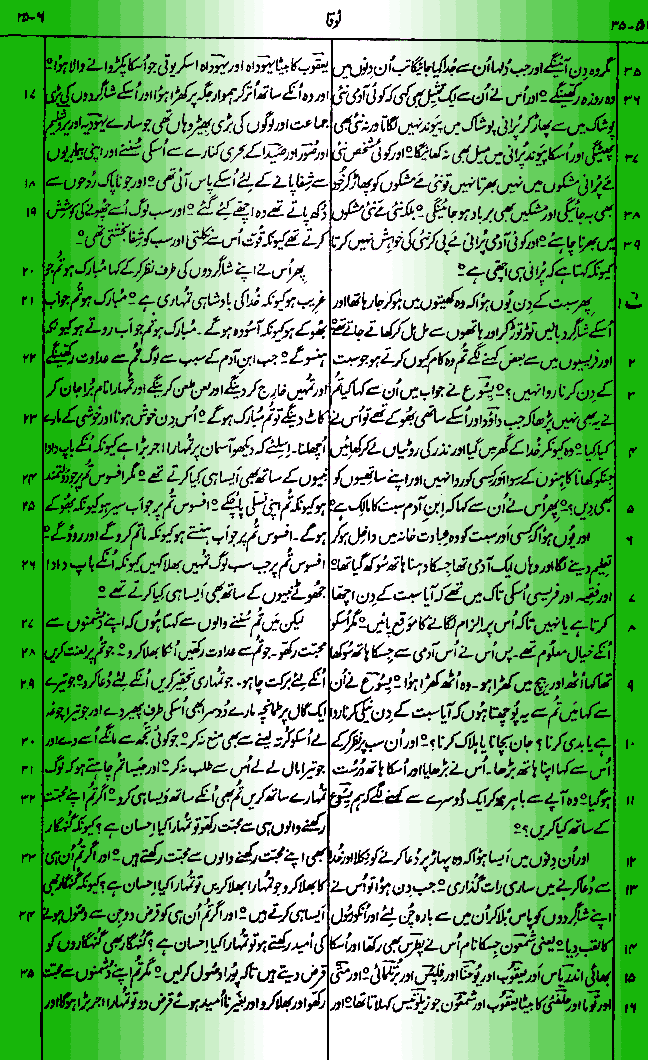
Luke 5:35
Verse: But the days will come when the bridegroom shall be taken away from them and then shall they fast in those days
English Explanation
Jesus refers to Himself as the “bridegroom” and previews His future crucifixion and departure. While He is physically present with His disciples, it is a season of celebration, making fasting inappropriate. However, once He is taken away, His followers will enter a period of longing and spiritual warfare, where fasting becomes a vital practice for spiritual discipline and seeking God’s presence.
Urdu Explanation
عیسیٰؑ یہاں اپنے آپ کو “دولہا” کہہ رہے ہیں اور اپنی مستقبل کی مصلوبیت اور دنیا سے رخصتی کی طرف اشارہ کر رہے ہیں۔ جب تک وہ جسمانی طور پر اپنے شاگردوں کے ساتھ ہیں، یہ جشن کا وقت ہے جس میں روزہ رکھنا مناسب نہیں۔ لیکن جب انہیں ان سے الگ کر دیا جائے گا، تو ان کے پیروکار ایک ایسے دور میں داخل ہوں گے جہاں روحانی ڈسپلن اور خدا کی موجودگی کو تلاش کرنے کے لیے روزہ رکھنا لازمی ہوگا۔
Luke 5:36
Verse: And he spake also a parable unto them No man putteth a piece of a new garment upon an old if otherwise then both the new maketh a rent and the piece that was taken out of the new agreeth not with the old
English Explanation
Through this parable, Jesus explains that His new covenant cannot simply be patched onto the old, rigid legalistic system of Judaism. Trying to combine the two ruins both; the fresh spiritual reality of the Gospel requires a completely transformed mindset rather than a mere cosmetic fix to outdated traditions.
Urdu Explanation
اس تمثیل کے ذریعے، عیسیٰؑ واضح کرتے ہیں کہ ان کا نیا عہد نامہ یہودیت کے پرانے اور سخت قانونی نظام پر محض ایک پیوند کی طرح نہیں لگایا جا سکتا۔ دونوں کو ملانے کی کوشش دونوں کو خراب کر دے گی۔ انجیل کی نئی روحانی حقیقت کو قائم کرنے کے لیے پرانی روایات کی مرمت کے بجائے ذہنیت کی مکمل تبدیلی کی ضرورت ہے۔
Luke 5:37
Verse: And no man putteth new wine into old bottles else the new wine will burst the bottles and be spilled and the bottles shall perish
English Explanation
During biblical times, wineskins were made of leather. As new wine fermented, it expanded. Old wineskins, having already lost their elasticity, would burst under the pressure. Jesus uses this to show that the dynamic, living power of the Holy Spirit and the Gospel cannot be contained within old, rigid religious structures and human traditions.
Urdu Explanation
بائبل کے دور میں، مشکیں چمڑے سے بنتی تھیں۔ جب نئی مے (شراب) خمیر ہوتی تھی، تو وہ پھیلتی تھی۔ پرانی مشکیں اپنی لچک کھو بیٹھتی تھیں، اس لیے دباؤ کی وجہ سے پھٹ جاتی تھیں۔ عیسیٰؑ اس سے ظاہر کرتے ہیں کہ روح القدس کی زندہ طاقت اور انجیل کا پیغام پرانے، سخت مذہبی ڈھانچوں اور انسانی روایات میں سما نہیں سکتا۔
Luke 5:38
Verse: But new wine must be put into new bottles and both are preserved
English Explanation
Jesus emphasizes that spiritual renewal requires new structures. The grace and truth brought by Christ demand hearts and communities that are flexible, teachable, and ready to be transformed. When the heart is made new, it can safely carry the fullness of God’s new covenant.
Urdu Explanation
عیسیٰؑ اس بات پر زور دیتے ہیں کہ روحانی تجدید کے لیے نئے ڈھانچوں کی ضرورت ہوتی ہے۔ مسیح کی طرف سے لایا گیا فضل اور سچائی ایسے دلوں اور جماعتوں کا تقاضا کرتی ہے جو لچکدار ہوں، سیکھنے کے لیے تیار ہوں اور تبدیلی قبول کریں۔ جب دل نیا ہو جاتا ہے، تو وہ خدا کے نئے عہد کی معموری کو بحفاظت سنبھال سکتا ہے۔
Luke 5:39
Verse: No man also having drunk old wine straightway desireth new for he saith The old is better
English Explanation
Jesus observes human nature’s resistance to change. People who are comfortable with old habits, traditions, and legalistic mindsets are often reluctant to accept the fresh movement of God. They cling to the familiar because change requires humility and leaving one’s comfort zone.
Urdu Explanation
عیسیٰؑ تبدیلی کے خلاف انسانی فطرت کی مزاحمت کا مشاہدہ کرتے ہیں۔ جو لوگ پرانی عادات، روایات اور قانونی ذہنیت کے عادی ہو چکے ہیں، وہ اکثر خدا کی نئی تحریک کو قبول کرنے سے ہچکچاتے ہیں۔ وہ پرانی چیزوں سے چمٹے رہتے ہیں کیونکہ تبدیلی کے لیے عاجزی اور اپنے آرام دہ ماحول سے باہر نکلنے کی ضرورت ہوتی ہے۔
Luke 6:1
Verse: And it came to pass on the second sabbath after the first that he went through the corn fields and his disciples plucked the ears of corn and did eat rubbing them in their hands
English Explanation
As the disciples walked through grain fields on the Sabbath, they plucked heads of grain to eat because they were hungry. While Old Testament law permitted eating from a neighbor’s field to satisfy immediate hunger, the religious leaders viewed the physical act of rubbing the grain in their hands as a form of “harvesting” and “threshing”—which they banned on the Sabbath.
Urdu Explanation
جب شاگرد سبت کے دن اناج کے کھیتوں سے گزر رہے تھے، تو انہوں نے بھوک کی وجہ سے اناج کی بالیاں توڑ کر کھائیں۔ اگرچہ پرانے عہد نامے کا قانون بھوک مٹانے کے لیے پڑوسی کے کھیت سے کھانے کی اجازت دیتا تھا، لیکن مذہبی رہنماؤں نے ہاتھوں سے اناج کو مسلنے کے عمل کو “فصل کاٹنے” اور “گہنے” کے مترادف سمجھا، جو سبت کے دن ممنوع تھا۔
Luke 6:2
Verse: And certain of the Pharisees said unto them Why do ye that which is not lawful to do on the sabbath days
English Explanation
The Pharisees confront Jesus by questioning the actions of His disciples. They prioritize human interpretations and ceremonial traditions over basic human needs, using the letter of the law as a weapon to judge others rather than understanding the loving heart and purpose behind God’s commandments.
Urdu Explanation
فریسیوں نے یسوع کے شاگردوں کے عمل پر اعتراض کرتے ہوئے ان کا سامنا کیا۔ انہوں نے بنیادی انسانی ضروریات پر انسانی تشریحات اور رسمی روایات کو ترجیح دی۔ انہوں نے خدا کے احکامات کے پیچھے موجود محبت اور مقصد کو سمجھنے کے بجائے قانون کے لفظی معنوں کو دوسروں پر تنقید کا ذریعہ بنایا۔
Luke 6:3
Verse: And Jesus answering them said Have ye not read so much as this what David did when himself was an hungred and they which were with him
English Explanation
Jesus responds by citing Scripture, recalling an incident where King David and his men ate the sacred bread when they were fleeing for their lives. By using the example of David—whom the Pharisees deeply respected—Jesus demonstrates that human preservation and mercy carry greater weight than ceremonial rituals.
Urdu Explanation
عیسیٰؑ نے کلامِ مقدس کا حوالہ دیتے ہوئے جواب دیا، اور وہ واقعہ یاد دلایا جب بادشاہ داؤد اور ان کے ساتھیوں نے اپنی جان بچاتے ہوئے مقدس روٹی کھائی تھی۔ داؤد کی مثال استعمال کرتے ہوئے—جن کا فریسی دل سے احترام کرتے تھے—عیسیٰؑ نے ثابت کیا کہ انسانی جان کی حفاظت اور رحم، مذہبی رسومات سے زیادہ اہمیت رکھتے ہیں۔
Luke 6:4
Verse: How he went into the house of God and did take and eat the shewbread and gave also to them that were with him which it is not lawful to eat but for the priests alone
English Explanation
Jesus details how David ate the Bread of the Presence (shewbread), which was strictly reserved for the priests according to Levitical law. This example underscores that God never intended His ceremonial laws to cause human suffering or starvation; necessity and mercy supersede ritualistic restrictions.
Urdu Explanation
عیسیٰؑ تفصیل بتاتے ہیں کہ کس طرح داؤد نے خدا کے گھر میں جا کر نذر کی روٹی کھائی، جو لاوی قانون کے مطابق صرف کاہنوں کے لیے مخصوص تھی۔ یہ مثال اس بات پر زور دیتی ہے کہ خدا کا مقصد اپنے مذہبی قوانین کے ذریعے انسانوں کو تکلیف یا بھوک میں مبتلا کرنا کبھی نہیں تھا؛ ضرورت اور رحم، رسومات کی پابندیوں پر فوقیت رکھتے ہیں۔
Luke 6:5
Verse: And he said unto them That the Son of man is Lord also of the sabbath
English Explanation
This is a profound declaration of Christ’s divinity. As the “Son of Man,” Jesus asserts that He has ultimate authority over the Sabbath because He created it. Therefore, He has the definitive right to interpret its true purpose—which is restoration, rest, and blessing for humanity, not legalistic bondage.
Urdu Explanation
یہ مسیح کی الوہیت کا ایک گہرا اعلان ہے۔ “ابنِ آدم” کے طور پر، عیسیٰؑ دعویٰ کرتے ہیں کہ سبت پر ان کا مکمل اختیار ہے کیونکہ انہوں نے ہی اسے بنایا ہے۔ لہذا، انہیں اس کے حقیقی مقصد کی تشریح کرنے کا قطعی حق حاصل ہے—جو کہ انسانیت کے لیے بحالی، آرام اور برکت ہے، نہ کہ قانونی غلامی۔
Luke 6:6
Verse: And it came to pass also on another sabbath that he entered into the synagogue and taught and there was a man whose right hand was withered
English Explanation
On another Sabbath, Jesus models the true purpose of the holy day by teaching in the synagogue. In the audience is a man with a withered right hand. The mention of the “right hand” emphasizes the man’s loss of livelihood and ability to work, making him a vivid object of Christ’s compassion.
Urdu Explanation
ایک اور سبت کے دن، عیسیٰؑ عبادت گاہ میں تعلیم دے کر اس مقدس دن کے حقیقی مقصد کا نمونہ پیش کرتے ہیں۔ وہاں ایک ایسا آدمی موجود تھا جس کا سیدھا ہاتھ سوکھا ہوا تھا۔ “سیدھے ہاتھ” کا ذکر اس بات کو ظاہر کرتا ہے کہ وہ شخص اپنی روزی کمانے اور کام کرنے کی صلاحیت کھو چکا تھا، جو اسے مسیح کے رحم کا حقدار بناتا ہے۔
Luke 6:7
Verse: And the scribes and Pharisees watched him whether he would heal on the sabbath day that they might find an accusation against him
English Explanation
Instead of feeling compassion for the disabled man or wanting to see him comforted, the religious leaders watch Jesus closely with malicious intent. They value their rigid traditions above human healing, seeking any excuse to trap, accuse, and condemn Jesus.
Urdu Explanation
اس معذور آدمی کے لیے ہمدردی محسوس کرنے یا اسے صحت یاب دیکھنے کی خواہش کے بجائے، مذہبی رہنما بدنیتی کے ساتھ عیسیٰؑ کی نگرانی کر رہے تھے۔ انہوں نے انسانی شفا پر اپنی سخت روایات کو ترجیح دی، اور عیسیٰؑ کو پھنسانے، الزام لگانے اور سزا دینے کا کوئی بھی بہانہ تلاش کرنے کی کوشش کی۔
Luke 6:8
Verse: But he knew their thoughts and said to the man which had the withered hand Rise up and stand forth in the midst And he arose and stood forth
English Explanation
Demonstrating His omniscience, Jesus reads the secret motives of the critics’ hearts. Rather than performing the miracle quietly to avoid conflict, He asks the man to stand right in the center of the synagogue, bringing the tension between empty ritualism and divine mercy into plain view.
Urdu Explanation
اپنے غیب کے علم کا ثبوت دیتے ہوئے، عیسیٰؑ ناقدین کے دلوں کے چھپے ہوئے ارادوں کو جان لیتے ہیں۔ تصادم سے بچنے کے لیے خاموشی سے معجزہ کرنے کے بجائے، وہ اس آدمی کو عبادت گاہ کے بالکل بیچ میں کھڑے ہونے کو کہتے ہیں، تاکہ خالی رسم پرستی اور الٰہی رحم کے درمیان فرق کو سب کے سامنے واضح کریں۔
Luke 6:9
Verse: Then said Jesus unto them I will ask you one thing Is it lawful on the sabbath days to do good or to do evil to save life or to destroy it
English Explanation
Jesus challenges his opponents with a brilliant moral question. He exposes their hypocrisy by showing that refusing to do good or heal when one has the power to do so is equivalent to doing evil. While they are plotting murder in their hearts on the Sabbath, Jesus is seeking to preserve and restore life.
Urdu Explanation
عیسیٰؑ نے ایک بہترین اخلاقی سوال کے ساتھ اپنے مخالفین کو چیلنج کیا۔ انہوں نے ان کی منافقت کو بے نقاب کرتے ہوئے دکھایا کہ قدرت رکھنے کے باوجود بھلائی کرنے یا شفا دینے سے انکار کرنا برائی کرنے کے برابر ہے۔ جب کہ وہ سبت کے دن اپنے دلوں میں قتل کی منصوبہ بندی کر رہے تھے، عیسیٰؑ زندگی کو بچانے اور بحال کرنے کی کوشش کر رہے تھے۔
Luke 6:10
Verse: And looking round about upon them all he said unto the man Stretch forth thy hand And he did so and his hand was restored whole as the other
English Explanation
After sweeping His gaze over the silent, stubborn crowd, Jesus commands the man to stretch out his hand. The act of obedience releases divine healing power. Instantly, the withered hand is made completely whole, proving that acts of mercy and restoration perfectly fulfill the true intent of the Sabbath.
Urdu Explanation
اس خاموش اور ضدی ہجوم پر نگاہ ڈالنے کے بعد، عیسیٰؑ اس آدمی کو اپنا ہاتھ بڑھانے کا حکم دیتے ہیں۔ اطاعت کا یہ عمل الٰہی شفا بخش طاقت کو جاری کرتا ہے۔ فوری طور پر، سوکھا ہوا ہاتھ دوسرے ہاتھ کی طرح بالکل ٹھیک ہو جاتا ہے، جس سے یہ ثابت ہوتا ہے کہ رحم اور بحالی کے کام سبت کے حقیقی مقصد کو پورا کرتے ہیں۔
Luke 6:11
Verse: And they were filled with madness and communed one with another what they might do to Jesus
English Explanation
Instead of rejoicing at the miraculous healing, the Pharisees and scribes are consumed with irrational fury. Their pride is wounded because Jesus exposed their hypocrisy and bypassed their authority. Blinded by legalism, they begin plotting how to eliminate Him.
Urdu Explanation
اس معجزاتی شفا پر خوش ہونے کے بجائے، فریسی اور فقیہ غصے اور جنون میں پاگل ہو گئے۔ ان کی انا کو ٹھیس پہنچی کیونکہ عیسیٰؑ نے ان کی منافقت کو بے نقاب کیا اور ان کے اختیار کو چیلنج کیا۔ قانون پرستی کے اندھے پن میں، انہوں نے عیسیٰؑ کو نقصان پہنچانے یا ختم کرنے کی منصوبہ بندی شروع کر دی۔
Luke 6:12
Verse: And it came to pass in those days that he went out into a mountain to pray and continued all night in prayer to God
English Explanation
Before making the crucial decision of choosing His core apostles, Jesus retreats to a mountain for solitude and spends the entire night in prayer. This sets a vital example for believers, highlighting the absolute necessity of seeking God’s guidance, wisdom, and strength before major life decisions.
Urdu Explanation
اپنے خاص رسولوں کے انتخاب کا اہم فیصلہ کرنے سے پہلے، عیسیٰؑ تنہائی میں دعا کے لیے ایک پہاڑ پر چلے جاتے ہیں اور پوری رات خدا کے حضور دعا میں گزارتے ہیں۔ یہ ایمان داروں کے لیے ایک اہم نمونہ ہے، جو زندگی کے بڑے فیصلوں سے پہلے خدا کی رہنمائی، حکمت اور طاقت حاصل کرنے کی ضرورت پر زور دیتا ہے۔
Luke 6:13
Verse: And when it was day he called unto him his disciples and of them he chose twelve whom also he named apostles
English Explanation
At daybreak, Jesus gathers His wider circle of followers and selects twelve specific men from among them. He designates them as “apostles,” which means “sent ones.” These twelve would receive intensive training to become the foundational leaders of the early Church and eyewitnesses of His resurrection.
Urdu Explanation
صبح ہوتے ہی، عیسیٰؑ اپنے پیروکاروں کے بڑے گروہ کو بلاتے ہیں اور ان میں سے بارہ مخصوص مردوں کا انتخاب کرتے ہیں۔ وہ انہیں “رسول” کا نام دیتے ہیں، جس کا مطلب ہے “بھیجے گئے لوگ”۔ ان بارہ افراد کو ابتدائی کلیسیا کے بنیادی رہنما اور ان کی جی اٹھنے کے عینی شاہد بننے کے لیے خصوصی تربیت دی جانی تھی۔
Luke 6:14
Verse: Simon whom he also named Peter and Andrew his brother James and John Philip and Bartholomew
English Explanation
Jesus names the first group of apostles. This list includes Simon (given the foundational name Peter) and his brother Andrew, alongside the brothers James and John (the sons of thunder), followed by Philip and Bartholomew (often identified as Nathanael). They were mostly ordinary fishermen, chosen not for their status, but for their willingness to be transformed.
Urdu Explanation
عیسیٰؑ رسولوں کے پہلے گروپ کے نام بتاتے ہیں۔ اس فہرست میں شمعون (جنہیں پطرس کا نام دیا گیا) اور ان کے بھائی اندرياس، ان کے ساتھ یعقوب اور یوحنّا، اور پھر فلپس اور برتلمائی شامل ہیں۔ یہ زیادہ تر عام مچھیرے تھے، جنہیں ان کے مرتبے کی وجہ سے نہیں، بلکہ تبدیلی قبول کرنے کی آمادگی کی وجہ سے چنا گیا تھا۔
Luke 6:15
Verse: Matthew and Thomas James the son of Alphaeus and Simon called Zelotes
English Explanation
The list continues with Matthew, the former tax collector who left his wealth behind, and Thomas, known for his deep reflection and eventual doubt. It also includes James the son of Alphaeus and Simon the Zealot, who belonged to a radical political faction that fiercely opposed Roman occupation.
Urdu Explanation
فہرست میں متی شامل ہیں، جو ایک سابق محصول لینے والے (ٹیکس جمع کرنے والے) تھے اور اپنی دولت چھوڑ کر آئے تھے، اور تھوما، جو اپنی گہری سوچ کے لیے جانے جاتے ہیں۔ اس میں حلفئی کا بیٹا یعقوب اور شمعون بھی شامل ہیں جنہیں زلوتیس کہا جاتا تھا، جو رومی تسلط کے سخت مخالف ایک سیاسی گروہ سے تعلق رکھتے تھے۔
Luke 6:16
Verse: And Judas the brother of James and Judas Iscariot which also was the traitor
English Explanation
The final names are Judas the brother of James (also known as Thaddaeus) and Judas Iscariot. Luke explicitly highlights that Judas Iscariot would become the traitor. This reveals that Jesus chose Judas knowing his future choices, showing that God’s sovereign plans move forward even through human betrayal.
Urdu Explanation
آخری نام یعقوب کے بھائی یہوداہ (جنہیں تدی بھی کہا جاتا ہے) اور یہوداہ اسکریوتی کے ہیں۔ لوقا واضح طور پر بتاتے ہیں کہ یہوداہ اسکریوتی بعد میں غدار بن گیا۔ اس سے ظاہر ہوتا ہے کہ عیسیٰؑ نے یہوداہ کے مستقبل کے فیصلوں کو جانتے ہوئے بھی اسے چنا، جو یہ ظاہر کرتا ہے کہ خدا کے حتمی منصوبے انسانی غداری کے باوجود پورے ہوتے ہیں۔
Luke 6:17
Verse: And he came down with them and stood in the plain and the company of his disciples and a great multitude of people out of all Judaea and Jerusalem and from the sea coast of Tyre and Sidon which came to hear him and to be healed of their diseases
English Explanation
Descending the mountain, Jesus stands on a level place to meet a diverse, massive crowd. People travel from Jewish regions like Judea and Jerusalem, as well as Gentile coastal territories like Tyre and Sidon. They are drawn by a double need: to hear His life-giving words and to receive physical healing.
Urdu Explanation
پہاڑ سے نیچے اتر کر، عیسیٰؑ ایک ہموار جگہ پر کھڑے ہوتے ہیں تاکہ ایک بہت بڑے ہجوم سے مل سکیں۔ لوگ یہودیہ اور یروشلم جیسے یہودی علاقوں اور صور اور صیدا جیسے غیر قوموں کے ساحلی علاقوں سے سفر کر کے آئے۔ وہ دوہری ضرورت کے تحت آئے تھے: ان کے زندگی بخش کلام کو سننے اور بیماریوں سے شفا پانے کے لیے۔
Luke 6:18
Verse: And they that were vexed with unclean spirits and they were healed
English Explanation
The crowd includes individuals tormented by evil spirits. Jesus demonstrates absolute authority over the demonic realm. His power is not limited to physical sickness; He delivers people from spiritual bondage, restoring peace, sanity, and freedom to the oppressed.
Urdu Explanation
ہجوم میں ایسے لوگ بھی شامل تھے جو ناپاک روحوں (بدروحوں) کے ستائے ہوئے تھے۔ عیسیٰؑ شیطانی قوتوں پر اپنے کامل اختیار کا مظاہرہ کرتے ہیں۔ ان کی طاقت صرف جسمانی بیماریوں تک محدود نہیں ہے؛ وہ لوگوں کو روحانی غلامی سے نجات دلاتے ہیں، اور مظلوموں کو امن اور آزادی عطا کرتے ہیں۔
Luke 6:19
Verse: And the whole multitude sought to touch him for there went virtue out of him and healed them all
English Explanation
The desperate crowd presses in, trying to touch Jesus because divine power (“virtue”) flows dynamically from Him, instantly healing everyone. This illustrates Christ as the source of life and restoration, responding generously to the touch of faith.
Urdu Explanation
بے قرار ہجوم عیسیٰؑ کو چھونے کی کوشش کر رہا تھا کیونکہ ان میں سے الٰہی طاقت نکلتی تھی اور سب کو شفا دیتی تھی۔ یہ مسیح کو زندگی اور بحالی کے چشمے کے طور پر ظاہر کرتا ہے، جو ایمان کے ساتھ چھونے والوں کو اپنی برکت سے نوازتے ہیں۔
Luke 6:20
Verse: And he lifted up his eyes on his disciples and said Blessed be ye poor for yours is the kingdom of God
Explanation
Jesus begins His “Sermon on the Plain” by looking directly at His disciples. He declares that the poor are blessed. This refers to those who are materially impoverished but also recognizes those who acknowledge their complete spiritual poverty and utter dependence on God. They are blessed because they receive the spiritual riches of God’s Kingdom.
Urdu Explanation
عیسیٰؑ اپنے شاگردوں کی طرف دیکھ کر اپنے مشہور پہاڑی وعظ (میدانی وعظ) کا آغاز کرتے ہیں۔ وہ اعلان کرتے ہیں کہ غریب مبارک ہیں۔ اس سے مراد وہ لوگ ہیں جو مالی طور پر پسماندہ ہیں، لیکن اس کا اشارہ ان لوگوں کی طرف بھی ہے جو خدا کے سامنے اپنی روحانی محتاجی کا اعتراف کرتے ہیں۔ وہ مبارک ہیں کیونکہ خدا کی بادشاہی ان کی ہے۔
Luke 6:21
Verse: Blessed are ye that hunger now for ye shall be filled Blessed are ye that weep now for ye shall laugh
English Explanation
Jesus offers profound comfort to those suffering in the present world. Those who hunger—physically or spiritually for righteousness—will be deeply satisfied by God. Those who weep over brokenness and sin will experience ultimate joy and comfort in God’s presence, turning their sorrow into laughter.
Urdu Explanation
عیسیٰؑ موجودہ دنیا میں تکلیف اٹھانے والوں کو گہری تسلی دیتے ہیں۔ جو لوگ اب بھوکے ہیں—جسمانی طور پر یا راستبازی کے لیے روحانی طور پر—خدا انہیں آسودہ کرے گا۔ جو لوگ دنیا کی خرابیوں اور گناہوں پر روتے ہیں، وہ خدا کے حضور کامل خوشی کا تجربہ کریں گے، جو ان کے غم کو ہنسی میں بدل دے گا۔
Luke 6:22
Verse: Blessed are ye when men shall hate you and when they shall separate you from their company and shall reproach you and cast out your name as evil for the Son of man’s sake
English Explanation
Believers are warned that loyalty to Jesus will bring social rejection, hatred, insults, and exclusion. Jesus labels this experience as a blessing because the persecution is tied directly to His name. It validates that the believer’s life reflects the light of Christ, which the world resists.
Urdu Explanation
ایمان داروں کو خبردار کیا گیا ہے کہ عیسیٰؑ کے ساتھ وفاداری کے نتیجے میں انہیں سماجی بائیکاٹ، نفرت، توہین اور اخراج کا سامنا کرنا پڑے گا۔ عیسیٰؑ اس تجربے کو مبارکباد کہتے ہیں کیونکہ یہ ظلم براہِ راست ان کے نام کی وجہ سے ہوتا ہے۔ یہ اس بات کی تصدیق کرتا ہے کہ ایمان دار کی زندگی مسیح کے نور کی عکاسی کرتی ہے، جس کی دنیا مخالفت کرتی ہے۔
Luke 6:23
Verse: Rejoice ye in that day and leap for joy for behold your reward is great in heaven for in the like manner did their fathers unto the prophets
English Explanation
When persecuted for faith, believers are told to rejoice and leap for joy because an eternal, glorious reward awaits them in heaven. This suffering places them in the honored company of the Old Testament prophets, who faced identical rejection from the rebellious generations of their own time.
Urdu Explanation
جب ایمان کی وجہ سے ظلم کا سامنا ہو، تو ایمان داروں کو خوش ہونے اور خوشی سے اچھلنے کا کہا گیا ہے کیونکہ آسمان پر ان کا بڑا اجر ہے۔ یہ تکلیف انہیں پرانے عہد نامے کے ان انبیاء کی صف میں کھڑا کرتی ہے، جنہیں ان کے اپنے دور کی نافرمان نسلوں کی طرف سے اسی طرح کے انکار اور ظلم کا سامنا کرنا پڑا تھا۔
Luke 6:24
Verse: But woe unto you that are rich for ye have received your consolation
English Explanation
Jesus shifts from blessings to warnings (“woes”). He addresses those who are materially rich and self-sufficient, depending entirely on their wealth for security. Their earthly luxury is all the comfort they will ever get, leaving them spiritually bankrupt and empty for eternity.
Urdu Explanation
عیسیٰؑ برکتوں سے انتباہ (افسوس) کی طرف مڑتے ہیں۔ وہ ان لوگوں سے مخاطب ہیں جو مالی طور پر امیر اور خود کفییل ہیں، اور اپنی حفاظت کے لیے مکمل طور پر اپنی دولت پر بھروسہ کرتے ہیں۔ ان کا دنیاوی عیش و آرام ہی ان کا واحد آرام ہے، جو انہیں ابدیت کے لیے روحانی طور پر قنگال اور خالی چھوڑ دے گا۔
Luke 6:25
Verse: Woe unto you that are full for ye shall hunger Woe unto you that laugh now for ye shall mourn and weep
English Explanation
Those who are satisfied with temporary worldly pleasures and feel no need for God will eventually experience spiritual starvation. Those who live life frivolously, ignoring eternal realities and laughing apart from God, will face intense grief and weeping when they confront final judgment.
Urdu Explanation
جو لوگ عارضی دنیاوی لذتوں سے آسودہ ہیں اور خدا کی ضرورت محسوس نہیں کرتے، وہ آخر کار روحانی بھوک کا شکار ہوں گے۔ جو لوگ ابدی حقیقتوں کو نظر انداز کر کے خدا کے بغیر ہنسی مذاق میں زندگی گزارتے ہیں، انہیں آخری عدالت کا سامنا کرتے وقت شدید غم اور رونے کا سامنا کرنا پڑے گا۔
Luke 6:26
Verse: Woe unto you when all men shall speak well of you for so did their fathers to the false prophets
English Explanation
Jesus warns against seeking popularity by compromising the truth. Constant praise from the world often indicates that a person is telling people only what they want to hear, rather than speaking God’s truth. This is exactly how ancient Israel treated the false prophets who offered pleasant lies instead of divine truth.
Urdu Explanation
عیسیٰؑ سچائی پر سمجھوتہ کر کے مقبولیت حاصل کرنے کے خلاف انتباہ کرتے ہیں۔ دنیا کی طرف سے مسلسل تعریف اکثر اس بات کی نشاندہی کرتی ہے کہ انسان خدا کی سچائی بیان کرنے کے بجائے صرف وہی کہہ رہا ہے جو لوگ سننا چاہتے ہیں۔ قدیم اسرائیل نے جھوٹے نبیوں کے ساتھ بالکل یہی سلوک کیا تھا جنہوں نے الٰہی سچائی کے بجائے خوشنما جھوٹ بولے تھے۔
Luke 6:27
Verse: But I say unto you which hear Love your enemies do good to them which hate you
English Explanation
Jesus introduces a radical ethical standard that goes against basic human instincts. He commands His followers to actively love their enemies and deliberately do good to those who express hatred toward them. This is a deliberate act of the will, driven by God’s grace, not by personal feelings.
Urdu Explanation
عیسیٰؑ ایک ایسا انقلابی اخلاقی معیار متعارف کراتے ہیں جو انسانی جبلت کے خلاف ہے۔ وہ اپنے پیروکاروں کو حکم دیتے ہیں کہ وہ اپنے دشمنوں سے محبت کریں اور ان کے ساتھ بھلائی کریں جو ان سے نفرت کرتے ہیں۔ یہ جذبات کے بجائے خدا کے فضل سے پیدا ہونے والا ایک ارادی فیصلہ ہے۔
Luke 6:28
Verse: Bless them that curse you and pray for them which despitefully use you
English Explanation
Christ demands a supernatural response to mistreatment. Instead of retaliating with bitter insults, believers are called to speak blessings over those who curse them and sincerely pray for the well-being of those who abuse, exploit, or mistreat them.
Urdu Explanation
مسیح بدسلوکی کے جواب میں ایک مافوق الفطرت ردعمل کا تقاضا کرتے ہیں۔ تلخ جملوں کے ساتھ بدلہ لینے کے بجائے، ایمان داروں کو بلایا گیا ہے کہ وہ لعنت کرنے والوں کے لیے برکت کی دعا کریں اور ان لوگوں کی بھلائی کے لیے خلوصِ دل سے دعا کریں جو ان پر ظلم کرتے ہیں یا ان کا استحصال کرتے ہیں۔
Luke 6:29
Verse: And unto him that smiteth thee on the one cheek offer also the other and him that taketh away thy cloke forbid not to take thy coat also
English Explanation
Jesus models absolute non-retaliation and humility. Turning the other cheek means refusing to hit back when insulted or struck. If someone unjustly sues or takes an outer garment (cloak), a believer should display radical detachment from material possessions by willingly letting them take the inner garment (coat) as well.
Urdu Explanation
عیسیٰؑ کامل عدم تشدد اور عاجزی کا نمونہ پیش کرتے ہیں۔ دوسرا گال آگے کرنے کا مطلب ہے کہ توہین یا مار کھا کر بدلہ لینے سے انکار کرنا۔ اگر کوئی ناانصافی سے چوغہ (اوپری لباس) لے لے، تو ایمان دار کو دنیاوی مال سے اپنی لاتعلقی کا ثبوت دیتے ہوئے کرتہ (اندرونی لباس) بھی خوشی سے دے دینا چاہیے۔
Luke 6:30
Verse: Give to every man that asketh of thee and of him that taketh away thy goods ask them not again
English Explanation
This verse commands radical, open-handed generosity. Followers of Jesus are encouraged to give generously to those in genuine need without greed. If someone takes their possessions unlawfully, they are urged not to demand them back with anger, demonstrating trust in God’s ultimate provision.
Urdu Explanation
یہ آیت کھلے دل سے سخاوت کرنے کا حکم دیتی ہے۔ عیسیٰؑ کے پیروکاروں کی حوصلہ افزائی کی جاتی ہے کہ وہ ضرورت مندوں کو بغیر کسی لالچ کے دیں۔ اگر کوئی ان کا مال زبردستی لے جائے، تو انہیں غصے کے ساتھ اسے واپس مانگنے سے گریز کرنا چاہیے، جو خدا کے مہیا کرنے کے وعدے پر کامل بھروسے کو ظاہر کرتا ہے۔
Luke 6:31
Verse: And as ye would that men should do to you do ye also to them likewise
English Explanation
Universally known as the “Golden Rule,” this single principle summarizes Christian ethics. Jesus teaches that we must not wait for others to treat us well first. Instead, we must take the initiative to treat everyone with the exact kindness, respect, and love that we desire to receive from them.
Urdu Explanation
آفاقی طور پر “سنہری اصول” کے نام سے جانے جانے والا یہ ایک اصول مسیحی اخلاقیات کا خلاصہ کرتا ہے۔ عیسیٰؑ سکھاتے ہیں کہ ہمیں دوسروں کے اچھے سلوک کا انتظار نہیں کرنا چاہیے؛ بلکہ ہمیں خود پہل کرنی چاہیے اور ہر ایک کے ساتھ اسی مہربانی، عزت اور محبت سے پیش آنا چاہیے جس کی ہم ان سے توقع رکھتے ہیں۔
Luke 6:32
Verse: For if ye love them which love you what thank have ye for sinners also love those that love them
English Explanation
Jesus points out that merely loving people who love you back requires no special spiritual grace. Even corrupt, ungodly individuals (sinners) easily do that out of natural self-interest. True discipleship is demonstrated when love extends beyond comfortable circles to include the undeserving and hostile.
Urdu Explanation
عیسیٰؑ اشارہ کرتے ہیں کہ صرف ان لوگوں سے محبت کرنا جو آپ سے محبت کرتے ہیں، کسی خصوصی روحانی فضل کا تقاضا نہیں کرتا۔ یہاں تک کہ گناہ گار لوگ بھی قدرتی مفاد کے تحت ایسا آسانی سے کر لیتے ہیں۔ سچے شاگرد کا ثبوت تب ملتا ہے جب محبت آرام دہ دائروں سے نکل کر ان لوگوں تک پہنچتی ہے جو اس کے حقدار نہیں ہیں یا دشمنی رکھتے ہیں۔
Luke 6:33
Verse: And if ye do good to them which do good to you what thank have ye for sinners also do even the same
English Explanation
Doing favors exclusively for those who return the favor carries no heavenly reward. It is a standard worldly transaction. Jesus calls His followers to break away from conditional kindness, striving for a higher, selfless standard of goodness modeled after the character of God.
Urdu Explanation
صرف ان لوگوں کے ساتھ بھلائی کرنا جو آپ کے ساتھ بھلائی کرتے ہیں، کسی آسمانی اجر کا باعث نہیں بنتا۔ یہ ایک عام دنیاوی لین دین ہے۔ عیسیٰؑ اپنے پیروکاروں کو مشروط مہربانی سے باہر نکلنے کی دعوت دیتے ہیں، تاکہ وہ خدا کی صفت کے مطابق بے غرض بھلائی کا اعلیٰ معیار اپنائیں۔
Luke 6:34
Verse: And if ye lend to them of whom ye hope to receive what thank have ye for sinners also lend to sinners to receive as much again
English Explanation
Lending money or resources solely to people who are guaranteed to pay you back with interest is common commercial practice, not genuine charity. Even sinners engage in lending when there is zero financial risk. True Christian charity involves giving without looking for personal profit or return.
Urdu Explanation
رقم یا وسائل صرف ان لوگوں کو ادھار دینا جن سے واپسی یا منافع کی پکی امید ہو، ایک عام تجارتی عمل ہے، حقیقی خیرات نہیں۔ گناہ گار بھی تب ادھار دیتے ہیں جب کوئی مالی خطرہ نہ ہو۔ حقیقی مسیحی خیرات کا مطلب ہے ذاتی فائدے یا واپسی کی امید کے بغیر دینا۔
Luke 6:35
Verse: But love ye your enemies and do good and lend hoping for nothing again and your reward shall be great and ye shall be the children of the Highest for he is kind unto the unthankful and to the evil
English Explanation
Jesus summarizes His radical ethical teaching. True transformation means loving enemies, doing good, and giving without expecting anything back. This unconditional love earns a great heavenly reward and proves that believers are true children of God, because it mirrors the character of the Heavenly Father, who pours out His sunshine and rain even on the ungrateful and wicked.
Urdu Explanation
عیسیٰؑ اپنی انقلابی اخلاقی تعلیم کا خلاصہ کرتے ہیں۔ حقیقی تبدیلی کا مطلب ہے دشمنوں سے محبت کرنا، بھلائی کرنا اور واپسی کی امید کے بغیر ادھار دینا۔ یہ غیر مشروط محبت آسمان پر بڑے اجر کا باعث بنتی ہے اور ثابت کرتی ہے کہ ایمان دار سچے طور پر خدا کی اولاد ہیں، کیونکہ یہ آسمانی باپ کی صفت کی عکاسی کرتی ہے، جو ناشکروں اور بدکاروں پر بھی اپنی مہربانی کی بارش کرتا ہے۔