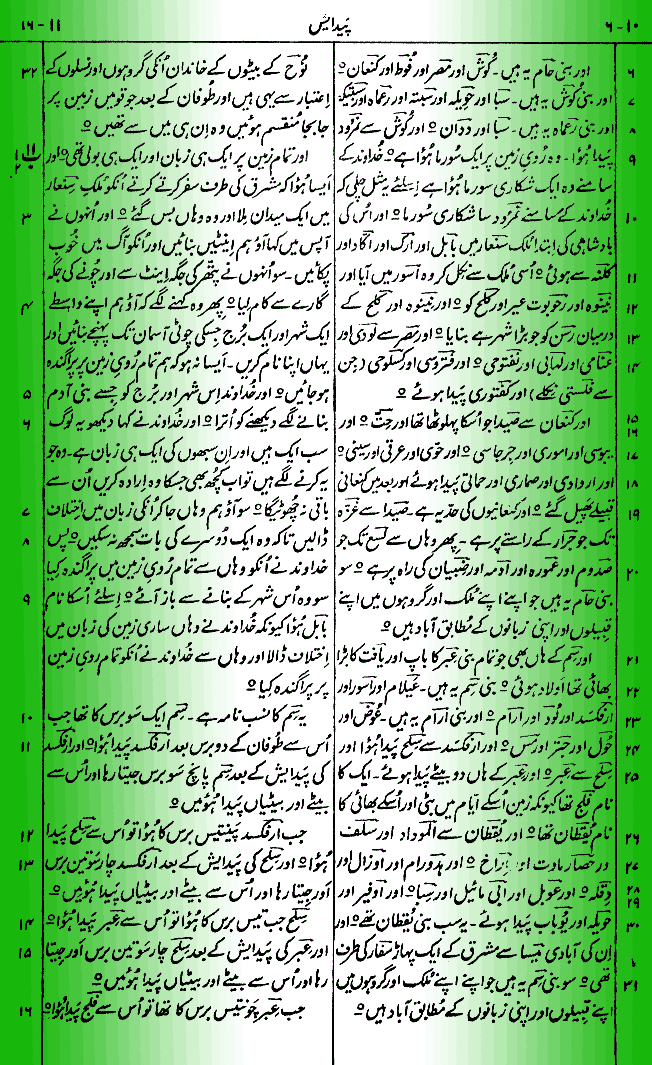
Genesis Chapter 10: The Table of Nations (Ham & Shem)
Verse 6
Verse: And the sons of Ham Cush and Mizraim and Phut and Canaan English Explanation: This verse identifies the four primary branches of Ham’s descendants who settled in Africa and parts of the Middle East. Urdu Explanation: اس آیت میں حام کے چار بیٹوں کا ذکر ہے جنہوں نے افریقہ اور مشرق وسطیٰ کے حصوں میں سکونت اختیار کی۔
Verse 7
Verse: And the sons of Cush Seba and Havilah and Sabtah and Raamah and Sabtecha and the sons of Raamah Sheba and Dedan English Explanation: Describes the Cushite expansion into the Arabian Peninsula and East Africa, establishing early trade routes. Urdu Explanation: یہ کوش کی نسل کی تفصیل ہے جنہوں نے جزیرہ نما عرب اور مشرقی افریقہ میں تجارتی مراکز قائم کیے۔
Verse 8
Verse: And Cush begat Nimrod he began to be a mighty one in the earth English Explanation: Introduces Nimrod, the first post-flood world leader known for his strength and imperial ambition. Urdu Explanation: نمرود کا ذکر ہے جو زمین پر پہلا طاقتور حکمران اور شکاری بنا۔
Verse 9
Verse: He was a mighty hunter before the LORD wherefore it is said Even as Nimrod the mighty hunter before the LORD English Explanation: Nimrod’s prowess was so legendary that it became a proverbial saying in the ancient world. Urdu Explanation: نمرود کی بہادری اتنی مشہور تھی کہ وہ ایک ضرب المثل بن گیا۔
Verse 10
Verse: And the beginning of his kingdom was Babel and Erech and Accad and Calneh in the land of Shinar English Explanation: Nimrod founded the first great Mesopotamian empire, including the famous city of Babel. Urdu Explanation: نمرود کی بادشاہت کی بنیاد بابل اور دیگر اہم شہروں پر رکھی گئی جو کہ ملکِ شینار میں واقع تھے۔
Verse 11-12
Verse: Out of that land went forth Asshur and builded Nineveh and the city Rehoboth and Calah And Resen between Nineveh and Calah the same is a great city English Explanation: The expansion of empire into Assyria, leading to the construction of Nineveh, which later became a massive capital. Urdu Explanation: سلطنت کی توسیع اسور تک ہوئی جہاں نینوہ جیسے عظیم شہر تعمیر کیے گئے۔
Verse 13-14
Verse: And Mizraim begat Ludim and Anamim and Lehabim and Naphtuhim And Pathrusim and Casluhim (out of whom came Philistim) and Caphtorim English Explanation: Lists the descendants of Mizraim (Egypt), including the ancestors of the Philistines. Urdu Explanation: مصر کی اولاد کی فہرست ہے جس میں فلسطینیوں کے آباؤ اجداد بھی شامل ہیں۔
Verse 15-18
Verse: And Canaan begat Sidon his firstborn and Heth And the Jebusite and the Amorite and the Girgasite And the Hivite and the Arkite and the Sinite And the Arvadite and the Zemarite and the Hamathite and afterward were the families of the Canaanites spread abroad English Explanation: Details the various tribes of Canaan who settled the Levant area before the Israelites arrived. Urdu Explanation: کنعان کی اولاد اور ان کے قبائل کا ذکر ہے جنہوں نے ارضِ فلسطین اور گردونواح میں سکونت اختیار کی۔
Verse 19
Verse: And the border of the Canaanites was from Sidon as thou comest to Gerar unto Gaza as thou goest unto Sodom and Gomorrah and Admah and Zeboim even unto Lasha English Explanation: Defines the geographical boundaries of the land of Canaan, stretching to the infamous cities of the plain. Urdu Explanation: کنعانیوں کی حدود کی وضاحت کی گئی ہے جو صیدا سے غزہ اور سدوم تک پھیلی ہوئی تھیں۔
Verse 20
Verse: These are the sons of Ham after their families after their tongues in their countries and in their nations English Explanation: A summary statement confirming the distribution of Ham’s descendants by language and territory. Urdu Explanation: یہ حام کی نسل کا خلاصہ ہے جو زبانوں اور ملکوں کے لحاظ سے تقسیم ہوئے۔
Verse 21-23
Verse: Unto Shem also the father of all the children of Eber the brother of Japheth the elder even to him were children born The children of Shem Elam and Asshur and Arphaxad and Lud and Aram And the children of Aram Uz and Hul and Gether and Mash English Explanation: Transitions to Shem, the ancestor of the Semitic peoples, highlighting the line leading to Eber (Hebrews). Urdu Explanation: اب سام کی نسل کا ذکر شروع ہوتا ہے جو کہ عبرانیوں کے جدِ امجد ہیں۔
Verse 24-25
Verse: And Arphaxad begat Salah and Salah begat Eber And unto Eber were born two sons the name of one was Peleg for in his days was the earth divided and his brother’s name was Joktan English Explanation: Mentions Peleg, whose name signifies a “division,” likely referring to the linguistic split at Babel. Urdu Explanation: فلج کے زمانے میں زمین کی تقسیم ہوئی، یعنی زبانیں الگ الگ ہو گئیں۔
Verse 26-30
Verse: And Joktan begat Almodad and Sheleph… and their dwelling was from Mesha as thou goest unto Sephar a mount of the east English Explanation: Lists the descendants of Joktan who settled primarily in the Arabian Peninsula. Urdu Explanation: یقطان کی اولاد کا ذکر ہے جنہوں نے مشرق کے پہاڑی علاقوں میں رہائش اختیار کی۔
Verse 31-32
Verse: These are the sons of Shem… and by these were the nations divided in the earth after the flood English Explanation: Finalizes the genealogy, explaining that all post-flood humanity originated from these three sons of Noah. Urdu Explanation: یہ نوح کے بیٹوں کا شجرہ نسب ہے جن سے سیلاب کے بعد پوری دنیا کی قومیں بنی ہیں۔
Genesis Chapter 11: The Tower of Babel
Verse 1
Verse: And the whole earth was of one language and of one speech English Explanation: Before the division, humanity shared a single common language and dialect. Urdu Explanation: بابل کے واقعہ سے پہلے تمام انسان ایک ہی زبان بولتے تھے۔
Verse 2
Verse: And it came to pass as they journeyed from the east that they found a plain in the land of Shinar and they dwelt there English Explanation: Migrating populations settled in the fertile plains of Mesopotamia (Shinar). Urdu Explanation: لوگ مشرق سے ہجرت کر کے ملکِ شینار کے ایک میدان میں آباد ہو گئے۔
Verse 3
Verse: And they said one to another Go to let us make brick and burn them throughly And they had brick for stone and slime had they for morter English Explanation: Humanity shifted from using natural stone to manufactured bricks, indicating technological advancement. Urdu Explanation: لوگوں نے پتھر کی جگہ اینٹیں بنانا اور انہیں آگ میں پکانا شروع کیا۔
Verse 4
Verse: And they said Go to let us build us a city and a tower whose top may reach unto heaven and let us make us a name lest we be scattered abroad upon the face of the whole earth English Explanation: The people sought to build a monument for their own glory and to resist God’s command to fill the earth. Urdu Explanation: انہوں نے اپنی شہرت کے لیے ایک اونچا مینار بنانا چاہا تاکہ وہ پوری زمین پر تتر بتر نہ ہوں۔
Verse 5-7
Verse: And the LORD came down to see the city and the tower… Go to let us go down and there confound their language that they may not understand one another’s speech English Explanation: God observed their pride and decided to confuse their language to limit their capacity for unified rebellion. Urdu Explanation: خدا نے ان کے غرور کو دیکھا اور ان کی زبانوں میں اختلاف ڈال دیا تاکہ وہ ایک دوسرے کی بات نہ سمجھ سکیں۔
Verse 8-9
Verse: So the LORD scattered them abroad from thence upon the face of all the earth… Therefore is the name of it called Babel English Explanation: The project stopped, and the name “Babel” (meaning confusion) was given to the site as people dispersed. Urdu Explanation: خدا نے انہیں وہاں سے پوری زمین پر پھیلا دیا اور اس جگہ کا نام بابل (الجھاؤ) پڑ گیا۔
Verse 10-16
Verse: These are the generations of Shem… And Eber lived four and thirty years and begat Peleg English Explanation: The chapter concludes by narrowing the focus back to Shem’s lineage, specifically tracing the godly line toward Abraham. Urdu Explanation: باب کا اختتام سام کی نسل کے تذکرے پر ہوتا ہے جو آگے چل کر ابراہیم علیہ السلام تک پہنچتی ہے۔