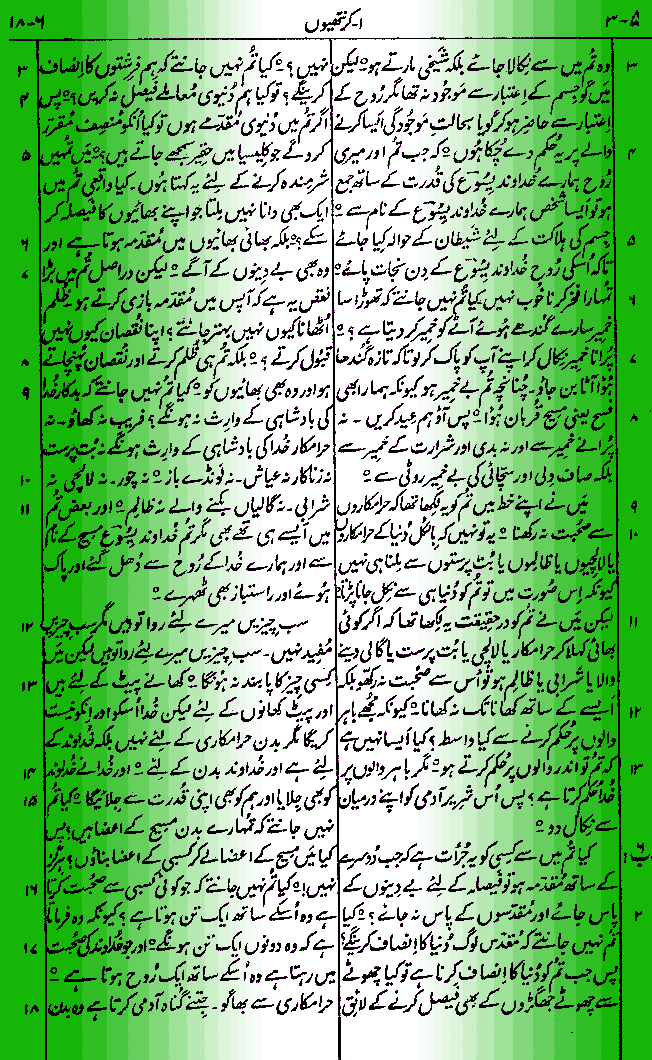
1 Corinthians Chapter 5 (Verses 3–18)
Verse 3
Verse: For I verily as absent in body but present in spirit have judged already as though I were present concerning him that hath so done this deed
-
English Explanation: Apostle Paul emphasizes that geographical distance does not diminish his spiritual authority or discernment. Even though he is physically absent from Corinth, his spiritual connection to the church allows him to render an immediate, clear judgment on the severe case of incest happening within the congregation. He urges the church not to delay disciplinary action.
-
Urdu Explanation: رسول پولس اس بات پر زور دیتے ہیں کہ جسمانی دوری ان کے روحانی اختیار یا سمجھ بوجھ میں رکاوٹ نہیں ہے۔ اگرچہ وہ کرنتھس کے کلیسیا سے دور ہیں لیکن ان کا روحانی تعلق قائم ہے۔ انہوں نے اس سنگین گناہ کے معاملے میں فوراً فیصلہ سنا دیا ہے اور کلیسیا کو تاکید کرتے ہیں کہ وہ تادیبی کارروائی میں دیر نہ کریں۔
Verse 4
Verse: In the name of our Lord Jesus Christ when ye are gathered together and my spirit with the power of our Lord Jesus Christ
-
English Explanation: Paul establishes the protocol for corporate church discipline. The action must not be done out of personal malice, but strictly in the authority and name of Jesus Christ. It requires the community to gather in unity, carrying Paul’s apostolic approval and backed by the supernatural power of Christ Himself.
-
Urdu Explanation: پولس کلیسیا میں تادیبی کارروائی کا طریقہ کار بتاتے ہیں۔ یہ کام کسی ذاتی دشمنی کی وجہ سے نہیں بلکہ خداوند یسوع مسیح کے نام اور اختیار سے ہونا چاہیے۔ اس کے لیے ضروری ہے کہ پوری کلیسیا متحد ہو کر جمع ہو اور مسیح کی قدرت اور پولس کی روحانی موجودگی کے ساتھ یہ فیصلہ کرے۔
Verse 5
Verse: To deliver such an one unto Satan for the destruction of the flesh that the spirit may be saved in the day of the Lord Jesus
-
English Explanation: This refers to formal excommunication. Expelling the unrepentant sinner from the protection of the church into the domain of the world (Satan’s realm) allows the worldly nature (“the flesh”) to be broken down through consequences. The ultimate goal of this harsh discipline is restorative, hoping the individual repents so their soul is saved on judgment day.
-
Urdu Explanation: یہاں کلیسیا سے خارج کرنے کا ذکر ہے۔ گناہگار کو کلیسیا کی حفاظت سے نکال کر دنیا (شیطان کی قلمرو) کے حوالے کرنے کا مقصد یہ ہے کہ اس کی دنیاوی اور گناہ آلود طبعیت کا خاتمہ ہو جائے۔ اس سخت سزا کا اصل مقصد اصلاح ہے تاکہ وہ توبہ کرے اور خداوند کے دن اس کی روح نجات پا سکے۔
Verse 6
Verse: Your glorying is not good Know ye not that a little leaven leaveneth the whole lump
-
English Explanation: The Corinthians were prideful, perhaps boasting of their tolerance or spiritual liberty. Paul corrects them using the metaphor of yeast (leaven). Just as a tiny bit of yeast spreads through an entire batch of dough, leaving unaddressed sin in the church corrupts the spiritual health of the entire congregation.
-
Urdu Explanation: کرنتھیوں کی کلیسیا اپنی نام نہاد آزادی یا رواداری پر فخر کر رہی تھی۔ پولس خمیر کی مثال دے کر ان کی اصلاح کرتے ہیں کہ جیسے تھوڑا سا خمیر پورے گوندھے ہوئے آٹے کو پھلا دیتا ہے ویسے ہی کلیسیا میں ایک گناہ کو نظر انداز کرنا پوری جماعت کی روحانیت کو خراب کر سکتا ہے۔
Verse 7
Verse: Purge out therefore the old leaven that ye may be a new lump as ye are unleavened For even Christ our passover is sacrificed for us
-
English Explanation: Believers are commanded to remove the “old leaven” of sin to maintain their identity as a holy community. Paul connects this to the Jewish Passover, where all leaven was discarded. Because Jesus Christ was sacrificed as the ultimate Passover Lamb, Christians must live clean, holy lives, matching the purity Christ has already given them.
-
Urdu Explanation: ایمانداروں کو حکم دیا گیا ہے کہ وہ گناہ کے “پرانے خمیر” کو نکال باہر کریں تاکہ ایک پاک جماعت بن سکیں۔ پولس اس کا موازنہ عیدِ فسح سے کرتے ہیں جہاں سے خمیر نکالا جاتا تھا۔ چونکہ مسیح ہمارا فسح قربان ہو چکا ہے اس لیے ہمیں اس پاکیزگی کے مطابق جینا چاہیے جو اس نے ہمیں دی ہے۔
Verse 8
Verse: Therefore let us keep the feast not with old leaven neither with the leaven of malice and wickedness but with the unleavened bread of sincerity and truth
-
English Explanation: The Christian life is compared to a continuous holy feast. This festival of faith should not be celebrated with malice, hypocrisy, or wickedness (the old leaven). Instead, it must be lived with the “unleavened bread” of pure motives, moral integrity, sincerity, and scriptural truth.
-
Urdu Explanation: مسیحی زندگی کو ایک مسلسل پاک عید سے تشبیہ دی گئی ہے۔ اس ایمانی عید کو بغض اور بدی (پرانے خمیر) کے ساتھ نہیں منانا چاہیے بلکہ اسے خلوص اور سچائی کی بے خمیر روٹی کے ساتھ یعنی پاک دلی اور دیانت داری سے گزارنا چاہیے۔
Verse 9
Verse: I wrote unto you in an epistle not to company with fornicators
-
English Explanation: Paul reminds the church of a previous letter he sent them. In it, he instructed them to avoid close fellowship with people who practice sexual immorality. He clarifies that lines must be drawn to preserve the church’s moral witness.
-
Urdu Explanation: پولس کلیسیا کو اپنے پچھلے خط کی یاد دہانی کراتے ہیں جس میں انہوں نے نصیحت کی تھی کہ بدکاری کرنے والوں کے ساتھ میل جول نہ رکھیں۔ وہ واضح کرتے ہیں کہ کلیسیا کی گواہی کو قائم رکھنے کے لیے حدیں مقرر کرنا ضروری ہے۔
Verse 10
Verse: Yet not altogether with the fornicators of this world or with the covetous or extortioners or with idolaters for then must ye needs go out of the world
-
English Explanation: Paul clarifies a common misunderstanding. He is not telling Christians to isolate themselves completely from non-believers who sin (the greedy, idolaters, or sexually immoral). To avoid non-Christians entirely would require leaving the planet, which defeats the mission of being salt and light in the world.
-
Urdu Explanation: پولس ایک غلط فہمی کو دور کرتے ہیں۔ وہ یہ نہیں کہہ رہے کہ ایماندار اس دنیا کے گناہگاروں (لالچیوں، بت پرستوں یا بدکاروں) سے بالکل قطع تعلق کر لیں۔ اگر ایسا کرنا ہو تو انسان کو دنیا ہی سے باہر نکلنا پڑے گا جو کہ دنیا میں نور اور نمک بننے کے مقصد کے خلاف ہے۔
Verse 11
Verse: But now I have written unto you not to keep company if any man that is called a brother be a fornicator or covetous or an idolater or a railer or a drunkard or an extortioner with such an one no not to eat
-
English Explanation: The strict command applies to anyone who claims to be a Christian (“called a brother”) but flagrantly lives a lifestyle of sin, such as greed, drunkenness, slander, or immorality. Believers are instructed not to share social meals with such unrepentant hypocrites, as it implies approval of their behavior.
-
Urdu Explanation: اصل سخت حکم ان لوگوں کے لیے ہے جو خود کو مسیحی (“بھائی”) کہتے ہیں لیکن پھر بھی بدکاری، لالچ، بت پرستی، گالی گلوچ، نشہ بازی یا ظلم کی زندگی گزارتے ہیں۔ ایسے لوگوں کے ساتھ کھانا پینا بھی منع ہے تاکہ ان کے گناہ کی تائید نہ ہو۔
Verse 12
Verse: For what have I to do to judge them also that are without do not ye judge them that are within
-
English Explanation: Paul defines the boundaries of church accountability. It is not the church’s responsibility to police or pass moral judgment on non-believers (“them that are without”). However, the church is absolutely responsible for maintaining moral standards and evaluating the behavior of its own members (“them that are within”).
-
Urdu Explanation: پولس کلیسیا کی ذمہ داری کی حدیں مقرر کرتے ہیں۔ کلیسیا کا کام غیر ایمان داروں (“باہر والوں”) پر اخلاقی فیصلہ صادر کرنا نہیں ہے۔ لیکن کلیسیا اپنے ارکان (“اندر والوں”) کے اخلاقی معیار اور رویے کی جانچ پڑتال کرنے کی پابند ہے۔
Verse 13
Verse: But them that are without God judgeth Therefore put away from among yourselves that wicked person
-
English Explanation: God will deal with the sins of the outside world in His own timing. The immediate duty of the local church is internal purity. Paul quotes Old Testament law to command the Corinthian church to expel the unrepentant, wicked individual from their community.
-
Urdu Explanation: باہر کی دنیا کے گناہوں کا انصاف خدا خود اپنے وقت پر کرے گا۔ مقامی کلیسیا کا فوری فرض اپنی اندرونی پاکیزگی ہے۔ پولس پرانے عہد نامے کے قانون کا حوالہ دیتے ہوئے حکم دیتے ہیں کہ اس شریر شخص کو اپنے درمیان سے نکال باہر کرو۔
1 Corinthians Chapter 6 (Verses 1–18)
Verse 1
Verse: Dare any of you having a matter against another go to law before the unjust and not before the saints
-
English Explanation: Paul shifts focus to legal disputes between Christians. He is astonished that believers would take their internal grievances before secular, pagan law courts (“the unjust”) instead of allowing the holy community (“the saints”) to arbitrate and resolve the issue internally.
-
Urdu Explanation: پولس اب ایمانداروں کے درمیانی قانونی جھگڑوں کی طرف متوجہ ہوتے ہیں۔ وہ حیران ہیں کہ مسیحی اپنے اندرونی معاملات کو حل کرنے کے لیے پاک لوگوں (“مقدسین”) کے پاس جانے کے بجائے غیر ایمان دار عدالتوں (“ناراستوں”) کا رخ کرتے ہیں۔
Verse 2
Verse: Do ye not know that the saints shall judge the world and if the world shall be judged by you are ye unworthy to judge the smallest matters
-
English Explanation: Paul reveals an eschatological truth: in the final kingdom, believers will participate with Christ in judging the world. If Christians are destined for such immense spiritual responsibility, it is foolish to think they lack the wisdom to settle minor, earthly, everyday disputes today.
-
Urdu Explanation: پولس ایک مستقبل کی سچائی ظاہر کرتے ہیں کہ آخری دور میں مقدسین مسیح کے ساتھ مل کر دنیا کا انصاف کریں گے۔ اگر ایمانداروں کو اتنی بڑی ذمہ داری ملنے والی ہے، تو یہ نادانی ہے کہ وہ آج کے چھوٹے موٹے زمینوں اور جائیدادوں کے فیصلوں کے لیے نااہل سمجھے جائیں۔
Verse 3
Verse: Know ye not that we shall judge angels how much more things that pertain to this life
-
English Explanation: Elevating the argument, Paul notes that believers will even judge fallen angels (demonic forces). Given this incredibly high cosmic authority granted by God, Christians should easily be able to handle trivial temporal and financial matters of this temporary life.
-
Urdu Explanation: دلیل کو آگے بڑھاتے ہوئے پولس کہتے ہیں کہ ہم فرشتوں (گرے ہوئے فرشتوں) کا بھی انصاف کریں گے۔ جب خدا نے ہمیں کائنات کا اتنا بڑا اختیار دیا ہے، تو اس فانی زندگی کے عارضی معاملات کو سلجھانا ہمارے لیے کیا مشکل ہونا چاہیے؟
Verse 4
Verse: If then ye have judgments of things pertaining to this life set them to judge who are least esteemed in the church
-
English Explanation: Paul uses irony here. He suggests that even the least prominent members of the church, possessing the Holy Spirit, are better suited to judge matters between believers than the most highly esteemed pagan judges who do not know God’s truth.
-
Urdu Explanation: پولس یہاں طنز کا استعمال کر رہے ہیں۔ وہ کہتے ہیں کہ اگر دنیاوی باتوں کا فیصلہ کرنا ہی ہے، تو کلیسیا کے ادنیٰ ترین شخص کو بھی مقرر کر دیا جائے تو وہ ان دنیاوی ججوں سے بہتر فیصلہ کرے گا جو خدا کے کلام سے واقف ہی نہیں ہیں۔
Verse 5
Verse: I speak to your shame Is it so that there is not a wise man among you no not one that shall be able to judge between his brethren
-
English Explanation: Paul directly shames the Corinthians for their lack of practical wisdom. They prided themselves on being intellectually and spiritually advanced, yet they could not find a single wise person among them capable of acting as an arbitrator to settle disputes between Christian brothers.
-
Urdu Explanation: پولس کرنتھیوں کو ان کی عقل کی کمی پر شرمندہ کرتے ہیں۔ وہ خود کو بڑا عقلمند سمجھتے تھے، لیکن پولس کہتے ہیں کہ کیا تمہارے درمیان ایک بھی ایسا دانا شخص نہیں جو اپنے بھائیوں کے درمیان صلح اور فیصلہ کرا سکے؟
Verse 6
Verse: But brother goeth to law with brother and that before the unbelievers
-
English Explanation: This highlights the tragedy of the situation: Christian brothers are suing one another publicly. Doing this in front of unbelieving judges ruins the public testimony of the church, making Christian love look hypocritical to the outside world.
-
Urdu Explanation: یہ صورتحال کے المیہ کو ظاہر کرتا ہے کہ ایک مسیحی بھائی دوسرے بھائی پر مقدمہ چلا رہا ہے، اور وہ بھی غیر ایمان داروں کے سامنے۔ اس سے دنیا کے سامنے کلیسیا کی گواہی خراب ہوتی ہے اور مسیحی محبت مذاق بن جاتی ہے۔
Verse 7
Verse: Now therefore there is utterly a fault among you because ye go to law one with another Why do ye not rather take wrong why do ye not rather suffer yourselves to be defrauded
-
English Explanation: The very existence of lawsuits among believers is a spiritual defeat, regardless of who wins the court case. Paul argues that it is far better to be wronged or cheated financially than to harm the name of Christ and ruin corporate unity through public legal battles.
-
Urdu Explanation: ایمانداروں کے درمیان مقدمہ بازی بذاتِ خود ایک روحانی شکست ہے، خواہ عدالت میں جیت کسی کی بھی ہو۔ پولس فرماتے ہیں کہ عوامی قانونی لڑائیوں کے ذریعے مسیح کے نام کو بدنام کرنے سے کہیں بہتر ہے کہ انسان خود نقصان اٹھا لے یا دھوکہ کھا لے۔
Verse 8
Verse: Nay ye do wrong and defraud and that your brethren
-
English Explanation: Instead of choosing to suffer wrong gracefully, the Corinthians were actively doing the opposite. They were attacking, cheating, and defrauding one another—hurting the very spiritual family they were supposed to love and protect.
-
Urdu Explanation: بلکہ نقصان اٹھانے کے بجائے کرنتھیوں کے لوگ خود الٹا کام کر رہے تھے۔ وہ اپنے ہی بھائیوں پر ظلم کر رہے تھے، انہیں دھوکہ دے رہے تھے اور ان کا حق مار رہے تھے، جو کہ سراسر گناہ ہے۔
Verse 9
Verse: Know ye not that the unrighteous shall not inherit the kingdom of God Be not deceived neither fornicators nor idolaters nor adulterers nor effeminate nor abusers of themselves with mankind
-
English Explanation: Paul issues a sobering warning against moral deception. Those whose lives are characterized by unrighteousness will not inherit God’s kingdom. He lists specific practices—including sexual immorality, idolatry, adultery, and homosexual practices—stating clearly that unrepentant lifestyles exclude individuals from salvation.
-
Urdu Explanation: پولس دھوکے میں رہنے کے خلاف سخت وارننگ دیتے ہیں۔ وہ لوگ جن کی زندگی ناراستی سے بھری ہے خدا کی بادشاہی کے وارث نہیں ہوں گے۔ وہ واضح طور پر بدکاری، بت پرستی، زناکاری اور ہم جنس پرستی جیسی برائیوں کی فہرست دیتے ہیں کہ ان پر قائم رہنے والے نجات سے محروم رہیں گے۔
Verse 10
Verse: Nor thieves nor covetous nor drunkards nor revilers nor extortioners shall inherit the kingdom of God
-
English Explanation: Continuing his warning, Paul includes social and lifestyle sins: theft, greed, chronic drunkenness, verbal abuse (slander), and financial exploitation. Anyone who stubbornly clings to these behaviors reveals an unchanged heart that has no part in the eternal kingdom of God.
-
Urdu Explanation: اپنی تنبیہ کو جاری رکھتے ہوئے پولس اس میں چوروں، لالچیوں، شرابیوں، گالی گلوچ کرنے والوں اور ظلم سے مال بٹورنے والوں کو شامل کرتے ہیں کہ یہ سب بھی خدا کی بادشاہی کے وارث نہیں ہوں گے اگر وہ توبہ نہ کریں۔
Verse 11
Verse: And such were some of you but ye are washed but ye are sanctified but ye are justified in the name of the Lord Jesus and by the Spirit of our God
-
English Explanation: This is a powerful message of gospel hope. Many Corinthians used to live those sinful lifestyles, but they were transformed. Through Jesus Christ and the Holy Spirit, they were cleansed from sin (“washed”), set apart for holy living (“sanctified”), and declared righteous before God (“justified”). Their old past no longer defines them.
-
Urdu Explanation: یہ انجیل کی امید کا ایک خوبصورت پیغام ہے۔ کرنتھیوں میں سے بہت سے لوگ پہلے ایسے ہی گناہوں میں مبتلا تھے، لیکن اب وہ بدل چکے ہیں۔ خداوند یسوع کے نام اور خدا کے روح کے وسیلے سے وہ دھوئے گئے (پاک ہوئے)، مخصوص کیے گئے (مقدس بنے) اور راستباز ٹھہرائے گئے۔ اب ان کا ماضی ان کی پہچان نہیں ہے۔
Verse 12
Verse: All things are lawful unto me but all things are not expedient all things are lawful for me but i will not be brought under the power of any
-
English Explanation: Paul addresses Christian liberty. While the gospel frees believers from legalistic rules, not every action is beneficial or constructive for spiritual growth (“expedient”). True freedom means having control over one’s desires, rather than being enslaved or controlled by habits, substances, or passions.
-
Urdu Explanation: پولس مسیحی آزادی پر بات کرتے ہیں۔ اگرچہ انجیل ہمیں شریعت کی قید سے آزاد کرتی ہے، لیکن ہر کام روحانی ترقی کے لیے فائدہ مند نہیں ہوتا۔ حقیقی آزادی یہ ہے کہ انسان اپنی خواہشات پر قابو رکھے، نہ کہ کسی عادت، نشے یا جذبے کا غلام بن جائے۔
Verse 13
Verse: Meats for the belly and the belly for meats but God shall destroy both it and them Now the body is not for fornication but for the Lord and the Lord for the body
-
English Explanation: Paul refutes a popular Corinthian slogan that compared sexual indulgence to eating food. Food and the stomach are temporary, biological needs that will eventually pass away. However, the physical body is not meant for sexual immorality; it was created to belong to the Lord, and the Lord cares deeply for its physical and spiritual purity.
-
Urdu Explanation: پولس کرنتھیوں کے اس خیال کو مسترد کرتے ہیں جس میں وہ بدکاری کا موازنہ کھانے پینے سے کرتے تھے۔ کھانا اور پیٹ عارضی جسمانی ضرورتیں ہیں جو ختم ہو جائیں گی۔ لیکن ہمارا جسم بدکاری کے لیے نہیں بلکہ خداوند کے لیے ہے، اور خداوند جسم کی پاکیزگی کا خواہاں ہے۔
Verse 14
Verse: And God hath both raised up the Lord and will also raise up us by his own power
-
English Explanation: The ultimate destiny of the human body proves its value to God. Just as God used His divine power to resurrect the physical body of Jesus Christ, He will also resurrect the physical bodies of believers on the last day. Therefore, what we do with our bodies today matters eternally.
-
Urdu Explanation: انسانی جسم کا مستقبل خدا کی نظر میں اس کی قیمت کو ثابت کرتا ہے۔ جس طرح خدا نے اپنی قدرت سے خداوند یسوع کو مردوں میں سے زندہ کیا، اسی طرح وہ آخری دن ہمارے جسموں کو بھی دوبارہ زندہ کرے گا۔ اس لیے ہم اپنے جسم سے جو کچھ کرتے ہیں، اس کی ابدی اہمیت ہے۔
Verse 15
Verse: Know ye not that your bodies are the members of Christ shall I then take the members of Christ and make them the members of an harlot God forbid
-
English Explanation: Through faith, a believer’s physical body becomes an integral part (“member”) of the mystical body of Jesus Christ. Paul uses shocking imagery to drive home his point: it is a spiritual monstrosity to take something that belongs directly to Christ and join it to a prostitute.
-
Urdu Explanation: ایمان کے ذریعے ایک مسیحی کا جسم مسیح کے بدن کا حصہ بن جاتا ہے۔ پولس ایک چونکا دینے والی مثال دیتے ہیں کہ یہ کتنی بڑی بے حرمتی ہوگی کہ جو عضو مسیح کا ہے، اسے لے کر کسی کسبی (فاحشہ) کا عضو بنا دیا جائے۔ خدا نہ کرے!
Verse 16
Verse: What know ye not that he which is joined to an harlot is one body for two saith he shall be one flesh
-
English Explanation: Paul quotes Genesis to explain the profound spiritual and physical reality of sexual intimacy. Sexual intercourse creates an unbreakable, single-flesh union between two people. Engaging with a prostitute mistakenly treats a deeply sacred, binding act as a casual, meaningless event.
-
Urdu Explanation: پولس پیدائش کی کتاب کا حوالہ دے کر جنسی تعلق کی گہری حقیقت بیان کرتے ہیں۔ یہ ملاپ دو لوگوں کو ایک تن (ایک جسم) بنا دیتا ہے۔ کسی فاحشہ کے پاس جانا ایک انتہائی مقدس اور مستقل رشتے کو معمولی اور بے معنی سمجھنے کے مترادف ہے۔
Verse 17
Verse: But he that is joined unto the Lord is one spirit
-
English Explanation: In direct contrast to physical immorality, the believer’s union with Jesus Christ is a profound, permanent spiritual reality. When a person surrenders to the Lord, their human spirit is uniquely joined in perfect, holy oneness with the Holy Spirit.
-
Urdu Explanation: جسمانی گناہ کے برعکس، خداوند یسوع مسیح کے ساتھ ایماندار کا تعلق ایک مستقل اور گہری روحانی حقیقت ہے۔ جب کوئی شخص خداوند سے جڑتا ہے، تو اس کی روح پاک روح کے ساتھ مل کر ایک ہو جاتی ہے۔
Verse 18
Verse: Flee fornication Every sin that a man doeth is without the body but he that committeth fornication sinneth against his own body
-
English Explanation: Paul gives an urgent command: run away from sexual immorality immediately without hesitation. While other sins may affect external things, sexual sin uniquely damages, pollutes, and violates the inner temple of the believer’s own physical body, leaving deep spiritual and emotional scars.
-
Urdu Explanation: پولس ایک ہنگامی حکم دیتے ہیں: بدکاری سے بھاگو! انسان کے باقی تمام گناہ جسم سے باہر ہوتے ہیں، لیکن بدکاری کرنے والا خود اپنے ہی جسم کے خلاف گناہ کرتا ہے، جس سے اس کے اپنے جسم اور روح پر گہرے زخم لگتے ہیں۔
Summary and Application Table
| Topic | Primary Chapter Focus | Key Spiritual Application |
| Church Discipline | 1 Corinthians 5 | Remove hidden sin to protect corporate holiness. |
| Legal Disputes | 1 Corinthians 6:1–8 | Settle issues internally; do not shame Christ before non-believers. |
| Moral Transformation | 1 Corinthians 6:9–11 | Remember your washed, sanctified, and justified identity. |
| Sanctity of the Body | 1 Corinthians 6:12–18 | Flee sexual immorality; your body is joined to the Lord. |