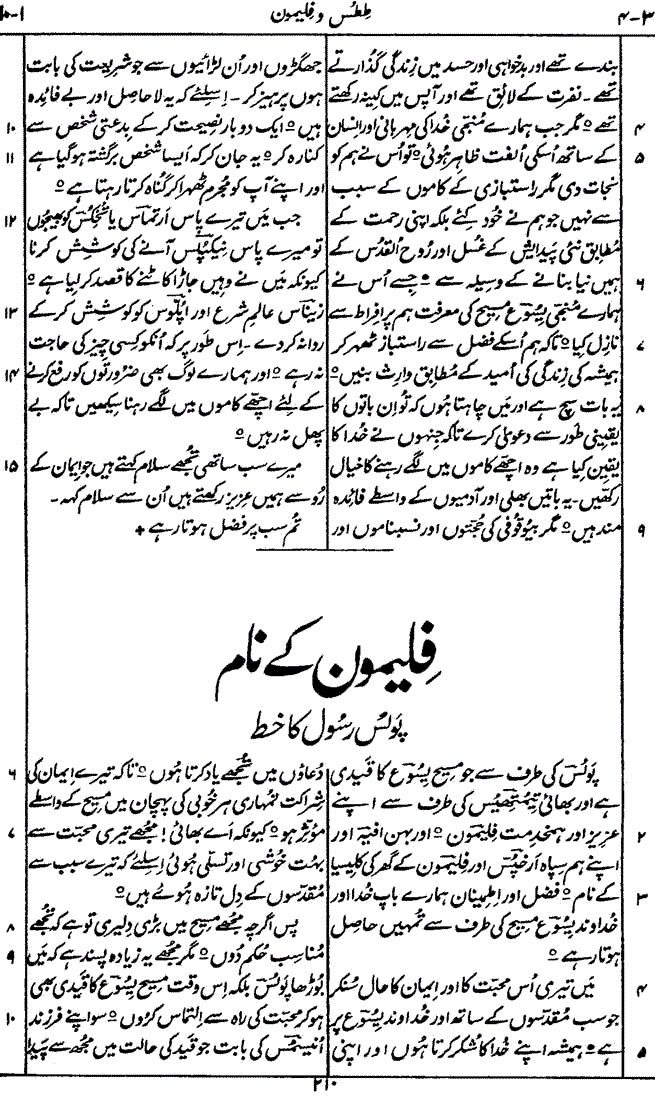
Titus Chapter 3 (Verses 4–15)
Titus 3:4
Verse: But after that the kindness and love of God our Saviour toward man appeared
-
English Explanation: This verse marks a dramatic shift from the description of humanity’s fallen state to the manifestation of divine grace. The “appearance” refers to the incarnation of Jesus Christ, through whom God’s intrinsic kindness (chrestotes) and love for humanity (philanthropia) were visibly put on display. Salvation did not start with human effort, but with God’s compassionate character.
-
Urdu Explanation: یہ آیت انسانیت کی گرتی ہوئی حالت سے خدا کے فضل کے ظاہر ہونے کی طرف ایک بڑا موڑ ہے۔ یہاں “ظاہر ہونے” سے مراد یسوع مسیح کا دنیا میں آنا ہے جس کے ذریعے خدا کی مہربانی اور انسانوں کے لیے اس کی محبت کھل کر سامنے آئی۔ نجات کا آغاز انسان کی کوشش سے نہیں بلکہ خدا کے رحم دل کردار سے ہوا۔
Titus 3:5
Verse: Not by works of righteousness which we have done but according to his mercy he saved us by the washing of regeneration and renewing of the Holy Ghost
-
English Explanation: Paul explicitly states that human deeds, no matter how righteous they seem, cannot earn salvation. Salvation is purely a product of God’s mercy. It is applied to the believer through two theological concepts: the “washing of regeneration” (spiritual rebirth/cleansing) and the “renewing of the Holy Ghost” (the ongoing transformative work of the Holy Spirit).
-
Urdu Explanation: پولس واضح طور پر بیان کرتا ہے کہ انسانی اعمال خواہ کتنے ہی اچھے کیوں نہ ہوں نجات حاصل نہیں کر سکتے۔ نجات خالصتاً خدا کے رحم کا نتیجہ ہے۔ یہ مومن کی زندگی میں دو طریقوں سے کام کرتی ہے: پہلا “نئی پیدائش کا غسل” (روحانی صفائی) اور دوسرا “روح القدس کا نیا بنانا” (پاک روح کا مسلسل تبدیلی لانے والا کام)۔
Titus 3:6
Verse: Which he shed on us abundantly through Jesus Christ our Saviour
-
English Explanation: The Holy Spirit is not given to believers sparingly or in small measures. God pours out the Holy Spirit “abundantly” or richly. This lavish outpouring is made possible exclusively through the mediatorial work of Jesus Christ, who acts as our Savior.
-
Urdu Explanation: روح القدس مومنین کو ناپ تول کر یا تھوڑی مقدار میں نہیں دیا گیا۔ خدا نے پاک روح کو ہمارے اوپر “کثرت سے” یا کمال سخاوت سے انڈیلا ہے۔ یہ عظیم نعمت صرف اور صرف یسوع مسیح کے وسیلے سے ممکن ہوئی ہے جو ہمارا نجات دہندہ ہے۔
Titus 3:7
Verse: That being justified by his grace we should be made heirs according to the hope of eternal life
-
English Explanation: The ultimate purpose of this grace and renewal is justification—being declared legally righteous before God. Once justified by grace rather than merit, believers receive a new legal status: they become “heirs” of God, holding the confident, assured expectation (“hope”) of inheriting eternal life.
-
Urdu Explanation: اس فضل اور نئی تبدیلی کا حتمی مقصد راستباز ٹھہرایا جانا ہے یعنی خدا کے حضور قانونی طور پر گناہ سے پاک قرار دیا جانا۔ جب ہم قابلیت کے بجائے فضل سے راستباز ٹھہرائے جاتے ہیں تو ہمیں ایک نیا درجہ ملتا ہے: ہم خدا کے “وارث” بن جاتے ہیں اور ابدی زندگی پانے کی پکی امید رکھتے ہیں۔
Titus 3:8
Verse: This is a faithful saying and these things I will that thou affirm constantly that they which have believed in God might be careful to maintain good works These things are good and profitable unto men
-
English Explanation: Paul declares the preceding doctrine of salvation to be fully trustworthy (“a faithful saying”). He instructs Titus to insist on these truths repeatedly. The goal of preaching grace is not lawlessness; rather, those who trust in God must intentionally direct their minds to practice good deeds, which are beneficial and practically useful for society.
-
Urdu Explanation: پولس نجات کے اس نظریے کو مکمل طور پر قابلِ بھروسہ قرار دیتا ہے۔ وہ ططس کو ہدایت کرتا ہے کہ ان باتوں پر مسلسل زور دے۔ فضل کی منادی کا مقصد شریعت سے آزادی یا گناہ کرنا نہیں ہے بلکہ جو خدا پر ایمان لائے ہیں وہ جان بوجھ کر اچھے کاموں میں لگے رہیں کیونکہ یہ کام انسانوں کے لیے اچھے اور فائدہ مند ہیں۔
Titus 3:9
Verse: But avoid foolish questions and genealogies and contentions and strivings about the law for they are unprofitable and vain
-
English Explanation: In contrast to profitable good works, Titus is warned to steer clear of foolish theological speculations, endless family lineages, and heated arguments regarding the Mosaic Law. These debates were prevalent among false teachers and were condemned by Paul because they produced no spiritual fruit and were completely worthless (vain).
-
Urdu Explanation: فائدہ مند اچھے کاموں کے برعکس ططس کو خبردار کیا گیا ہے کہ وہ بیوقوفی کے بحث مباحثوں، لایعنی نسب ناموں اور موسوی شریعت کے بارے میں جھگڑوں سے دور رہے۔ یہ جھگڑے جھوٹے استادوں میں عام تھے اور پولس ان کی مذمت کرتا ہے کیونکہ ان کا کوئی روحانی فائدہ نہیں ہوتا اور یہ بالکل بے کار ہیں۔
Titus 3:10
Verse: A man that is an heretick after the first and second admonition reject
-
English Explanation: A “heretic” in this context refers to a divisive person who creates factions or spreads false, destructive doctrines. Paul sets a clear procedural rule for church discipline: warn the divisive person once, warn them a second time, and if they refuse to repent, cut off close fellowship or leadership status with them.
-
Urdu Explanation: یہاں “بدعتی” سے مراد ایسا شخص ہے جو کلیسیا میں تفرقہ یا پھوٹ ڈالتا ہے یا جھوٹی تعلیمات پھیلاتا ہے۔ پولس کلیسیائی نظم و ضبط کا ایک واضح اصول بتاتا ہے: تفرقہ ڈالنے والے کو پہلی اور دوسری بار تنبیہ کرو اور اگر وہ توبہ نہ کرے تو اس سے تعلق یا رفاقت ختم کر دو۔
Titus 3:11
Verse: Knowing that he that is such is subverted and sinneth being condemned of himself
-
English Explanation: The reason for rejecting such a person is that their stubborn refusal to change shows they are twisted or warped (“subverted”). By continuing to sin despite warnings, their own persistent actions and attitudes stand as a self-evident verdict against them; they are self-condemned.
-
Urdu Explanation: ایسے شخص سے دوری اختیار کرنے کی وجہ یہ ہے کہ اس کا بار بار انکار ظاہر کرتا ہے کہ وہ بگڑ چکا ہے یا سیدھی راہ سے ہٹ گیا ہے۔ تنبیہ کے باوجود گناہ جاری رکھ کر اس کے اپنے اعمال اس کے خلاف گواہی دیتے ہیں اور وہ خود اپنے آپ پر سزا کا حکم لگاتا ہے۔
Titus 3:12
Verse: When I shall send Artemas unto thee or Tychicus be diligent to come unto me to Nicopolis for I have determined there to winter
-
English Explanation: Paul transitions to personal instructions. He plans to send either Artemas or Tychicus to relieve Titus of his duties in Crete. Once a replacement arrives, Titus is urged to make every effort to meet Paul in Nicopolis, a city where Paul has decided to stay during the harsh winter months.
-
Urdu Explanation: پولس اب ذاتی ہدایات کی طرف آتا ہے۔ وہ ارتماس یا تککُس میں سے کسی ایک کو بھیجنے کا ارادہ رکھتا ہے تاکہ وہ ططس کی جگہ کریطیس میں ذمہ داری سنبھال سکیں۔ جیسے ہی وہ پہنچیں، ططس کو تاکید کی گئی ہے کہ وہ نیکوپولس میں پولس سے ملنے کی پوری کوشش کرے جہاں پولس نے سردیوں کا موسم گزارنے کا فیصلہ کیا ہے۔
Titus 3:13
Verse: Bring Zenas the lawyer and Apollos on their journey diligently that nothing be wanting unto them
-
English Explanation: Titus is directed to take practical care of traveling ministers, specifically Zenas (referred to as a lawyer, likely skilled in Roman or Jewish law) and Apollos (the well-known eloquent preacher). Titus must ensure they are supplied with food, finances, and provisions so that their journey is not hindered by shortages.
-
Urdu Explanation: ططس کو ہدایت کی گئی ہے کہ وہ سفر کرنے والے خادموں، خاص طور پر زیناس فقیہ (جو شریعت یا رومی قانون کا ماہر تھا) اور اپلوس (جو ایک مشہور خطیب تھا) کا عملی خیال رکھے۔ ططس کو یقینی بنانا چاہیے کہ انہیں سفر کے لیے رقم، کھانا اور ضروری سامان ملے تاکہ انہیں کسی چیز کی کمی نہ ہو۔
Titus 3:14
Verse: And let ours also learn to maintain good works for necessary uses that they be not unfruitful
-
English Explanation: Paul reinforces that church members (“ours”) must learn to actively participate in doing good works to meet urgent, practical needs—such as supporting traveling missionaries. Living this way ensures that the faith of the believers produces practical, visible results and is not barren or unfruitful.
-
Urdu Explanation: پولس اس بات پر زور دیتا ہے کہ کلیسیا کے لوگوں کو بھی سیکھنا چاہیے کہ وہ ضرورتوں کو پورا کرنے کے لیے اچھے کاموں میں سرگرمی سے حصہ لیں جیسے کہ سفر کرنے والے خادموں کی مدد کرنا۔ اس طرح زندگی گزارنے سے یہ یقینی ہوتا ہے کہ ایمان والوں کا ایمان نتیجہ خیز ہو اور وہ بے پھل نہ رہیں۔
Titus 3:15
Verse: All that are with me salute thee Greet them that love us in the faith Grace be with you all Amen It was written to Titus ordained the first bishop of the church of the Cretians from Nicopolis of Macedonia
-
English Explanation: Paul concludes with final greetings from his companions to Titus, asking him to greet the believers in Crete who share their mutual bond in Christ. He offers a closing benediction of grace. The historical postscript notes that the letter was written from Nicopolis of Macedonia to Titus, who served as the foundational leader (bishop) of the Cretan church.
-
Urdu Explanation: پولس اپنے ساتھیوں کی طرف سے ططس کو آخری سلام بھیجتا ہے اور کہتا ہے کہ کریطیس کے ان مومنین کو سلام کہو جو مسیحی ایمان میں ان سے محبت رکھتے ہیں۔ وہ فضل کی دعا کے ساتھ خط ختم کرتا ہے۔ تاریخی نوٹ کے مطابق یہ خط مکدونیہ کے شہر نیکوپولس سے ططس کو لکھا گیا تھا جو کریطیس کی کلیسیا کے پہلے نگہبان (بشپ) مقرر کیے گئے تھے۔
Philemon Chapter 1 (Verses 1–10)
Philemon 1:1
Verse: Paul a prisoner of Jesus Christ and Timothy our brother unto Philemon our dearly beloved and fellowlabourer
-
English Explanation: Paul opens his letter to Philemon by identifying himself not by his official title of “apostle,” but humbly as a “prisoner of Jesus Christ,” emphasizing his suffering for the Gospel. Timothy joins in the greeting. The recipient is Philemon, a house-church leader in Colossae, addressed warmly as a beloved friend and co-worker in ministry.
-
Urdu Explanation: پولس فلیمون کے نام اپنے خط کا آغاز رسول کے باضابطہ لقب سے نہیں بلکہ عاجزی کے ساتھ “یسوع مسیح کے قیدی” کے طور پر کرتا ہے، جو انجیل کی خاطر اس کی تکلیف کو ظاہر کرتا ہے۔ تیمتھیس بھی اس سلام میں شریک ہے۔ خط پانے والا فلیمون ہے، جو کلسیے میں گھریلو کلیسیا کا رہنما ہے، جسے پولس محبت کرنے والا دوست اور خدمت کا ساتھی کہہ کر پکارتا ہے۔
Philemon 1:2
Verse: And to our beloved Apphia and Archippus our fellowsoldier and to the church in thy house
-
English Explanation: The greeting is extended to Apphia (likely Philemon’s wife), Archippus (potentially his son or a key minister, called a “fellowsoldier” due to his spiritual endurance), and the entire local congregation that regularly gathered for worship inside Philemon’s residential home.
-
Urdu Explanation: یہ سلام اِفیاہ (جو غالباً فلیمون کی بیوی تھیں)، ارخپُس (جو شاید ان کا بیٹا یا کلیسیا کا کوئی اہم خادم تھا اور جسے روحانی پائیداری کی وجہ سے “ساتھی سپاہی” کہا گیا) اور اس پوری مقامی جماعت کو بھیجا گیا ہے جو فلیمون کے گھر میں عبادت کے لیے جمع ہوتی تھی۔
Philemon 1:3
Verse: Grace to you and peace from God our Father and the Lord Jesus Christ
-
English Explanation: This is Paul’s signature Christian greeting combining the Greek concept of divine favor (charis / grace) with the Hebrew concept of wholeness and well-being (shalom / peace). The source of this grace and peace is explicitly stated as God the Father and the Lord Jesus Christ equally.
-
Urdu Explanation: یہ پولس کا مخصوص مسیحی سلام ہے جو الٰہی فضل (گریک: کارِس) اور سلامتی (عبرانی: شلوم) کے تصورات کو جوڑتا ہے۔ اس فضل اور سلامتی کا سرچشمہ خدا باپ اور خداوند یسوع مسیح کو برابر قرار دیا گیا ہے۔
Philemon 1:4
Verse: I thank my God making mention of thee always in my prayers
-
English Explanation: Paul begins the body of the letter with an expression of deep gratitude and intercession. Despite being locked up in chains, Paul maintains a disciplined and consistent prayer life, regularly remembering Philemon’s character and ministry before God.
-
Urdu Explanation: پولس خط کے اہم حصے کا آغاز گہرے شکر گزار دل اور دعا کے ساتھ کرتا ہے۔ زنجیروں میں جکڑے ہونے کے باوجود پولس نے باقاعدگی سے دعا کرنے کا سلسلہ جاری رکھا اور وہ خدا کے سامنے فلیمون کے کردار اور اس کی خدمت کو یاد کرتا ہے۔
Philemon 1:5
Verse: Hearing of thy love and faith which thou hast toward the Lord Jesus and toward all saints
-
English Explanation: Paul explains why he thanks God for Philemon: reputation reports have reached his ears regarding Philemon’s exemplary life. This life is marked by vertical faith directed toward the Lord Jesus and horizontal, practical love directed toward all fellow believers (“saints”).
-
Urdu Explanation: پولس فلیمون کا شکر ادا کرنے کی وجہ بتاتا ہے: اس کے کانوں تک فلیمون کی مثالی زندگی کی خبریں پہنچی ہیں۔ فلیمون کی زندگی کی خصوصیت یہ ہے کہ وہ خداوند یسوع پر پکا ایمان رکھتا ہے اور تمام ایمانداروں (مقدسین) سے عملی محبت کرتا ہے۔
Philemon 1:6
Verse: That the communication of thy faith may become effectual by the acknowledging of every good thing which is in you in Christ Jesus
-
English Explanation: Paul prays that Philemon’s active sharing, fellowship, and expression of faith (“communication”) will become highly effective. This effectiveness grows as Philemon and his community deeply recognize, experience, and appreciate every spiritual blessing and good virtue given to them through their union with Christ Jesus.
-
Urdu Explanation: پولس دعا کرتا ہے کہ فلیمون کے ایمان کا شراکت دار ہونا یا اس کا اظہار بہت زیادہ موثر ثابت ہو۔ یہ اثر ان کے اندر تب بڑھتا ہے جب فلیمون اور اس کی برادری ان تمام برکات اور اچھائیوں کو گہرائی سے پہچانتی اور اس کی قدر کرتی ہے جو مسیح یسوع کے ساتھ جڑے رہنے کی وجہ سے انہیں ملی ہیں۔
Philemon 1:7
Verse: For we have great joy and consolation in thy love because the bowels of the saints are refreshed by thee brother
-
English Explanation: Philemon’s loving actions have brought profound emotional joy and encouragement (consolation) to Paul. The term “bowels” represents the inner seat of human emotions and deep feelings. Philemon had literally “refreshed” or brought relief and comfort to the hearts of weary believers in the region.
-
Urdu Explanation: فلیمون کے محبت بھرے کاموں نے پولس کو دلی خوشی اور تسلی دی ہے۔ یہاں لفظ “دل و جگر” انسانی جذبات اور گہرے احساسات کے مرکز کو ظاہر کرتا ہے۔ فلیمون نے اس علاقے کے تھکے ہارے ایمانداروں کے دلوں کو تازہ دم کیا اور انہیں سکون پہنچایا تھا۔
Philemon 1:8
Verse: Wherefore though I might be much bold in Christ to enjoin thee that which is convenient
-
English Explanation: Based on his apostolic authority and his spiritual fatherhood over Philemon, Paul notes that he has every right “in Christ” to boldly command (enjoin) Philemon to do what is morally proper and required of him regarding the situation at hand.
-
Urdu Explanation: اپنے رسولی اختیار اور فلیمون کے ساتھ روحانی باپ کے تعلق کی بنیاد پر پولس کہتا ہے کہ اسے “مسیح میں” پورا حق حاصل ہے کہ وہ فلیمون کو دلیری سے حکم دے کہ موجودہ صورتحال میں اس کا اخلاقی فرض کیا بنتا ہے۔
Philemon 1:9
Verse: Yet for love’s sake I rather beseech thee being such an one as Paul the aged and now also a prisoner of Jesus Christ
-
English Explanation: Instead of asserting his raw apostolic authority or issuing a command, Paul chooses to appeal on the basis of Christian love. He invites voluntary obedience by gently reminding Philemon of his vulnerable condition—as an elderly veteran missionary (“Paul the aged”) suffering in physical confinement as a prisoner for Christ.
-
Urdu Explanation: اپنا رسولی اختیار جتلانے یا حکم جاری کرنے کے بجائے پولس مسیحی محبت کی بنیاد پر التجا کرنے کا انتخاب کرتا ہے۔ وہ فلیمون کو اپنی کمزور حالت یاد دلا کر اپنی بات ماننے کی ترغیب دیتا ہے کہ وہ ایک بوڑھا خادم ہے اور اس وقت مسیح کی خاطر قید کی حالت میں تکلیف اٹھا رہا ہے۔
Philemon 1:10
Verse: I beseech thee for my son Onesimus whom I have begotten in my bonds
-
English Explanation: Paul finally introduces the primary focus of his letter: Onesimus, a runaway slave who belonged to Philemon. Paul tenderly refers to him as “my son,” explaining that while locked up in prison (“in my bonds”), Paul preached the Gospel to Onesimus, leading him to salvation and spiritually “begetting” him into the family of God.
-
Urdu Explanation: پولس آخر کار اپنے خط کے اصل مقصد کو سامنے لاتا ہے: یعنی انسیمس، جو فلیمون کا بھاگا ہوا غلام تھا۔ پولس اسے پیار سے “اپنا بیٹا” کہتا ہے اور بتاتا ہے کہ جب وہ قید خانہ میں تھا تو اس نے انسیمس کو انجیل سنائی جس کے نتیجے میں اس نے نجات پائی اور پولس اس کا روحانی باپ بنا۔