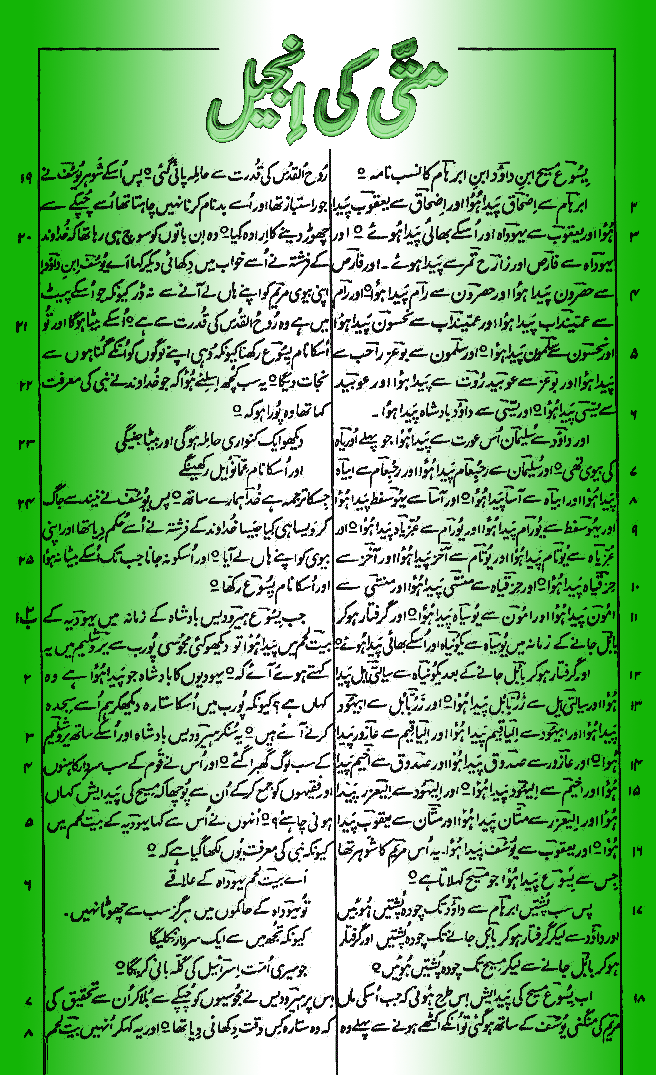
Verse-by-Verse Commentary (Matthew 1:1 – 2:8)
Matthew 1:1
Verse: The book of the generation of Jesus Christ the son of David the son of Abraham
-
English Explanation: This opening verse functions as the title and introduction to the entire Gospel. By identifying Jesus as the “son of David” and the “son of Abraham,” Matthew legally connects Jesus to the core covenants of Hebrew history. The “son of David” establishes His rightful claim to the eternal royal throne promised in the Davidic Covenant, while “son of Abraham” links Him directly to the Abrahamic Covenant, proving He is the seed through whom all nations of the Earth would be blessed.
-
Urdu Explanation: یہ آیت متی کی پوری انجیل کے عنوان اور تعارف کے طور پر کام کرتی ہے۔ یسوع کو “داؤد کا بیٹا” اور “ابراہام کا بیٹا” کہہ کر، متی قانونی طور پر یسوع کو عبرانی تاریخ کے بنیادی عہود سے جوڑتا ہے۔ “داؤد کا بیٹا” ہونا داؤد کے عہد میں وعدہ کیے گئے ابدی شاہی تخت پر ان کے جائز حق کو ثابت کرتا ہے، جبکہ “ابراہام کا بیٹا” ہونا انہیں براہ راست ابراہام کے عہد سے جوڑتا ہے، جس سے یہ ثابت ہوتا ہے کہ وہ وہی نسل ہیں جس کے ذریعے زمین کی تمام قومیں برکت پائیں گی۔
Matthew 1:2
Verse: Abraham begat Isaac and Isaac begat Jacob and Jacob begat Judas and his brethren
-
English Explanation: Matthew begins tracing the lineage from Abraham down through the patriarchs. He highlights Isaac, the child of promise, and Jacob, through whom the twelve tribes of Israel descended. By mentioning Judah (“Judas”) and his brothers, Matthew establishes that Jesus belongs to the royal line of Judah, fulfilling early prophetic declarations.
-
Urdu Explanation: متی ابراہام سے لے کر اباواجداد کے ذریعے نسل کا سراغ لگانا شروع کرتا ہے۔ وہ اسحاق، جو وعدے کا فرزند تھا، اور یعقوب کا ذکر کرتا ہے، جن سے اسرائیل کے بارہ قبیلے پیدا ہوئے۔ یہوداہ (“جوداس”) اور اس کے بھائیوں کا ذکر کر کے، متی یہ ثابت کرتا ہے کہ یسوع کا تعلق یہوداہ کے شاہی قبیلے سے ہے، جو پرانی پیشگوئیوں کے عین مطابق ہے۔
Matthew 1:3
Verse: And Judas begat Phares and Zara of Thamar and Phares begat Esrom and Esrom begat Aram
-
English Explanation: This section introduces Tamar (“Thamar”), the first of several women intentionally included in this genealogy. In ancient near-eastern genealogies, women were rarely mentioned. Including Tamar, whose story involved hardship and unconventional circumstances, highlights God’s grace and underscores that Jesus came to redeem broken individuals and messy human histories.
-
Urdu Explanation: اس حصے میں تمر (“تھامار”) کا ذکر ہے، جو اس شجرہ نسب میں جان بوجھ کر شامل کی گئی چند خواتین میں سے پہلی ہیں۔ قدیم مشرقی ثقافت میں شجرہ نسب میں خواتین کا ذکر شاذ و نادر ہی ہوتا تھا۔ تمر کا ذکر کرنا، جس کی زندگی مشکلات اور غیر معمولی حالات سے گزری، خدا کے فضل کو ظاہر کرتا ہے اور یہ واضح کرتا ہے کہ یسوع انسانی تاریخ کی کمزوریوں کو دور کرنے اور انسانوں کو نجات دینے آئے۔
Matthew 1:4
Verse: And Aram begat Aminadab and Aminadab begat Naasson and Naasson begat Salmon
-
English Explanation: This sequence tracks the lineage during Israel’s period of Egyptian bondage and the Exodus. Nahshon (“Naasson”) was a prominent tribal leader of Judah during the wilderness wanderings, signifying that the royal bloodline maintained its leadership and identity even during difficult periods of national transition.
-
Urdu Explanation: یہ سلسلہ مصر کی غلامی اور خروج کے دور میں اسرائیل کے شجرہ نسب کو ظاہر کرتا ہے۔ نحشون (“ناسون”) بیابان کے سفر کے دوران یہوداہ کے قبیلے کا ایک ممتاز رہنما تھا، جو یہ ظاہر کرتا ہے کہ شاہی نسل نے قومی تبدیلی کے مشکل ادوار میں بھی اپنی قیادت اور شناخت کو برقرار رکھا۔
Matthew 1:5
Verse: And Salmon begat Booz of Rachab and Booz begat Obed of Ruth and Obed begat Jesse
-
English Explanation: This verse includes two noteworthy Gentile women: Rahab (“Rachab”), a Canaanite from Jericho, and Ruth, a Moabitess. Their inclusion breaks down racial barriers, showing that the Messiah’s lineage incorporates non-Jewish individuals. It previews the global scope of the Gospel—that salvation through Jesus is intended for all nations.
-
Urdu Explanation: اس آیت میں دو قابل ذکر غیر یہودی (امتی) خواتین شامل ہیں: راحب، جو یریکو کی ایک کنعانی عورت تھی، اور روتھ، جو ایک موآبی عورت تھی۔ ان کی شمولیت نسلی رکاوٹوں کو توڑتی ہے، جس سے ظاہر ہوتا ہے کہ مسیح کے شجرہ نسب میں غیر یہودی لوگ بھی شامل ہیں۔ یہ انجیل کے عالمی مقصد کا پیش خیمہ ہے کہ یسوع کے ذریعے نجات تمام قوموں کے لیے ہے۔
Matthew 1:6
Verse: And Jesse begat David the king and David the king begat Solomon of her that had been the wife of Urias
-
English Explanation: Jesse’s lineage culminates in King David, the pinnacle of Israel’s historical monarchy. Matthew explicitly emphasizes David’s royal title. He also references Bathsheba (“her that had been the wife of Urias”), pointing out David’s great sin but also demonstrating how God’s sovereign plan of redemption overcomes human failures to produce King Solomon.
-
Urdu Explanation: یسی کا شجرہ نسب بادشاہ داؤد پر پہنچتا ہے، جو اسرائیل کی تاریخی بادشاہت کا عروج تھے۔ متی واضح طور پر داؤد کے شاہی لقب پر زور دیتا ہے۔ وہ بت سبع کا بھی حوالہ دیتا ہے (“جو اوریاہ کی بیوی تھی”)، جو داؤد کے بڑے گناہ کی طرف اشارہ کرتا ہے لیکن یہ بھی دکھاتا ہے کہ خدا کا خودمختار منصوبہ انسانی ناکامیوں پر غالب آکر بادشاہ سلیمان کو جنم دیتا ہے۔
Matthew 1:7
Verse: And Solomon begat Roboam and Roboam begat Abia and Abia begat Asa
-
English Explanation: This passage traces the line of kings who ruled over the Southern Kingdom of Judah after the nation divided. Rehoboam (“Roboam”), Abijah (“Abia”), and Asa represent the continuity of David’s royal line, illustrating how God preserved the promised seed through succeeding generations of Judean monarchs.
-
Urdu Explanation: یہ حوالہ ان بادشاہوں کی نسل کا سراغ لگاتا ہے جنہوں نے ملک کی تقسیم کے بعد یہوداہ کی جنوبی بادشاہت پر حکومت کی۔ رحبعام (“روبوعام”)، ابیاہ، اور آسا داؤد کی شاہی نسل کے تسلسل کی نمائندگی کرتے ہیں، جو یہ ظاہر کرتا ہے کہ خدا نے یہوداہ کے بادشاہوں کی آنے والی نسلوں کے ذریعے وعدہ کی گئی نسل کو کیسے محفوظ رکھا۔
Matthew 1:8
Verse: And Asa begat Josaphat and Josaphat begat Joram and Joram begat Ozias
-
English Explanation: The lineage continues through King Jehoshaphat (“Josaphat”), Joram, and Uzziah (“Ozias”). Biblical historians note that Matthew skips a few generations here (such as Ahaziah, Joash, and Amaziah) to compress the genealogy into a balanced, memorable structural pattern, which was a common and accepted practice in ancient Jewish genealogical records.
-
Urdu Explanation: یہ نسل بادشاہ یہوسفط، یورام اور عزیاہ (“اوزیاس”) کے ذریعے جاری رہتی ہے۔ بائبل کے مورخین بتاتے ہیں کہ متی نے یہاں کچھ نسلیں چھوڑ دیں (جیسے اخزیاہ، یوآس، اور امصیاہ) تاکہ شجرہ نسب کو ایک متوازن اور یادگار ڈھانچے میں ڈھالا جا سکے، جو کہ قدیم یہودی ریکارڈز میں ایک عام اور مقبول طریقہ تھا۔
Matthew 1:9
Verse: And Ozias begat Joatham and Joatham begat Achaz and Achaz begat Ezekias
-
English Explanation: This verse moves through the reigns of Jotham (“Joatham”), Ahaz (“Achaz”), and Hezekiah (“Ezekias”). Ahaz was one of Judah’s most wicked, idol-worshipping kings, while his son Hezekiah was one of its most righteous and reform-minded leaders. This contrast proves that ancestral righteousness or wickedness does not hinder the progression of God’s redemptive plan.
-
Urdu Explanation: یہ آیت یوتام، آخز اور حزقیاہ (“ایزیکیاس”) کے ادورِ حکومت سے گزرتی ہے۔ آخز یہوداہ کے بدترین اور بت پرست بادشاہوں میں سے ایک تھا، جبکہ اس کا بیٹا حزقیاہ سب سے زیادہ نیک اور اصلاح پسند رہنماؤں میں سے تھا۔ یہ تضاد ثابت کرتا ہے کہ آباواجداد کی نیکی یا برائی خدا کے نجات کے منصوبے کی پیشرفت کو نہیں روک سکتی۔
Matthew 1:10
Verse: And Ezekias begat Manasses and Manasses begat Amon and Amon begat Josias
-
English Explanation: The line moves from Hezekiah to Manasseh, Amon, and Josiah (“Josias”). Manasseh ruled longer than any other king of Judah and was initially notorious for his extreme wickedness, though he repented later. Josiah led a massive national spiritual revival, discovering the lost Book of the Law and turning the hearts of the people back to God.
-
Urdu Explanation: یہ سلسلہ حزقیاہ سے منسی، امون اور یوستیاہ (“جوسیاس”) کی طرف بڑھتا ہے۔ منسی نے یہوداہ کے کسی بھی دوسرے بادشاہ سے زیادہ طویل حکومت کی اور شروع میں وہ اپنی انتہائی برائی کے لیے بدنام تھا، حالانکہ بعد میں اس نے توبہ کر لی۔ یوستیاہ نے ایک عظیم قومی روحانی بیداری کی قیادت کی، شریعت کی کھوئی ہوئی کتاب کو دوبارہ دریافت کیا اور لوگوں کے دلوں کو خدا کی طرف موڑا۔
Matthew 1:11
Verse: And Josias begat Jechonias and his brethren about the time they were carried away to Babylon
-
English Explanation: This verse marks a tragic turning point in Israel’s history: the Babylonian captivity. Jeconiah (“Jechonias”) reigned briefly before being deposed by King Nebuchadnezzar. Even as Israel lost its sovereignty, its land, and its temple due to judgment, God preserved the royal bloodline intact in exile.
-
Urdu Explanation: یہ آیت اسرائیل کی تاریخ میں ایک دردناک موڑ یعنی بابل کی اسارت (غلامی) کی نشان دہی کرتی ہے۔ یکونیاہ (“جیکونیاس”) نے شاہ نبوکدنضر کی طرف سے ہٹائے جانے سے پہلے تھوڑی دیر حکومت کی۔ اگرچہ اسرائیل اپنی خودمختاری، اپنی زمین اور اپنی ہیکل خدا کے انصاف کی وجہ سے کھو چکا تھا، لیکن خدا نے جلاوطنی میں بھی شاہی نسل کو محفوظ رکھا۔
Matthew 1:12
Verse: And after they were brought to Babylon Jechonias begat Salathiel and Salathiel begat Zorobabel
-
English Explanation: This verse details the lineage inside the Babylonian exile and the subsequent return. Shealtiel (“Salathiel”) and Zerubbabel (“Zorobabel”) were central figures during the restoration. Zerubbabel led the first major wave of Jewish exiles back to Jerusalem and oversaw the rebuilding of the Second Temple, keeping the Messianic lineage active.
-
Urdu Explanation: یہ آیت بابل کی جلاوطنی کے دوران اور اس کے بعد واپسی کے شجرہ نسب کی تفصیل بتاتی ہے۔ سیالتی ایل (“سلاطی ایل”) اور زربابل جلاوطنی سے واپسی کے دوران مرکزی شخصیات تھے۔ زربابل نے یہودی جلاوطنوں کے پہلے بڑے گروہ کی یروشلم واپسی کی قیادت کی اور دوسری ہیکل کی تعمیر نو کی نگرانی کی، جس سے مسیحی نسل کا سلسلہ قائم رہا۔
Matthew 1:13
Verse: And Zorobabel begat Abiud and Abiud begat Eliakim and Eliakim begat Azor
-
English Explanation: Following Zerubbabel, the lineage enters a historical “silent period” where these names do not appear in Old Testament records. Abiud, Eliakim, and Azor were ordinary individuals living in the post-exilic world, proving that even when God’s operations are hidden from the public eye, His covenant promises remain fully active.
-
Urdu Explanation: زربابل کے بعد، یہ نسل ایک تاریخی “خاموش دور” میں داخل ہوتی ہے جہاں یہ نام عہدِ عتیق (پرانے عہد نامے) کے ریکارڈ میں نظر نہیں آتے۔ ابیہود، الیاقیم اور عازور جلاوطنی کے بعد کی دنیا میں رہنے والے عام افراد تھے، جو یہ ثابت کرتے ہیں کہ جب خدا کے کام عوامی نظروں سے پوشیدہ ہوتے ہیں، تب بھی اس کے عہدی وعدے پوری طرح متحرک ہوتے ہیں۔
Matthew 1:14
Verse: And Azor begat Sadoc and Sadoc begat Achim and Achim begat Eliud
-
English Explanation: The genealogy continues deeper into the obscure generations leading up to the New Testament era through Zadok (“Sadoc”), Achim, and Eliud. Though these men did not wear earthly crowns or govern lands, they maintained the biological link necessary to fulfill the ancient prophecies regarding the Messiah’s ancestry.
-
Urdu Explanation: یہ شجرہ نسب عازور سے زادوق، اخیم اور الیہود کے ذریعے عہدِ جدید کے دور کی طرف بڑھتا ہے۔ اگرچہ ان مردوں کے پاس زمین پر تاج یا حکومتیں نہیں تھیں، لیکن انہوں نے اس حیاتیاتی سلسلے کو برقرار رکھا جو مسیح کے آباواجداد کے بارے میں قدیم پیشگوئیوں کو پورا کرنے کے لیے ضروری تھا۔
Matthew 1:15
Verse: And Eliud begat Eleazar and Eleazar begat Matthan and Matthan begat Jacob
-
English Explanation: Eleazar, Matthan, and Jacob represent the final private generations before the birth of Christ. They were the immediate ancestors who preserved the legal rights to David’s throne through centuries of changing foreign occupations (Persian, Greek, and Roman rule), leading directly to Joseph’s immediate family.
-
Urdu Explanation: اِلیعزر، متان اور یعقوب مسیح کی پیدائش سے پہلے کی آخری نسلوں کی نمائندگی کرتے ہیں۔ یہ وہ قریبی آباواجداد تھے جنہوں نے صدیوں کے غیر ملکی قبضوں (فارسی، یونانی اور رومی حکومت) کے دوران داؤد کے تخت کے قانونی حقوق کو محفوظ رکھا، جو براہِ راست یوسف کے خاندان تک پہنچے۔
Matthew 1:16
Verse: And Jacob begat Joseph the husband of Mary of whom was born Jesus who is called Christ
-
English Explanation: Matthew carefully adjusts his language here. Instead of using “begat” for Jesus, he identifies Joseph as “the husband of Mary, of whom was born Jesus.” This precise phrasing avoids stating that Joseph was the biological father of Jesus, protecting the doctrine of the virgin birth while confirming that Joseph gave Jesus legal royal status as his adopted son.
-
Urdu Explanation: متی یہاں اپنے الفاظ کو احتیاط سے تبدیل کرتا ہے۔ یسوع کے لیے لفظ “پیدا کیا” استعمال کرنے کے بجائے، وہ یوسف کو “مریم کا شوہر، جس سے یسوع پیدا ہوا” کے طور پر متعارف کراتا ہے۔ یہ مخصوص جملہ اس بات سے گریز کرتا ہے کہ یوسف یسوع کا حیاتیاتی باپ تھا، اس طرح کنواری سے پیدائش کے عقیدے کی حفاظت ہوتی ہے جبکہ یہ بھی تصدیق ہوتی ہے کہ یوسف نے یسوع کو اپنے لے پالک بیٹے کے طور پر قانونی شاہی درجہ دیا۔
Matthew 1:17
Verse: So all the generations from Abraham to David are fourteen generations and from David until the carrying away into Babylon are fourteen generations and from the carrying away into Babylon unto Christ are fourteen generations
-
English Explanation: Matthew summarizes the genealogy into three symmetrical blocks of fourteen generations. This structural grouping is intentional and serves a mnemonic purpose to help readers memorize the line. It also emphasizes God’s perfect timing throughout history, moving deliberately from Promise (Abraham) to Kingdom (David), to Exile (Babylon), and finally to Redemption (Christ).
-
Urdu Explanation: متی شجرہ نسب کا خلاصہ چودہ نسلوں کے تین برابر حصوں میں کرتا ہے۔ یہ ساخت جان بوجھ کر بنائی گئی ہے اور اس کا مقصد قارئین کو یہ سلسلہ یاد رکھنے میں مدد دینا ہے۔ یہ تاریخ کے دوران خدا کے کامل وقت پر بھی زور دیتا ہے، جو ابراہام (وعدے) سے داؤد (بادشاہت)، بابل (جلاوطنی)، اور بالآخر مسیح (نجات) تک حکمت کے ساتھ آگے بڑھتا ہے۔
Matthew 1:18
Verse: Now the birth of Jesus Christ was on this wise When as his mother Mary was espoused to Joseph before they came together she was found with child of the Holy Ghost
-
English Explanation: This shifts the narrative to the mechanics of Jesus’s arrival. Mary was betrothed (“espoused”) to Joseph, a binding legal contract in Jewish culture that required a divorce to break. Before the marriage was physically consummated, Mary became pregnant through the sovereign creative power of the Holy Spirit, ensuring Jesus was both fully human and free from inherited sin.
-
Urdu Explanation: یہاں سے کلام یسوع کی پیدائش کے اصل واقعات کی طرف مڑتا ہے۔ مریم کی منگنی یوسف سے ہوئی تھی، جو یہودی ثقافت میں ایک قانونی معاہدہ تھا جسے توڑنے کے لیے طلاق کی ضرورت ہوتی تھی۔ اس سے پہلے کہ وہ میاں بیوی کی حیثیت سے یکجا ہوتے، مریم روح القدس کی قدرت سے حاملہ ہوئیں، جس نے یہ یقینی بنایا کہ یسوع مکمل انسان بھی تھے اور موروثی گناہ سے پاک بھی۔
Matthew 1:19
Verse: Then Joseph her husband being a just man and not willing to make her a publick example was minded to put her away privily
-
Explanation: Discovering the pregnancy, Joseph faced a profound moral dilemma. As a righteous (“just”) observer of Torah law, he could not marry someone seemingly unfaithful. However, driven by compassion, he refused to expose her to public humiliation or a trial that could lead to stoning. He chose instead to dissolve the betrothal through a quiet, private divorce.
-
Urdu Explanation: حمل کا پتا چلنے پر، یوسف کو ایک گہرے اخلاقی مخمصے کا سامنا کرنا پڑا۔ تورات کے قانون کے ایک نیک پیروکار ہونے کے ناطے، وہ بظاہر بے وفا نظر آنے والی عورت سے شادی نہیں کر سکتے تھے۔ تاہم، رحم دلی کے باعث، انہوں نے مریم کو عوامی رسوائی یا ایسے مقدمے کا سامنا کروانے سے انکار کر دیا جو سنگسار کرنے کا سبب بن سکتا تھا۔ انہوں نے خاموشی سے نجی طور پر طلاق دینے کا فیصلہ کیا۔
Matthew 1:20
Verse: But while he thought on these things behold the angel of the Lord appeared unto him in a dream saying Joseph thou son of David fear not to take unto thee Mary thy wife for that which is conceived in her is of the Holy Ghost
-
English Explanation: While Joseph pondered his options, divine intervention cleared his doubts. An angel addressed him directly as the “son of David,” reminding him of his royal identity and destiny. The heavenly messenger validated Mary’s innocence, revealing that the child’s conception was not an act of human infidelity but a miraculous work of the Holy Spirit.
-
Urdu Explanation: جب یوسف اپنے فیصلوں پر غور کر رہے تھے، تو الٰہی مداخلت نے ان کے شکوک و شبہات کو دور کر دیا۔ ایک فرشتے نے انہیں براہ راست “داؤد کا بیٹا” کہہ کر مخاطب کیا، جس سے انہیں ان کی شاہی شناخت یاد دلائی گئی۔ آسمانی پیامبر نے مریم کی بے گناہی کی تصدیق کی اور انکشاف کیا کہ یہ حمل کسی انسانی بے وفائی کا نتیجہ نہیں بلکہ روح القدس کا معجزہ ہے۔
Matthew 1:21
Verse: And she shall bring forth a son and thou shalt call his name JESUS for he shall save his people from their sins
-
English Explanation: The angel reveals the child’s identity and specific earthly mission. The name “JESUS” (Yeshua) literally translates to “Yahweh saves” or “Salvation.” The purpose of His first coming was explicitly spiritual: He did not come to overthrow political empires like Rome, but to rescue humanity from the ultimate bondage of personal sin and separation from God.
-
Urdu Explanation: فرشتہ بچے کی شناخت اور مخصوص زمینی مشن کا انکشاف کرتا ہے۔ نام “یسوع” (یشوع) کا لغوی ترجمہ “خدا نجات دیتا ہے” یا “نجات” ہے۔ ان کی پہلی آمد کا مقصد واضح طور پر روحانی تھا: وہ روم جیسی سیاسی سلطنتوں کا تختہ الٹنے نہیں آئے تھے، بلکہ انسانیت کو ذاتی گناہ اور خدا سے دوری کی سب سے بڑی غلامی سے بچانے آئے تھے۔
Matthew 1:22
Verse: Now all this was done that it might be fulfilled which was spoken of the Lord by the prophet saying
-
English Explanation: Matthew steps out of the immediate narrative to provide a critical theological commentary. He uses what scholars call a “fulfillment formula.” This technique demonstrates to his Jewish readers that the extraordinary events surrounding Jesus’s birth were not random or accidental, but the deliberate realization of prophecies spoken centuries prior.
-
Urdu Explanation: متی فوری طور پر اس کہانی سے ہٹ کر ایک اہم الٰہیاتی تشریح پیش کرتا ہے۔ وہ پیشگوئیوں کے پورا ہونے کا حوالہ دیتا ہے۔ یہ طریقہ کار اس کے یہودی قارئین کو یہ دکھاتا ہے کہ یسوع کی پیدائش کے ارد گرد کے غیر معمولی واقعات حادثاتی نہیں تھے، بلکہ صدیوں پہلے کی گئی پیشگوئیوں کا ایک طے شدہ پورا ہونا تھا۔
Matthew 1:23
Verse: Behold a virgin shall be with child and shall bring forth a son and they shall call his name Emmanuel which being interpreted is God with us
-
English Explanation: Matthew quotes Isaiah 7:14 to validate the virgin birth. The child is assigned the descriptive prophetic title “Emmanuel,” which translates to “God with us.” This signifies that in Jesus, God did not merely send another prophet or leader; rather, the Creator Himself took on human flesh to dwell intimately among His creation.
-
Urdu Explanation: متی کنواری سے پیدائش کی تصدیق کے لیے یسعیاہ 7:14 کا حوالہ دیتا ہے۔ بچے کو “عمانوایل” کا وضاحتی پیشگوئی کا لقب دیا گیا ہے، جس کا ترجمہ ہے “خدا ہمارے ساتھ”۔ یہ اس بات کی علامت ہے کہ یسوع کی صورت میں، خدا نے صرف ایک اور نبی یا رہنما نہیں بھیجا؛ بلکہ خود خالق نے مخلوق کے درمیان رہنے کے لیے انسانی جسم اختیار کیا۔
Matthew 1:24
Verse: Then Joseph being raised from sleep did as the angel of the Lord had bidden him and took unto him his wife
-
English Explanation: This verse showcases Joseph’s immediate, radical obedience and deep faith. Upon waking, he cast aside personal reputational fears, social stigmas, and past hesitation. He promptly obeyed the angel’s instruction, officially finalizing the marriage ceremony and bringing Mary into his home as his protected, legal wife.
-
Urdu Explanation: یہ آیت یوسف کی فوری، مکمل فرمانبرداری اور گہرے ایمان کو ظاہر کرتی ہے۔ بیدار ہونے پر، انہوں نے ذاتی ساکھ کے خوف اور معاشرتی بدنامی کو پسِ پشت ڈال دیا۔ انہوں نے فوری طور پر فرشتے کی ہدایت پر عمل کیا، باضابطہ طور پر شادی کی تقریب کو مکمل کیا اور مریم کو اپنی محفوظ اور قانونی بیوی کے طور پر اپنے گھر لے آئے۔
Matthew 1:25
Verse: And knew her not till she had brought forth her firstborn son and he called his name JESUS
-
English Explanation: Joseph preserved Mary’s virginity until after Jesus was born, ensuring there was absolutely no ambiguity concerning the child’s miraculous origin. Once the child was born, Joseph formally exercised his paternal right and duty by naming Him “JESUS,” thereby legally incorporating Him into the royal line of King David.
-
Urdu Explanation: یوسف نے یسوع کی پیدائش تک مریم کی پاکدامنی کو برقرار رکھا، جس سے بچے کی معجزانہ پیدائش کے بارے میں کسی بھی قسم کے شک و شبہ کی گنجائش نہ رہی۔ بچے کی پیدائش کے بعد، یوسف نے اسے “یسوع” کا نام دے کر باضابطہ طور پر اپنے باپ کے حق اور فرض کو پورا کیا، اور اس طرح قانونی طور پر اسے بادشاہ داؤد کی شاہی نسل میں شامل کیا۔
Matthew 2:1
Verse: Now when Jesus was born in Bethlehem of Judaea in the days of Herod the king behold there came wise men from the east to Jerusalem
-
English Explanation: Chapter 2 shifts locations to Bethlehem, fulfilling Micah 5:2. The historic backdrop is the reign of King Herod the Great, a ruthless tyrant. The “wise men” (Magi) were highly educated eastern astrologers and royal advisers, likely from Persia or Babylon, whose arrival shows that foreign nations recognized Jesus’s cosmic authority long before Israel’s leaders did.
-
Urdu Explanation: دوسرا باب بیت اللحم کی طرف منتقل ہوتا ہے، جو میکاہ 5:2 کی پیشگوئی کو پورا کرتا ہے۔ اس کا تاریخی پس منظر ہیرودیس اعظم کا دورِ حکومت ہے، جو ایک ظالم بادشاہ تھا۔ “مجوُسی” (عقلمند لوگ) مشرق کے اعلیٰ تعلیم یافتہ نجومی اور شاہی مشیر تھے، جو غالباً فارس یا بابل سے آئے تھے، جن کی آمد ظاہر کرتی ہے کہ غیر ملکی قوموں نے اسرائیل کے رہنماؤں سے بہت پہلے یسوع کے عظیم مرتبے کو پہچان لیا تھا۔
Matthew 2:2
Verse: Saying Where is he that is born King of the Jews for we have seen his star in the east and are come to worship him
-
English Explanation: The Magi ask a politically explosive question. They seek a child born with the inherent right to be “King of the Jews,” contrasting sharply with Herod, who was granted the title artificially by the Roman Senate. Guided by a unique celestial phenomenon (“his star”), their ultimate mission was not diplomatic diplomacy but genuine spiritual worship.
-
Urdu Explanation: مجوسیوں نے ایک انتہائی حساس سیاسی سوال پوچھا۔ وہ ایک ایسے بچے کی تلاش میں تھے جو “یہودیوں کا بادشاہ” پیدا ہوا ہو، جو ہیرودیس کے بالکل برعکس تھا، جسے رومی سینٹ نے یہ لقب دیا تھا۔ ایک منفرد آسمانی ستارے کی رہنمائی میں، ان کا حتمی مشن کوئی سیاسی ملاقات نہیں بلکہ سچی روحانی عبادت تھا۔
Matthew 2:3
Verse: When Herod the king had heard these things he was troubled and all Jerusalem with him
-
English Explanation: Herod, notoriously paranoid about losing his throne, viewed any rival claimant as an immediate security threat. Jerusalem’s population shared his anxiety (“all Jerusalem with him”), not out of loyalty to Herod, but because they knew from experience that a threatened, volatile tyrant usually responded with mass violence and bloody purges.
-
Urdu Explanation: ہیرودیس، جو اپنے تخت کو کھونے کے خوف میں مبتلا رہتا تھا، نے کسی بھی متبادل دعویدار کو اپنی حکومت کے لیے ایک خطرہ سمجھا۔ یروشلم کے لوگ بھی اس کے ساتھ پریشان ہو گئے، ہیرودیس کی وفاداری کی وجہ سے نہیں، بلکہ اس لیے کہ وہ اپنے تجربے سے جانتے تھے کہ جب بھی اس ظالم بادشاہ کو خطرہ محسوس ہوتا تھا، وہ بڑے پیمانے پر خون خرابہ کرتا تھا۔
Matthew 2:4
Verse: And when he had gathered all the chief priests and scribes of the people together he demanded of them where Christ should be born
-
English Explanation: Herod convened the nation’s leading religious authorities—the chief priests and the scribes—who were experts in the Old Testament Scriptures. Though Herod was an Edomite who did not personally believe the prophecies, he understood that Jewish messianic expectations were anchored in specific geographic locations written in their holy texts.
-
Urdu Explanation: ہیرودیس نے ملک کے سرکردہ مذہبی رہنماؤں یعنی سردار کاہنوں اور فقیہوں کو جمع کیا جو پرانے عہد نامے کے صحیفوں کے ماہر تھے۔ اگرچہ ہیرودیس خود ایک ادومی تھا جو ذاتی طور پر پیشگوئیوں پر یقین نہیں رکھتا تھا، لیکن وہ جانتا تھا کہ یہودیوں کی مسیح کے بارے میں توقعات ان کے مقدس صحیفوں میں لکھے گئے مخصوص جغرافیائی مقامات سے جڑی ہوئی ہیں۔
Matthew 2:5
Verse: And they said unto him In Bethlehem of Judaea for thus it is written by the prophet
-
English Explanation: The religious leaders provided an immediate, definitive answer without hesitation. They pointed directly to Bethlehem of Judea. This immediate response exposes a striking spiritual apathy: the theologians knew exactly where the Messiah was to be born, yet they showed no personal interest in traveling a mere five miles south to investigate His arrival themselves.
-
Urdu Explanation: مذہبی رہنماؤں نے بغیر کسی ہچکچاہٹ کے فوری اور حتمی جواب دیا۔ انہوں نے براہ راست یہودیہ کے بیت اللحم کی طرف اشارہ کیا۔ یہ فوری جواب ایک گہری روحانی بے حسی کو ظاہر کرتا ہے: علمائے دین اچھی طرح جانتے تھے کہ مسیح کہاں پیدا ہونے والا ہے، لیکن پھر بھی انہوں نے اس کی آمد کی تصدیق کے لیے وہاں جانے میں کوئی ذاتی دلچسپی نہیں دکھائی۔
Matthew 2:6
Verse: And thou Bethlehem in the land of Juda art not the least among the princes of Juda for out of thee shall come a Governor that shall rule my people Israel
-
English Explanation: This quotes Micah 5:2 with an added allusion to 2 Samuel 5:2. It proclaims that although Bethlehem was small and politically insignificant, it would achieve eternal prominence. The coming ruler is described as a “Governor” who will “rule” (literally, “shepherd”) Israel, highlighting that the Messiah’s leadership would be protective, caring, and pastoral, unlike Herod’s brutal tyranny.
-
Urdu Explanation: یہ میکاہ 5:2 کا حوالہ ہے جس میں 2 سموئیل 5:2 کا اشارہ بھی شامل ہے۔ یہ اعلان کرتا ہے کہ اگرچہ بیت اللحم چھوٹا اور سیاسی طور پر غیر اہم تھا، لیکن اسے ہمیشہ کی عظمت حاصل ہوگی۔ آنے والے حکمران کو ایک ایسے “حاکم” کے طور پر بیان کیا گیا ہے جو اسرائیل کی “گلہ بانی” کرے گا، جس سے یہ ظاہر ہوتا ہے کہ مسیح کی قیادت ہیرودیس کے ظلم کے برعکس حفاظتی اور شفیق ہوگی۔
Matthew 2:7
Verse: Then Herod when he had privily called the wise men enquired of them diligently what time the star appeared
-
English Explanation: Herod initiated a covert, deeply deceptive plot. He summoned the Magi to a secret meeting (“privily”) to avoid alerting the local Jewish public. He cross-examined them carefully to discover the precise historical moment the star first appeared, intending to use this data to accurately calculate the child’s exact age for his murderous plans.
-
Urdu Explanation: ہیرودیس نے ایک خفیہ اور انتہائی فریب کارانہ سازش شروع کی۔ اس نے مجوسیوں کو ایک خفیہ ملاقات میں بلایا تاکہ مقامی یہودی عوام کو پتا نہ چلے۔ اس نے ان سے باریک بینی سے پوچھ گچھ کی تاکہ یہ معلوم کیا جا سکے کہ ستارہ پہلی بار کس وقت ظاہر ہوا تھا، تاکہ وہ اس معلومات کو اپنے قاتلانہ منصوبوں کے لیے بچے کی صحیح عمر کا حساب لگانے کے لیے استعمال کر سکے۔
Matthew 2:8
Verse: And he sent them to Bethlehem and said Go and search diligently for the young child and when ye have found him bring me word again that I may come and worship him also
-
English Explanation: Herod dispatched the Magi to Bethlehem with instructions to search thoroughly for the child. He masked his murderous intentions with profound hypocrisy, claiming he desired to join them in “worship.” This verse showcases the deep contrast between genuine seekers of Christ (the Magi) and those who manipulate religious language to protect their own worldly power (Herod).
-
Urdu Explanation: ہیرودیس نے مجوسیوں کو بیت اللحم بھیجا اور ہدایت کی کہ بچے کو اچھی طرح تلاش کریں۔ اس نے اپنے قاتلانہ ارادوں کو منافقت کے پردے میں چھپایا اور دعویٰ کیا کہ وہ بھی اس کی “عبادت” کرنا چاہتا ہے۔ یہ آیت مسیح کے سچے متلاشیوں (مجوسیوں) اور اپنی دنیاوی طاقت کو بچانے کے لیے مذہبی زبان کا سہارا لینے والوں (ہیرودیس) کے درمیان گہرے فرق کو واضح کرتی ہے۔