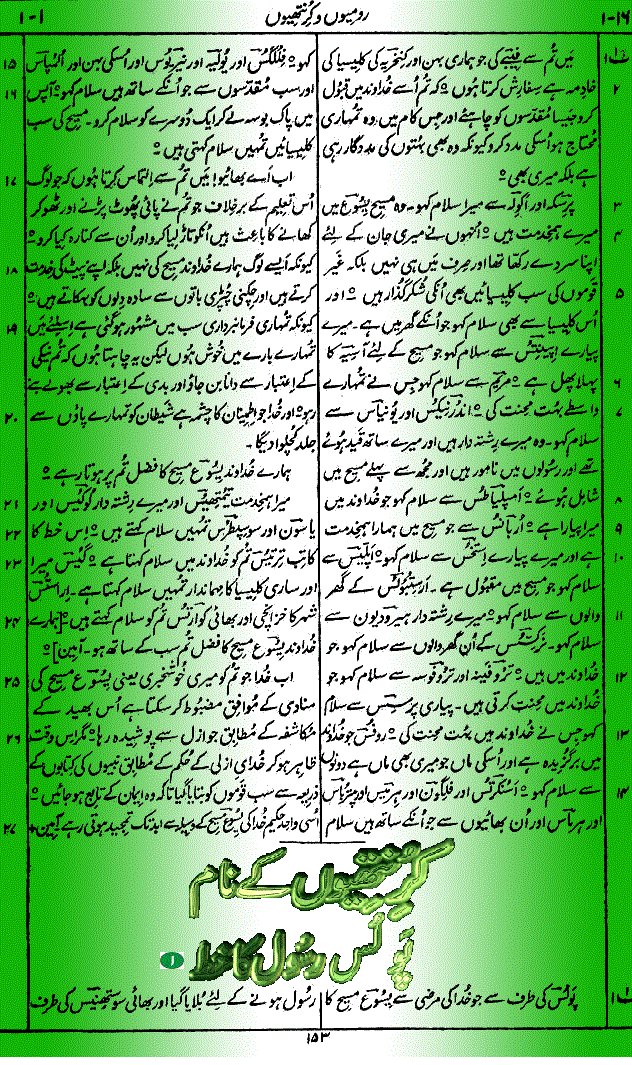
Verse-by-Verse Commentary
Romans 16:2
Verse: That ye receive her in the Lord as becometh saints and that ye assist her in whatsoever business she hath need of you for she hath been a succourer of many and of myself also
English Explanation
Paul requests the Roman church to welcome Phoebe warmly, in a manner fitting for believers (“saints”). He instructs them to provide her with whatever practical or legal assistance she requires during her visit. Paul highlights her credibility by noting that she has been a “succourer” (a protector, helper, or patron) to many people, including Paul himself. This highlights the vital, authoritative role women held in logistics and support in the early Christian movement.
Urdu Explanation (اُردو تشریح)
پولس رومیوں کی کلیسیا سے درخواست کرتا ہے کہ وہ فیبے کا رب میں ایسا ہی استقبال کریں جیسا کہ مقدسین کے لیے مناسب ہے۔ وہ انہیں ہدایت کرتا ہے کہ جس کام میں بھی اسے مدد کی ضرورت ہو، وہ اس کی مدد کریں۔ پولس اس کی ساکھ کی گواہی دیتے ہوئے کہتا ہے کہ وہ بہت سے لوگوں کی اور خود پولس کی بھی مددگار (یا سرپرست) رہی ہے۔ یہ آیت ابتدائی کلیسیا میں خواتین کے اہم اور فعال کردار کو ظاہر کرتی ہے۔
Romans 16:3
Verse: Greet Priscilla and Aquila my helpers in Christ Jesus
English Explanation
Paul sends greetings to Priscilla and Aquila, a prominent married couple who worked closely with him in tentmaking and ministry. He calls them his “helpers in Christ Jesus,” acknowledging their shared partnership, dedication, and co-laboring in spreading the Gospel.
Urdu Explanation (اُردو تشریح)
پولس پرسکلہ اور اکولہ کو سلام بھیجتا ہے جو کہ ایک مشہور شادی شدہ جوڑا تھا اور انہوں نے پولس کے ساتھ خیمہ دوزی اور خدمت میں گہرا تعاون کیا تھا۔ وہ انہیں “مسیح یسوع میں میرے ہم خدمت” کہتا ہے، جو انجیل کی اشاعت میں ان کی شراکت داری اور قربانی کو ظاہر کرتا ہے۔
Romans 16:4
Verse: Who have for my life laid down their own necks unto whom not only I give thanks but also all the churches of the Gentiles
English Explanation
Paul emphasizes the extreme dedication of Priscilla and Aquila, stating they literally or figuratively “laid down their own necks” (risked their lives) to save him. For this courage, Paul expresses deep personal gratitude, noting that all the Gentile (non-Jewish) churches owe them a debt of thanks for preserving the Apostle to the Gentiles.
Urdu Explanation (اُردو تشریح)
پولس پرسکلہ اور اکولہ کی عظیم قربانی کا ذکر کرتے ہوئے کہتا ہے کہ انہوں نے پولس کی جان بچانے کے لیے اپنی گردنیں تک داؤ پر لگا دیں (اپنی جان خطرے میں ڈالی)۔ پولس نہ صرف خود ان کا شکر گزار ہے بلکہ کہتا ہے کہ غیر اقوام کی تمام کلیسیائیں بھی ان کی شکر گزار ہیں کیونکہ انہوں نے غیر اقوام کے رسول کی جان بچائی۔
Romans 16:5
Verse: Likewise greet the church that is in their house Salute my wellbeloved Epaenetus who is the firstfruits of Achaia unto Christ
English Explanation
In the first century, Christians met in private homes due to a lack of formal church buildings. Paul greets the congregation meeting at Priscilla and Aquila’s house. He also greets Epaenetus, calling him “wellbeloved” and identifying him as the “firstfruits of Achaia,” meaning he was the very first convert to Christianity in that specific region.
Urdu Explanation (اُردو تشریح)
پہلی صدی میں باقاعدہ چرچ کی عمارتیں نہ ہونے کی وجہ سے مسیحی گھروں میں جمع ہوتے تھے۔ پولس اس کلیسیا کو سلام کہتا ہے جو پرسکلہ اور اکولہ کے گھر میں جمع ہوتی تھی۔ اس کے ساتھ ہی وہ اپنے پیارے اپینتس کو سلام کہتا ہے جو “اخیہ کا پہلا پھل” تھا، یعنی اس خطے میں مسیح پر ایمان لانے والا سب سے پہلا شخص تھا۔
Romans 16:6
Verse: Greet Mary who bestowed much labour on us
English Explanation
Paul sends greetings to a woman named Mary. Though little else is known about her identity, Paul singles her out for her exceptional work ethic, noting that she “bestowed much labour on us,” displaying her dedication to serving the apostolic team and the church community.
Urdu Explanation (اُردو تشریح)
پولس مریم نامی خاتون کو سلام بھیجتا ہے۔ اگرچہ ان کی شناخت کے بارے میں مزید تفصیلات نہیں ملتیں، لیکن پولس ان کی سخت محنت اور لگن کی تعریف کرتا ہے کہ انہوں نے رسولوں کی ٹیم اور کلیسیا کے لیے “بہت محنت کی”۔
Romans 16:7
Verse: Salute Andronicus and Junia my kinsmen and my fellowprisoners who are of note among the apostles who also were in Christ before me
English Explanation
Paul greets Andronicus and Junia, whom he calls his “kinsmen” (fellow Jews) and “fellowprisoners” (imprisoned for the Gospel). He mentions that they are “of note among the apostles,” meaning they were highly esteemed by the leaders, or were outstanding messengers themselves. Crucially, he notes they were Christians (“in Christ”) before Paul’s own Damascus road conversion.
Urdu Explanation (اُردو تشریح)
پولس اندرونیکس اور یونیاس کو سلام کہتا ہے جنہیں وہ اپنے “رشتہ دار” (ہم وطن یہودی) اور “میرے ساتھ قیدی” کہتا ہے۔ وہ لکھتا ہے کہ وہ “رسولوں میں نامور ہیں” یعنی رسول ان کی بڑی عزت کرتے ہیں، اور یہ کہ وہ پولس سے بھی پہلے مسیح پر ایمان لائے تھے۔
Romans 16:8
Verse: Greet Amplias my beloved in the Lord
English Explanation
Paul extends a warm, brief greeting to Amplias, a common slave name of the era. By calling him “my beloved in the Lord,” Paul demonstrates that in the body of Christ, social status is eradicated, and all are deeply loved equals.
Urdu Explanation (اُردو تشریح)
پولس امپلیاس کو ایک مختصر اور محبت بھرا سلام بھیجتا ہے۔ امپلیاس اس دور میں غلاموں کا ایک عام نام تھا۔ اسے “رب میں میرا پیارا” کہہ کر پولس یہ واضح کرتا ہے کہ مسیح کے بدن میں معاشرتی درجے کی کوئی حیثیت نہیں اور سب برابر ہیں۔
Romans 16:9
Verse: Salute Urbane our helper in Christ and Stachys my beloved
English Explanation
Paul greets Urbane, recognizing him specifically as a co-laborer (“helper”) in the work of Christ. He also greets Stachys, designating him with the intimate title of “my beloved,” reflecting the deep personal bonds within early Christian leadership.
Urdu Explanation (اُردو تشریح)
پولس اربانوس کو سلام کہتا ہے اور مسیح کے کام میں اسے اپنا “ہم خدمت” قرار دیتا ہے۔ اس کے ساتھ ہی وہ استخیس کو سلام کہتا ہے جسے وہ “میرا پیارا” کہتا ہے، جو ابتدائی مسیحی رہنماؤں کے مابین گہرے تعلق کو ظاہر کرتا ہے۔
Romans 16:10
Verse: Salute Apelles approved in Christ Salute them which are of Aristobulus’ household
English Explanation
Apelles is greeted and commended as “approved in Christ,” indicating he had faced trials or testing and stood firm in faith. Paul then sends greetings to the household of Aristobulus, which likely included family members and servants who had converted to Christianity.
Urdu Explanation (اُردو تشریح)
پولس اپلس کو سلام کہتا ہے اور اسے “مسیح میں مقبول” (یا آزمایا ہوا) قرار دیتا ہے، جس کا مطلب ہے کہ وہ آزمائشوں میں ایمان پر قائم رہا۔ پھر وہ ارستبولوس کے گھرانے کے لوگوں کو سلام بھیجتا ہے، جس میں غالباً ایمان لانے والے خادم اور اہل خانہ شامل تھے۔
Romans 16:11
Verse: Salute Herodion my kinsman Greet them that be of the household of Narcissus which are in the Lord
English Explanation
Paul greets Herodion, another Jewish convert (“my kinsman”). He also sends greetings to the believers within the household of Narcissus, specifies that the greeting is directed only to those “which are in the Lord,” as not everyone in the house may have been a believer.
Urdu Explanation (اُردو تشریح)
پولس ہیرودیون کو سلام کہتا ہے جو اس کا ہم وطن (“میرا رشتہ دار”) تھا۔ اس کے بعد وہ نرکسس کے گھرانے کے ان لوگوں کو سلام بھیجتا ہے “جو رب میں ہیں” یعنی جو ایمان لا چکے ہیں، کیونکہ ضروری نہیں کہ اس گھر کے تمام افراد ایمان لائے ہوں۔
Romans 16:12
Verse: Salute Tryphena and Tryphosa who labour in the Lord Salute the beloved Persis which laboured much in the Lord
English Explanation
Paul greets Tryphena and Tryphosa, likely twin sisters whose names mean “dainty” and “delicate,” yet Paul playfully notes they “labour in the Lord.” He then honors Persis, another woman, noting that she has “laboured much,” emphasizing her outstanding devotion.
Urdu Explanation (اُردو تشریح)
پولس ترو فینا اور تروفوسا کو سلام کہتا ہے (جو غالباً جڑواں بہنیں تھیں)۔ ان کے ناموں کا مطلب “نازک” ہے، لیکن پولس تعریف کرتا ہے کہ وہ رب میں محنت کرتی ہیں۔ پھر وہ پرسیس نامی خاتون کو سلام کہتا ہے جس نے “رب میں بہت محنت کی”۔
Romans 16:13
Verse: Salute Rufus chosen in the Lord and his mother and mine
English Explanation
Rufus (likely the son of Simon of Cyrene, who carried Jesus’ cross) is greeted as “chosen in the Lord.” Paul affectionately adds a greeting to Rufus’ mother, calling her “and mine,” showing that she had cared for Paul like a biological mother at some point in his journey.
Urdu Explanation (اُردو تشریح)
پولس روُفس کو سلام کہتا ہے (جو غالباً شمعون کرینی کا بیٹا تھا جس نے مسیح کی صلیب اٹھائی تھی) اور اسے “رب میں چنا ہوا” کہتا ہے۔ پولس محبت سے روفس کی ماں کو سلام کہتا ہے اور اسے “میری بھی ماں” پکارتا ہے، کیونکہ اس نے پولس کی ماں کی طرح دیکھ بھال کی تھی۔
Romans 16:14
Verse: Salute Asyncritus Phlegon Hermas Patrobas Hermes and the brethren which are with them
English Explanation
Paul lists a group of five men—Asyncritus, Phlegon, Hermas, Patrobas, and Hermes—along with “the brethren which are with them.” This phrasing indicates that this group likely comprised another house-church network or ministry cell operating within the city of Rome.
Urdu Explanation (اُردو تشریح)
پولس پانچ مردوں—اسنکرطس، فلگون، ہرماس، پتروباس، اور ہرمیس—اور ان کے ساتھ موجود “بھائیوں” کو سلام کہتا ہے۔ اس جملے سے معلوم ہوتا ہے کہ یہ گروپ روم میں کسی دوسرے گھریلو چرچ یا خدمتی گروہ کی نمائندگی کرتا تھا۔
Romans 16:15
Verse: Salute Philologus and Julia Nereus and his sister and Olympas and all the saints which are with them
English Explanation
Another distinct house-church cluster is addressed here. Paul greets Philologus, Julia, Nereus and his sister, and Olympas, along with “all the saints which are with them.” It illustrates the decentralized yet deeply connected nature of the believers in Rome.
Urdu Explanation (اُردو تشریح)
یہاں ایک اور گھریلو کلیسیا کا ذکر ہے۔ پولس فیلو لوگس، یولیا، نیریوس اور اس کی بہن، اور المپاس، اور ان کے ساتھ موجود “سب مقدسین” کو سلام کہتا ہے۔ یہ ظاہر کرتا ہے کہ روم میں مسیحی مختلف گھروں میں منظم مگر آپس میں جڑے ہوئے تھے۔
Romans 16:16
Verse: Salute one another with an holy kiss The churches of Christ salute you
English Explanation
The “holy kiss” was a common cultural sign of greeting, peace, and familial affection in the ancient Near East and Mediterranean, used here to denote spiritual equality and unity. Paul concludes his greeting segment by passing along blessings from “the churches of Christ” from his current location to Rome.
Urdu Explanation (اُردو تشریح)
“پاک چومنے کے ساتھ ایک دوسرے کو سلام کرو” اس دور کا ایک ثقافتی طریقہ تھا جو خاندانی محبت، امن اور روحانی برابری کو ظاہر کرتا تھا۔ پولس اپنی طرف کے علاقے کی “مسیح کی تمام کلیسیاؤں” کی جانب سے رومیوں کو سلام بھیج کر اس حصے کو ختم کرتا ہے۔
Romans 16:17
Verse: Now I beseech you brethren mark them which cause divisions and offences contrary to the doctrine which ye have learned and avoid them
English Explanation
Paul abruptly shifts from warm greetings to a serious warning. He urges believers to keep a watchful eye (“mark them”) on individuals who create divisions, factions, and moral stumbling blocks (“offences”) that run contrary to the sound apostolic doctrine they received. His strict instructions are clear: avoid them entirely.
Urdu Explanation (اُردو تشریح)
پولس اچانک سلام دعا سے ایک سخت وارننگ کی طرف مڑتا ہے۔ وہ بھائیوں سے التجا کرتا ہے کہ وہ ایسے لوگوں پر نظر رکھیں (“انہیں تاڑ لیں”) جو اس تعلیم کے خلاف پھوٹ اور ٹھوکر کا باعث بنتے ہیں جو انہوں نے پائی ہے۔ پولس کی واضح ہدایت ہے کہ ایسے لوگوں سے دور رہو۔
Romans 16:18
Verse: For they that are such serve not our Lord Jesus Christ but their own belly and by good words and fair speeches deceive the hearts of the simple
English Explanation
Paul exposes the underlying motives of false teachers. They do not serve Jesus Christ; instead, they serve “their own belly” (their selfish desires, financial gain, or appetites). They use persuasive, pleasant rhetoric (“good words and fair speeches”) to manipulate and deceive innocent, undiscerning people (“the simple”).
Urdu Explanation (اُردو تشریح)
پولس جھوٹے استادوں کے اصل عزائم کو بے نقاب کرتا ہے۔ وہ کہتے ہیں کہ ایسے لوگ ہمارے خداوند یسوع مسیح کی نہیں بلکہ “اپنے پیٹ کی خدمت کرتے ہیں” (یعنی اپنے ذاتی فائدے اور لالچ کے لیے کام کرتے ہیں)۔ وہ چکنی چپڑی باتوں اور خوشامد (“عمدہ باتوں اور لفاظی”) کے ذریعے سادہ لوح لوگوں کے دلوں کو بہکاتے ہیں۔
Romans 16:19
Verse: For your obedience is come abroad unto all men I am glad therefore on your behalf but yet I would have you wise unto that which is good and simple concerning evil
English Explanation
Paul commends the Roman church, noting that their reputation for obedience to the Gospel is known globally, which brings him great joy. However, to protect them from deception, he offers a timeless piece of advice: be exceptionally “wise” regarding what is good, but “simple” (innocent, unadulterated, untainted) when it comes to evil.
Urdu Explanation (اُردو تشریح)
پولس رومیوں کی کلیسیا کی تعریف کرتا ہے کہ ان کی فرمانبرداری کا چرچا سب جگہ پھیل چکا ہے، جس سے اسے خوشی ہے۔ لیکن انہیں گمراہی سے بچانے کے لیے وہ نصیحت کرتا ہے کہ وہ نیکی کے معاملے میں “دانا” بنیں، اور برائی کے معاملے میں “سادہ لوح” (پاک اور بے عیب) رہیں۔
Romans 16:20
Verse: And the God of peace shall bruise Satan under your feet shortly The grace of our Lord Jesus Christ be with you Amen
English Explanation
In a powerful declaration referencing Genesis 3:15, Paul promises that “the God of peace” will definitively crush (“bruise”) Satan under the feet of the believers very soon. He concludes this thought with a classic apostolic benediction, praying for the grace of Jesus Christ to sustain them.
Urdu Explanation (اُردو تشریح)
پیدائش 3:15 کا حوالہ دیتے ہوئے، پولس ایک عظیم اعلان کرتا ہے کہ “اطمینان کا خدا” جلد ہی شیطان کو تمہارے قدموں سے کچلوائے گا۔ وہ اس بات کو ایک روایتی دعا کے ساتھ ختم کرتا ہے کہ خداوند یسوع مسیح کا فضل ان پر ہوتا رہے۔ آمین۔
Romans 16:21
Verse: Timotheus my workfellow and Lucius and Jason and Sosipater my kinsmen salute you
English Explanation
Paul passes on greetings from his immediate companion ministry team. Timothy, his closest protege and “workfellow,” sends his regards alongside Lucius, Jason, and Sosipater, whom Paul identifies as his Jewish kinsmen.
Urdu Explanation (اُردو تشریح)
پولس اپنے ساتھ موجود خدمتی ساتھیوں کی طرف سے سلام بھیجتا ہے۔ تیمتھیس، جو اس کا سب سے قریبی شاگرد اور “ہم خدمت” ہے، سلام کہتا ہے اور اس کے ساتھ لوکیوس، یاسون اور سوسی پترس بھی سلام بھیجتے ہیں جنہیں پولس اپنے ہم وطن یہودی کہتا ہے۔
Romans 16:22
Verse: I Tertius who wrote this epistle salute you in the Lord
English Explanation
This verse features a rare interruption by Paul’s amanuensis (scribe). Tertius, the man physically putting pen to parchment as Paul dictated the letter, steps forward to personally greet the Roman congregation “in the Lord,” showcasing the collective fellowship of early church ministry.
Urdu Explanation (اُردو تشریح)
اس آیت میں پولس کے کاتب (لکھنے والے) کی طرف سے ایک منفرد جملہ ملتا ہے۔ ترتیوس، جو پولس کے بولنے پر اس خط کو کاغذ پر منتقل کر رہا تھا، خود رومی کلیسیا کو “رب میں” سلام کہتا ہے، جو مسیحی شراکت داری کی ایک خوبصورت مثال ہے۔
Romans 16:23
Verse: Gaius mine host and of the whole church saluteth you Erastus the chamberlain of the city saluteth you and Quartus a brother
English Explanation
Greetings are sent from Gaius, who provided hospitality to Paul and the local house-church. Erastus, identified as the “chamberlain of the city” (a high-ranking civic official or treasurer, highlighting the Gospel’s reach into upper societal tiers), and Quartus, a fellow believer, also send their greetings.
Urdu Explanation (اُردو تشریح)
گایوس کی طرف سے سلام بھیجا گیا ہے جس کے گھر پولس نے قیام کیا ہوا تھا اور جہاں کلیسیا جمع ہوتی تھی۔ اراستس بھی سلام کہتا ہے جو “شہر کا ناظم” (یا خزانچی) تھا، جو ظاہر کرتا ہے کہ انجیل اعلیٰ سرکاری عہدیداروں تک پہنچ چکی تھی، اور کورتس بھائی بھی سلام کہتا ہے۔
Romans 16:24
Verse: The grace of our Lord Jesus Christ be with you all Amen
English Explanation
Paul repeats his benediction, emphasizing that the unmerited favor, power, and presence of the Lord Jesus Christ should continually rest upon the entire Roman congregation.
Urdu Explanation (اُردو تشریح)
پولس اپنی دعائیہ کلمات کو دہراتا ہے کہ خداوند یسوع مسیح کا فضل تم سب پر ہوتا رہے۔ آمین۔ یہ رومی کلیسیا کے لیے خدا کی غیر مستحق بخشش اور قدرت کی مسلسل دعا ہے۔
Romans 16:25
Verse: Now to him that is of power to stablish you according to my gospel and the preaching of Jesus Christ according to the revelation of the mystery which was kept secret since the world began
English Explanation
Paul begins his grand, concluding doxology. He directs praise to God, who has ultimate power to strengthen (“stablish”) the believers. This strengthening aligns with the Gospel Paul preached, which centers on Jesus Christ and the unveiling of a divine “mystery”—the inclusion of the Gentiles into God’s family—which was hidden for ages past.
Urdu Explanation (اُردو تشریح)
پولس اپنے خط کے عظیم اختتامی کلمات (حمد و ثنا) کا آغاز کرتا ہے۔ وہ خدا کی تمجید کرتا ہے جو مومنوں کو قائم رکھنے (“مضبوط کرنے”) کی قدرت رکھتا ہے۔ یہ مضبوطی اس انجیل کے عین مطابق ہے جو پولس نے سنائی، جو یسوع مسیح پر مرکوز ہے اور اس “بھید” کے کھلنے کے بارے میں ہے جو دنیا کے آغاز سے پوشیدہ تھا (یعنی غیر اقوام کا خدا کے خاندان میں شامل ہونا)۔
Romans 16:26
Verse: But now is made manifest and by the scriptures of the prophets according to the commandment of the everlasting God made known to all nations for the obedience of faith
English Explanation
This previously hidden mystery has now been fully revealed (“made manifest”) in Christ. It is validated through the Old Testament prophetic scriptures and, by the direct command of the eternal God, is being proclaimed to all nations worldwide to bring people into the “obedience of faith.”
Urdu Explanation (اُردو تشریح)
یہ پوشیدہ بھید اب مسیح میں پوری طرح ظاہر ہو چکا ہے۔ پرانے عہد نامے کے انبیاء کے صحیفوں کے ذریعے اس کی تصدیق ہوتی ہے، اور ازلی خدا کے حکم کے مطابق اسے تمام قوموں میں عام کیا جا رہا ہے تاکہ لوگ “ایمان کی فرمانبرداری” اختیار کریں۔
Romans 16:27
Verse: To God only wise be glory through Jesus Christ for ever Amen Written to the Romans from Corinthus and sent by Phebe servant of the church at Cenchrea
English Explanation
Paul concludes the entire epistle to the Romans by assigning eternal glory to the “only wise God” through Jesus Christ. The historical postscript notes that the letter was composed in Corinth and hand-delivered to Rome by Phoebe, a deacon/servant of the Cenchrean church.
Urdu Explanation (اُردو تشریح)
پولس یسوع مسیح کے وسیلے سے “واحد حکیم خدا” کی ابدی تمجید کرتے ہوئے پورے خط کا اختتام کرتا ہے۔ خط کے آخر میں تاریخی نوٹ ظاہر کرتا ہے کہ یہ خط کرنتھس سے لکھا گیا تھا اور کنخریہ کی کلیسیا کی خادمہ فیبے کے ہاتھ رومیوں کو بھیجا گیا تھا۔
1 Corinthians 1:1
Verse: Paul called to be an apostle of Jesus Christ through the will of God and Sosthenes our brother
English Explanation
Paul opens his first letter to the Corinthian church by establishing his authority: he is an apostle not by human ambition, but because he was “called” directly by the definitive “will of God.” He couples his name with Sosthenes, a fellow Christian brother (potentially the former synagogue ruler mentioned in Acts 18:17), establishing unity in leadership.
Urdu Explanation (اُردو تشریح)
پولس کرنتھیوں کی کلیسیا کے نام اپنے پہلے خط کا آغاز اپنے رسولی اختیار کو واضح کرتے ہوئے کرتا ہے: وہ انسانی خواہش سے نہیں بلکہ “خدا کی مرضی سے” یسوع مسیح کا رسول ہونے کے لیے بلایا گیا ہے۔ وہ اپنے ساتھ سوستھنیس بھائی کا نام شامل کرتا ہے (جو غالباً وہی عبادت خانہ کا سردار ہے جس کا ذکر اعمال 18:17 میں ہے)۔