Matthew 5:13-46 — Verses, English Commentary & Urdu Explanation
Matthew 5:13
-
Verse: Ye are the salt of the earth but if the salt have lost his savour wherewith shall it be salted? it is thenceforth good for nothing but to be cast out and to be trodden under foot of men.
-
English Explanation: Jesus uses salt to symbolize the preservation and flavor that believers should bring to the world. Salt in the ancient world prevented decay. If Christians lose their distinctive spiritual character and compromise with worldly values, they lose their purpose and effectiveness in spreading God’s kingdom.
-
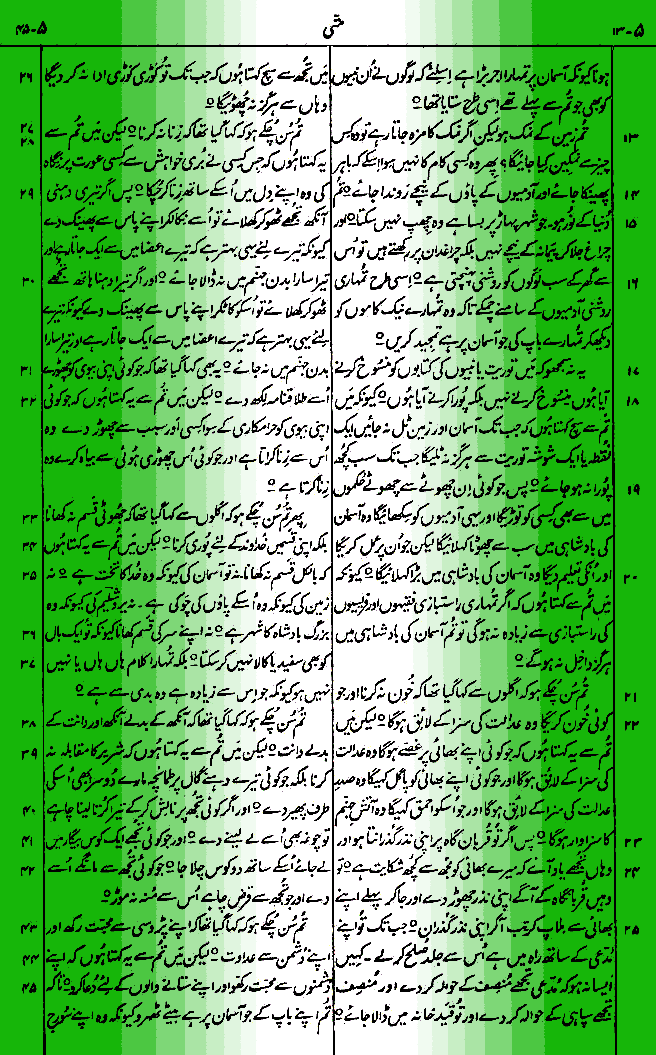
Urdu Explanation: عیسیٰ مسیح فرماتے ہیں کہ تم زمین کے نمک ہو۔ قدیم زمانے میں نمک چیزوں کو خراب ہونے سے بچانے اور ذائقہ دینے کے لیے استعمال ہوتا تھا۔ اگر ایک مسیحی اپنی ایمانداری اور پاکیزگی کھو دیتا ہے تو وہ دنیا میں اپنی اثر اندازی کھو دیتا ہے اور اس کی مثال اس نمک جیسی ہو جاتی ہے جو بے ذائقہ ہو کر پامال ہونے کے سوا کسی کام کا نہیں رہتا۔
Matthew 5:14
-
Verse: Ye are the light of the world. A city that is set on an hill cannot be hid.
-
English Explanation: Believers are called to be a visible source of truth, love, and righteousness in a dark world. True faith cannot be practiced in complete secrecy; a transformation by God is naturally visible to everyone around, much like a prominent city built high on a hill.
-
Urdu Explanation: آپ دنیا کا نور ہیں۔ جس طرح پہاڑ پر بسا ہوا شہر چھپ نہیں سکتا اسی طرح ایک سچے مومن کی زندگی اور اس کے اچھے اعمال چھپے نہیں رہ سکتے۔ خدا کا نور ہمارے اعمال کے ذریعے دوسروں پر ظاہر ہونا چاہیے۔
Matthew 5:15
-
Verse: Neither do men light a candle and put it under a bushel but on a candlestick; and it giveth light unto all that are in the house.
-
English Explanation: It is contrary to the purpose of a lamp to hide its light under a basket. Similarly, Christians should not conceal their faith or fear sharing God’s truth. The light of faith must be placed prominently to guide and bless everyone in its presence.
-
Urdu Explanation: لوگ چراغ جلا کر اسے برتن کے نیچے نہیں چھپاتے بلکہ شمعدان پر رکھتے ہیں تاکہ گھر کے سب لوگوں کو روشنی ملے۔ اسی طرح ہمیں اپنے ایمان اور خدا کی سچائی کو چھپانے کے بجائے اسے دنیا کے سامنے ظاہر کرنا چاہیے تاکہ دوسروں کو راہنمائی مل سکے۔
Matthew 5:16
-
Verse: Let your light so shine before men that they may see your good works and glorify your Father which is in heaven.
-
English Explanation: The ultimate purpose of living a righteous life and doing good works is not for self-glorification, but to direct people’s attention toward God, leading them to praise and honor the Heavenly Father.
-
Urdu Explanation: ہمیں اپنے اچھے اعمال کی روشنی کو انسانوں کے سامنے اس طرح چمکانا چاہیے کہ وہ ہمارے اچھے کاموں کو دیکھ کر ہمارے آسمانی باپ کی تمجید اور تعریف کریں۔ ہمارا مقصد خود کی تعریف کروانا نہیں بلکہ خدا کو جلال دینا ہے۔
Matthew 5:17
-
Verse: Think not that I am come to destroy the law or the prophets I am not come to destroy but to fulfil.
-
English Explanation: Jesus clarifies that His mission is not to abolish the Old Testament Scriptures (the Law and the Prophets) but to fulfill them perfectly through His life, teachings, sacrificial death, and resurrection, revealing their ultimate spiritual intent.
-
Urdu Explanation: یسوع واضح کرتے ہیں کہ وہ توریت یا نبیوں کے صحیفوں کو منسوخ کرنے نہیں آئے بلکہ انہیں پورا کرنے آئے ہیں۔ انہوں نے اپنی زندگی، تعلیمات اور قربانی کے ذریعے شریعت کے اصل مقصد اور روح کو مکمل کیا۔
Matthew 5:18
-
Verse: For verily I say unto you Till heaven and earth pass one jot or one tittle shall in no wise pass from the law till all be fulfilled.
-
English Explanation: Christ emphasizes the absolute authority and permanence of God’s Word. Even the smallest letter (“jot”) or tiny stroke of a pen (“tittle”) in the scriptures will remain completely valid and fulfilled according to God’s perfect plan.
-
Urdu Explanation: یہاں خدا کے کلام کی ابدیت اور سچائی پر زور دیا گیا ہے۔ جب تک زمین اور آسمان ٹل نہ جائیں شریعت کا ایک نقطہ یا ایک شوشہ بھی ہرگز نہیں ٹلے گا جب تک سب کچھ پورا نہ ہو جائے۔ خدا کا وعدہ اور کلام اٹل ہے۔
Matthew 5:19
-
Verse: Whosoever therefore shall break one of these least commandments and shall teach men so he shall be called the least in the kingdom of heaven but whosoever shall do and teach them the same shall be called great in the kingdom of heaven.
-
English Explanation: Spiritual greatness is measured by obedience to God’s commands and faithfulness in teaching them correctly. Leading others to compromise on even the seemingly minor aspects of God’s truth diminishes one’s standing in His kingdom.
-
Urdu Explanation: جو کوئی خدا کے احکام میں سے چھوٹے سے چھوٹے حکم کو بھی توڑے گا اور دوسروں کو بھی یہی سکھائے گا وہ آسمان کی بادشاہی میں سب سے چھوٹا کہلائے گا۔ لیکن جو ان پر عمل کرے گا اور دوسروں کو سکھائے گا وہ بڑا کہلائے گا۔ یہ آیت کلام کی فرمانبرداری کی اہمیت ظاہر کرتی ہے۔
Matthew 5:20
-
Verse: For I say unto you That except your righteousness shall exceed the righteousness of the scribes and Pharisees ye shall in no case enter into the kingdom of heaven.
-
English Explanation: The Pharisees practiced a superficial, legalistic righteousness based merely on outward rituals. Jesus demands a deeper, internal righteousness of the heart that is driven by love for God and transformed by grace, rather than mere performance.
-
Urdu Explanation: فقیہوں اور فریسیوں کی نیکی صرف ظاہری رسومات تک محدود تھی۔ مسیح فرماتے ہیں کہ اگر ہماری راستبازی ان سے زیادہ نہ ہوگی تو ہم آسمان کی بادشاہی میں داخل نہ ہوں گے۔ خدا ظاہری دکھاوے کے بجائے دل کی پاکیزگی اور سچی نیکی چاہتا ہے۔
Matthew 5:21
-
Verse: Ye have heard that it was said by them of old time Thou shalt not kill; and whosoever shall kill shall be in danger of the judgment
-
English Explanation: Jesus references the traditional understanding of the Sixth Commandment, which ancient teachers limited strictly to the physical act of murder and its civil legal consequences.
-
Urdu Explanation: پرانے وقتوں میں سکھایا گیا تھا کہ “خون نہ کرنا” اور جو کوئی خون کرے گا وہ عدالت کی سزا کے لائق ہوگا۔ یہودی رہنما اس حکم کو صرف ظاہری قتل تک محدود سمجھتے تھے۔
Matthew 5:22
-
Verse: But I say unto you That whosoever is angry with his brother without a cause shall be in danger of the judgment and whosoever shall say to his brother Raca shall be in danger of the council but whosoever shall say Thou fool shall be in danger of hell fire.
-
English Explanation: Jesus deepens the commandment by targeting the root of murder: unchecked anger, contempt (“Raca”), and verbal abuse (“Thou fool”). God judges malicious intent and insults of the heart just as strictly as physical violence.
-
Urdu Explanation: یسوع نے اس حکم کی اصل روح کو واضح کیا کہ نہ صرف قتل بلکہ بلاوجہ غصہ کرنا، اپنے بھائی کو حقیر یا احمق کہنا بھی خدا کی نظر میں شدید گناہ ہے اور جہنم کی آگ کی سزا کے لائق ہے۔ گناہ کی شروعات دل کی نفرت سے ہوتی ہے۔
Matthew 5:23
-
Verse: Therefore if thou bring thy gift to the altar and there rememberest that thy brother hath ought against thee
-
English Explanation: Worship and religious rituals are not acceptable to God if we are harboring unresolved conflicts or have caused hurt to others without seeking peace. Broken human relationships hinder our connection with God.
-
Urdu Explanation: اگر آپ خدا کی حضور قربان گاہ پر نذرانہ لائیں اور وہاں یاد آئے کہ آپ کے بھائی کو آپ سے کوئی شکایت ہے یا آپ نے کسی کا دل دکھایا ہے، تو خدا کی عبادت قبول ہونے کے لیے پہلے اس معاملے کو حل کرنا ضروری ہے۔
Matthew 5:24
-
Verse: Leave there thy gift before the altar and go thy way; first be reconciled to thy brother and then come and offer thy gift.
-
English Explanation: Reconciliation with an offended brother or sister takes immediate priority over ritualistic worship. God desires restoration of relationships first; only then is our offering meaningful.
-
Urdu Explanation: مسیح فرماتے ہیں کہ اپنا نذرانہ وہیں قربان گاہ کے سامنے چھوڑ دو اور پہلے جا کر اپنے بھائی سے ملاپ (صلح) کرو، اور پھر آ کر اپنا نذرانہ پیش کرو۔ انسانی تعلقات کی بحالی مذہبی رسومات پر مقدم ہے۔
Matthew 5:25
-
Verse: Agree with thine adversary quickly whiles thou art in the way with him; lest at any time the adversary deliver thee to the judge and the judge deliver thee to the officer and thou be cast into prison.
-
English Explanation: Jesus advises resolving disputes urgently and peacefully outside of court before matters escalate into legal penalties. Spiritually, it underscores the urgency of settling our accounts with others and seeking repentance before standing ahead of God’s final judgment.
-
Urdu Explanation: اپنے مخالف سے راستے میں ہی جلد صلح کر لو تاکہ معاملہ عدالت، جج اور قید خانے تک نہ پہنچے۔ یہ آیت ہمیں سکھاتی ہے کہ جھگڑوں کو طول دینے کے بجائے عاجزی سے جلد حل کر لینا چاہیے، ورنہ انجام سنگین ہو سکتا ہے۔
Matthew 5:26
-
Verse: Verily I say unto thee Thou shalt by no means come out thence till thou hast paid the uttermost farthing.
-
English Explanation: Failing to reconcile and fix wrongs leads to complete and inescapable justice, where every single debt must be paid. It reflects the heavy and absolute spiritual consequences of unrepented sin.
-
Urdu Explanation: میں تم سے سچ کہتا ہوں کہ جب تک تم ایک ایک پائی ادا نہ کر دو گے وہاں سے ہرگز چھوٹ نہ پاؤ گے۔ یہ آیت گناہ اور غیر مصالحت پسند رویے کے حتمی اور سخت نتائج کی طرف اشارہ کرتی ہے۔
Matthew 5:27
-
Verse: Ye have heard that it was said by them of old time Thou shalt not commit adultery
-
Explanation: Jesus brings up the traditional understanding of the Seventh Commandment, which the culture of the day primarily viewed as an external act of physical unfaithfulness.
-
Urdu Explanation: پرانے زمانے میں لوگوں کو سکھایا گیا تھا کہ “زنا نہ کرنا”۔ یہ حکم ظاہری طور پر پاک دامن رہنے سے متعلق سمجھا جاتا تھا۔
Matthew 5:28
-
Verse: But I say unto you That whosoever looketh on a woman to lust after her hath committed adultery with her already in his heart.
-
English Explanation: True purity is internal. Jesus explains that entering into lustful intentions and desires in the mind is a violation of God’s standard of purity, establishing that the heart is the workplace where sin is born.
-
Urdu Explanation: لیکن عیسیٰ مسیح فرماتے ہیں کہ جو کوئی کسی عورت پر بری نیت سے نگاہ ڈالتا ہے وہ اپنے دل میں اس کے ساتھ زنا کر چکا۔ خدا صرف ہمارے ظاہری افعال کو نہیں بلکہ ہمارے دل کے خیالات اور نیتوں کو بھی دیکھتا ہے۔
Matthew 5:29
-
Verse: And if thy right eye offend thee pluck it out and cast it from thee for it is profitable for thee that one of thy members should perish and not that thy whole body should be cast into hell.
-
English Explanation: Using hyperbole, Jesus stresses that we must take radical, urgent measures to remove anything from our lives that causes us to sin. It is far better to deny oneself temporal pleasures than to face eternal separation from God.
-
Urdu Explanation: اگر تمہاری داہنی آنکھ تمہیں گناہ پر اکسائے تو اسے نکال کر پھینک دو۔ یہاں مبالغہ آرائی کے ذریعے یہ سکھایا گیا ہے کہ گناہ کے اسباب کو اپنی زندگی سے دور کرنے کے لیے سخت سے سخت قدم اٹھانا پڑے تو اٹھائیں، کیونکہ ابدی ہلاکت سے بچنا زیادہ قیمتی ہے۔
Matthew 5:30
-
Verse: And if thy right hand offend thee cut it off and cast it from thee for it is profitable for thee that one of thy members should perish and not that thy whole body should be cast into hell.
-
English Explanation: Continuing the figurative warning, cutting off a offending hand illustrates that breaking off sinful habits, relationships, or environments, no matter how valuable or dear they seem, is necessary for spiritual survival.
-
Urdu Explanation: اور اگر تمہارا داہنا ہاتھ تمہیں گناہ میں گرائے تو اسے کاٹ کر پھینک دو۔ اس کا مطلب یہ ہے کہ کوئی بھی پیاری چیز یا عادت جو آپ کو خدا سے دور کرے، اسے زندگی سے نکال دینا ہی دانشمندی ہے تاکہ پوری زندگی تباہ نہ ہو۔
Matthew 5:31
-
Verse: It hath been said Whosoever shall put away his wife let him give her a writing of divorcement
-
English Explanation: Jesus refers to the contemporary culture where Moses’ allowance for divorce was being misused as an easy excuse to dissolve marriages for trivial reasons.
-
Urdu Explanation: یہ بھی کہا گیا تھا کہ جو کوئی اپنی بیوی کو طلاق دے اسے طلاق نامہ لکھ کر دینا چاہیے۔ اس دور میں لوگ چھوٹی چھوٹی باتوں پر شادیاں ختم کر دیتے تھے۔
Matthew 5:32
-
Verse: But I say unto you That whosoever shall put away his wife saving for the cause of fornication causeth her to commit adultery and whosoever shall marry her that is divorced committeth adultery.
-
English Explanation: Jesus restores the sanctity of marriage, declaration that God’s ideal design is lifelong commitment. Except in the case of marital unfaithfulness (fornication), unjust divorce compromises the sanctity of future unions.
-
Urdu Explanation: لیکن یسوع فرماتے ہیں کہ سوائے زناکاری (حرام کاری) کے، جو کوئی اپنی بیوی کو طلاق دیتا ہے وہ اسے زناکاری کے خطرے میں ڈالتا ہے اور طلاق یافتہ سے شادی کرنے والا بھی زنا کرتا ہے۔ مسیح نے شادی کے رشتے کی پاکیزگی اور مضبوطی پر زور دیا۔
Matthew 5:33
-
Verse: Again ye have heard that it hath been said by them of old time Thou shalt not forswear thyself but shalt perform unto the Lord thine oaths
-
English Explanation: The religious tradition commanded that people must not break their solemn vows made in God’s name, encouraging a culture where only specific sworn statements required absolute truth.
-
Urdu Explanation: اگلوں سے کہا گیا تھا کہ جھوٹی قسم نہ کھانا بلکہ اپنی قسموں کو خداوند کے سامنے پورا کرنا۔ یعنی لوگ صرف قسم کھانے کے بعد ہی سچ بولنا ضروری سمجھتے تھے۔
Matthew 5:34
-
Verse: But I say unto you Swear not at all; neither by heaven; for it is God’s throne
-
English Explanation: Jesus prohibits flippant, deceptive swearing designed to manipulate people. Since heaven is God’s throne, swearing by it irreverently uses God’s sovereign domain to back human honesty.
-
Urdu Explanation: لیکن مسیح فرماتے ہیں کہ بالکل قسم نہ کھانا، نہ آسمان کی کیونکہ وہ خدا کا تخت ہے۔ انسان کو اپنی بات منوانے کے لیے خدا کی چیزوں کا سہارا نہیں لینا چاہیے۔
Matthew 5:35
-
Verse: Nor by the earth; for it is his footstool neither by Jerusalem; for it is the city of the great King.
-
English Explanation: Swearing by creation (the earth or holy cities like Jerusalem) is futile and evasive because everything belongs to God, the Great King, and cannot be controlled or guaranteed by humans.
-
Urdu Explanation: اور نہ زمین کی کیونکہ وہ اس کے پاؤں کی چوکی ہے، اور نہ یروشلم کی کیونکہ وہ بڑے بادشاہ کا شہر ہے۔ ان تمام چیزوں پر خدا کا اختیار ہے، انسان کا نہیں۔
Matthew 5:36
-
Verse: Neither shalt thou swear by thy head because thou canst not make one hair white or black.
-
English Explanation: People cannot even swear by their own lives or heads, as we lack the power to alter the natural color of a single hair. God alone maintains absolute control over creation and human destiny.
-
Urdu Explanation: اور نہ اپنے سر کی قسم کھانا کیونکہ تم ایک بال کو بھی سفید یا کالا کرنے کی قدرت نہیں رکھتے۔ ہماری زندگی اور وجود پوری طرح خدا کے ہاتھ میں ہے۔
Matthew 5:37
-
Verse: But let your communication be Yea yea; Nay nay for whatsoever is more than these cometh of evil.
-
English Explanation: A follower of Christ must be so fundamentally honest that a simple “Yes” or “No” is completely trustworthy. Resorting to manipulative oaths implies that ordinary speech is dishonest, which stems from corruption.
-
Urdu Explanation: بلکہ تمہاری گفتگو میں ‘ہاں’ کی جگہ ‘ہاں’ اور ‘ناں’ کی جگہ ‘ناں’ ہونی چاہیے۔ اس سے زیادہ جو کچھ بھی ہے وہ بدی (یا شریر) سے ہے۔ ایک ایماندار کی گفتگو اتنی سچی ہونی چاہیے کہ اسے قسم کی ضرورت نہ پڑے۔
Matthew 5:38
-
Verse: Ye have heard that it hath been said An eye for an eye and a tooth for a tooth
-
English Explanation: The principle of Lex Talionis (an eye for an eye) was originally given to civil courts to limit excessive vengeance and ensure justice matched the crime. However, people were misusing it to justify personal revenge.
-
Urdu Explanation: تم سن چکے ہو کہ کہا گیا تھا “آنکھ کے بدلے آنکھ اور دانت کے بدلے دانت”۔ یہ شریعت کا اصول عدالتوں کے لیے تھا تاکہ کوئی حد سے زیادہ بدلہ نہ لے، مگر لوگ اسے ذاتی انتقام کے لیے استعمال کرنے لگے۔
Matthew 5:39
-
Verse: But I say unto you That ye resist not evil but whosoever shall smite thee on thy right cheek turn to him the other also.
-
Explanation: Jesus commands believers to reject personal retaliation and malice. Turning the other cheek does not mean accepting physical danger, but rather refusing to return insults or trade blows with someone trying to humiliate you.
-
Urdu Explanation: لیکن مسیح فرماتے ہیں کہ شریر کا مقابلہ نہ کرنا، بلکہ جو کوئی تمہارے داہنے گال پر طمانچہ مارے، دوسرا بھی اس کی طرف پھیر دو۔ یہ آیت ذاتی انتقام کی نفی کرتی ہے اور عاجزی و تحمل سکھاتی ہے۔
Matthew 5:40
-
Verse: And if any man will sue thee at the law and take away thy coat let him have thy cloke also.
-
English Explanation: Rather than fighting bitterly over material possessions in legal battles, a disciple should display a generous spirit, willing to surrender even more than what is demanded to preserve peace and display grace.
-
Urdu Explanation: اور اگر کوئی عدالت میں تم پر نالاں ہو کر تمہارا کُرتا لینا چاہے، تو اسے اپنی عبا (چوغا) بھی لے لینے دو۔ یعنی مادی چیزوں کے لیے جھگڑنے کی بجائے سخاوت اور صلح پسندی کا مظاہرہ کرو۔
Matthew 5:41
-
Verse: And whosoever shall compel thee to go a mile go with him twain.
-
English Explanation: Under Roman occupation, soldiers could legally force civilians to carry heavy gear for one mile. Jesus commands His followers to go beyond mandatory duty and walk a second mile voluntarily, turning oppression into an opportunity for service.
-
Urdu Explanation: اور جو کوئی تمہیں ایک میل بیگاری میں لے جائے، اس کے ساتھ دو میل چلے جاؤ۔ رومی حکومت کے دور میں یہ ایک زبردستی کا قانون تھا، لیکن یسوع نے سکھایا کہ مجبوری کی خدمت کو بھی خوشی اور محبت سے دگنا کر دو۔
Matthew 5:42
-
Verse: Give to him that asketh thee and from him that would borrow of thee turn not thou away.
-
English Explanation: Believers are encouraged to cultivate an attitude of open-handed generosity, actively helping those in genuine need and refusing to turn away borrowers with cold indifference.
-
Urdu Explanation: جو کوئی تم سے مانگے اسے دو، اور جو تم سے قرض لینا چاہے اس سے منہ نہ موڑو۔ یہ آیت ہمیں ضرورت مندوں کی مدد کرنے اور دل میں سخاوت رکھنے کا درس دیتی ہے۔
Matthew 5:43
-
Verse: Ye have heard that it hath been said Thou shalt not love thy neighbour and hate thine enemy.
-
English Explanation: Contemporary tradition correctly held the command to love one’s neighbor, but erroneously added a cultural permission to hate enemies, narrowing God’s definition of love.
-
Urdu Explanation: تم سن چکے ہو کہ کہا گیا تھا “اپنے پڑوسی سے محبت رکھ اور اپنے دشمن سے عداوت (نفرت)”۔ لوگوں نے اپنے تئیں یہ فرض کر لیا تھا کہ دشمن سے نفرت کرنا جائز ہے۔
Matthew 5:44
-
Verse: But I say unto you Love your enemies bless them that curse you do good to them that hate you and pray for them which despitefully use you and persecute you
-
English Explanation: Jesus delivers a radical command: extend active love, prayers, and goodwill even to enemies and persecutors. This unconditional love mimics God’s heart and breaks the cycles of human hostility.
-
Urdu Explanation: لیکن عیسیٰ مسیح فرماتے ہیں کہ اپنے دشمنوں سے محبت رکھو اور اپنے ستانے والوں کے لیے دعا کرو۔ جو تم پر لعنت کریں انہیں برکت دو اور جو تم سے نفرت کریں ان کا بھلا کرو۔ یہ مسیحی اخلاقیات کا سب سے اعلیٰ درجہ ہے۔
Matthew 5:45
-
Verse: That ye may be the children of your Father which is in heaven for he maketh his sun to rise on the evil and on the good and sendeth rain on the just and on the unjust.
-
English Explanation: By showing love without discrimination, believers reflect the character of God. God exhibits common grace by providing sunshine and rain to both the righteous and the unrighteous, welcoming all to experience His goodness.
-
Urdu Explanation: تاکہ تم اپنے آسمانی باپ کے بیٹے ٹھہرو، کیونکہ وہ اپنے سورج کو نیکوں اور بدوں دونوں پر چمکاتا ہے اور راستبازوں اور ناراستوں دونوں پر مینہ برساتا ہے۔ خدا کی محبت اور نعمتیں سب کے لیے یکساں ہیں، اور ہمیں بھی ایسا ہی بننا چاہیے۔
Matthew 5:46
-
Verse: For if ye love them which love you what reward have ye? do not even the publicans the same?
-
English Explanation: Loving only those who love us back requires no supernatural grace; even corrupt tax collectors (“publicans”) manage that. Godly love is distinctive precisely because it reaches out to the undeserving and hostile.
-
Urdu Explanation: کیونکہ اگر تم صرف ان سے محبت رکھو جو تم سے محبت رکھتے ہیں، تو تمہارا کیا اجر ہے؟ کیا محصول لینے والے (گنہگار لوگ) بھی ایسا ہی نہیں کرتے؟ سچی فضیلت دشمنوں کو معاف کرنے اور ان سے محبت کرنے میں ہے۔