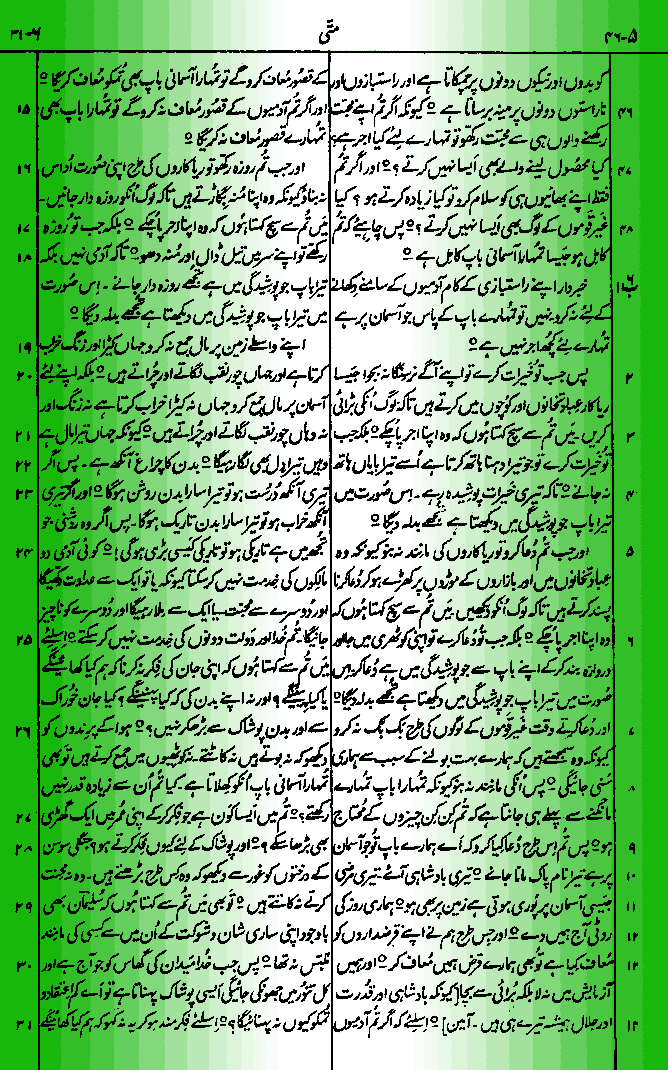
Verse-by-Verse Commentary and Explanation
Matthew 5:47
The Verse
And if ye salute your brethren only what do ye more than others? do not even the publicans so?
English Explanation
Jesus challenges his followers to a higher standard of love and social interaction. Merely greeting or showing kindness to those who are like us, or those who already love us (our “brethren”), requires no spiritual maturity. Even the “publicans” (tax collectors, who were viewed as social outcasts and corrupt individuals at the time) show basic courtesy to their own friends. True Christian character shines when we extend warmth, respect, and love to strangers, outsiders, and even enemies.
Urdu Explanation
اُردو تشریح: یسوع مسیح یہاں اپنے متبعین کو محبت اور سماجی برتاؤ کا ایک اعلیٰ معیار سکھا رہے ہیں۔ صرف اپنے بھائیوں یا اپنوں کو سلام کرنا اور ان کے ساتھ حسنِ سلوک کرنا کوئی بڑی بات نہیں، کیونکہ ایسا تو محصول لینے والے (جنہیں اُس دور میں گنہگار اور خود غرض سمجھا جاتا تھا) بھی کرتے ہیں۔ حقیقی مسیحی کردار تب ظاہر ہوتا ہے جب ہم اجنبیوں، غیروں اور اپنے دشمنوں کے ساتھ بھی محبت اور احترام سے پیش آتے ہیں۔
Matthew 5:48
The Verse
Be ye therefore perfect even as your Father which is in heaven is perfect.
English Explanation
This verse serves as the grand conclusion to the teachings on love in Chapter 5. The word “perfect” (teleios in Greek) implies completeness, maturity, and fulfilling one’s intended purpose. Human beings cannot achieve absolute, sinless flawlessness on earth, but we are called to imitate God’s unconditional, impartial love. We are urged to mature spiritually so that our love mirrors the complete and inclusive love of our Heavenly Father.
Urdu Explanation
اُردو تشریح: یہ آیت باب 5 میں محبت کے بارے میں دی گئی تعلیمات کا نچوڑ ہے۔ یہاں “کامل” ہونے کا مطلب اخلاقی اور روحانی پختگی ہے، یعنی اپنے مقصد کو پورا کرنا۔ انسان زمین پر رہتے ہوئے گناہ سے بالکل پاک تو نہیں ہو سکتا، لیکن ہمیں خدا کی غیر مشروط اور غیر جانبدارانہ محبت کی پیروی کرنے کا حکم دیا گیا ہے۔ ہمیں اپنی روح میں اتنی وسعت پیدا کرنی چاہیے کہ ہماری محبت ہمارے آسمانی باپ کی کامل محبت کی عکاس بن جائے۔
Matthew 6:1
The Verse
Take heed that ye do not your alms before men to be seen of them otherwise ye have no reward of your Father which is in heaven.
English Explanation
Jesus shifts the focus to the motivation behind religious duties, specifically charity (“alms”). He warns against performing good deeds publicly for the sole purpose of gaining human applause and admiration. If our underlying motive is vanity and social validation, the public praise we receive is the only reward we will get. God rewards the pure intent of the heart, not outward theatrical displays of righteousness.
Urdu Explanation
اُردو تشریح: یسوع مسیح یہاں مذہبی فرائض، خصوصاً خیرات (خیرخواہی کے کاموں) کے پیچھے چھپی نیت کی بات کر رہے ہیں۔ وہ خبردار کرتے ہیں کہ اپنے نیک کام لوگوں کے سامنے محض دکھاوے اور واہ واہ لوٹنے کے لیے نہ کرو۔ اگر ہماری نیت دنیاوی تعریف حاصل کرنا ہے، تو انسانوں کی طرف سے ملنے والی یہ تعریف ہی ہمارا واحد اجر ہوگی۔ خدا دل کی پاکیزگی اور پوشیدہ نیت کو دیکھ کر اجر دیتا ہے، نہ کہ ظاہری دکھاوے کو۔
Matthew 6:2
The Verse
Therefore when thou doest thine alms do not sound a trumpet before thee as the hypocrites do in the synagogues and in the streets that they may have glory of men. Verily I say unto you They have their reward.
English Explanation
Jesus uses a vivid, likely metaphorical image of “sounding a trumpet” to describe those who make a massive public spectacle out of their charitable giving. He labels these people as “hypocrites” (actors wearing masks). Their primary goal is to be glorified by society. Jesus solemnly declares that since they sought human recognition, and received it, they have already been paid in full; they should expect nothing from God.
Urdu Explanation
اُردو تشریح: یہاں یسوع مسیح “ترنم بجانے” کی ایک تمثیلی مثال دیتے ہیں تاکہ ان لوگوں کو بے نقاب کریں جو خیرات دیتے وقت بہت شور مچاتے اور دکھاوا کرتے ہیں۔ انہوں نے ایسے لوگوں کو “ریاکار” (اداکار یا منافق) کہا ہے جن کا مقصد صرف سوسائٹی میں عزت پانا ہوتا ہے۔ مسیح فرماتے ہیں کہ چونکہ ان کا مقصد دنیاوی تعریف تھا اور وہ انہیں مل گئی، اس لیے ان کا اجر ختم ہو چکا؛ اب خدا کے ہاں ان کے لیے کوئی اجر نہیں۔
Matthew 6:3
The Verse
But when thou doest alms let not thy left hand know what thy right hand doeth
English Explanation
This is a powerful hyperbole emphasizing absolute secrecy in giving. The right hand was typically the hand used for giving. To say the left hand shouldn’t know what the right hand is doing means that our charity should be so quiet, natural, and free from self-congratulation that even we ourselves do not dwell on our own generosity or keep a ledger of our good deeds.
Urdu Explanation
اُردو تشریح: یہ ایک مبالغہ آمیز خوبصورت مثال ہے جو خیرات دینے میں انتہائی رازداری پر زور دیتی ہے۔ سیدھا ہاتھ عام طور پر دینے کے لیے استعمال ہوتا ہے۔ یہ کہنے کا مقصد کہ “الٹا ہاتھ نہ جانے کہ سیدھے نے کیا دیا” یہ ہے کہ ہماری سخاوت اتنی خاموش اور بے غرض ہونی چاہیے کہ ہم خود بھی اپنی نیکی پر فخر نہ کریں اور نہ ہی اپنے اچھے کاموں کا حساب کتاب رکھیں۔
Matthew 6:4
The Verse
That thine alms may be in secret and thy Father which seeth in secret himself shall reward thee openly.
English Explanation
When charity is kept private, it proves that the action was done out of genuine love for God and compassion for the recipient, rather than for self-glorification. God, who knows the deepest secrets of every heart, observes this hidden sincerity. He promises to reward such genuine devotion, often blessing the giver with spiritual peace, growth, and divine favor that becomes apparent to all.
Urdu Explanation
اُردو تشریح: جب نیکی اور خیرات کو پوشیدہ رکھا جاتا ہے، تو یہ ثابت کرتا ہے کہ یہ عمل دکھاوے کے لیے نہیں بلکہ خدا کی محبت اور غریبوں کی ہمدردی میں کیا گیا ہے۔ خدا، جو دلوں کے پوشیدہ بھیدوں کو جانتا ہے، اس مخلصانہ عمل کو دیکھتا ہے۔ وہ وعدہ کرتا ہے کہ ایسی سچی بندگی کا اجر وہ کھلم کھلا (ظاہری یا باطنی برکات کی صورت میں) عطا فرمائے گا۔
Matthew 6:5
The Verse
And when thou prayest thou shalt not be as the hypocrites are for they love to pray standing in the synagogues and in the corners of the streets that they may be seen of men. Verily I say unto you They have their reward.
English Explanation
Jesus applies the same principle of sincerity to prayer. He condemns the practice of intentionally choosing highly visible locations, like busy street corners or prominent spots in the synagogues, to offer prayers purely for public display. The issue is not the physical posture (standing) or the location itself, but the prideful motivation to be perceived as exceptionally holy. Such performative prayers receive only temporary, worldly praise.
Urdu Explanation
اُردو تشریح: یسوع مسیح یہی اصول دعا پر بھی لاگو کرتے ہیں۔ وہ ان لوگوں کی مذمت کرتے ہیں جو جان بوجھ کر بازاروں کے موڑوں یا عبادت گاہوں کے نمایاں حصوں میں کھڑے ہو کر لمبی دعائیں مانگتے ہیں تاکہ لوگ انہیں پرہیزگار سمجھیں۔ مسئلہ کھڑے ہونے یا جگہ کا نہیں، بلکہ نیت کا ہے جو کہ غرور اور دکھاوے پر مبنی ہے۔ ایسی دکھاوے کی دعاؤں کا اجر بس دنیا کی عارضی تعریف تک ہی محدود رہ جاتا ہے۔
Matthew 6:6
The Verse
But thou when thou prayest enter into thy closet and when thou hast shut thy door pray to thy Father which is in secret; and thy Father which seeth in secret shall reward thee openly.
English Explanation
Instead of public exhibition, Jesus recommends finding a private space—a “closet” or an inner room—where distractions are minimized and the ego is kept in check. Shutting the door symbolizes tuning out the world to focus entirely on an intimate, honest conversation with God. This private, unpretentious communion is what the Heavenly Father cherishes and rewards.
Urdu Explanation
اُردو تشریح: عوامی نمائش کے بجائے، یسوع مسیح نصیحت کرتے ہیں کہ اپنے “حجرے” یا کسی تنہا کمرے میں جاؤ جہاں دنیاوی خیالات پریشان نہ کریں اور دروازہ بند کر لو۔ دروازہ بند کرنا دنیا سے کٹ کر خدا کے ساتھ ایک مخلصانہ اور قریبی تعلق قائم کرنے کی علامت ہے۔ یہ پوشیدہ اور عاجزانہ گفتگو ہی ہے جسے آسمانی باپ پسند کرتا ہے اور اس کا اجر دیتا ہے۔
Matthew 6:7
The Verse
But when ye pray use not vain repetitions as the heathen do for they think that they shall be heard for their much speaking.
English Explanation
Jesus warns against “vain repetitions”—meaningless, mindless, mechanical chanting or babbling. In ancient pagan practices, people believed that reciting long lists of divine names or repeating formulas endlessly would coerce or exhaust their gods into answering them. Jesus clarifies that true prayer is a relationship based on meaningful communication, not a magical formula dependent on word count.
Urdu Explanation
اُردو تشریح: یسوع مسیح “بیکار بک بک کرنے” یا بے مقصد الفاظ کو بار بار دہرانے سے منع کرتے ہیں۔ اُس دور کے غیر قوموں کے لوگ یہ سمجھتے تھے کہ بار بار ایک ہی جیسے الفاظ رٹنے یا بہت لمبی چوڑی تقریر کرنے سے ان کے دیوتا مجبور ہو کر ان کی بات سن لیں گے۔ مسیح واضح کرتے ہیں کہ سچی دعا خدا کے ساتھ ایک بامقصد رشتہ ہے، نہ کہ کوئی جادوئی منتر جو الفاظ کی گنتی پر منحصر ہو۔
Matthew 6:8
The Verse
Be not ye therefore like unto them for your Father knoweth what things ye have need of before ye ask him.
English Explanation
Believers do not need to beg, inform, or convince God as if He were unaware or uncaring. Because God is a loving Father, He already knows our needs perfectly before we even articulate them. Therefore, prayer is not about giving information to God, but about aligning our hearts with His will, demonstrating our trust, and entering into fellowship with Him.
Urdu Explanation
اُردو تشریح: ایمانداروں کو خدا کے سامنے اس طرح گڑگڑانے یا لمبی چوڑی تفصیلات سنانے کی ضرورت نہیں جیسے وہ بے خبر یا بے پروا ہو۔ چونکہ خدا ایک شفیق باپ ہے، وہ ہماری مانگنے سے پہلے ہی ہماری ضرورتوں سے پوری طرح واقف ہے۔ لہٰذا، دعا خدا کو معلومات دینے کا نام نہیں، بلکہ اپنے دل کو اس کی مرضی کے تابع کرنے اور اس پر اپنے توکل کا اظہار کرنے کا نام ہے۔
Matthew 6:9
The Verse
After this manner therefore pray ye Our Father which art in heaven Hallowed be thy name.
English Explanation
Jesus provides a model prayer, widely known as “The Lord’s Prayer.” It begins by establishing our relationship with God as “Our Father,” emphasizing intimacy, balanced with “which art in heaven,” acknowledging His supreme majesty. “Hallowed be thy name” is a petition that God’s holy name and character be treated with the utmost reverence, honor, and respect throughout the world.
Urdu Explanation
اُردو تشریح: یسوع مسیح یہاں دعا کا ایک مثالی نمونہ پیش کرتے ہیں جسے “خداوند کی دعا” کہا جاتا ہے۔ اس کا آغاز “اے ہمارے باپ” سے ہوتا ہے جو خدا کے ساتھ ہمارے قریبی رشتے کو ظاہر کرتا ہے، اور “جو آسمان پر ہے” اس کی عظمت و جلال کو بیان کرتا ہے۔ “تیرا نام پاک مانا جائے” ایک التجا ہے کہ پوری دنیا میں خدا کے پاک نام اور اس کی ذات کی انتہائی تعظیم اور احترام کیا جائے۔
Matthew 6:10
The Verse
Thy kingdom come. Thy will be done in earth as it is in heaven.
English Explanation
This verse focuses on God’s sovereignty. “Thy kingdom come” is a prayer for God’s spiritual rule to expand in human hearts now, and for His ultimate, perfect reign to be established in the future. “Thy will be done in earth, as it is in heaven” is a statement of surrender, asking that human beings obey God as completely, joyfully, and immediately as the angels do in heaven.
Urdu Explanation
اُردو تشریح: یہ آیت خدا کی حاکمیت پر مرکوز ہے۔ “تیری بادشاہی آئے” ایک دعا ہے کہ خدا کی روحانی حکومت انسانوں کے دلوں میں قائم ہو اور مستقبل میں اس کی کامل بادشاہی کا ظہور ہو۔ “تیری مرضی جیسی آسمان پر پوری ہوتی ہے زمین پر بھی ہو” اطاعت کا اقرار ہے، جس کا مطلب ہے کہ انسان زمین پر خدا کے احکام کی فرماں برداری اسی طرح خوشی اور تیزی سے کریں جیسے فرشتے آسمان پر کرتے ہیں۔
Matthew 6:11
The Verse
Give us this day our daily bread.
English Explanation
Having prioritized God’s glory and kingdom, Jesus now addresses human physical needs. “Daily bread” represents our basic, essential requirements for survival (food, shelter, health) for the present day. This teaches believers to live in day-by-day dependence on God’s provision, discouraging greed and hoarding, while building trust that God will take care of tomorrow.
Urdu Explanation
اُردو تشریح: خدا کے جلال اور بادشاہی کو اولیت دینے کے بعد، یسوع اب انسانی جسمانی ضروریات کی بات کرتے ہیں۔ “ہمارے روز کی روٹی” سے مراد زندگی کی بنیادی اور لازمی ضرورتیں (خوراک، چھت، صحت) ہیں جو صرف آج کے دن کے لیے درکار ہیں۔ یہ ایمانداروں کو سکھاتا ہے کہ وہ روزانہ کی بنیاد پر خدا کے فراہم کرنے پر بھروسہ کریں، اور لالچ یا ذخیرہ اندوزی سے بچیں۔
Matthew 6:12
The Verse
And forgive us our debts as we forgive our debtors.
English Explanation
In this model prayer, “debts” refer to sins and moral failures against God. This verse reveals a profound spiritual link: our request for God’s mercy is directly tied to our willingness to extend mercy to those who have wronged or offended us (“our debtors”). We cannot honestly ask God to wipe away our massive offenses if we hold onto grudges against others.
Urdu Explanation
اُردو تشریح: اس دُعا میں “قرضوں” سے مراد وہ گناہ اور اخلاقی خطائیں ہیں جو ہم خدا کے خلاف کرتے ہیں۔ یہ آیت ایک گہرا روحانی تعلق ظاہر کرتی ہے کہ خدا سے معافی مانگنے کا حق ہمارے اندر دوسروں کو معاف کرنے کے جذبے سے جڑا ہوا ہے۔ ہم خدا سے اپنے بڑے گناہوں کی معافی کی امید نہیں رکھ سکتے اگر ہم اپنے دلوں میں دوسروں کے خلاف کینہ اور بدلہ پالتے رہیں۔
Matthew 6:13
The Verse
And lead us not into temptation but deliver us from evil For thine is the kingdom and the power and the glory for ever. Amen.
English Explanation
This petition acknowledges human vulnerability to moral failure. It asks God to guide us away from situations where our faith might be tested beyond our strength, and to rescue (“deliver”) us from the power of evil and the evil one. The prayer concludes with a powerful doxology, reaffirming that ultimate authority, strength, and praise belong to God alone, eternally.
Urdu Explanation
اُردو تشریح: یہ التجا انسانی کمزوری کا اعتراف کرتی ہے۔ اس میں خدا سے التجا کی گئی ہے کہ وہ ہمیں ایسی آزمائشوں اور حالات سے دور رکھے جہاں ہمارے بہکنے کا خطرہ ہو، اور ہمیں بدی کی قوت (یا شریر) سے محفوظ رکھے۔ دعا کا اختتام ایک شاندار حمد و ثنا پر ہوتا ہے، جو یہ یاد دلاتا ہے کہ تمام بادشاہی، قدرت اور جلال ہمیشہ خدا ہی کا ہے۔ آمین۔
Matthew 6:14
The Verse
For if ye forgive men their trespasses your heavenly Father will also forgive you
English Explanation
Jesus immediately circles back to expand on the theme of forgiveness from verse 12. He emphasizes that a heart transformed by divine grace will naturally exhibit grace toward others. When we freely forgive people for their offenses (“trespasses”), we show that we understand the gravity of forgiveness, opening our own hearts to receive God’s abundant, cleansing mercy.
Urdu Explanation
اُردو تشریح: یسوع مسیح فوراً آیت 12 کے معافی والے موضوع کی مزید وضاحت کرتے ہیں۔ وہ اس بات پر زور دیتے ہیں کہ جس دل کو خدا کا فضل ملتا ہے، وہ دوسروں کے لیے بھی نرم ہو جاتا ہے۔ جب ہم لوگوں کی خطاؤں کو معاف کرتے ہیں، تو ہم ثابت کرتے ہیں کہ ہم معافی کی قدر جانتے ہیں، اور یوں ہمارا دل خدا کی وسیع رحمت کو حاصل کرنے کے قابل بن جاتا ہے۔
Matthew 6:15
The Verse
But if ye forgive not men their trespasses neither will your Father forgive your trespasses.
English Explanation
This is the sobering converse of the previous verse. An unforgiving, bitter spirit acts as a barrier to God’s forgiveness. It is not that God is vindictive, but rather that a closed, resentful heart is structurally incapable of receiving divine pardon. If we lock others out of our mercy, we effectively lock ourselves out of God’s grace.
Urdu Explanation
اُردو تشریح: یہ پچھلی آیت کا ایک فکر انگیز اور سخت پہلو ہے۔ دوسروں کو معاف نہ کرنے والا تلخ رویہ خدا کی معافی کے راستے میں رکاوٹ بن جاتا ہے۔ ایسا نہیں ہے کہ خدا معاف کرنا نہیں چاہتا، بلکہ حقیقت یہ ہے کہ ایک کینہ پرور دل خدا کے فضل کو قبول کرنے کی صلاحیت ہی کھو دیتا ہے۔ اگر ہم دوسروں کے لیے رحم کا دروازہ بند کریں گے، تو گویا ہم اپنے لیے بھی خدا کے رحم کا دروازہ بند کر لیتے ہیں۔
Matthew 6:16
The Verse
Moreover when ye fast be not as the hypocrites of a sad countenance for they disfigure their faces that they may appear unto men to fast. Verily I say unto you They have their reward.
Explanation (English)
Jesus addresses fasting, the third major spiritual discipline. He condemns those who intentionally look miserable, gloomy, and unkempt (“disfigure their faces”) so that everyone around them notices they are fasting. Their primary motive is spiritual vanity—wanting to be praised for their deep piety. Jesus repeats that public admiration is the only reward they will ever receive.
Urdu Explanation
اُردو تشریح: یسوع مسیح یہاں تیسرے اہم روحانی ستون یعنی روزے (روزہ رکھنے) کا ذکر کرتے ہیں۔ وہ ان لوگوں کی مذمت کرتے ہیں جو روزہ رکھنے پر جان بوجھ کر اپنی صورتیں اداس اور چہرے بگاڑ لیتے ہیں تاکہ لوگوں کو پتہ چلے کہ وہ روزے سے ہیں۔ ان کا مقصد صرف یہ دکھانا ہوتا ہے کہ وہ کتنے بڑے پرہیزگار ہیں۔ مسیح فرماتے ہیں کہ لوگوں کی یہ عارضی واہ واہ ہی ان کا کل اجر ہے۔
Matthew 6:17
The Verse
But thou when thou fastest anoint thine head and wash thy face
English Explanation
Instead of looking disheveled, Jesus instructs believers to perform their regular, everyday hygiene routines—washing the face and grooming the hair (“anoint thine head”). The goal is to look completely normal on the outside. Fasting is a private transaction between the individual and God; it should not be advertised to society through an altered appearance.
Urdu Explanation
اُردو تشریح: ظاہری حالت کو خراب کرنے کے بجائے، یسوع ایمانداروں کو حکم دیتے ہیں کہ وہ معمول کے مطابق اپنے چہرے کو دھوئیں اور سر پر تیل لگائیں (یعنی صاف ستھرے رہیں)۔ مقصد یہ ہے کہ باہر سے انسان بالکل عام نظر آئے۔ روزہ انسان اور خدا کے درمیان ایک ذاتی معاملہ ہے، اسے اپنی ظاہری حالت بدل کر دنیا کے سامنے اشتہار بنانے کی ضرورت نہیں۔
Matthew 6:18
The Verse
That thou appear not unto men to fast but unto thy Father which is in secret and thy Father which seeth in secret shall reward thee openly.
English Explanation
By keeping the fast hidden from the public, the believer ensures that their self-denial is practiced purely for spiritual growth and devotion to God. God, who observes what happens in absolute privacy, recognizes this sincere self-discipline. He promises to reward such genuine, unadvertised devotion with spiritual breakthroughs and open blessings.
Urdu Explanation
اُردو تشریح: روزے کو پوشیدہ رکھنے سے یہ یقینی ہوتا ہے کہ یہ قربانی صرف اور صرف خدا کی رضا اور روحانی ترقی کے لیے دی جا رہی ہے۔ خدا، جو تنہائی کے کاموں کو بھی دیکھتا ہے، اس سچی اور بے دکھاوے کی عبادت کی قدر کرتا ہے اور اس کا اجر کھلم کھلا برکات اور گہرے روحانی سکون کی صورت میں عطا کرتا ہے۔
Matthew 6:19
The Verse
Lay not up for yourselves treasures upon earth where moth and rust doth corrupt and where thieves break through and steal
English Explanation
Jesus shifts the focus toward materialism and security. He warns against obsessively accumulating worldly wealth and possessions. Earthly treasures are inherently vulnerable, temporary, and fragile; they can be destroyed by natural decay (“moth and rust”) or taken away by human malice (“thieves”). Basing one’s security on material things is fundamentally unstable.
Urdu Explanation
اُردو تشریح: یسوع مسیح یہاں دنیاوی مال و دولت کی حقیقت پر روشنی ڈالتے ہیں۔ وہ زمین پر کثرت سے مال جمع کرنے اور اس پر بھروسہ کرنے سے منع کرتے ہیں۔ دنیاوی دولت فانی اور عارضی ہے؛ اسے کیڑا اور زنگ برباد کر سکتے ہیں یا چور چوری کر سکتے ہیں۔ مادی چیزوں پر اپنی زندگی کی بنیاد رکھنا سخت نادانی ہے۔
Matthew 6:20
The Verse
But lay up for yourselves treasures in heaven where neither moth nor rust doth corrupt and where thieves do not break through nor steal
English Explanation
Instead of hoarding earthly wealth, believers are commanded to invest in “treasures in heaven.” This means dedicating resources, time, and energy to things of eternal value: acts of love, kindness, righteousness, and spreading God’s truth. These spiritual investments are perfectly secure, immune to economic collapse, decay, or theft, and carry an eternal reward.
Urdu Explanation
اُردو تشریح: دنیاوی مال جمع کرنے کے بجائے، ایمانداروں کو ہدایت دی گئی ہے کہ وہ اپنے لیے “آسمان پر مال جمع کریں”۔ اس سے مراد اپنے وقت، دولت اور توانائی کو ابدی اقدار کے کاموں میں لگانا ہے جیسے کہ محبت، سخاوت، سچائی اور نیکی۔ یہ روحانی سرمایہ کاری ہمیشہ محفوظ رہتی ہے، اسے نہ تو زنگ لگ سکتا ہے اور نہ ہی کوئی چور اسے چوری کر سکتا ہے۔
Matthew 6:21
The Verse
For where your treasure is there will your heart be also.
English Explanation
This is a profound psychological and spiritual reality. Our emotions, thoughts, anxieties, and values (“your heart”) naturally follow whatever we value most highly (“your treasure”). If we treasure worldly assets, our hearts will be tied to worldly anxieties. If we treasure God and His eternal kingdom, our hearts will experience divine peace and stability.
Urdu Explanation
اُردو تشریح: یہ ایک گہری نفسیاتی اور روحانی حقیقت ہے۔ انسان کی محبت، خیالات اور ترجیحات (یعنی اس کا دل) قدرتی طور پر اسی طرف مائل ہوتی ہیں جہاں اس کا سرمایہ یا سب سے قیمتی چیز (“مال”) ہوتی ہے۔ اگر ہماری دولت دنیاوی چیزوں میں ہے، تو ہمارا دل دنیا کے خوف اور فکروں میں جڑا رہے گا۔ اگر ہمارا مال آسمان پر ہے، تو ہمارا دل بھی خدا کے سکون میں رہے گا۔
Matthew 6:22
The Verse
The light of the body is the eye if therefore thine eye be single thy whole body shall be full of light.
English Explanation
Jesus uses the eye as a metaphor for spiritual vision, intent, and focus. A “single” eye means an eye that is healthy, clear, and focused on one single direction. Spiritually, if a person’s life focus is purely directed toward God and righteousness, their entire life (“whole body”) will be flooded with divine truth, clarity, and moral light.
Urdu Explanation
اُردو تشریح: یسوع مسیح یہاں آنکھ کو روحانی بصیرت اور نیت کی علامت کے طور پر استعمال کرتے ہیں۔ “صاف” یا “ایک ہی رخ پر لگی” آنکھ کا مطلب صحت مند اور سیدھی توجہ ہے۔ روحانی طور پر، اگر انسان کی نیت اور زندگی کا رخ صرف خدا کی طرف ہے، تو اس کی پوری زندگی (پورا بدن) سچائی، نیکی اور الٰہی نور سے بھر جائے گی۔
Matthew 6:23
The Verse
But if thine eye be evil thy whole body shall be full of darkness. If therefore the light that is in thee be darkness how great is that darkness!
English Explanation
Conversely, an “evil” eye represents a corrupted intent, green with envy, greed, or divided loyalties. If a person’s inner moral compass and motives are distorted, their entire perception of reality becomes dark and sinful. Jesus warns that if the very thing meant to guide you (your conscience and core desire) is ruined, you will live in profound spiritual blindness.
Urdu Explanation
اُردو تشریح: اس کے برعکس، اگر آنکھ “بری” ہو (یعنی نیت میں کھوٹ، لالچ یا حسد ہو)، تو انسان کا پورا وجود تاریکی کا شکار ہو جاتا ہے۔ یسوع خبردار کرتے ہیں کہ اگر تمہاری اندرونی رہنمائی کرنے والی روشنی (ضمیر اور نیت) ہی اندھیرے میں بدل جائے، تو وہ اندھیرا کتنا ہولناک اور گہرا ہوگا! یعنی انسان مکمل روحانی گمراہی میں گر جاتا ہے۔
Matthew 6:24
The Verse
No man can serve two masters for either he will hate the one and love the other or else he will hold to the one and despise the other. Ye cannot serve God and mammon.
English Explanation
Jesus states an absolute impossibility regarding allegiance. A servant cannot fully satisfy two competing owners, because their demands will inevitably clash. We must choose our primary allegiance. We cannot simultaneously serve God (which demands total loyalty and selflessness) and “mammon” (wealth, material possessions, and greed, which demand self-interest). One will always take precedence over the other.
Urdu Explanation
اُردو تشریح: یسوع یہاں وفاداری کے حوالے سے ایک ناگزیر حقیقت بیان کرتے ہیں۔ کوئی بھی نوکر ایک وقت میں دو مالکان کی سچی خدمت نہیں کر سکتا، کیونکہ ان کے احکام اور مفادات آپس میں ٹکرائیں گے۔ ہمیں کسی ایک کا انتخاب کرنا ہوگا۔ ہم ایک ہی وقت میں خدا کی رضا (جو مکمل وفاداری مانگتی ہے) اور “دولت” (مامون یعنی مال کی ہوس، جو خود غرضی سکھاتی ہے) دونوں کے غلام نہیں بن سکتے۔
Matthew 6:25
The Verse
Therefore I say unto you Take no thought for your life what ye shall eat or what ye shall drink; nor yet for your body what ye shall put on. Is not the life more than meat and the body than raiment?
English Explanation
Because we cannot serve both God and wealth, Jesus commands believers to stop worrying anxiously (“Take no thought”) about daily physical survival—food, drink, and clothing. He uses a logical argument from the greater to the lesser: since God has already given us the magnificent gifts of life and a physical body, we can trust Him to provide the lesser things needed to sustain them, like food and clothes.
Urdu Explanation
اُردو تشریح: چونکہ ہم خدا اور دولت دونوں کی ایک ساتھ بندگی نہیں کر سکتے، اس لیے یسوع حکم دیتے ہیں کہ اپنی زندگی کی بقا یعنی کھانے، پینے اور پہننے کے لیے ہرگز فکر مند (پریشان) نہ ہو۔ وہ ایک منطقی دلیل دیتے ہیں کہ جس خدا نے تمہیں زندگی اور جسم جیسی اتنی بڑی نعمتیں بن مانگے عطا کر دیں، کیا وہ ان کو برقرار رکھنے کے لیے روٹی اور کپڑے جیسی چھوٹی چیزیں فراہم نہیں کرے گا؟ یقیناً کرے گا۔
Matthew 6:26
The Verse
Behold the fowls of the air for they sow not neither do they reap nor gather into barns; yet your heavenly Father feedeth them. Are ye not much better than they?
English Explanation
Jesus directs our attention to nature as a proof of God’s active care. Birds do not engage in human agricultural labor—sowing, reaping, or storing food in barns—yet they do not starve because God feeds them daily. Jesus argues that human beings, created in the image of God, possess far greater value to the Creator than birds. Therefore, He will surely care for us.
Urdu Explanation
اُردو تشریح: یسوع مسیح خدا کی قدرت اور پروردگاری کو ثابت کرنے کے لیے پرندوں کی مثال دیتے ہیں۔ ہوا کے پرندے انسانوں کی طرح زراعت کے کام نہیں کرتے (نہ بوتے ہیں، نہ کاٹتے ہیں، نہ گوداموں میں جمع کرتے ہیں)، پھر بھی خدا انہیں روزانہ رزق دیتا ہے۔ مسیح فرماتے ہیں کہ تم انسان تو خدا کے نزدیک پرندوں سے کہیں زیادہ قیمتی ہو، تو وہ تمہیں کیسے بھول سکتا ہے؟
Matthew 6:27
The Verse
Which of you by taking thought can add one cubit unto his stature?
English Explanation
Jesus points out the complete futility and uselessness of worry. Anxious fretting cannot change our physical realities or extend our lifespan even by a fraction (a “cubit” was a unit of measure, roughly 18 inches). Since anxiety yields absolutely no practical benefits and cannot solve our problems, it is a waste of mental and spiritual energy.
Urdu Explanation
اُردو تشریح: یہاں یسوع مسیح پریشانی اور فکر کی بے وقتی اور بے سود ہونے کو ظاہر کرتے ہیں۔ ہماری فکریں اور پریشانیاں ہماری زندگی میں ایک پل کا اضافہ نہیں کر سکتیں اور نہ ہی ہماری قد و قامت یا حالات کو بدل سکتی ہیں۔ جب پریشان ہونے سے کوئی عملی فائدہ حاصل نہیں ہوتا اور نہ ہی کوئی مسئلہ حل ہوتا ہے، تو پھر ایسی فکر کرنا محض ذہنی اور روحانی توانائی کا ضیاع ہے۔
Matthew 6:28
The Verse
And why take ye thought for raiment? Consider the lilies of the field how they grow; they toil not neither do they spin
English Explanation
Jesus addresses anxiety concerning clothing and presentation by pointing to wild flowers (“lilies of the field”). These flowers grow naturally without working laboriously (“toil”) or manufacturing fabric (“spin”). Yet, their natural beauty is breathtaking. This encourages believers to look closely at creation to find reassurance of God’s artistic and providential care.
Urdu Explanation
اُردو تشریح: لباس اور ظاہری رکھ رکھاؤ کی فکر کے جواب میں، یسوع جنگلی پھولوں (سوسن کے پھولوں) کی مثال دیتے ہیں۔ یہ پھول بغیر کسی محنت و مشقت کے یا سوت کاتنے (کپڑا بنانے) کے میدان میں خود بخود اگتے اور پروان چڑھتے ہیں، لیکن ان کی قدرتی خوبصورتی لاجواب ہوتی ہے۔ یہ ہمیں سکھاتا ہے کہ خدا کی تخلیق پر غور کر کے اپنے دل کو اطمینان دیں۔
Matthew 6:29
The Verse
And yet I say unto you That even Solomon in all his glory was not arrayed like one of these.
English Explanation
King Solomon was legendary in Israelite history for his immense wealth, majestic courts, and unmatched luxury. Yet, Jesus states that the most expensive, royal garments of Solomon could not match the pure, organic, God-given beauty of a single wild flower. God’s daily provision and design in nature far surpass any human achievement or manufactured luxury.
Urdu Explanation
اُردو تشریح: بادشاہ سلیمان بنی اسرائیل کی تاریخ میں اپنی بے پناہ دولت، شاندار محلوں اور شاہی لباس کے لیے مشہور تھے۔ لیکن یسوع فرماتے ہیں کہ سلیمان کا قیمتی ترین شاہی لباس بھی ان میں سے ایک چھوٹے سے پھول کی قدرتی خوبصورتی کا مقابلہ نہیں کر سکتا تھا۔ خدا کی کاریگری اور عطا انسان کی بنائی ہوئی ہر آسائش سے کہیں بڑھ کر ہے۔
Matthew 6:30
The Verse
Wherefore if God so clothe the grass of the field which to day is and to morrow is cast into the oven shall he not much more clothe you O ye of little faith?
English Explanation
Wild grass and flowers have a very short lifespan; they are green today and used as fuel for clay ovens tomorrow. Jesus uses a powerful argument: if God lavishes such incredible beauty on temporary, short-lived vegetation, He will absolutely take care of His eternal human children. Anxiety about basic needs reveals a deficiency in trust, which Jesus gently corrects as being “of little faith.”
Urdu Explanation
اُردو تشریح: میدان کی گھاس اور پھولوں کی عمر بہت تھوڑی ہوتی ہے؛ وہ آج لہلہاتے ہیں اور کل تندور میں جھونک دیے جاتے ہیں۔ یسوع ایک مضبوط دلیل دیتے ہیں کہ اگر خدا اس عارضی اور معمولی گھاس کو ایسا خوبصورت لباس پہناتا ہے، تو وہ اپنے ابدی انسانوں کو کیوں نہ پہنائے گا؟ بنیادی ضرورتوں کی فکر کرنا دراصل خدا پر کمزور ایمان کی نشانی ہے، جس پر مسیح فرماتے ہیں “اے کم اعتقادو!”۔
Matthew 6:31
The Verse
Therefore take no thought saying What shall we eat? or What shall we drink? or Wherewithal shall we be clothed?
English Explanation
Jesus concludes this section by repeating his core command with practical examples. Believers must actively refuse to let their minds be consumed by anxious questions regarding food, drink, and clothing. These frantic worries are non-productive and unnecessary when we truly understand and accept that we have a loving, capable Heavenly Father watching over us.
Urdu Explanation
اُردو تشریح: یسوع مسیح عملی مثالوں کے ساتھ اپنے اصل حکم کو دہرا کر اس گفتگو کا یہ حصہ مکمل کرتے ہیں۔ ایمانداروں کو اپنے ذہنوں کو ان پریشان کن سوالات میں نہیں الجھانا چاہیے کہ “ہم کیا کھائیں گے؟” یا “کیا پیئیں گے؟” یا “کیا پہنیں گے؟”۔ جب ہمیں معلوم ہے کہ ہمارا ایک شفیق اور قادرِ مطلق آسمانی باپ ہمارے ساتھ ہے، تو یہ فکریں بالکل بے معنی ہو جاتی ہیں۔