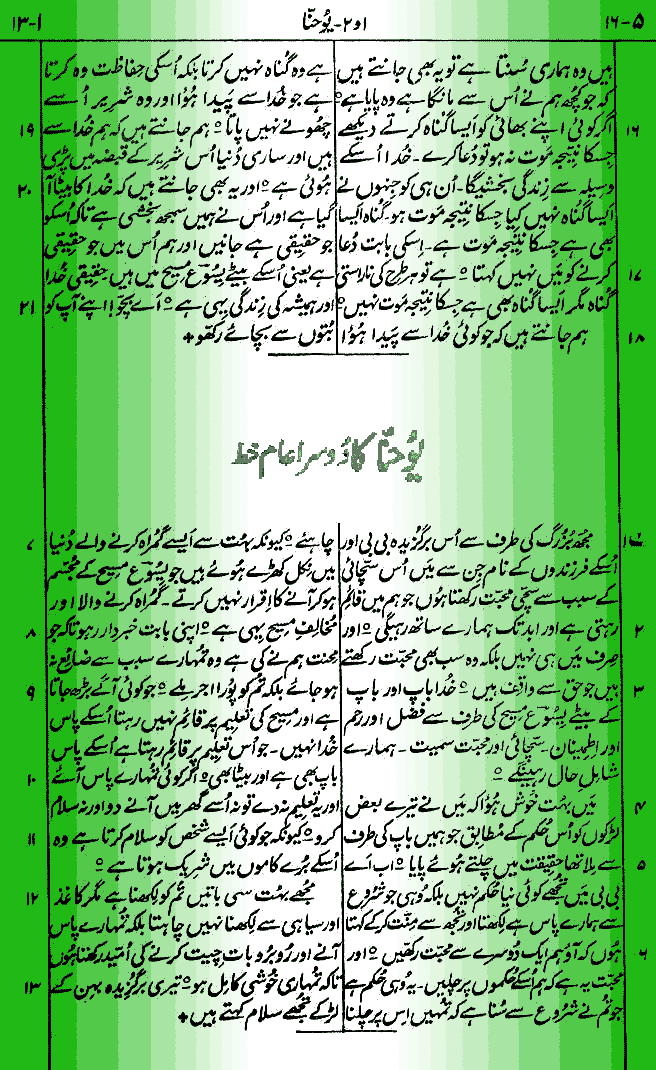
Part 1: 1 John Chapter 5 (Verses 15–21)
1 John 5:15
Verse: And if we know that he hear us whatsoever we ask we know that we have the petitions that we desired of him
English Explanation
This verse builds upon the assurance of the previous verse regarding prayer. John emphasizes that if believers are confident that God actively listens to their prayers (which are aligned with His will), they can rest in the absolute certainty that the answers are already secured. It highlights a relationship built on deep trust, assurance, and spiritual alignment with God’s purposes.
Urdu Explanation (تفصیلی وضاحت)
یہ آیت دعا کے حوالے سے مومنین کے پکے بھروسے کو ظاہر کرتی ہے۔ یوحنا کہتے ہیں کہ جب ہمیں یہ یقین ہے کہ خدا ہماری فریاد سنتا ہے (جو اس کی مرضی کے مطابق ہے)، تو ہمیں یہ بھی پورا یقین ہونا چاہیے کہ جو کچھ ہم نے اس سے مانگا ہے، وہ ہمیں مل چکا ہے۔ یہ خدا اور انسان کے درمیان گہرے تعلق، ایمان اور اس کی مرضی کے مطابق زندگی گزارنے کی اہمیت کو واضح کرتی ہے۔
1 John 5:16
Verse: If any man see his brother sin a sin which is not unto death he shall ask and he shall give him life for them that sin not unto death. There is a sin unto death I do not say that he shall pray for it
English Explanation
John introduces the concept of intercessory prayer for a falling brother. If a believer sees another Christian committing a sin that does not lead to spiritual death, they are commanded to pray for them, and God will grant them restoration and life. However, John mentions a “sin unto death”—traditionally understood as deliberate, unrepentant apostasy or total rejection of the Holy Spirit—for which he does not mandate intercessory prayer, as the individual has willfully cut themselves off from God’s grace.
Urdu Explanation (تفصیلی وضاحت)
یہاں یوحنا گناہ گار بھائی کے لیے شفاعت (دعا) کرنے کی ہدایت دیتے ہیں۔ اگر کوئی کسی بھائی کو ایسا گناہ کرتے دیکھے جو ابدی موت کا سبب نہیں بنتا، تو اسے دعا کرنی چاہیے، اور خدا اس گناہ گار کو نئی زندگی اور توبہ کی توفیق دے گا۔ لیکن ایک گناہ ایسا بھی ہے جو “موت کا سبب” بنتا ہے (جس سے مراد جان بوجھ کر حق سے پھر جانا اور روح القدس کی توہین ہے)۔ یوحنا اس مخصوص حالت کے لیے دعا کرنے پر زور نہیں دیتے۔
1 John 5:17
Verse: All unrighteousness is sin and there is a sin not unto death
English Explanation
To prevent believers from becoming complacent, John clarifies that any form of unrighteousness, wrongdoing, or missing God’s moral standard is indeed sin. However, he distinguishes between everyday sins of weakness that can be confessed and forgiven, and the ultimate, defiant sin of final unrepentance that leads to eternal separation (death).
Urdu Explanation (تفصیلی وضاحت)
مومنین کو گناہ کو ہلکا لینے سے روکنے کے لیے یوحنا واضح کرتے ہیں کہ ہر قسم کی ناراستی اور بدکاری گناہ ہی ہے۔ لیکن وہ فرق بیان کرتے ہیں کہ ہر گناہ انسان کو ابدی ہلاکت تک نہیں لے جاتا۔ کمزوری میں ہونے والے گناہوں کی معافی توبہ کے ذریعے ممکن ہے، جبکہ خدا کے خلاف مکمل بغاوت انسان کو ابدی موت کی طرف لے جاتی ہے۔
1 John 5:18
Verse: We know that whosoever is born of God sinneth not but he that is begotten of God keepeth himself and that wicked one toucheth him not
English Explanation
John reiterates a core truth of the Christian walk: anyone truly regenerated and born of God does not make a habit of continuous, willful sinning. Jesus Christ (the One begotten of God) protects the believer, and the believer also guards themselves, meaning Satan (the wicked one) cannot take hold of them or destroy their eternal security.
Urdu Explanation (تفصیلی وضاحت)
یوحنا مسیحی زندگی کی ایک بنیادی سچائی کو دہراتے ہیں: جو کوئی خدا سے پیدا ہوا ہے، وہ گناہ کی عادی زندگی نہیں گزارتا۔ خدا کا اکلوتا بیٹا (یسوع مسیح) اس کی حفاظت کرتا ہے، اور وہ خود بھی پاکیزگی میں قائم رہتا ہے۔ اس وجہ سے وہ شریر (شیطان) اسے نقصان نہیں پہنچا سکتا اور نہ ہی اس کے ابدی ایمان کو چھین سکتا ہے۔
1 John 5:19
Verse: And we know that we are of God and the whole world lieth in wickedness
English Explanation
This verse draws a sharp, binary contrast between the church and the surrounding world. Believers belong completely to God, resting safely in His hands, whereas the rest of the world system remains under the deceptive control and influence of the evil one (Satan).
Urdu Explanation (تفصیلی وضاحت)
یہ آیت مومنین اور دنیا کے درمیان ایک واضح فرق پیش کرتی ہے۔ ہم جانتے ہیں کہ ہمارا تعلق خدا سے ہے اور ہم اس کے فرزند ہیں، جبکہ باقی ساری دنیا اس شریر (شیطان) کے قبضے اور اس کے برے اثرات کے نیچے دبی ہوئی ہے۔
1 John 5:20
Verse: And we know that the Son of God is come and hath given us an understanding that we may know him that is true and we are in him that is true even in his Son Jesus Christ. This is the true God and eternal life
English Explanation
John affirms the reality of the Incarnation. The Son of God has arrived in history and granted believers spiritual discernment to know the true God. Christians dwell in an intimate spiritual union with God through His Son, Jesus Christ. John explicitly declares Jesus Christ as the true God and the source of eternal life.
Urdu Explanation (تفصیلی وضاحت)
یوحنا خدا کے بیٹے کے دنیا میں آنے کی حقیقت کی تصدیق کرتے ہیں۔ وہ فرماتے ہیں کہ مسیح نے ہمیں وہ روحانی سمجھ عطا کی ہے جس سے ہم سچے خدا کو پہچان سکیں۔ ہم اس سچے خدا میں قائم ہیں اور اس کے بیٹے یوع مسیح میں موجود ہیں۔ یہی سچا خدا ہے اور یہی ابدی زندگی کا سرچشمہ ہے۔
1 John 5:21
Verse: Little children keep yourselves from idols. Amen
English Explanation
John concludes his first epistle with an urgent, affectionate pastoral warning. “Idols” refer not just to physical statues, but to anything or any false doctrine that threatens to replace the true God in the believer’s heart. It is a command to keep undivided allegiance to Jesus Christ.
Urdu Explanation (تفصیلی وضاحت)
یوحنا اپنی پہلی پتری کا اختتام ایک نہایت محبت بھرے اور تاکیدی حکم سے کرتے ہیں۔ “بتوں سے اپنے آپ کو بچائے رکھو” سے مراد صرف لکڑی یا پتھر کے بت نہیں، بلکہ ہر وہ جھوٹی تعلیم، نظریہ یا دنیاوی خواہش ہے جو انسان کے دل میں سچے خدا کی جگہ لے لے۔ یہ مسیح کے لیے وفادار رہنے کا حکم ہے۔
Part 2: 2 John Chapter 1 (Verses 1–13)
2 John 1:1
Verse: The elder unto the elect lady and her children whom I love in the truth and not I only but also all they that have known the truth
English Explanation
Writing as “the elder,” John addresses either a specific Christian woman and her family or, metaphorically, a local church and its members (“the elect lady”). He expresses deep Christian love rooted entirely in the sharing of divine truth, a bond felt by all true believers worldwide.
Urdu Explanation (تفصیلی وضاحت)
یوحنا خود کو “بزرگ” کے طور پر پیش کرتے ہوئے ایک برگزیدہ خاتون اور اس کے بچوں کو مخاطب کرتے ہیں (جس سے مراد یا تو کوئی معزز مسیحی خاتون ہے یا پھر کوئی مقامی کلیسیا)۔ وہ ان سے اس سچی محبت کا اظہار کرتے ہیں جو الٰہی سچائی پر مبنی ہے، اور یہ محبت صرف ان کی نہیں بلکہ ان تمام لوگوں کی ہے جو سچائی سے واقف ہیں۔
2 John 1:2
Verse: For the truth’s sake which dwelleth in us and shall be with us for ever
English Explanation
The foundational bond of Christian fellowship is explained here. Believers love one another because of the objective truth of the Gospel that resides within their hearts through the Holy Spirit—a divine truth that is permanent and will remain with them throughout eternity.
Urdu Explanation (تفصیلی وضاحت)
یہاں مسیحی رفاقت اور محبت کی بنیاد بیان کی گئی ہے۔ مومنین ایک دوسرے سے اس سچائی (انجیل) کی خاطر محبت رکھتے ہیں جو روح القدس کے وسیلے سے ہمارے دلوں میں بسی ہوئی ہے—اور یہ ایک ایسی الٰہی سچائی ہے جو ابد تک ہمارے ساتھ قائم رہے گی۔
2 John 1:3
Verse: Grace be with you mercy and peace from God the Father and from the Lord Jesus Christ the Son of the Father in truth and love
English Explanation
John offers a trinitarian blessing of grace (unmerited favor), mercy (compassion for the needy), and peace (inner harmony). These blessings flow equally from God the Father and Jesus Christ, and they are experienced and preserved only within the boundaries of truth and love.
Urdu Explanation (تفصیلی وضاحت)
یوحنا خدا باپ اور خداوند یسوع مسیح کی طرف سے فضل (بلا استحقاق بخشش)، رحم، اور اطمینان کی برکت کی دعا کرتے ہیں۔ یہ برکات باپ اور بیٹے دونوں کی طرف سے ملتی ہیں، اور ان کا تجربہ صرف سچائی اور محبت کے ماحول میں ہی کیا جا سکتا ہے۔
2 John 1:4
Verse: I rejoiced greatly that I found of thy children walking in truth as we have received a commandment from the Father
English Explanation
As a spiritual leader, John expresses immense joy upon discovering that members of this community are actively living out their faith. “Walking in truth” means conducting one’s daily life in strict obedience to God the Father’s commandments.
Urdu Explanation (تفصیلی وضاحت)
ایک روحانی رہنما کے طور پر، یوحنا کو اس بات سے بے حد خوشی ملتی ہے کہ اس کلیسیا یا خاندان کے لوگ سچائی پر چل رہے ہیں۔ “سچائی پر چلنے” سے مراد اپنی روزمرہ زندگی کو خدا باپ کے احکام کے عین مطابق گزارنا اور ایمان میں وفادار رہنا ہے۔
2 John 1:5
Verse: And now I beseech thee lady not as though I wrote a new commandment unto thee but that which we had from the beginning that we love one another
English Explanation
John pleads with the church to remember the supreme duty of mutual love. He clarifies that this is not an innovative or newly invented doctrine; rather, it is the same foundational commandment given by Jesus from the very beginning of the Christian ministry.
Urdu Explanation (تفصیلی وضاحت)
یوحنا کلیسیا سے التماس کرتے ہیں کہ وہ آپس کی محبت کے عظیم حکم کو یاد رکھیں۔ وہ واضح کرتے ہیں کہ یہ کوئی نیا حکم نہیں ہے جو وہ لکھ رہے ہیں، بلکہ یہ وہی پرانا اور بنیادی حکم ہے جو مسیحی ایمان کے آغاز ہی سے ان کے پاس موجود ہے کہ ہم ایک دوسرے سے محبت رکھیں۔
2 John 1:6
Verse: And this is love that we walk after his commandments This is the commandment That as ye have heard from the beginning ye should walk in it
English Explanation
John defines biblical love not as a fleeting emotion, but as continuous obedience to God’s commandments. To love God and to love others means aligning one’s actions with the moral laws and teachings delivered by Christ from the start.
Urdu Explanation (تفصیلی وضاحت)
یوحنا بائبل کے مطابق “محبت” کی تعریف کرتے ہیں کہ یہ صرف کوئی عارضی احساس نہیں، بلکہ خدا کے احکام پر چلنے کا نام ہے۔ خدا اور انسانوں سے محبت کا مطلب یہ ہے کہ ہم اپنی زندگیوں کو ان اخلاقی قوانین کے مطابق ڈھالیں جو ہم نے شروع سے سنے ہیں۔
2 John 1:7
Verse: For many deceivers are entered into the world who confess not that Jesus Christ is come in the flesh This is a deceiver and an antichrist
English Explanation
The author issues a stark warning against false teachers (Gnostics) spreading through the region. Anyone who denies the physical incarnation of Jesus Christ—that He was truly God manifested in human flesh—is labeled a deceiver and an “antichrist” operating against the truth of God.
Urdu Explanation (تفصیلی وضاحت)
یہاں یوحنا جھوٹے استادوں کے خلاف سخت انتباہ دیتے ہیں۔ جو لوگ اس بات کا انکار کرتے ہیں کہ یسوع مسیح انسان کے روپ میں (جسم میں) آئے، وہ گمراہ کرنے والے اور “مسیح کے مخالف” (دجالی روح) ہیں۔ یہ جھوٹی تعلیمات کلیسیا کے ایمان کو بگاڑنے کے لیے پھیلائی جا رہی تھیں۔
2 John 1:8
Verse: Look to yourselves that we lose not those things which we have wrought but that we receive a full reward
English Explanation
Believers are urged to examine their hearts and remain vigilant. John warns them not to let false doctrines destroy the spiritual progress and labor they have achieved, but rather to persevere so they may receive their full, complete heavenly reward.
Urdu Explanation (تفصیلی وضاحت)
مومنین کو تاکید کی گئی ہے کہ وہ اپنی اور اپنے ایمان کی چوکسی کریں۔ یوحنا خبردار کرتے ہیں کہ کہیں ایسا نہ ہو کہ جھوٹی تعلیمات کے زیرِ اثر آ کر تم وہ سب کچھ کھو دو جو تم نے ایمان کی محنت سے حاصل کیا ہے، بلکہ ثابت قدم رہو تاکہ تمہیں آسمان پر پورا اجر ملے۔
2 John 1:9
Verse: Whosoever transgresseth and abideth not in the doctrine of Christ hath not God He that abideth in the doctrine of Christ he hath both the Father and the Son
English Explanation
John draws a firm theological boundary line. Anyone who runs ahead of or abandons the core teachings regarding Jesus Christ does not possess a true relationship with God. Conversely, whoever remains anchored within the apostolic doctrine of Christ possesses an authentic relationship with both the Father and the Son.
Urdu Explanation (تفصیلی وضاحت)
یوحنا یہاں ایک عقیدتی حد قائم کرتے ہیں۔ جو کوئی مسیح کی تعلیم سے آگے نکل جاتا ہے یا اسے چھوڑ دیتا ہے، اس کا خدا سے کوئی تعلق نہیں۔ لیکن جو شخص مسیح کی سچی تعلیم پر قائم رہتا ہے، اس کے پاس باپ بھی ہے اور بیٹا بھی، یعنی وہ حقیقی الٰہی شراکت میں ہے۔
2 John 1:10
Verse: If there come any unto you and bring not this doctrine receive him not into your house neither bid him God speed
English Explanation
To protect the early house churches from being corrupted by travelling heretics, John commands believers not to extend hospitality to anyone promoting false doctrines regarding Christ, nor should they offer them blessings or greetings (“God speed”) that validate their false mission.
Urdu Explanation (تفصیلی وضاحت)
ابتدائی کلیسیاؤں کو گمراہ کن نظریات سے بچانے کے لیے، یوحنا حکم دیتے ہیں کہ اگر کوئی شخص تمہارے پاس آئے اور مسیح کی سچی تعلیم کے خلاف کوئی نظریہ لائے، تو نہ تو اسے اپنے گھر میں پناہ دو اور نہ ہی اسے الوداعی برکت (خدا حافظ) کہو، تاکہ اس کی جھوٹی تحریک کو شہ نہ ملے۔
2 John 1:11
Verse: For he that biddeth him God speed is partaker of his evil deeds
English Explanation
John explains the severity of the prohibition: offering greetings or assistance to a false teacher makes a believer morally complicit and a partner in their deceptive, harmful works against Christ’s kingdom.
Urdu Explanation (تفصیلی وضاحت)
یوحنا اس ممانعت کی سنگینی کی وجہ بتاتے ہیں: جو کوئی ایسے جھوٹے استاد کو خیرباد کہتا ہے یا اس کی مدد کرتا ہے، وہ عملی طور پر اس کے برے کاموں اور گمراہی پھیلانے کے گناہ میں برابر کا شریک بن جاتا ہے۔
2 John 1:12
Verse: Having many things to write unto you I would not write with paper and ink but I trust to come unto you and speak face to face that our joy may be full
English Explanation
John expresses his desire for deep, personal Christian fellowship. While he has much more advice to share, he prefers not to rely on letters (paper and ink) but anticipates a physical visit so that their mutual joy may be made complete through direct communication.
Urdu Explanation (تفصیلی وضاحت)
یوحنا گہری اور ذاتی مسیحی رفاقت کی خواہش کا اظہار کرتے ہیں۔ اگرچہ ان کے پاس لکھنے کے لیے بہت سی باتیں ہیں، لیکن وہ کاغذ اور روشنائی کا سہارا لینے کے بجائے خود آنے کو ترجیح دیتے ہیں تاکہ روبرو بات چیت ہو سکے اور ان کی باہمی خوشی کامل ہو جائے۔
2 John 1:13
Verse: The children of thy elect sister greet thee Amen
English Explanation
The letter concludes with affectionate greetings sent from the members of John’s current local congregation (referred to as the “elect sister”) to the recipients, reinforcing the universal bond and unity of the body of Christ.
Urdu Explanation (تفصیلی وضاحت)
خط کا اختتام یوحنا کی موجودہ مقامی کلیسیا (جسے “برگزیدہ بہن” کہا گیا ہے) کے ارکان کی طرف سے بھیجے گئے سلام کے ساتھ ہوتا ہے۔ یہ سلام مسیح کے بدن کی عالمگیر یکجہتی اور محبت کو ظاہر کرتا ہے۔ آمین۔